
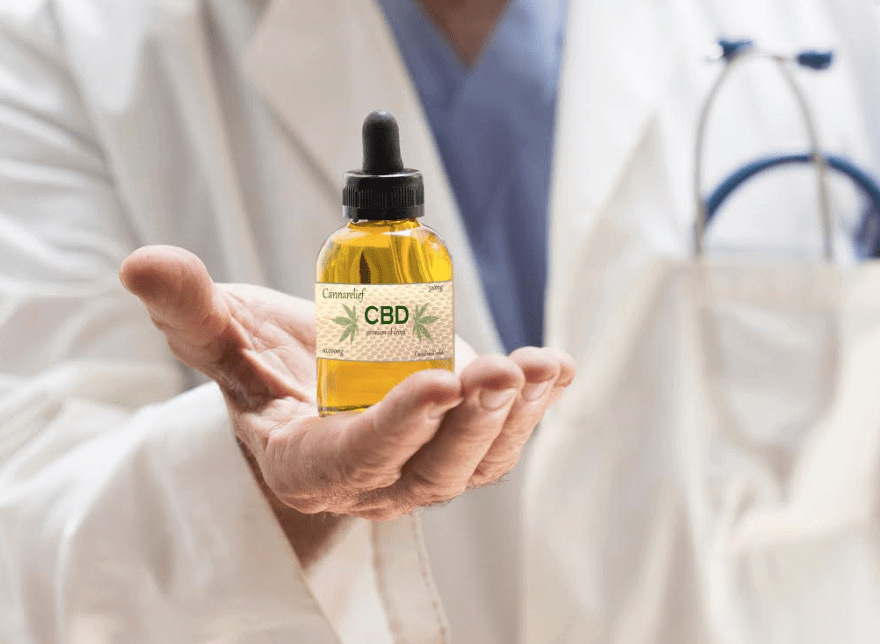
Cannabis-based wellness products are in many places these days—oils, edibles, tinctures, and topicals fill shelves both online and in stores. But with this booming interest comes confusion… What’s the real difference between hemp, medical marijuana, and recreational cannabis?
Whether you’re navigating chronic health issues, exploring natural remedies, or just curious, it’s essential to understand your options. This guide breaks it down for you, helping you make smart, informed decisions based on your wellness goals, health needs, and lifestyle preferences.
Understanding the Basics
Let’s start with the foundational differences. Though all three—medical marijuana, hemp CBD, and recreational cannabis—come from the cannabis plant, their composition, intended use, and regulation vary significantly.
Medical marijuana is cannabis that’s prescribed and monitored by healthcare professionals. It’s specifically used to treat diagnosed medical conditions like chronic pain, epilepsy, multiple sclerosis, or the side effects of chemotherapy. Medical marijuana typically contains higher levels of THC (tetrahydrocannabinol), the psychoactive compound in cannabis, and the products are designed with controlled dosages and specific therapeutic benefits in mind.
Hemp CBD products, on the other hand, are derived from industrial hemp plants. These hemp plants contain less than 0.3% THC, which means they won’t produce a high. CBD (cannabidiol) is non-psychoactive and widely marketed for wellness uses such as anxiety relief, sleep support, and inflammation reduction. Hemp-derived CBD is often available over the counter, in forms like CBD oil, capsules, gummies, and skincare products. CBD products are extracted from the plant cannabis sativa, which is the same species as marijuana plants, though their THC levels and CBD content differ significantly.
Recreational cannabis is used without medical oversight and is primarily consumed for enjoyment or relaxation. It typically contains a higher THC concentration than hemp CBD products and may or may not include CBD. Unlike medical cannabis, there’s no professional guidance on dosing or product selection, which can lead to inconsistent effects. Unregulated cannabis use may increase the risk of drug abuse, especially when combined with other substances or in populations vulnerable to substance abuse or alcohol dependence.
Legal Considerations
The legal status of cannabis products varies wildly based on your location, and understanding those differences is crucial before you buy or use any form of cannabis.
Medical marijuana is legal in many regions but typically requires a formal diagnosis and registration in a medical cannabis program. You’ll need to consult with a licensed doctor, like DocMJ, who can recommend cannabis for specific medical purposes. Approved patients can then access state-regulated dispensaries that offer lab-tested, high-quality cannabis products.
Recreational cannabis, by contrast, is legal in a growing number of states and countries, but not everywhere. Where it is legal, users must meet age requirements (usually 18 or 21 and older) and follow regulations on possession limits, use in public, and transport. Remember that legality can change even between cities or counties within the same state.
Hemp-derived CBD exists in a complex legal gray area. In the U.S., the 2018 Farm Bill federally legalized hemp CBD products containing less than 0.3 THC. However, enforcement and regulations can differ from state laws to federal laws. Some areas restrict how CBD can be sold or what health claims companies can make. Because of loose FDA regulations, buying from companies that provide third-party lab reports verifying purity and potency is essential.
Always check your local laws to know more about the differences between hemp CBD and cannabis CBD in your area. The info is essential before purchasing or using any cannabis product, even CBD. Regulations continue to evolve rapidly, and what’s legal today may change tomorrow, especially as interpretations by the Drug Enforcement Administration (DEA) or changes to the legal definition of marijuana come into play.
Purpose and Use Cases
Each category of cannabis product serves different user needs, and choosing the right one depends on your health status, goals, and comfort level with THC.
Medical marijuana is designed to treat specific medical conditions under medical supervision. If you’re dealing with chronic pain, severe anxiety, PTSD symptoms, or cancer treatment side effects, this might be the best option. The presence of THC can be crucial for pain management, muscle spasms, or nausea control. Doctors can help you taper off other medications using cannabis or find precise dosages that minimize side effects while maximizing benefits.
Hemp CBD is ideal for people who want gentle, everyday support for general wellness. If you’re looking for something to help manage stress, promote sleep, or reduce inflammation but don’t want to feel “high,” CBD may be your answer. It’s accessible, legal in more places, and available in many forms. However, effectiveness can vary, and results may be subtle. Consistency and patience are key when using CBD, as it often works gradually over time and may include other cannabinoids to enhance results.
Recreational marijuana may offer relaxation, creativity, or euphoria, but it’s not meant for medical treatment. If you’re using it to cope with anxiety or insomnia, you may find temporary relief. Still, without guidance, the risk of side effects, like increased anxiety or mental fog, can be higher. If health is your goal, medical marijuana or hemp CBD are more appropriate and safer paths.
Potency, Purity, and Regulation
Quality control is a big deal when it comes to cannabis products. The source and regulation of your cannabis determine not only how effective it will be but also how safe it is to use.
Medical marijuana is subject to strict regulations. Products are manufactured in licensed facilities, tested for potency and contaminants, and labeled with clear dosing information. This means patients can trust the consistency of their products, which is crucial for treating medical conditions effectively.
Hemp CBD is not held to the same standards. Since it’s largely unregulated, the quality of CBD products can be hit or miss. Studies have found that some CBD products contain less CBD or more THC than advertised. Others are contaminated with heavy metals, pesticides, or residual solvents. Choose products that offer Certificates of Analysis (COAs) from third-party labs to stay safe. Choose those that contain less THC and meet the federal law requirement of 0.3 THC or less by dry weight.
Recreational cannabis may be potent, but it’s also more variable in quality. THC levels can range dramatically, and products may not always be tested or accurately labeled. In places with strong regulatory systems, dispensaries may provide lab-tested cannabis-derived products, but in less regulated markets, there’s a greater risk of contamination or inconsistent effects. When derived from the hemp plant, ensure the active ingredient and other cannabinoids are clearly listed and the product does not exceed THC concentration limits.
THC vs. CBD and the Entourage Effect
Understanding the key compounds in cannabis—THC and CBD—can help you make smarter choices.
THC (tetrahydrocannabinol) is the compound that gets you high. But it’s not just about euphoria—THC is also a strong therapeutic agent. It can relieve pain, stimulate appetite, and reduce nausea, making it essential in medical cannabis for cancer patients, those with chronic illness, or people in palliative care.
CBD (cannabidiol) offers a different experience. It’s non-psychoactive and interacts with various receptors in the brain. People often use CBD for its calming, anti-inflammatory, and neuroprotective effects. It’s commonly chosen to address issues like anxiety, insomnia, or mild chronic discomfort without the buzz.
The Entourage Effect occurs when multiple cannabis compounds work together to produce a more comprehensive and balanced effect. Because of this synergy, full-spectrum products (which contain THC, CBD, and other cannabinoids and terpenes) are thought to enhance therapeutic benefits. That’s why many users find full-spectrum formulas more effective than isolated CBD or THC alone.
Dosage and Safety
Regardless of your choice, safe cannabis use starts with understanding how to dose correctly. Here are a few guidelines:
Start Low, Go Slow – Everyone responds to cannabis differently depending on factors like body weight, metabolism, and tolerance. Begin with a small dose, especially if you’re new or using a non-prescribed product, and gradually increase only if needed. For example, a CBD user might start with 5–10mg per day and increase slowly, while THC users should be extra cautious to avoid overconsumption. Here’s more on everything you need to know about medical marijuana microdosing.
Track your Experience – A usage diary lets you note how different doses affect your sleep, mood, pain management, or other symptoms. This is especially useful when trying new products or transitioning between forms like tinctures, edibles, and vaporizers.
Watch for Potential Drug Interactions. Cannabis can interfere with certain medications, including blood thinners, antidepressants, or epilepsy drugs. Always talk to a doctor or pharmacist, especially if you’re considering regular use of medical marijuana or CBD alongside prescription meds.
Institutions such as the National Library, National Cancer Institute, National Center, and National Institute on Drug Abuse contribute necessary research for safe and effective cannabis integration, particularly for clinical neuroscience and integrative health approaches.
Discover Relief with DocMJ
Looking for expert guidance on medical marijuana tailored to your condition? At DocMJ, our certified physicians help you navigate the process safely and legally. Schedule your consultation today and take the first step toward natural, effective relief.
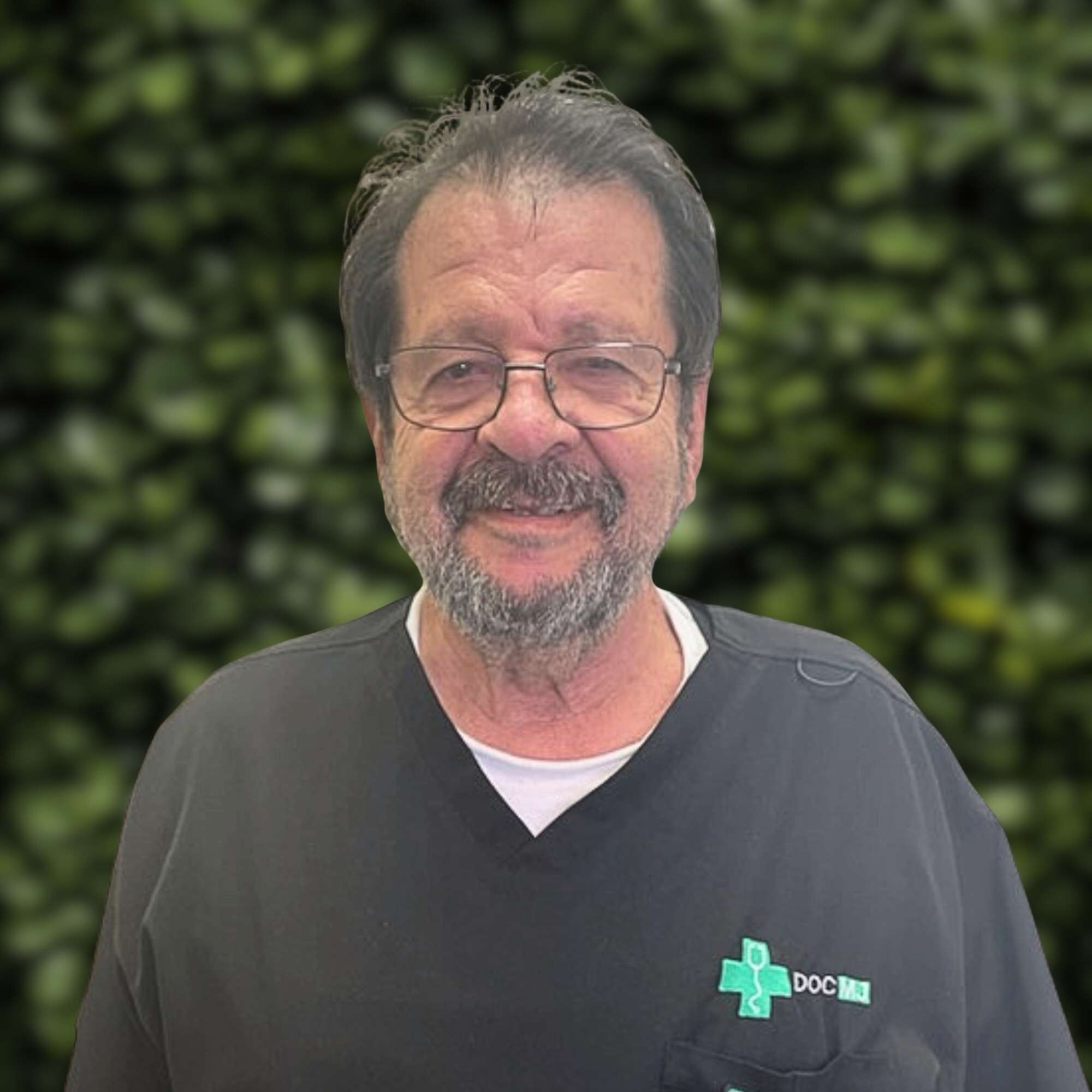
Dr. Rothman is a diplomate of the American Board of Obstetrics and Gynecology. He has received multiple special awards and recognitions, including Physician of the Year, from the Pinellas County Medical Association (2014 – 2015) and the President’s Service Award from the Pinellas County Medical Society.
He attended medical school at State University of New York Upstate Medical Center in Syracuse, New York, where he also completed his Obstetrics and Gynecology residency. In addition to practicing medicine, Dr. Rothman’s professional career includes being an Assistant Professor at the University of South Florida and Clinical Instructor at the University of Tampa’s College of Nursing.
Dr. Rothman received his Florida Medical Marijuana Physicians Certification in 2016 and was one of the first recommending physicians through DocMJ in the state and is loved by many of those early patients today.