
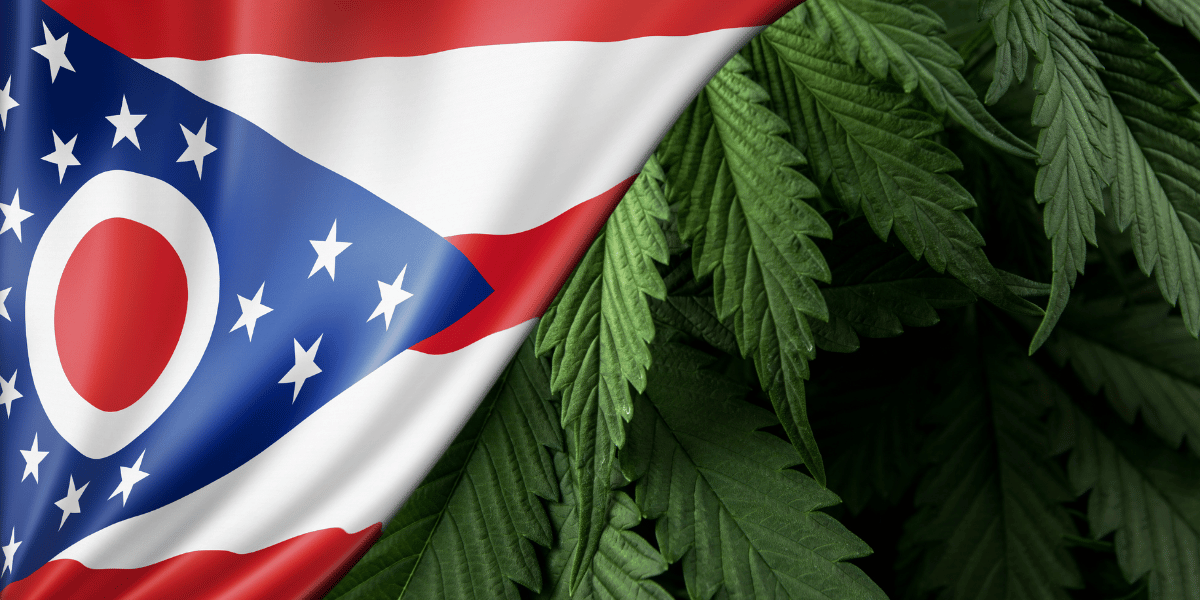
According to an article by Kyle Jaeger for Marijuana Moment, The Coalition to Regulate Marijuana Like Alcohol (CTRMLA) submitted over 220,000 signatures to the Ohio Secretary of State office in July. The coalition provided 6,000 more signatures than required to place the recreational legalization initiative on the November 2023 ballot.
However, the Ohio Secretary of State’s office conducted a verification of signatures review and found that the initiative was short 679 valid signers. After being given 10 days, the CTRMLA submitted the final number of signatures required.
The Political Tug of War in Ohio Over Recreational Weed
Representative Dave Joyce (R) is the co-chair of the Congressional Cannabis Caucus. The congressman indicated that he would sign the petition to allow voters to determine whether recreational marijuana should be legalized in Ohio.
In 2022, in another interview with Marijuana Moment, Rep. Dave Joyce indicated he “wasn’t sure” whether he supported it or not and refused to tell whether he would sign the petition. Now, Rep. Joyce seems on board with letting Ohio residents decide by vote.
According to the Ohio Capital Journal reporter Morgan Trau, recreational marijuana legalization in the state still faces an uphill battle. Most notably, Ohio Governor Mike DeWine is steadfastly opposed to recreational marijuana. One of his concerns is the increased potency of cannabis products available.
“This product has been developed, and its potency is significantly higher than it was years ago. It’s not your grandfather’s marijuana or your grandmother’s marijuana.”
Some Republican representatives in the Ohio General Assembly favor recreational legalization in the state. One of them is Representative Jamie Callender (R), who sponsored the legislation to legalize recreational marijuana in Ohio.
“Cannabis has some very legitimate uses, whether it’s pain relief, whether it’s an alternative to alcohol,” Callender said. “I don’t know that we have any business legislating or certainly making criminal.”
Rep. Jamie Callender also stated that third-party testing for quality assurance and regulations would make recreational marijuana safer than the illicit market, where no product testing happens. Ohio adults purchasing illegal cannabis from the black market may be exposed to marijuana with pesticides, heavy metals, or other harmful chemical additives.

What Would Ohio Recreational Cannabis Laws Look Like?
The proposed laws to legalize recreational marijuana in Ohio could change at any step in the legislative process. But when new rules are created, they start with a proposition of terms and conditions to help lawmakers craft legislation that meets all requirements. That includes protecting public health and safety, strong controls over cannabis quality assurance, licensing of dispensaries, cultivators, and other ancillary marijuana businesses.
So far, the proposed legislation for recreational marijuana in Ohio would allow residents 21 years of age or older to:
- Legally possess up to 2.5 ounces of cannabis or 15 grams of marijuana concentrates.
- Grow up to six plants for personal use. If more than one adult resides in the residence, a maximum of twelve (12) plants may be permitted per household.
The creation of a Division of Cannabis Control would regulate, license, and inspect adult-use cannabis businesses and have oversight of third-party testing laboratories and quality assurance requirements. The proposed legislation would require the Division of Cannabis Control in Ohio to issue forty (40) recreational cultivator licenses and fifty (50) new adult-use dispensary licenses.
There is a proposed 10% excise tax that would be applied on top of the Ohio sales tax of 5.75% for every purchase of recreational marijuana. Patients who have a medical cannabis card, however, would continue to pay only the 5.75% sales tax on purchases.
A portion of the adult use tax fund would be allocated to an addiction fund to support research and patient services. Cannabis addiction services can include educational and mental health programs and health services for patients who may develop a substance abuse disorder.
Legalization of adult-use cannabis in Ohio could generate hundreds of millions of dollars in tax revenue, which can be allocated to the Ohio Children’s Hospital Association, social equity and jobs programs, and more. The funds would also cover the administrative costs of regulating the new recreational marketplace and provide Ohio workers with new employment opportunities.
Could Ohio Municipalities Opt-Out of Recreational Marijuana?
As with other states where recreational marijuana is legalized, individual municipalities in Ohio could choose whether they want dispensaries in their communities or not. Towns and cities that agree to allow recreational retailers would earn 36% of the 10% excise tax collected on local non-medical cannabis sales through a host community cannabis fund.
If there is a current medical cannabis dispensary located in a community that acquires a recreational license (to serve both consumers and patients), there are legal protections in place. A municipality cannot force the closure of a hybrid medical and recreational dispensary location. That will help protect the existing medical marijuana market and allow business owners to expand if the measure is approved in the November election.
Will Cannabis Crimes Be Expunged If Ohio Legalizes Recreational?
There is no provision in the proposed legislation that would provide mass expungement for Ohio residents who have a cannabis-related criminal record. In some states, non-violent, first-time cannabis offenses for personal use (usually possession under two ounces) are considered eligible for expungement once adult use (recreational) is legalized.
There are some measures in the current proposed legislation that would allocate funds to study needed criminal justice reforms in Ohio. That would include creating an application process and review for expungement as part of the marijuana legalization initiative.
Aaron Bloom, an experienced healthcare attorney, serves as the CEO of DocMJ and Medwell Health and Wellness Centers, where he has overseen the organizations’ mission and growth since 2016. In addition to his leadership roles, Aaron serves on the Board of Directors for Waterfall Bank, bringing his expertise in healthcare, compliance, and strategic growth to the financial services sector.
Aaron’s passion for improving patients’ lives stems from more than 20 years of owning, operating, and representing traditional healthcare organizations. Throughout his career, he has remained committed to finding better ways to relieve suffering and expand access to innovative, patient-centered care. As CEO, Aaron works each day to help patients achieve better health and wellness through the therapeutic benefits of medical cannabis and other evidence-based alternative medicines.