
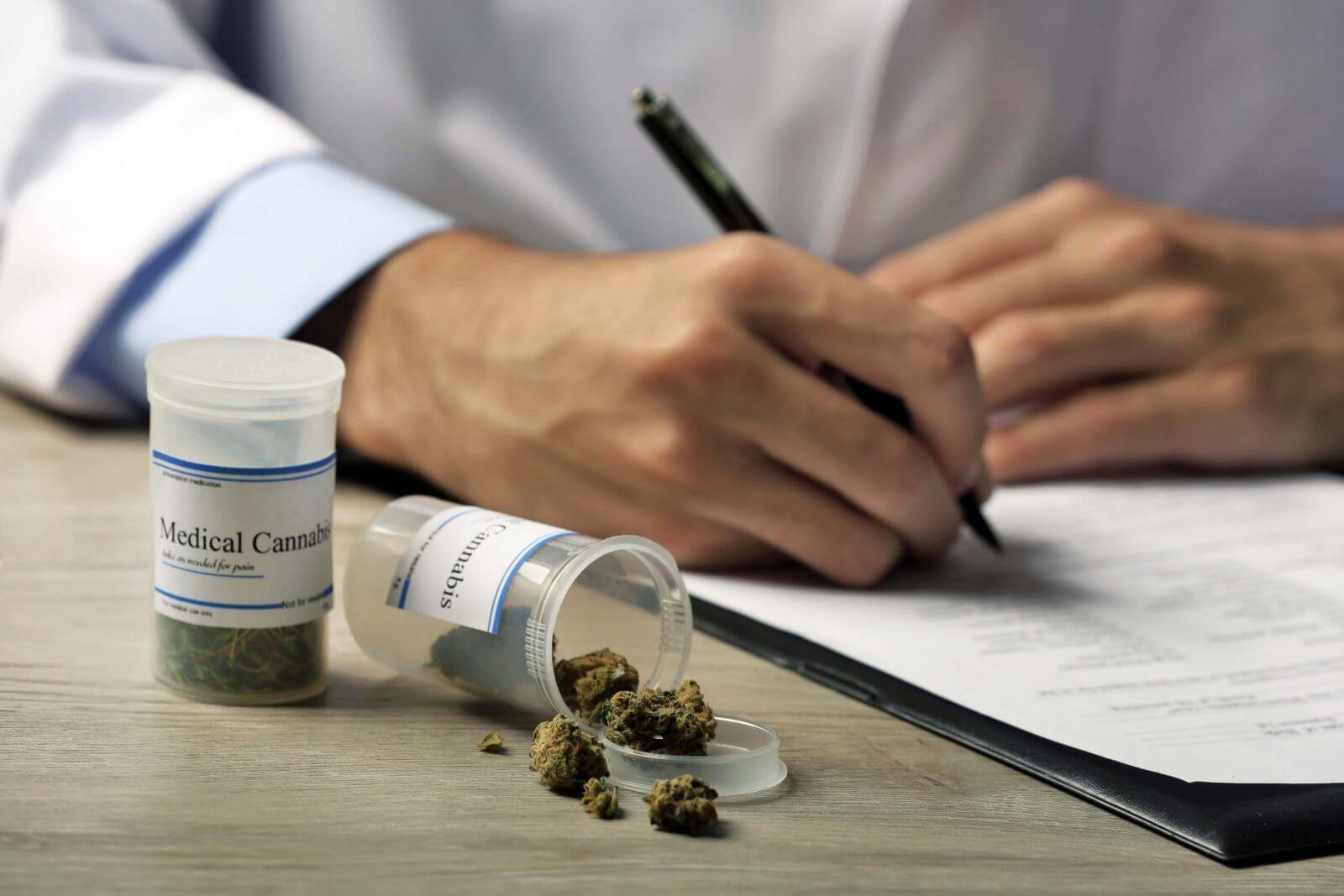
Can Primary Care Doctors Prescribe Medical Marijuana? DocMJ Florida
A medical marijuana card, also known as a medical cannabis card, is a state-issued identification card that allows patients to obtain marijuana, use, possess, or cultivate cannabis for medicinal purposes. This card is issued following a recommendation from a certified physician. The requirements and processes for obtaining this card vary by state, making it crucial for patients seeking alternative treatments to understand these nuances.
Medical marijuana cards provide legal protection for patients using cannabis under state law, even though marijuana remains illegal at the federal level. This card typically needs to be renewed annually, and it is essential for patients to stay informed about any changes in state regulations that might affect their eligibility or usage.
The Legal Landscape
The legal status of medical marijuana in the United States is complex, as it involves both federal law and state regulations. Federally, marijuana is classified as a Schedule I controlled substance, meaning it is considered illegal with no accepted medical use. However, many states, including Florida, have enacted laws permitting the medical use of cannabis. Understanding this dichotomy is essential for patients and healthcare providers alike.
As of now, 38 states and the District of Columbia have legalized medical cannabis since California’s pioneering move in 1996.
The federal classification of marijuana as a Schedule I substance places it alongside drugs considered to have a high potential for abuse and no medical value, such as heroin and LSD. This classification has significant implications for research, as it restricts scientists’ ability to study marijuana’s potential benefits and risks. Despite this, many states have recognized the therapeutic potential of cannabis and have implemented medical marijuana programs to provide patients with access to this alternative treatment.
Primary Care Physicians and Medical Marijuana Recommendations
In Florida, not all physicians are authorized to recommend medical marijuana. Specific criteria must be met for a physician to qualify, ensuring that only those with the appropriate knowledge and certification can provide recommendations for medical marijuana. This ensures patient safety and the proper use of medical cannabis. Proper documentation and state residency are crucial for obtaining medical cannabis for medical treatment.
Not all doctors are willing or able to recommend medical marijuana due to personal beliefs, lack of knowledge, age, or legal concerns. Patients interested in medical marijuana should discuss it openly with their primary care physicians, who may then refer them to a certified medical marijuana doctor if they are not qualified to make such recommendations themselves.
Physician Licensing Requirements
Qualified physicians who recommend medical marijuana in Florida must possess an active, unrestricted physician license under Chapter 458 F.S. (Medical Practice) or Chapter 459 F.S. (Osteopathic Medical Practice). This stipulation ensures that the physician meets the state’s standards for safe medical practice. These chapters outline the qualifications and standards for medical practice in Florida, ensuring that physicians are properly trained and competent.
Chapter 458 pertains to medical doctors (MDs), while Chapter 459 pertains to osteopathic doctors (DOs). Both types of physicians can recommend medical marijuana, provided they meet the state’s specific training and certification requirements. This ensures a uniform standard of care for patients seeking medical marijuana as a treatment option for certain conditions. Additionally, medical cannabis laws are evolving, with varying eligibility criteria for patients and different states having unique lists of qualifying conditions. These laws are often subject to change, impacting how patients can obtain their medical cannabis recommendations.
Florida Medical Association
The Florida Medical Association provides guidelines for physicians regarding the recommendation of medical marijuana. These guidelines ensure that doctors are well-informed about the potential benefits and risks associated with cannabis use and adhere to ethical standards in their practice. The association supports evidence-based approaches and continuous education to help physicians make informed decisions when recommending medical marijuana.
Marijuana Testing Laboratory
The importance of marijuana testing laboratories cannot be overstated. These laboratories ensure the quality and safety of cannabis products by testing for contaminants such as pesticides, heavy metals, and microbial impurities. By providing accurate and reliable testing results, they help protect patients from harmful substances and ensure that the cannabis products they use meet safety standards.
Mandatory Training and Examination
Physicians seeking to recommend medical marijuana in Florida must fulfill specific training requirements. In addition to holding a valid medical or osteopathic license, they are required to complete a mandatory 2-hour course and pass an examination. This training is designed to cover critical aspects of medical marijuana use, ensuring that qualified physicians are knowledgeable about its benefits and risks. The course encompasses a wide range of topics, including the medical applications of cannabis, its legal implications, and guidelines for recommending it to patients.
The 2-hour course provides comprehensive education on the pharmacology of cannabis, its potential therapeutic uses, and safety considerations. Understanding the pharmacology of marijuana plants is crucial as it helps physicians make informed decisions about its medical applications. This ensures that physicians have a solid understanding of how medical marijuana can be used effectively and safely in patient care. The course also includes up-to-date information on current research, allowing physicians to stay informed about the latest developments in medical cannabis.
Upon completion of the course, physicians must pass an examination to demonstrate their understanding of the material. This exam ensures that they are adequately prepared to make informed recommendations to their patients. By meeting these requirements, physicians gain access to the Florida Department of Health Medical Marijuana Use Registry, enabling them to provide recommendations for medical marijuana treatment confidently and responsibly.
Ongoing Education Requirements
The education doesn’t stop there. Physicians must retake the course and examination each time their license is renewed to maintain their status as qualified medical marijuana-recommending physicians. This ensures they stay updated on the latest research and regulations regarding recreational cannabis. Continuous education is vital in the ever-evolving field of medical cannabis, where new research and data are constantly emerging.
Ongoing education helps qualified physicians stay current with the latest advancements in medical marijuana research, changes in state and federal laws, and best practices for patient care. This commitment to continual learning ensures that patients receive the most up-to-date and effective medical marijuana treatment and recommendations.
Assessing Patient Eligibility
A qualified physician must determine that the benefits of medical marijuana outweigh the risks for each individual patient. This involves a thorough assessment of the patient’s medical history, current condition, and potential response to cannabis treatment. The physician must consider the patient’s overall health, any underlying conditions, and the potential for adverse reactions. Additionally, healthcare providers must monitor the interplay between medical cannabis and other prescription medications to manage any potential risks from cannabinoid interactions.
Qualified Patient
To be considered a qualified patient, one must meet specific criteria set by the state. This includes having a diagnosed condition that qualifies for medical marijuana treatment and obtaining a recommendation from a certified physician. The term ‘qualified patient’ underscores the importance of meeting these legal and medical standards to ensure safe and effective treatment.
Special Considerations for Minors
If a patient is younger than 18, an additional layer of scrutiny is required. A second physician must concur with the recommendation, and this agreement must be documented in the patient’s medical record. This extra step helps protect younger patients from potential adverse effects. The involvement of a second physician ensures that the decision is made with a thorough understanding of the potential benefits and risks.
The Role of Recommendations vs. Prescriptions
It’s important to note that in Florida, physicians can only recommend medical marijuana; they cannot prescribe it. This distinction is crucial as it impacts how patients obtain and use medical cannabis. Recommendations are provided after a physician determines it may benefit the patient, but precise dosing guidelines are not typically given. This is due to the lack of standardized dosing information for medical marijuana.
Starting Treatment
Patients are advised to begin with a low dose and gradually increase it while monitoring for any adverse reactions. This cautious approach helps mitigate potential negative effects and allows patients to find their optimal dosage safely. Qualified physicians should provide guidance on how to adjust the dosage and what signs to watch for that may indicate an adverse reaction.
Managing Adverse Reactions
Should a patient experience adverse effects from medical marijuana, they are instructed to contact their recommending physician immediately. In cases of severe or life-threatening reactions, they should call 911. This protocol ensures patient safety and allows for prompt medical intervention if necessary. Adverse reactions can vary widely and may include symptoms such as dizziness, nausea, or more severe complications.
Mental Health
Medical marijuana can have significant impacts on mental health, both positive and negative. For some patients, it can help alleviate symptoms of anxiety, depression, and PTSD. However, it can also potentially exacerbate mental health conditions in others, particularly if used inappropriately. It’s crucial for physicians to carefully evaluate each patient’s health history and current status before recommending medical marijuana.
Legal and Practical Considerations
Each state has its own set of regulations regarding medical marijuana. In Florida, these rules are designed to ensure patient safety and proper use of medical cannabis. Patients should familiarize themselves with state-specific laws to understand their rights and responsibilities. This knowledge helps ensure compliance and maximizes the benefits of medical cannabis treatment.
The Process of Obtaining a Medical Marijuana Card
Obtaining a medical marijuana card in Florida involves several detailed steps. This process ensures that only eligible patients receive access to medical cannabis for their specific health conditions. Here is a comprehensive step-by-step guide to help you understand the journey from consultation to receiving your medical marijuana card.
Step 1: Consultation with a Qualified Physician
The first step in obtaining a medical marijuana card is to find a physician who is authorized to recommend medical marijuana. Not all doctors can make these recommendations; the physician must be registered with the Florida Department of Health Medical Marijuana Use Registry. You can start by searching online or asking for referrals from other healthcare providers or patients who have gone through the process.
During the initial consultation, you should discuss your medical history, current symptoms, and previous treatments. Be prepared to provide thorough medical records and details about your condition. This step is crucial as it sets the foundation for the physician to evaluate your eligibility for medical marijuana.
Step 2: Medical Evaluation
Once you have selected a qualified physician, the next step is a comprehensive medical evaluation. Physicians will assess your medical condition to determine if you qualify for medical marijuana under Florida law. This evaluation includes reviewing your medical history, conducting a physical examination, and discussing any ongoing treatments or medications.
The physician will consider whether your condition is one of the qualifying conditions recognized by the state, such as chronic pain, cancer, epilepsy, glaucoma, HIV/AIDS, PTSD, ALS, Crohn’s disease, Parkinson’s disease, or multiple sclerosis. If your qualifying condition is not explicitly listed, the physician may still recommend medical marijuana if they believe it will benefit your health and quality of life.
Step 3: Recommendations
If you qualify for medical use of marijuana, the physician will enter your information into the Florida Department of Health Medical Marijuana Use Registry. This step involves creating a patient profile in the registry, where the physician will document their recommendation for medical marijuana treatment.
The recommendation includes details about your medical condition, the suggested forms of cannabis (such as oils, tinctures, edibles, or vaporizers), and any specific instructions regarding dosage and usage. This information is crucial for the next steps of the process and ensures that your recommendation is properly documented and accessible to the state authorities.
Step 4: Application Submission
After receiving the primary care physician who’s recommendation, the next step is to submit an application to the Florida Department of Health. This application process involves completing an online form and providing necessary documentation, including proof of Florida residency (such as a driver’s license or state ID), a passport-style photo, and the required application fee.
The application form will ask for personal information, details about your recommending physician, and specifics about your medical condition. It’s important to fill out the form accurately and thoroughly to avoid any delays in processing. Once you have gathered all the necessary documents and completed the form, you can submit it online through the Florida Department of Health’s website.
Step 5: Receiving Your Card
After submitting your application, the Florida Department of Health will review it along with the physician’s recommendation. This review process ensures that all information is accurate and that you meet the eligibility criteria for a medical marijuana card. The approval process may take several weeks, during which the department will verify your application and conduct any necessary follow-ups.
Once approved, you will receive your medical marijuana card in the mail. This card will include your photo, personal details, and expiration date. With this card, you can legally purchase medical cannabis from licensed dispensaries in Florida. It’s important to keep your card with you whenever you possess or use medical marijuana, as it serves as proof of your legal right to use cannabis for medicinal purposes.
Purchasing and Using Medical Marijuana
With your medical marijuana card, you can visit any licensed dispensary in Florida to purchase marijuana products. Dispensaries offer a variety of products, including flowers, oils, tinctures, edibles, and topical treatments. The staff at the dispensary can help guide you in selecting the best products for your condition based on the physician’s recommendation.
When using medical marijuana, start with the lowest recommended dose and monitor how your body reacts. It may take some time to find the optimal dosage and form that provides the best relief for your symptoms. Always follow the physician’s instructions and consult them if you have any questions or concerns about your treatment.
Renewing Your Medical Marijuana Card
Medical marijuana cards in Florida are typically valid for one year. To continue using medical cannabis, you must renew your card before it expires. This process involves a follow-up consultation with your recommending physician to reassess your condition and ensure that medical marijuana is still an appropriate treatment.
You will need to submit a renewal application to the Florida Department of Health, similar to the initial application process. Make sure to start this process well in advance of your card’s expiration date to avoid any lapse in your legal ability to purchase and use medical marijuana.
By following these steps, you can navigate the process of obtaining a medical marijuana card in Florida smoothly and effectively. Understanding each stage of the process helps ensure that you receive the medical cannabis treatment you need to manage your condition and improve your quality of life.
Conditions Often Approved for Medical Marijuana Use
In Florida, several conditions commonly qualify patients for medical marijuana, including chronic pain, cancer, epilepsy, glaucoma, HIV/AIDS, PTSD, ALS, Crohn’s disease, Parkinson’s disease, and multiple sclerosis. Patients with these conditions may find relief through medical cannabis, where traditional treatments have failed. Understanding which conditions qualify can help patients determine if they are eligible for medical marijuana.
The Importance of Physician-Patient Communication
Clear communication between the physician and patient is essential. Patients should feel comfortable discussing their symptoms and concerns, and physicians should provide detailed information on how to use medical marijuana safely and effectively. Open dialogue helps ensure that patients use medical marijuana correctly and that any issues are addressed promptly.
Alternative Treatment Options
While medical marijuana can be beneficial for many patients, it’s not the only option. Physicians should discuss all available treatments, including traditional medications and therapies, to help patients make informed decisions about their healthcare. This comprehensive approach to medicine ensures that patients receive the most effective treatment for their condition.
Monitoring and Follow-Up
Regular follow-up appointments are crucial to monitor the patient’s progress and make any necessary adjustments. This ongoing care helps ensure the best possible outcomes for patients using medical marijuana. Follow-ups allow physicians to track the efficacy of the treatment and make modifications as needed.
Addressing Misconceptions
There are many misconceptions about medical marijuana that can influence patients’ and the public’s perception. It’s important to address these myths with factual information to help patients make informed decisions. For example, some people believe that medical marijuana is a cure-all, while others fear it may lead to substance abuse. Educating patients on the realities of medical marijuana use is crucial for its responsible use.
Potential Benefits of Medical Marijuana
Medical marijuana has been shown to provide significant symptom relief for many patients. It can reduce chronic pain, alleviate nausea from chemotherapy, improve appetite in patients with HIV/AIDS, and reduce muscle spasms in multiple sclerosis, among other benefits. By improving these symptoms, medical marijuana can enhance the overall quality of life for patients.
Risks and Side Effects
Like any medication, medical marijuana comes with potential risks and side effects. These can include cognitive impairment, dizziness, dry mouth, and, in some cases, dependence. Patients should be fully aware of these risks and work with their physicians to manage any side effects that arise. Understanding both the benefits and risks helps patients make balanced decisions about their treatment.
Insurance and Medical Marijuana
One of the challenges many patients face is the cost of medical marijuana, as it is often not covered by insurance. This can make it a less accessible option for some patients. Understanding the financial implications and exploring assistance programs can help mitigate these costs. Patients should discuss potential expenses with their physicians and seek out resources that may help cover the costs.
Conclusion
Understanding the process and requirements for obtaining a medical marijuana card in Florida can empower patients to make informed decisions about their treatment options. By working with qualified physicians and staying informed about state regulations, patients can safely explore the potential benefits of medical cannabis. Empowered with knowledge, patients are better equipped to manage their health and well-being effectively.
Statutes & Constitution:View Statutes: Online Sunshine, 11 Sept. 2018, www.leg.state.fl.us/statutes/index.cfm?App_mode=Display_Statute&URL=0400-0499/0458/0458.html
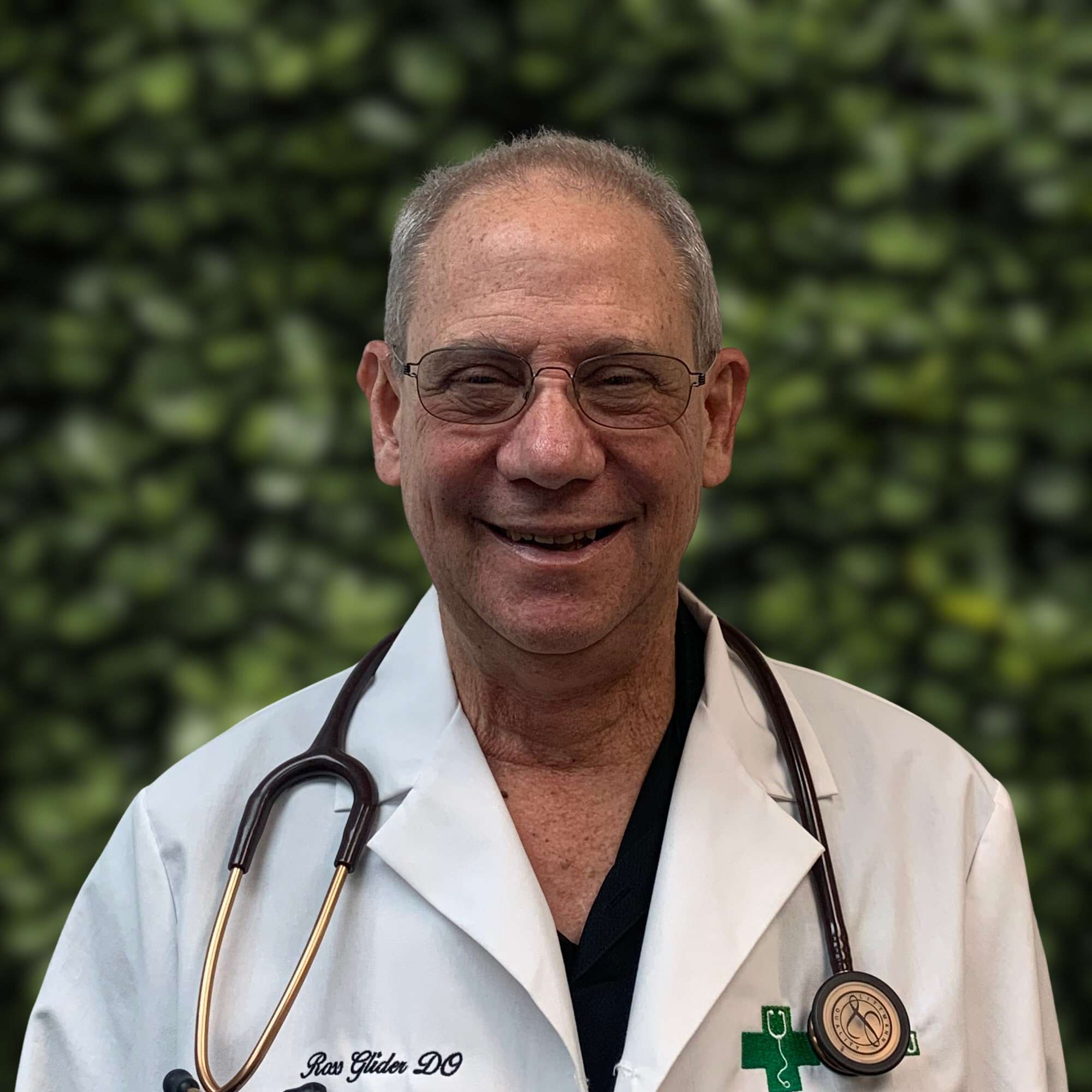
Dr. Glider is a board certified Internal Medicine Specialist. He received his Florida Medical Marijuana Physicians Certification in 2017 and was one of the first recommending physicians with DocMJ. In addition to medical marijuana recommendations, Dr. Glider continues to practice Internal and Geriatric Medicine in private practice. Additionally, he serves as Medical Director for a home health company, supervising and educating staff, as well as supervising an advanced Registered Nurse Practitioners for a transitional care program.
Dr. Glider graduated from the College of Osteopathic Medicine & Surgery in Des Moines, IA and completed his residency at Saddlebrook General Hospital in Saddlebrook, NJ. He has received several honors and awards throughout his professional career, including a City of Des Moines Merit Award and a Chamber of Commerce Award (Port St. Lucie, FL). Dr. Glider is an experienced and caring physician who is loved and respected by his peers and his patients.