
You may hear conflicting information about marijuana safety, especially when people discuss marijuana overdose. Some believe cannabis cannot cause harm, while others worry about serious health consequences or even death. The truth sits between these extremes.
Understanding how cannabis use affects your body helps you recognize risk, respond appropriately, and make informed decisions using reputable sources and guidance from medical marijuana doctors.
This guide explains what overdose means in a cannabis context, what happens when you take too much THC, who faces a higher risk, and how medical guidance helps you use cannabis more safely and responsibly while reducing overdose risks associated with consuming marijuana.
What Does “Overdose” Mean in the Context of Cannabis?
In medical terms, an overdose refers to taking a substance or drug in an amount that causes harmful physical or psychological symptoms.
With cannabis, clinicians usually describe overdose as marijuana intoxication, cannabis toxicity, or marijuana toxicity rather than fatal poisoning or cannabis poisoning.
A fatal overdose involves organ failure or breathing suppression, while a toxic reaction produces distressing marijuana overdose symptoms without causing death.
Cannabis differs from alcohol or opioids because THC, the primary psychoactive ingredient of the cannabis sativa plant, does not directly shut down breathing centers. THC toxicity also differs from CBD, which shows a much wider safety margin.
Emergency departments typically classify cannabis visits as intoxication, anxiety reaction, or accidental overconsumption rather than a traditional drug overdose, though medical emergencies can still occur in rare situations.
Can You Die from a Marijuana Overdose?
Current scientific evidence shows no confirmed lethal dose of THC in humans under typical conditions, meaning people do not typically fatally overdose on cannabis alone.
Understanding medical marijuana dos an dont’s can further help individuals reduce risk and make safer decisions about cannabis use.
Cannabis does not suppress breathing in the way opioids do because cannabinoid receptors are sparse in the brainstem areas that control respiration. This explains why people do not stop breathing from THC alone or experience direct death from a THC overdose under normal circumstances.
However, a lack of a known lethal dose does not mean zero risk. Indirect harm can occur through impaired judgment, accidents, heart strain, or interactions with other substances or other drugs. High THC exposure may worsen underlying medical issues and, in rare cases, contribute to events like a heart attack, especially in vulnerable individuals.
Knowing this distinction helps you separate direct toxicity from secondary risks associated with intoxication, including situations that may become life-threatening or result in death indirectly.
What Happens If You Take Too Much Marijuana?
When you consume too much marijuana, your body and nervous system can produce several short-term reactions that vary in intensity depending on dose, THC content, and individual sensitivity.
- Anxiety and panic response: High THC levels can overstimulate the nervous system, leading to intense anxiety, panic attacks, or feelings of loss of control. Some people also experience paranoia or fear that something dangerous is happening.
- Paranoia or temporary psychosis like symptoms: Some individuals experience confusion, suspicious thoughts, hallucinations, or temporary difficulty distinguishing reality during acute intoxication.
- Cardiovascular and physical symptoms: Increased heart rate, fast heart rate, blood pressure changes, nausea, vomiting, dry mouth, and impaired coordination commonly occur when THC exposure exceeds tolerance. Some individuals may notice pale skin, dizziness, or chest pain, all of which require prompt medical attention.
- Sensory and cognitive disruption: Time perception may feel distorted, and normal sounds, lights, or sensations can feel unusually intense or overwhelming. Effects may last several hours, especially with high doses or food products containing THC.
- When medical evaluation is necessary: Chest pain, severe confusion, persistent vomiting, or other severe symptoms linked to cannabis hyperemesis syndrome require medical assessment. Individuals should seek medical help, sometimes in an emergency room, if symptoms worsen during marijuana intoxication.
Why Edibles Increase the Risk of Overconsumption
Edibles carry a higher overdose risk because your body processes oral THC differently than inhaled cannabis. After digestion, the liver converts THC into 11-hydroxy THC, a compound that produces stronger psychoactive effects.
Onset can take thirty to one hundred twenty minutes, which leads many people to take additional doses too soon. This stacking effect often causes unexpected intoxication and stronger adverse effects, especially when products contain more THC than expected.
Homemade products increase dosing errors due to uneven distribution of THC. Inexperienced users face a higher risk because tolerance has not developed.
Medical patients often begin with low milligram amounts, track dosing carefully, and consider balanced THC and CBD ratios when choosing cannabis products to help relieve symptoms while avoiding dangerous reactions.
Who Is at Higher Risk of Severe Cannabis Reactions?
Certain groups experience stronger or more dangerous reactions to cannabis.
- Adolescents have developing brains that respond more sensitively to THC exposure.
- Older adults, particularly those with cardiovascular disease, may experience changes in heart rate and blood pressure that strain the heart.
- Individuals with existing mental health conditions may experience worsening anxiety, paranoia, or mood instability.
Combining cannabis with alcohol, sedatives, or synthetic cannabinoids increases impairment and safety risks. Some medications affect liver enzymes that process THC, which can prolong or intensify effects.
Frequent or heavy cannabis use may also increase the likelihood of problematic patterns that can lead to addiction or marijuana addiction, especially when cannabis is used to cope with stress or emotional discomfort.
Knowing about drug interactions and mental health history helps you assess whether cannabis presents additional risk in your situation.
What To Do If You’ve Taken Too Much Marijuana
If you feel too high after smoking, vaping, or eating cannabis, focus first on calming your body and reducing sensory stimulation while allowing the effects to wear off naturally.
- Move to a calm and safe environment: A quiet and familiar space helps reduce anxiety and limits sensory overload during intoxication.
- Rest and hydrate: Sitting or lying down while drinking water and eating light food can reduce discomfort and help you stay hydrated, which may ease mild symptoms.
- Control breathing and stay calm: Slow, steady breathing helps regulate panic responses and lowers nervous system activation.
- Consider CBD cautiously: Some individuals report that CBD softens THC effects, although results vary and evidence remains limited.
- Know when to seek medical care: Severe chest pain, uncontrolled vomiting, confusion that does not improve, or symptoms that appear life-threatening require urgent medical evaluation and appropriate marijuana overdose treatment.
How Medical Marijuana Clinics Reduce Overdose Risk
Medical marijuana clinics reduce risk through structured education and clinical screening. Providers review your medical history, current medications, and treatment goals before recommending cannabis. You learn how to start with low doses and increase slowly based on response.
Clinicians help distinguish between a therapeutic dose and the level that produces intoxication. Guidance on cannabinoid profiles allows you to select products aligned with symptom control rather than recreational effects sometimes associated with marijuana use.
Ongoing monitoring supports dose adjustments over time. Documentation and milligram tracking help you identify patterns and avoid accidental overconsumption, especially when using edibles or concentrated products.
Guidance informed by research from organizations such as the National Institute for Health and Care Excellence helps reduce unintended harm and supports safer treatment decisions.
Cannabis Overdose vs. Cannabis Use Disorder
An acute overdose refers to short-term intoxication, while substance use disorder or cannabis use disorder describes a pattern of continued use despite negative consequences. You may notice tolerance increasing, requiring higher doses to achieve the same effect.
Other warning signs include difficulty reducing use, neglecting responsibilities, or relying on cannabis to manage emotions. Some individuals may also experience withdrawal symptoms when stopping after prolonged heavy use. These patterns differ from occasional overconsumption.
Structured medical oversight helps identify problematic use early and supports safer consumption habits. Recognizing the difference between dependency and isolated intoxication allows you to address concerns without unnecessary fear or stigma associated with drug abuse.
Frequently Asked Questions About Marijuana Overdose
Below are answers to common questions people ask about marijuana overdose that are not always covered in general discussions, but help clarify safety and expectations.
- Can drinking water make a marijuana overdose go away faster?
Drinking water supports comfort and hydration but does not speed up how quickly THC leaves your system, though it may help ease discomfort associated with intoxication.
- Can mixing marijuana with caffeine reduce feeling too high?
Caffeine does not reduce THC effects and may increase anxiety or rapid heart rate in some people.
- Can a marijuana overdose cause permanent brain damage?
Typical THC overconsumption does not cause permanent brain damage, though repeated high exposure may affect memory and attention over time, particularly in younger or heavy users.
- Can you build tolerance specifically to edibles?
Yes, regular edible use can increase tolerance, which may lead some individuals to take higher doses than intended.
- Does body weight determine how much THC is too much?
Body weight plays a role, but individual metabolism, tolerance, and sensitivity influence THC response more strongly.
- Can dehydration make THC effects feel stronger?
Dehydration can worsen discomfort such as dizziness or headaches, which may make intoxication feel more intense.
- Is it safe to exercise while feeling too high?
Exercise is not recommended during strong intoxication because impaired coordination increases injury risk.
- Can a marijuana overdose cause long-term sleep problems?
Short-term sleep disruption can occur after heavy THC use, but it usually resolves as the drug clears from the body.
- Do different strains prevent overdose symptoms?
No strain completely prevents overconsumption, although lower THC products generally carry a lower risk of severe intoxication.
- Can smelling alone make someone feel high or overdosed?
The smell of cannabis alone cannot cause intoxication because THC must enter the bloodstream to produce effects, which occurs through inhalation of smoke or vapor rather than smell alone.
DocMJ Helps You Use Medical Cannabis Safely
At DocMJ, we evaluate your health history, explain proper dosing, and help you understand how cannabis fits into your treatment plan. Our team offers personalized guidance, reduces unnecessary risks, and helps you make informed decisions about medical cannabis use. Schedule a consultation for professional medical oversight.
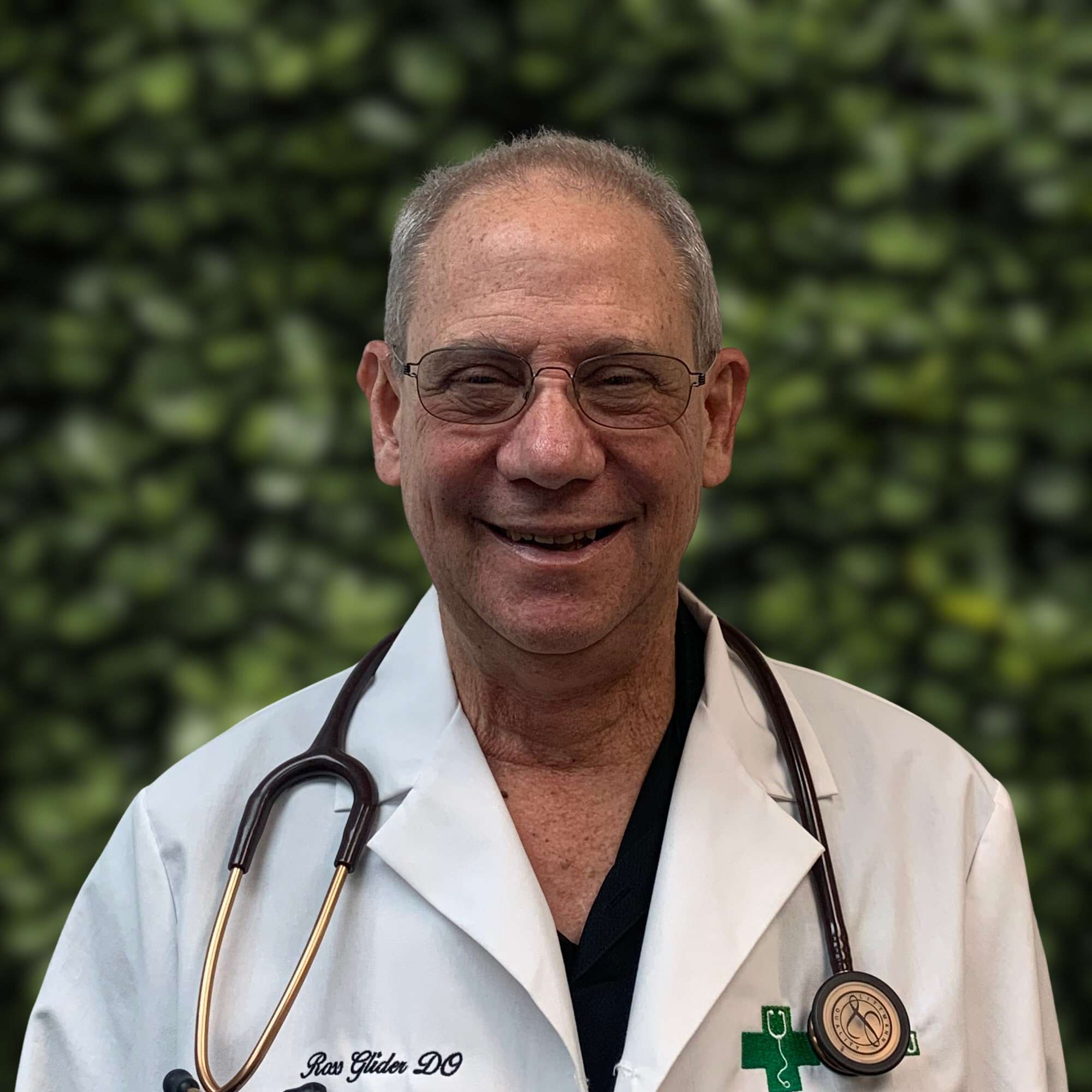
Dr. Glider is a board certified Internal Medicine Specialist. He received his Florida Medical Marijuana Physicians Certification in 2017 and was one of the first recommending physicians with DocMJ. In addition to medical marijuana recommendations, Dr. Glider continues to practice Internal and Geriatric Medicine in private practice. Additionally, he serves as Medical Director for a home health company, supervising and educating staff, as well as supervising an advanced Registered Nurse Practitioners for a transitional care program.
Dr. Glider graduated from the College of Osteopathic Medicine & Surgery in Des Moines, IA and completed his residency at Saddlebrook General Hospital in Saddlebrook, NJ. He has received several honors and awards throughout his professional career, including a City of Des Moines Merit Award and a Chamber of Commerce Award (Port St. Lucie, FL). Dr. Glider is an experienced and caring physician who is loved and respected by his peers and his patients.