
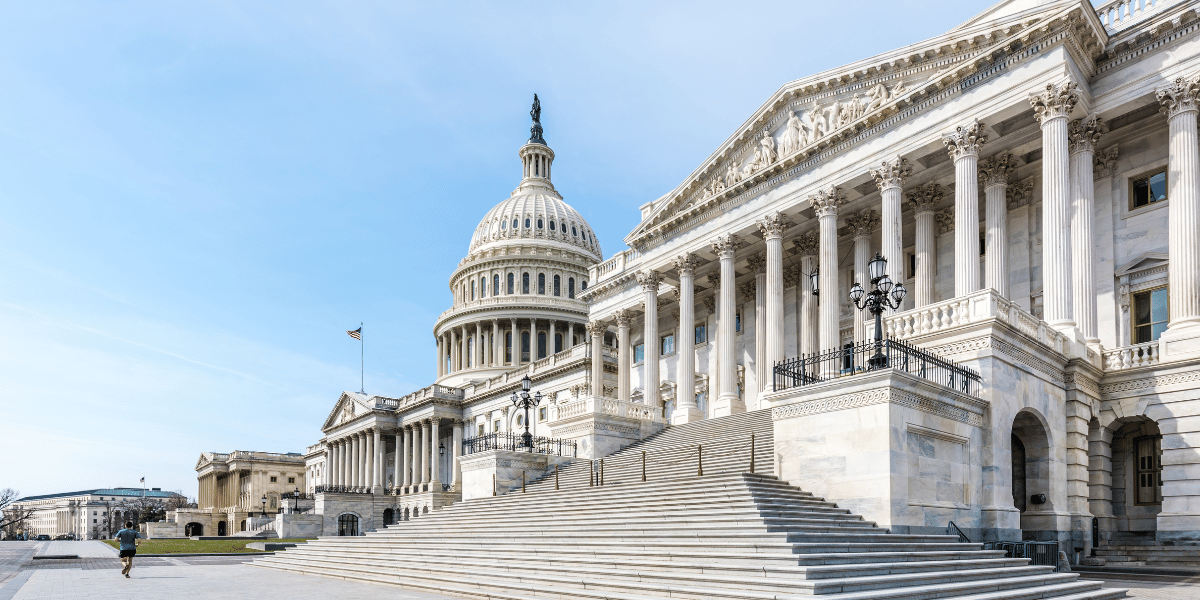
In a groundbreaking development, the United States federal government has officially reclassified cannabis from Schedule I to Schedule III under the Controlled Substances Act. This significant change in drug policy reflects a growing recognition of cannabis’s medical potential and signals a shift towards more progressive approaches to its regulation.
A Long Journey to Reschedule Cannabis
Back in 2022, President Joe Biden had asked the Department of Health and Human Services to review whether cannabis should be rescheduled on the Controlled Substances Act (CSA). Cannabis has been classified as a Schedule I drug since the Act was signed in 1970.
On August 29, 2023, the U.S. Department of Health and Human Services (HHS) issued a recommendation that cannabis should be removed from Schedule I and added as a Schedule III drug. However, the final decision would rest with the Drug Enforcement Administration (DEA).
The DEA issued several statements that indicated they may decline the recommendation from the HHS. However, historically, the Drug Enforcement Administration has followed through with recommendations from Health and Human Services.
Today, the Associated Press announced that members had confirmed cannabis would be reclassified (per HHS recommendations) to a Schedule III drug. At the time of writing, the DEA and the office of the White House have not commented.
What Does Rescheduling Mean?
Under the Controlled Substances Act, drugs are categorized into different schedules based on their potential for abuse and accepted medical use. Previously classified as a Schedule I substance, alongside drugs like heroin and LSD, cannabis was deemed to have no accepted medical value and a high potential for abuse.
However, mounting scientific evidence and changing societal attitudes have led to a reevaluation of its classification. Cannabis will take its place beside drugs such as anti-anxiety medications, sedatives, stimulants, some narcotics, and non-narcotic analgesics.
Implications for Patients and Therapeutic Treatments
For patients relying on cannabis for medical purposes, the rescheduling to Schedule III is a welcome development. This reclassification acknowledges the plant’s recognized medical benefits and may lead to expanded access to cannabis-based treatments. Patients suffering from conditions such as chronic pain, epilepsy, and nausea associated with chemotherapy may find it easier to obtain cannabis products under the new classification.
Fewer Barriers for Institutions to Research Marijuana
Moreover, the rescheduling could pave the way for increased research into the therapeutic potential of cannabis. With fewer regulatory barriers and stigma surrounding its use, scientists may have greater opportunities to explore the plant’s medicinal properties and develop new treatment options for various medical conditions.
Potential for Cannabis Costs to Decline
As a federally prohibited substance, cannabis-related businesses have been heavily penalized, both through a restrictive tax code (280E) and by the burden of costs of financial services, commercial insurance, and more.
If cannabis is no longer a Schedule I drug, cultivators, processors, manufacturers, and retail dispensaries will have most (if not all) the same privileges that other U.S. businesses have, including standard banking services. That savings could result in lower costs for businesses, resulting in lower cost products for patients.
Impact on Americans Who Have Cannabis Criminal Charges
The rescheduling of cannabis also has implications for individuals with criminal charges related to its possession or use. In many states, individuals have faced legal consequences, including incarceration and criminal records, for non-violent cannabis offenses. With cannabis now classified as a Schedule III substance, there may be opportunities for individuals convicted of minor cannabis offenses to have their sentences reduced or expunged.
Some jurisdictions have already taken steps to address past cannabis convictions in light of changing laws and attitudes. Resentencing or expungement of criminal records for minor cannabis offenses could help alleviate the disproportionate impact of drug enforcement policies on marginalized communities, particularly communities of color.
While federal expungement of non-violent personal-use criminal records began in 2022, states have been slow to take the same actions. Making cannabis a Schedule III drug on the CSA may prompt states to accelerate plans for mass expungement for individuals serving time and erase past criminal conviction records.
Remaining Challenges and Considerations
While the rescheduling of cannabis to Schedule III represents a significant milestone in drug policy reform, challenges remain. Regulatory frameworks must be established to ensure safe and responsible access to cannabis products, particularly for medical use. Additionally, efforts to address issues such as impaired driving and underage use will require careful consideration and implementation of evidence-based strategies.
Furthermore, the federal reclassification of cannabis may prompt states to reassess their own cannabis laws and regulations. Some states have already legalized cannabis for both medical and recreational use, while others maintain strict prohibitionist policies. The federal rescheduling could provide momentum for broader legalization efforts at the state level, leading to further changes in cannabis policy nationwide.
“Today’s announcement regarding the DEA’s proposed rescheduling of cannabis reverses the previously held negative perceptions of the plant. The U.S. government has confirmed that cannabis has medical benefits; therefore, we must continue the efforts to fully explore the potential benefits of this plant and expand access to patients.
At DocMJ, our patients are living examples of the power medical cannabis has to eliminate unnecessary suffering. We are excited to continue helping more patients live better lives, and today’s impending decision is an important step in breaking down the legal and social barriers.
Want to learn more about the potential impact of making cannabis a Schedule III drug? Watch this interview, “The Highs and Lows of Cannabis Rescheduling: The Cannabis Industry Speaks,” provided by cannabis tech.

Aaron Bloom, an experienced healthcare attorney, serves as the CEO of DocMJ and Medwell Health and Wellness Centers, where he has overseen the organizations’ mission and growth since 2016. In addition to his leadership roles, Aaron serves on the Board of Directors for Waterfall Bank, bringing his expertise in healthcare, compliance, and strategic growth to the financial services sector.
Aaron’s passion for improving patients’ lives stems from more than 20 years of owning, operating, and representing traditional healthcare organizations. Throughout his career, he has remained committed to finding better ways to relieve suffering and expand access to innovative, patient-centered care. As CEO, Aaron works each day to help patients achieve better health and wellness through the therapeutic benefits of medical cannabis and other evidence-based alternative medicines.