
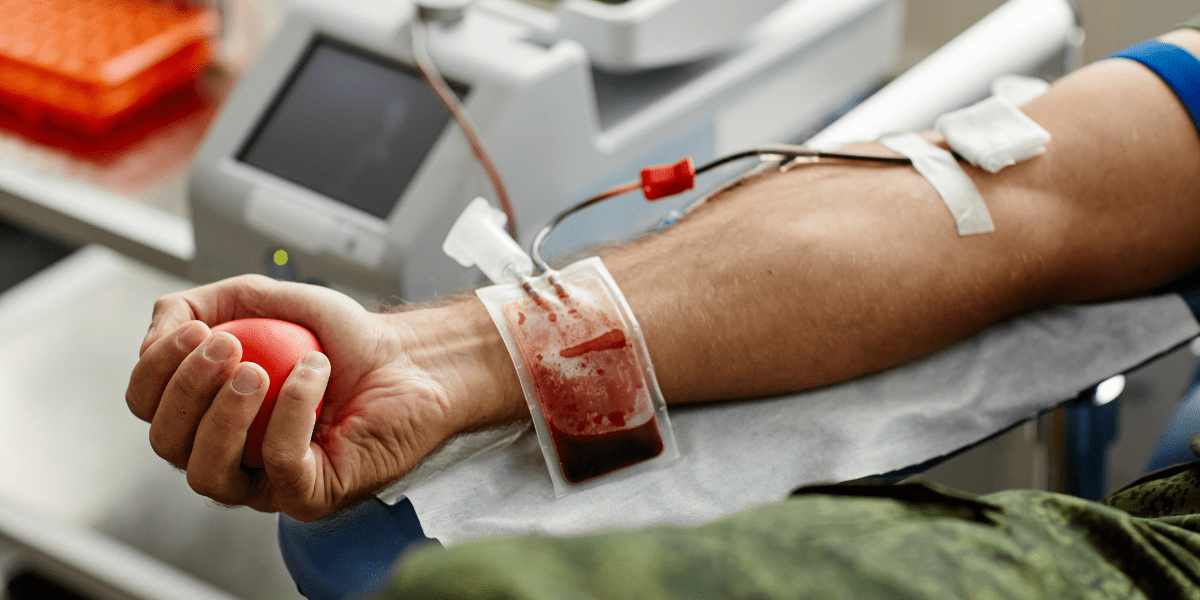
Understanding blood donation eligibility is crucial, especially for those who use medical marijuana. The blood donation process includes a health screening to ensure donor eligibility and health. Is it possible to use medical marijuana and still donate blood?
Eligibility for Blood Donation
To be eligible for blood donation, you must meet certain criteria that ensure the safety and health of both the donor and the recipient. Generally, you need to be at least 17 years old (or 16 with parental consent in some states), weigh at least 110 pounds, and be in good overall health.
Additionally, you should not have donated blood within the past eight weeks (56 days) for whole blood donations or within the past 28 days for plasma donations. It’s also crucial that you do not have any acute or chronic illnesses, infections, or conditions that could affect the safety of the blood recipient. Each donation center may have specific guidelines, so it’s always a good idea to check with them before scheduling your donation.
The Impact of THC on Donating Blood
THC, or delta-9-tetrahydrocannabinol, is the main psychoactive compound in cannabis. While THC can linger in your hair for up to 90 days and in your urine for up to 30 days, it typically remains in your blood for only a few hours to a few days. This means that THC presence alone does not disqualify you from donating blood.
However, if you appear visibly impaired or intoxicated at the time of donation, you may be turned away. Since THC is fat-soluble, it can stay in your body’s fat tissue for weeks, but this does not impact your eligibility as long as you are not under the influence during the donation process.
Blood Donation and Medical Marijuana Use
Using medical marijuana does not automatically disqualify you from donating blood. However, policies regarding marijuana use can vary between donation centers. Some centers may exclude donors who use synthetic cannabis products, while others may have no restrictions at all.
It’s essential to check with your local donation center to understand their specific guidelines and ensure you meet their criteria before scheduling an appointment.
What concerns blood banks most is twofold:
1) the possibility of blood-borne illnesses like Hepatitis A and B, HIV, or other diseases; and
2) injectable drug use (think heroin, cocaine, crack, and the like) since people who use these drugs have an increased risk of contracting diseases transmitted by contact with contaminated blood.
Other situations that might contribute to a person being unable to donate blood include recent surgery or childbirth, pregnancy, getting a tattoo within the previous 6 months (or ever getting one from an unlicensed facility), having low iron (hemoglobin) levels in the blood, IV steroid use, current antibiotic therapy, recent international travel to high-risk countries, engaging in behavior putting you at risk for contracting a blood-borne illness or having another serious health condition.
Tips for Blood Donors
Before going to donate blood, you should do the following:
- Get a good night’s sleep.
- Eat a healthy meal.
- Make sure you are well-hydrated.
- Be in good health and feeling well.
After donating, it’s important to drink plenty of fluids and eat foods high in iron and other essential vitamins, such as leafy green vegetables, meat or fish, eggs or dairy, fresh fruit, and items containing complex carbohydrates, such as multi-grain bread, beans or legumes, sweet potatoes or squash, and brown rice. These foods will help rebuild your blood supply in a healthy manner.
Conclusion
Donating blood and plasma is a vital act that can save lives, especially for recipients undergoing surgeries, medical procedures, or facing life-threatening diseases. While cannabis use does not disqualify you from donating blood, it’s important to be aware of the eligibility criteria and policies of your local donation center. By understanding the impact of THC on donating blood and the relationship between medical marijuana use and blood donation, you can make an informed decision about donating blood and helping those in need.

Dr. Rothman is a diplomate of the American Board of Obstetrics and Gynecology. He has received multiple special awards and recognitions, including Physician of the Year, from the Pinellas County Medical Association (2014 – 2015) and the President’s Service Award from the Pinellas County Medical Society.
He attended medical school at State University of New York Upstate Medical Center in Syracuse, New York, where he also completed his Obstetrics and Gynecology residency. In addition to practicing medicine, Dr. Rothman’s professional career includes being an Assistant Professor at the University of South Florida and Clinical Instructor at the University of Tampa’s College of Nursing.
Dr. Rothman received his Florida Medical Marijuana Physicians Certification in 2016 and was one of the first recommending physicians through DocMJ in the state and is loved by many of those early patients today.