
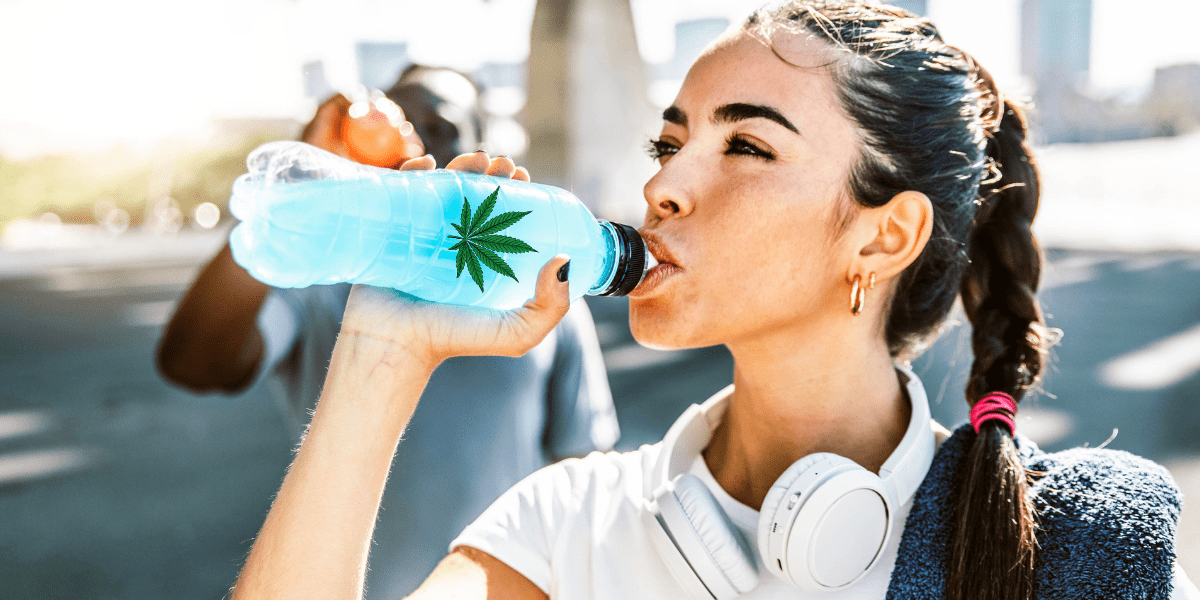
In 2017, energy drinks mixed with “healthy” ingredients became all the rage in the United States. Energy drink consumption among adolescents and young adults has grown and developed into a continuing public health concern.
According to behavioral health statistics, energy drink sales have grown from $11.05B (2017) to $18.51B in 2023 and show no signs of slowing down as the go-to “pick me up” drink for many Americans. However, despite the public perception that these sports drinks are safe to use regularly, less is known about the negative health effects of consuming energy drinks.
Cannabis beverages are also growing in popularity and are considered a potentially safer alternative to drinking alcohol. However, they are not available in every state, and that may contribute to adults mixing their own cannabis cocktails at home.
Since a popular trend is energy drinks mixed with alcohol, it is safe to assume that many people may be combining cannabis tinctures with their favorite high-octane beverage, too. Let’s take a closer look at the effects of energy drinks on the human body and learn why it’s not safe to make cannabis cocktails with them.
The Growing Trend Of Energy Drink Consumption
In recent years, energy drinks have surged in popularity, becoming a staple for those seeking a quick boost in their busy lives. From students pulling all-nighters to professionals powering through deadlines, these beverages promise enhanced alertness and stamina.
Energy drinks are enticing, with their potent mix of caffeine, taurine, and B vitamins, vibrant marketing campaigns, and sleek, enticing packaging. Social media influencers and sports endorsements have further fueled their allure, making energy drinks a trendy choice. However, as consumption skyrockets, so do concerns about their health impacts.
Stories of energy drink-related health issues are emerging, prompting discussions about the balance between the immediate energy benefits and potential long-term health risks. As this trend grows, understanding the ingredients and their effects becomes crucial for making informed choices that protect our health.
What Are The Active Ingredients In Energy Drinks?
Our contemporary lifestyle is more busy than ever before in human history. It’s not surprising that caffeinated energy drinks are so popular; many people struggle with chronic fatigue. When it comes to consuming energy drinks on a regular (or daily) basis, there is much more to be concerned about than the effects of experiencing a caffeine crash. Caffeine is a stimulant and a drug that can have adverse effects on your health.
Here are the most common active ingredients found in most popular brands of energy drinks and some things you may not know about dangerous side effects associated with chronic consumption or regular energy drink use.
Caffeine
Caffeine, a stimulant chemical, is the primary ingredient in most energy drinks. It shakes up the central nervous system, increasing alertness and providing improved concentration, and it can enhance physical performance and stamina.
Health Risks: Excessive consumption can cause jitteriness, anxiety, insomnia, increased heart rate, high blood pressure, and gastrointestinal issues. Chronic high intake can lead to dependency and withdrawal symptoms. The American mental health services administration warns that high levels of caffeine ingestion can make symptoms of anxiety and paranoia worse.
Medication Interactions: Caffeine can interact with medications such as:
- Stimulants (e.g., Adderall, Ritalin): Increased risk of side effects like jitteriness and heart palpitations.
- Antibiotics (e.g., Ciprofloxacin): Can increase caffeine levels in the blood.
- Antidepressants (e.g., MAO inhibitors) May cause dangerous increases in blood pressure.
Taurine
Taurine is an amino acid that supports cardiovascular function, the development of skeletal muscle, and the central nervous system. It is also believed to enhance athletic performance and support energy production.
Concerning Potentially Side Effects: Generally safe in moderation, but high doses can potentially affect blood pressure and electrolyte balance. The long-term effects of high taurine intake are not well-studied despite its prevalence as an ingredient in many supplements and beverages.
Medication Interactions: Taurine has few known interactions but should be used cautiously with:
- Lithium: It may alter lithium levels in the blood.
- Blood Pressure Medications: Taurine may enhance (or amplify) the effects of these medications, potentially leading to low blood pressure.
B Vitamins
Metabolic Support B vitamins, such as B6 and B12, help convert food into energy and support brain function, which is crucial for maintaining overall energy levels. More vitamin B should result in higher energy levels, and about 4% of Americans may have a chronic deficiency of this essential vitamin.
Health Risks: B vitamins are water-soluble, and excess amounts are usually excreted, but extremely high doses can cause nerve damage (particularly B6) or liver toxicity. You can get too much of a good thing, including essential vitamins.
Medication Interactions: B vitamins may interact with:
- Antibiotics: Vitamin B can reduce the effectiveness of certain antibiotics.
- Anticonvulsants: Some anticonvulsants (e.g., phenytoin) may reduce B vitamin levels in the body.
Sugar
Quick Energy Source Sugar provides a rapid energy source by quickly raising blood glucose levels, leading to a short-term energy boost followed by a potential crash.
Potentially Harmful Side Effects: High sugar intake is linked to obesity, diabetes, heart disease, and dental issues. It can also contribute to energy crashes and mood swings.
Medication Interactions: High sugar intake should be avoided in individuals taking diabetes medications, as it can counteract the effects of drugs aimed at controlling blood sugar levels.
Guarana
Effect: Guarana is a known natural stimulant. It is a plant extract containing caffeine, which provides a similar stimulant effect that enhances alertness and energy.
Health Risks: Overconsumption of Guarana can cause the same side effects as caffeine, including jitteriness, insomnia, increased heart rate, and high blood pressure.
Medication Interactions: Guarana can interact with:
- Stimulants: Similar to caffeine, it can increase side effects.
- Anticoagulants (e.g., Warfarin): Can increase the risk of bleeding.
- Theophylline may increase the risk of side effects due to increased theophylline levels.
Ginseng
Effect: Adaptogen Ginseng is known for its adaptogenic properties, helping the body cope with stress and fatigue and potentially improve physical endurance and cognitive function.
Health Concerns: Ginseng can cause headaches, sleep disturbances, digestive problems, and changes in blood pressure. It can also affect blood sugar levels.
Medication Interactions: Ginseng can interact with:
- Anticoagulants/Antiplatelets: Increased risk of bleeding.
- Diabetes Medications: Can lower blood sugar levels, leading to hypoglycemia.
- MAO Inhibitors: May cause dangerous increases in blood pressure.
L-Carnitine
Effect: Fat Metabolism L-carnitine helps transport fatty acids into mitochondria for energy production, enhancing physical performance and reducing muscle fatigue.
Health Concerns: High doses can cause gastrointestinal distress, including nausea, vomiting, abdominal cramps, and diarrhea. Some studies suggest potential risks to cardiovascular health with prolonged high intake.
Medication Interactions: L-Carnitine can interact with:
- Thyroid Hormones: May reduce the effectiveness of thyroid medications.
- Anticoagulants: Increased risk of bleeding.
Understanding these ingredients can help you make informed choices about energy drink consumption. Always consider potential health problems and interactions with any medications you may be taking. Moderation is key to minimizing risks while reaping the benefits of these beverages.

Cannabis Beverages As A Healthier Alternative To Alcohol Drinks
The rise of cannabis-infused beverages is carving a new niche in the wellness and recreational markets, offering a potentially healthier alternative to traditional alcoholic drinks. These innovative beverages blend cannabinoids like CBD and THC with refreshing flavors, promising relaxation and euphoria without the hangover.
As more states and countries legalize cannabis, these drinks are gaining traction among health-conscious consumers seeking a safer way to unwind. Cannabis beverages are praised for their ability to provide the desired effects of relaxation and stress relief without the harmful side effects associated with alcohol.
Unlike alcohol, which can lead to liver damage, addiction, and a host of other health issues, cannabis has been shown to have various therapeutic benefits, including pain relief, anti-inflammatory properties, and anxiety reduction. Moreover, the controlled dosage in these beverages allows users to enjoy a consistent and predictable experience, minimizing the risk of overconsumption.
Another intriguing aspect of cannabis beverages is their potential in social settings. They offer an inclusive option for those who abstain from alcohol for health or personal reasons but still want to partake in the communal aspect of drinking. The lower calorie content compared to many alcoholic drinks is also a significant draw for those mindful of their caloric intake.
As the market for cannabis beverages expands, so does the variety of options, from sparkling waters and teas to mocktails and infused seltzers. Cannabis drinks can promote a more mindful and health-oriented approach to relaxation and socialization. With ongoing research and evolving legislation, cannabis beverages might just be the future of healthier, guilt-free indulgence.
Where Are Cannabis Beverages Available To Buy?
Cannabis beverages are becoming increasingly available in various states across the United States, primarily where cannabis has been legalized for recreational or medicinal use. Here are some of the key places where you can find them:
California
As one of the first states to legalize recreational cannabis, California has a thriving market for cannabis beverages. They are available in dispensaries throughout the state and can also be found in specialty cannabis shops and online delivery services.
Colorado
Colorado, another early adopter of recreational cannabis, offers a wide selection of cannabis beverages. Dispensaries across the state stock a variety of brands and flavors, catering to different preferences and needs.
Oregon
In Oregon, cannabis beverages are readily available in licensed dispensaries. The state’s progressive cannabis laws have encouraged a diverse range of products, including infused drinks.
Nevada
In Nevada, especially in cities like Las Vegas and Reno, cannabis beverages can be found in many dispensaries. The state’s cannabis-friendly regulations make it a convenient place to purchase these drinks.
Washington
Statengton state also offers a broad selection of cannabis beverages available in dispensaries statewide. The state’s robust cannabis industry ensures a variety of options for consumers.
Massachusetts
On the East Coast, Massachusetts provides access to cannabis beverages through its dispensaries. The state has been expanding its cannabis market, making these products more accessible.
Michigan
Michigan, with its growing cannabis industry, offers cannabis beverages in many of its dispensaries. The state’s legalization of recreational cannabis has paved the way for these products to become more popular.
Buying Considerations
When purchasing cannabis beverages, it is essential to ensure you are buying from licensed and reputable dispensaries. Regulations and product availability can vary.
Online Options
In states where cannabis is legal, some delivery services and dispensaries offer online purchasing and delivery of cannabis beverages, adding convenience for consumers.
As the market for cannabis beverages continues to grow, more states are likely to see these products on their shelves, offering a healthier alternative to traditional alcoholic drinks.

The Effects Of Mixing Caffeinated Energy Drinks and Cannabis
Many people who regularly use medical cannabis do not drink alcohol. That may be due to growing awareness of the toxicity of alcohol or the potential for addiction or alcohol abuse. Some studies suggest that patients with a medical card are more likely to consume cannabis at social gatherings than alcohol.
However, if you are feeling tired and you are in for a long excursion or social event, you may be worried about keeping up your energy levels. Ideally, combining energy drinks with cannabis would be a no-brainer. But when you combine two drugs (caffeine and cannabis) that have powerful stimulant effects, it can actually harm your body.
Increased Heart Rate
Combining caffeine and cannabis can significantly increase heart rate. Caffeine, a stimulant, raises heart rate and blood pressure. Did you know that THC can also elevate heart rate? Together, they can cause tachycardia (rapid heart rate), which may lead to palpitations, chest pain, and, in severe cases, cardiovascular complications.
Individuals with preexisting heart conditions are at higher risk and should avoid mixing energy drinks with cannabis. It can present a significant cardiovascular risk.
Heightened Anxiety
Caffeine and cannabis can both increase anxiety levels. Caffeine stimulates the central nervous system, potentially causing jitteriness and heightened anxiety. Cannabis, especially high-THC strains, can induce anxiety and paranoia.
When cannabis and energy drinks are mixed, the effects can be amplified, leading to severe anxiety attacks, panic, and distress, particularly in individuals prone to anxiety disorders.
Impaired Judgment and Coordination
Cannabis can impair motor skills, reaction time, and judgment. Adding caffeine can give a false sense of alertness, making individuals feel more capable than they are. This combination can lead to risky behaviors, such as driving under the influence, which increases the likelihood of accidents and injuries.
Caffeine can also affect adenosine receptors and reduce the sensation of pain. For individuals who have joint discomfort or other chronic pain symptoms, caffeine can block normal pain perception, leading to overexertion and injury.
Dehydration and Overstimulation
Caffeine is a diuretic, promoting fluid loss and increasing the risk of dehydration. Cannabis can cause dry mouth but does not directly contribute to dehydration, but caffeine can cause significant fluid loss, causing symptoms like dizziness, lightheadedness, and heat exhaustion.
Overstimulation from both substances can result in restlessness and insomnia, disrupting sleep patterns and overall health.
Nausea and Gastrointestinal Issues
Both caffeine and cannabis can cause gastrointestinal distress. Caffeine can lead to acid reflux, stomach pain, and nausea, while cannabis can affect the digestive system, causing nausea or vomiting. Mixing the two can intensify these effects, leading to severe discomfort and potential long-term digestive issues, particularly in individuals with sensitive stomachs.
Avoid Mixing Energy Drinks With Cannabis
Alcohol mixed with energy drink consumption is dangerous; so too is mixing cannabis with highly caffeinated drinks. Those energy shots you can pick up at the corner convenience store can be even more potent than an energy beverage; some studies have linked adverse health effects, including ventricular fibrillation, that can cause life-threatening changes in your heart rate.
One single regular-sized can of an energy drink can contain as much caffeine as four cups of coffee. The maximum daily recommended amount of caffeine is 400 milligrams, which is about two energy drinks. Read the label carefully, as some energy drink beverages base caffeine content on (2) servings per can. Not many people drink half a can and put away the rest for later (make sure to read the label and calculate your consumption accurately).
If you are interested in making your own cannabis-infused drinks at home, simply choose other mixes and exclude energy drinks from the equation. That also includes consuming energy drinks separately as a cure for dry mouth after you have taken medical cannabis.

Aaron Bloom, an experienced healthcare attorney, serves as the CEO of DocMJ and Medwell Health and Wellness Centers, where he has overseen the organizations’ mission and growth since 2016. In addition to his leadership roles, Aaron serves on the Board of Directors for Waterfall Bank, bringing his expertise in healthcare, compliance, and strategic growth to the financial services sector.
Aaron’s passion for improving patients’ lives stems from more than 20 years of owning, operating, and representing traditional healthcare organizations. Throughout his career, he has remained committed to finding better ways to relieve suffering and expand access to innovative, patient-centered care. As CEO, Aaron works each day to help patients achieve better health and wellness through the therapeutic benefits of medical cannabis and other evidence-based alternative medicines.