
In the United States, the official “War on Drugs” began back in the 1930s during the Anslinger Era. Harry Anslinger was the first commissioner of the Federal Bureau of Narcotics (FBN) in the United States, and he was a key figure responsible for the criminalization of cannabis in America.
Anslinger’s propaganda campaigns (which were racially charged) focused on an anti-cannabis sentiment. That led to the Marijuana Tax Act of 1937, which then laid the groundwork for the harsh federal and state drug policies and penalties that would follow.
There are some states that have not decriminalized cannabis yet, and many more that have punitive consequences, including fines and jail time for possession or drug trafficking of marijuana. However, those penalties pale in comparison to the 10 countries where you never want to be charged with a cannabis crime.
Americans Detailed In Foreign Countries For Cannabis Possession
We are always shocked when an American citizen is detained in a foreign country on a drug charge. Here at home, having a medical cannabis card gives you legal protection (depending on the state where you live). But it is important to remember that “all bets are off” when you leave the United States to travel to countries that do not have the same views about cannabis.
There are two Americans who made international headlines in recent years who were detained in Russia due to possession of cannabis-based drugs.
Marc Fogel
A teacher and former U.S. diplomat, Marc Fogel, is serving a 14-year prison sentence in Russia for possession of medical cannabis. The Pennsylvania native had lived and worked in Russia for many years, teaching at the Anglo-American School of Moscow. Fogel also taught internationally as a history teacher at international schools in Colombia, Oman, Venezuela, and Malaysia.
In August of 2021, Marc Fogel entered Russian customs through the Sheremetyevo Airport and was detained for one-half of an ounce of medical marijuana. The cannabis in his possession was lawfully purchased from a licensed dispensary in the United States, and Fogel was a patient with a Pennsylvania medical cannabis card.
Americans who are imprisoned without just cause can be designated as “wrongfully detained citizens” by the U.S. State Department. In those cases, American diplomats work to secure the release of the imprisoned citizen.
However, despite bipartisan support from three Pennsylvania Congressional members, Marc Fogel has not been designated a “wrongfully detained citizen” because he was in possession of illegal drugs. The U.S. Government has made no official efforts to secure his release from the Russian “penal colony” where he is being held.
A piece of legislation (H.R.4388) was introduced to Congress on June 27, 2023, called the “Marc Fogel Act.” The act creates new rules regarding case-related documentation that may help expedite diplomatic action to release foreign incarcerated individuals.
Brittney Griner
Brittney Yvette Griner, an American professional basketball player for the Phoenix Mercury and the WNBA, has twice won the Olympic gold medal with the U.S. Women’s National Basketball Team. Griner is also a six-time WNBA All-Star who was named one of the top 100 Most Influential People In The World by Time Magazine in 2023.
From 2014 to 2019, Brittney Griner played off-season for the UMMC Ekaterinburg in Russia. Griner was very experienced in traveling and residency in Russia, completing five stints with the UMMC.
On February 17, 2022, Brittney was arrested and charged with drug smuggling. Griner had entered the Sheremetyevo International Airport with vape cartridges containing less than a gram of hash oil. Brittney Griner was a medical cannabis patient who had been prescribed in her home state of Arizona.
By May 2022, the U.S. State Department had determined that Brittney Griner was “wrongfully detained,d,” and a prisoner swap was arranged between the United States and Russia. Griner was granted her freedom in exchange for a man named Viktor Bout, who had served ten years for arms dealing in the United States.
Bout was serving a 25-year federal prison sentence for delivery of a large quantity of anti-aircraft missiles and providing aid to a terrorist organization.
Countries With Severe Penalties For Possession of Illegal Drugs
The assumed profile of convicted drug traffickers is usually someone who is involved in a criminal syndicate. But in many foreign countries, even small amounts of a prohibited drug can put you in the same legal category as serious drug offenders.
International drug trafficking is a severe problem in all countries. Many countries have increasing numbers of drug users and struggle with the public health cost of drug addiction. That has led to very punitive sentences for foreign visitors who use cannabis or recreational drugs.
Whether you are caught possessing illicit drugs or selling drugs, the following countries have very punitive legal consequences if you are caught. And we’re not talking about a minor fine or community service.
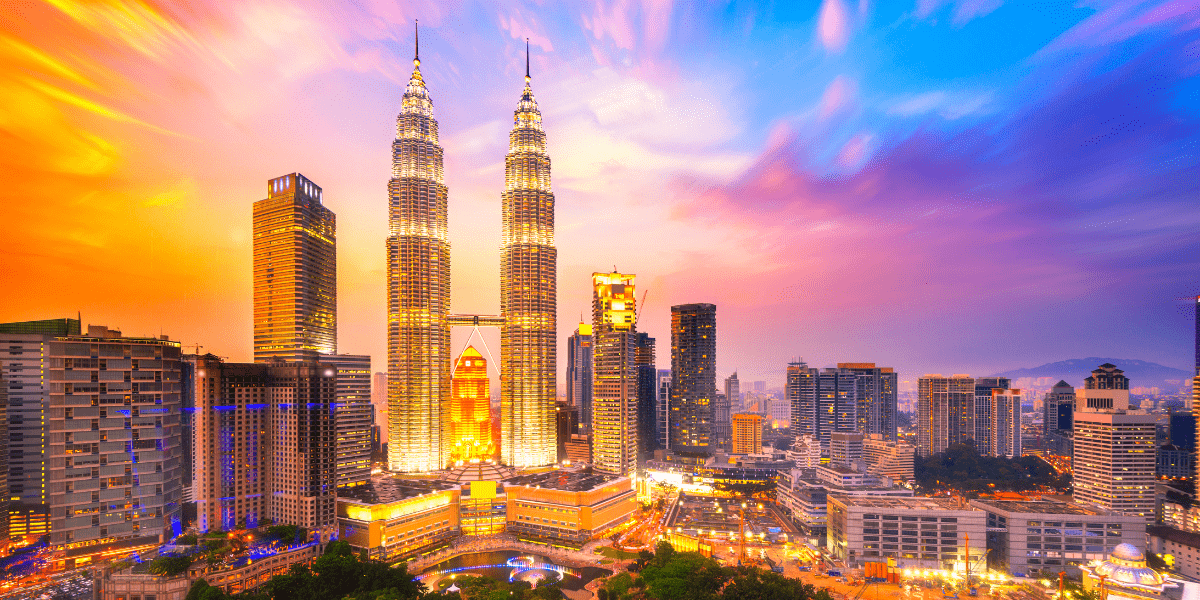
1. Malaysia
Malaysia has some of the strictest laws in the world when it comes to possession of illegal substances. Under the Dangerous Drugs Act of 1952, the possession of cannabis is a serious offense. Possessing more than 200 grams of cannabis can lead to a mandatory death sentence, while possession of smaller amounts can result in severe penalties, including long-term imprisonment and heavy fines.
For amounts under 50 grams, offenders can face up to five years in prison, a fine, or both. Foreign visitors caught with cannabis will not receive leniency due to their nationality; they will be prosecuted under the same strict anti-drug laws as Malaysian citizens.
The consequences of being caught with cannabis in Malaysia extend beyond lengthy prison sentences and hefty fines. Foreign nationals convicted of drug possession can expect immediate deportation after serving their sentence, and they may be permanently banned from re-entering Malaysia.
Malaysian authorities often publicize drug-related arrests, leading to significant personal and reputational damage. Foreign visitors must understand and adhere to Malaysia’s drug laws, as the country maintains a zero-tolerance policy towards drug offenses.

2. China
China has stringent drug possession laws, and being caught with cannabis can lead to severe consequences. Under Chinese law, cannabis is classified as a controlled substance, and possession of even small amounts can result in significant legal repercussions.
Foreign visitors found in possession of cannabis can face detention, hefty fines, and potential deportation. The penalties depend on the quantity of cannabis involved and whether the individual is suspected of trafficking. For minor possession, the law can impose administrative detention of up to 15 days and fines. Larger quantities can lead to criminal charges, resulting in long-term imprisonment.
The consequences for drug-related offenses in China are severe, reflecting the country’s zero-tolerance policy towards drugs. For possession of more significant amounts, the penalties escalate drastically. Those found with more than 50 grams of cannabis can face imprisonment ranging from three to seven years, while possession of amounts over this threshold can result in sentences exceeding seven years and potentially even life imprisonment in the most severe cases.
Foreign visitors caught with cannabis will also face immediate deportation after serving their sentence and may be banned from re-entering China.

3. Vietnam
Vietnam has extremely stringent personal possession laws, and being caught with cannabis can lead to maximum penalties. Under Vietnamese law, cannabis is classified as an illegal narcotic, and the possession, sale, or distribution of even small amounts can result in significant legal consequences.
Foreign visitors found with cannabis can face harsh penalties, including imprisonment, hefty fines, and deportation. For possession of smaller quantities, the law can impose a prison sentence ranging from six months to three years. However, the penalties become much more severe with larger amounts, potentially leading to decades-long sentences.
The consequences of drug offenses in Vietnam extend beyond just imprisonment. For possession of significant quantities, the penalties can escalate to life imprisonment or even the death penalty, especially if the individual is found to be involved in trafficking or distribution. Vietnam’s legal system does not differentiate between foreign visitors and citizens regarding drug offenses, meaning foreign nationals will face the same harsh penalties.
Additionally, those convicted of drug offenses are often deported after serving their sentence and may be permanently banned from re-entering Vietnam. It is crucial for foreign visitors to be aware of and comply with Vietnam’s strict drug laws to avoid these severe consequences.

4. Iran
Iran has some of the harshest drug possession laws in the world, particularly concerning cannabis. Under Iranian law, cannabis is classified as a narcotic, and its possession, sale, or distribution is strictly prohibited. Foreign visitors found in possession of cannabis can face severe legal repercussions.
For small quantities, the penalties can include imprisonment, corporal punishment (flogging), and hefty fines. Even minor possession can lead to a prison sentence of up to three years, along with substantial fines. The Iranian legal system is known for its strict enforcement of drug laws, and foreigners are not exempt.
The consequences become even more severe for possession of larger quantities or involvement in the distribution of cannabis. Those found with significant amounts can face long-term imprisonment, and in cases involving trafficking, the death penalty can be imposed.
Iran’s zero-tolerance policy towards drug offenses means that foreign nationals will be prosecuted to the full extent of the law. Additionally, convicted individuals are often deported after serving their sentence and are likely to face a permanent ban from re-entering Iran.

5. Thailand
Thailand has undergone significant changes in its drug possession laws in recent years, particularly regarding cannabis. As of June 2022, Thailand has decriminalized the possession and use of cannabis for medical and industrial purposes, making it the first country in Southeast Asia to do so. However, this does not mean that cannabis is legal for recreational use.
Foreign visitors should be aware that while possessing cannabis for personal, non-medical use is no longer a criminal offense, it is still heavily regulated. Possession of cannabis without proper authorization or for recreational purposes can result in fines and imprisonment. Specifically, unauthorized possession of cannabis in quantities exceeding 10 kilograms can lead to severe penalties, including up to 15 years in prison and substantial fines.
Foreign visitors must obtain a prescription from a licensed Thai medical practitioner to legally possess and use cannabis for medical purposes. Unauthorized sale or distribution of cannabis remains a serious offense, with penalties that can include lengthy prison sentences and heavy fines. Additionally, public consumption of cannabis is prohibited, and violations can lead to fines or imprisonment.

6. Dubai
Dubai, part of the United Arab Emirates (UAE), has extremely stringent drug possession laws, including for cannabis. The UAE operates under a zero-tolerance policy regarding drug offenses, and even the smallest amounts of cannabis can lead to severe legal consequences.
Foreign visitors caught with cannabis, regardless of the quantity, can face severe penalties. This can include a minimum prison sentence of four years, even for trace amounts found in blood or urine tests. That’s right, you don’t have to be in possession of drugs in Dubai to face charges. Possession of larger quantities can lead to longer prison sentences, substantial fines, and deportation after serving the sentence.
The UAE’s legal system is strict and uncompromising when it comes to drug offenses. Being caught with cannabis can result in immediate arrest, and the legal process can be swift and unforgiving. Foreign nationals are not exempt from these laws and can expect the same harsh treatment as locals.
Dubai also enforces strict controls at its borders, and visitors should be aware that bringing cannabis or any products containing traces of cannabis into the country can lead to immediate detention and prosecution.

7. Saudi Arabia
Saudi Arabia has some of the most stringent drug possession laws in the world, including for cannabis. Foreign visitors found in possession of cannabis can face harsh penalties, including long-term imprisonment, heavy fines, and deportation. Even small amounts of cannabis can lead to imprisonment for up to several years. For more significant quantities, the penalties can include a minimum of ten years in prison, along with substantial fines.
The consequences for drug-related offenses in Saudi Arabia can escalate to even more severe punishments depending on the quantity and intent. Those found guilty of trafficking or distributing cannabis can face the death penalty, which is strictly enforced in the country.
Foreign nationals are subject to the same laws and penalties as Saudi citizens, meaning there is no leniency for tourists or expatriates. Additionally, individuals convicted of drug offenses are typically deported after serving their sentence and may face a permanent ban from re-entering Saudi Arabia.
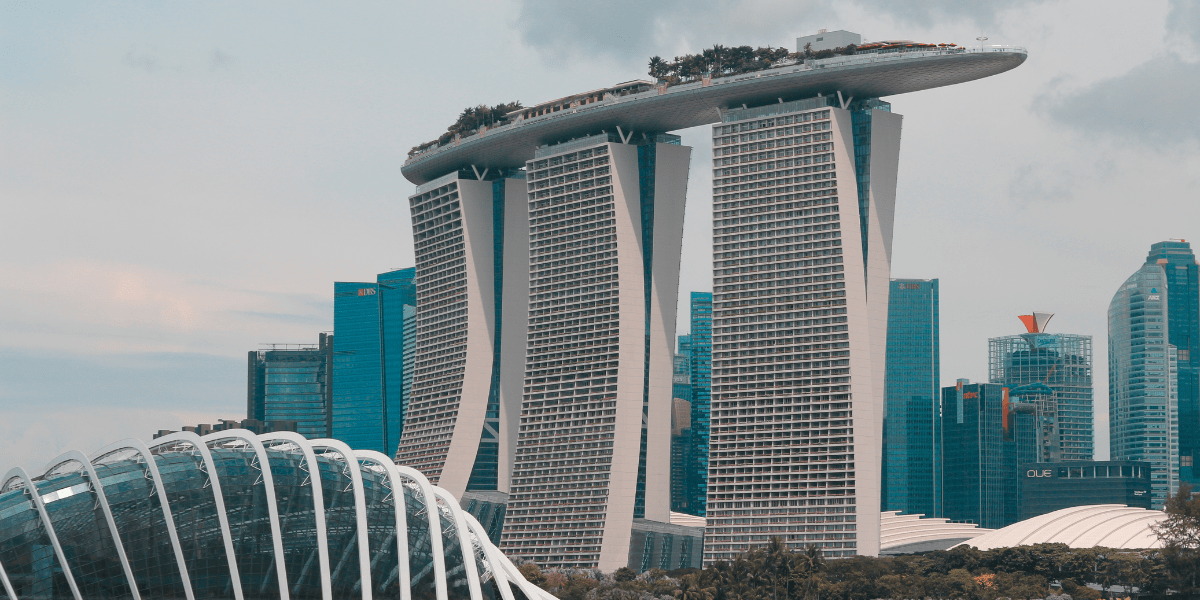
8. Singapore
Singapore has some of the most stringent drug possession laws globally, including for cannabis. Under the Misuse of Drugs Act, possession, consumption, trafficking, and manufacturing of cannabis are serious offenses. Foreign visitors found with even small amounts of cannabis can face severe penalties. Possession or consumption can result in imprisonment of up to 10 years, a fine of up to 20,000 Singapore dollars, or both. The law is strictly enforced, and individuals can be subject to random drug tests. If traces of cannabis are found in a person’s system, it is considered consumption, leading to similar penalties as possession.
The penalties for drug trafficking in Singapore are even more severe. Possessing more than 500 grams of cannabis can lead to a mandatory death penalty, reflecting the country’s zero-tolerance approach to drug-related offenses.
Foreign nationals are treated the same as locals under these laws, with no leniency for tourists or expatriates. Singapore has rigorous customs checks, and bringing cannabis into the country, even in minimal amounts, can lead to immediate arrest and prosecution.
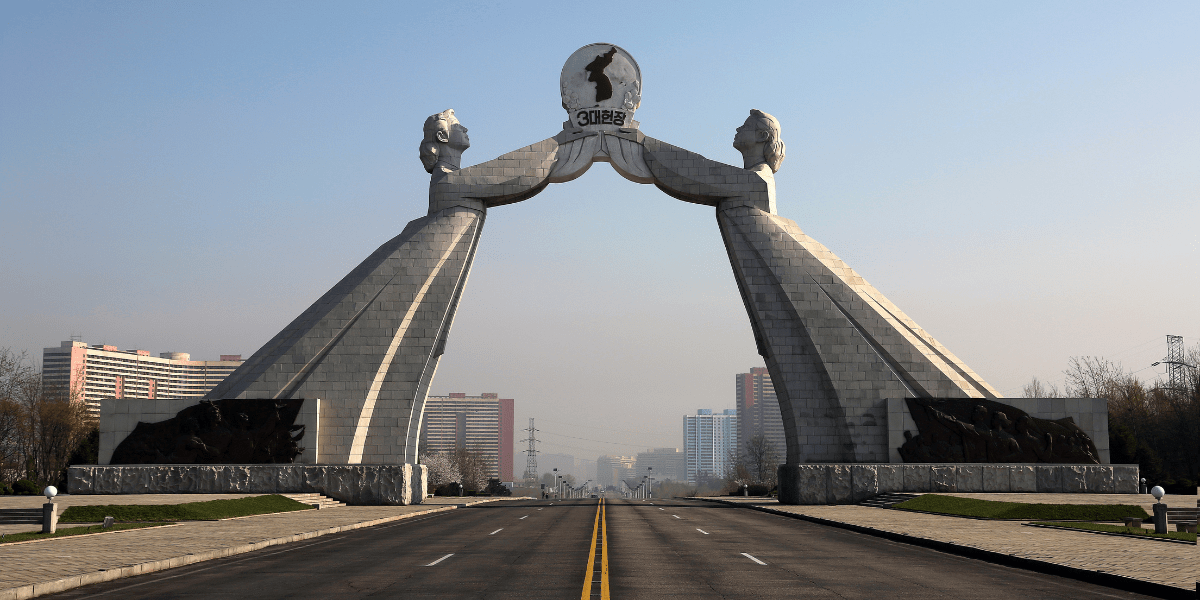
9. North Korea
North Korea has extremely stringent drug possession laws, and being caught with cannabis can lead to severe penalties. Although the country’s drug laws are not as transparent or well-documented as in other nations, it is known that North Korea maintains a strict prohibition on drug use, including cannabis. Foreign visitors found in possession of cannabis can face harsh legal consequences, which may include long-term imprisonment, forced labor, and significant fines. The exact length of the prison sentence can vary, but even minor offenses can lead to several years of incarceration under harsh conditions.
The consequences of drug offenses in North Korea are severe and often lack the legal transparency found in other countries. The regime’s zero-tolerance policy means that foreign nationals are subject to the same harsh treatment as North Korean citizens.
In addition to imprisonment, those convicted of drug offenses may be subjected to forced labor camps, where conditions are notoriously brutal. Prisons in North Korea are nothing like being incarcerated in the United States, with few to no human rights provisions for those serving time.

10. Laos
Laos has strict drug possession laws, and being caught with cannabis can result in severe penalties. Under Lao law, cannabis is classified as a controlled substance, and possession, use, or trafficking of the drug is illegal. Foreign visitors found in possession of cannabis can face harsh legal consequences.
Even small amounts of cannabis can lead to significant fines and imprisonment. Possession of minor quantities can result in prison sentences ranging from one to five years, along with hefty fines. The Lao legal system is strict, and drug laws are rigorously enforced.
For larger quantities or involvement in the distribution of cannabis, the penalties become even more severe. Those found guilty of trafficking or possessing significant amounts can face long-term imprisonment, with sentences that can exceed ten years and even life imprisonment for illegal drug possession.
The Lao government is known for its zero-tolerance policy towards drug offenses, and foreign nationals are treated the same as locals under these laws. Like most countries, those convicted of drug offenses are likely to be deported after serving jail time and may face a permanent ban from re-entering Laos.
What About Traveling With CBD?
Many people take a daily CBD supplement, such as a capsule, tincture, or edible, to promote wellness. But did you know that some countries have also banned cannabidiol (CBD), even if the product contains 0.30% THC or less, as is required by American law?
The following countries have banned CBD in any form, and from a legal perspective, they treat possession of cannabidiol the same as possession of marijuana:
- Saudi Arabia
- United Arab Emirates (UAE)
- Singapore
- China
- North Korea
- Egypt
Before you pack your bags for an international business trip or vacation, remember to check your pockets twice. Do not bring any supplement or substance that is prohibited (including CBD) into foreign countries.
If you regularly use medical cannabis, talk to your healthcare provider about alternative medications that can be used to help with symptoms while you are outside of the United States.
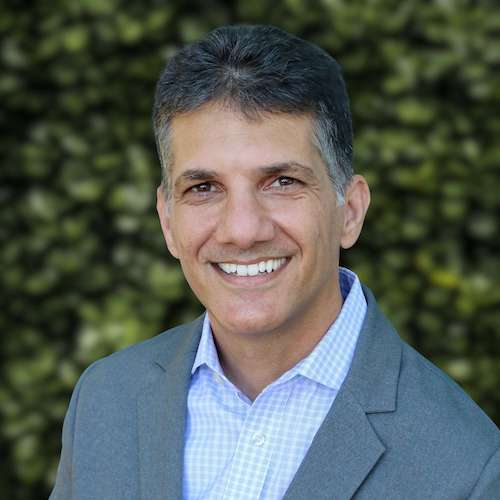
Aaron Bloom, an experienced healthcare attorney, serves as the CEO of DocMJ and Medwell Health and Wellness Centers, where he has overseen the organizations’ mission and growth since 2016. In addition to his leadership roles, Aaron serves on the Board of Directors for Waterfall Bank, bringing his expertise in healthcare, compliance, and strategic growth to the financial services sector.
Aaron’s passion for improving patients’ lives stems from more than 20 years of owning, operating, and representing traditional healthcare organizations. Throughout his career, he has remained committed to finding better ways to relieve suffering and expand access to innovative, patient-centered care. As CEO, Aaron works each day to help patients achieve better health and wellness through the therapeutic benefits of medical cannabis and other evidence-based alternative medicines.