

The conversation around marijuana has come a long way in the last few decades. Once stigmatized and mostly illegal, medical cannabis is now a prominent topic in medical research, legal reform, and cultural exploration. This article breaks down the main differences between medical and recreational marijuana, what they’re used for, where they stand legally, and the nuances between them.
Medical and Recreational Marijuana: Key Differences
Purpose and Usage
Medical marijuana is used to treat specific medical conditions as a medicine, not a recreational activity. It’s used for a wide range of conditions, including chronic pain, epilepsy, and anxiety disorders. Patients use it under the guidance of doctors to achieve specific therapeutic results.
On the other hand, recreational cannabis is used for its psychoactive effects to feel euphoria, relaxation, or creativity. This recreational use can be less structured, so dosage and effects can vary and may be risky for new users.
Legal Status
Legally, recreational and medical cannabis are worlds apart. Medical marijuana is legal in many states with a doctor’s recommendation. In contrast, recreational marijuana is illegal in many states, with penalties for buying, using, or possessing without a medical marijuana card. However, these days, more and more states are legalizing it, allowing adults 21+ to use it.
Recreational marijuana laws vary significantly from state to state. In some places, adults can possess small amounts for personal use; in other states, the laws are stricter. The growing acceptance of recreational marijuana, though, is a sign of changing public opinion and evolving laws.
Consumption Methods
The consumption methods between medical cannabis and recreational marijuana are also different. Medical marijuana is consumed in a controlled way—tinctures, capsules, edibles with clear milligram dosages—so you know what you’re getting.
Recreational use has no such regulation, so the potency and experience vary widely.
Accessibility
Getting medical cannabis involves a systematic process. First, you must have a qualifying medical condition—such as cancer, glaucoma, or multiple sclerosis—verified by a doctor. You need a medical marijuana card, which is a legal permit to buy and use.
To get this medical marijuana card, patients must see a certified doctor who will review their medical history and current symptoms and provide a recommendation. After the recommendation is in hand, the next step is to register with the state. This usually requires submitting medical paperwork and a fee. The medical marijuana card is the legal permission to buy cannabis products from a licensed medical marijuana dispensary.
Buying Medical Marijuana
With a medical marijuana card, patients can purchase medical marijuana products from licensed dispensaries. These places are required to follow strict regulations so the products are safe and consistent. At the point of sale, patients must show their medical marijuana card, which not only verifies their eligibility but also keeps track of usage.
Medical marijuana products are clearly labeled with ingredients, cannabinoid concentrations (THC and CBD), and dosages. This is important so patients can make informed decisions about their medical marijuana treatment.
CBD Products and Medical Cannabis
The main difference between medical and recreational is the Cannabidiol (CBD) and Tetrahydrocannabinol (THC) content, the active ingredients in marijuana. Recreational marijuana has more THC than medicinal CBD; THC is what makes users high. While THC is medicinally beneficial, its psychoactive nature isn’t ideal for those who want to use marijuana only for health benefits.
If you’re looking for medical cannabis, you don’t need to consume cannabis with high THC. Both medical and recreational have THC and CBD, but you’ll get more medical benefits from a product with higher CBD ratio. If you’re looking for therapeutic benefits, you should get CBD from cannabis dispensaries where marijuana products are tested for potency and purity so the quality is higher.
Conclusion
In summary, medical and recreational marijuana have significantly different purposes, laws, and consumption habits. Medical marijuana is a resource for patients to get relief from specific health issues and requires a valid medical marijuana card to access. Recreational marijuana is legal in some states but illegal in many and is used for pleasure, not for therapeutic benefits. Knowing the difference is key to navigating the cannabis landscape, whether for health or recreation.
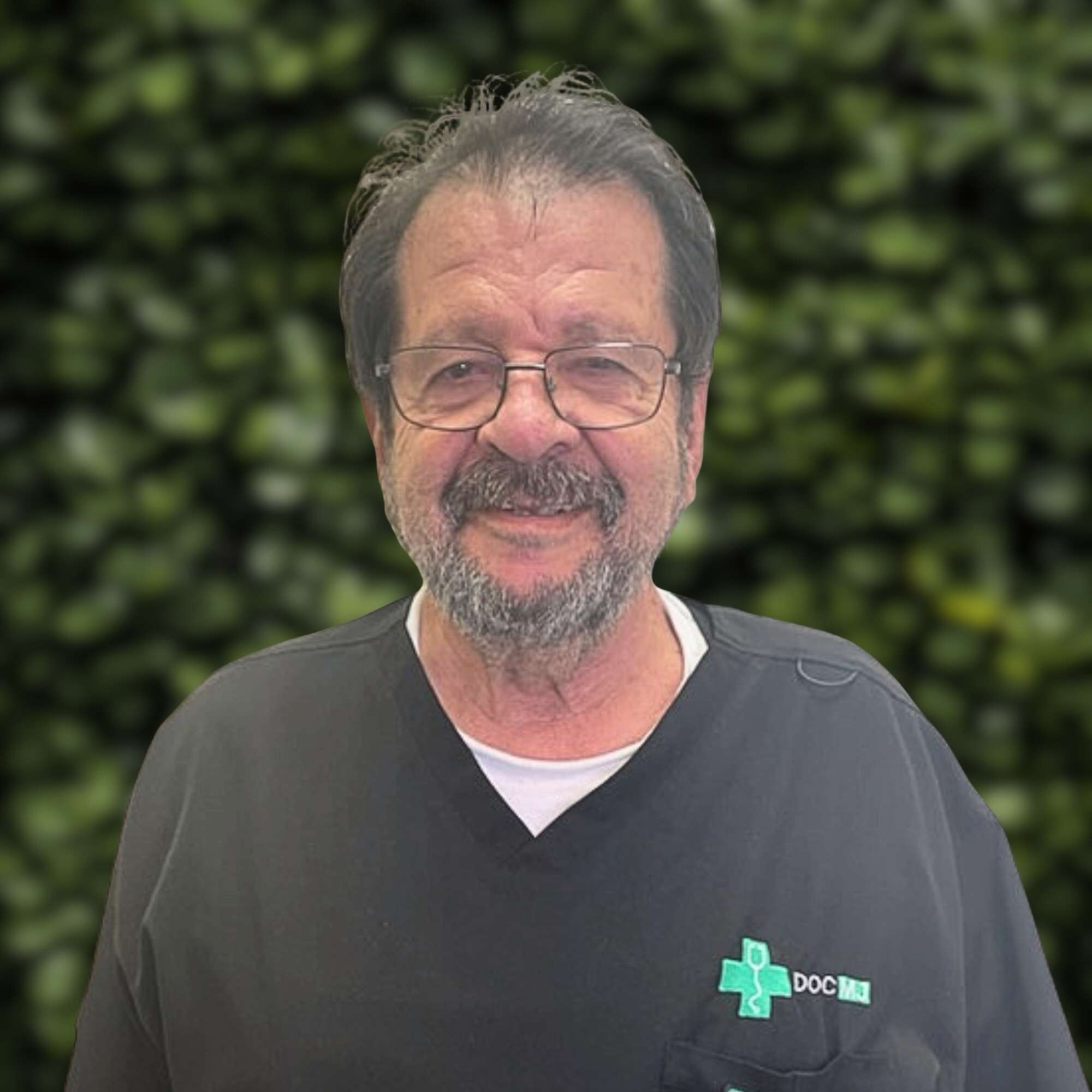
Dr. Rothman is a diplomate of the American Board of Obstetrics and Gynecology. He has received multiple special awards and recognitions, including Physician of the Year, from the Pinellas County Medical Association (2014 – 2015) and the President’s Service Award from the Pinellas County Medical Society.
He attended medical school at State University of New York Upstate Medical Center in Syracuse, New York, where he also completed his Obstetrics and Gynecology residency. In addition to practicing medicine, Dr. Rothman’s professional career includes being an Assistant Professor at the University of South Florida and Clinical Instructor at the University of Tampa’s College of Nursing.
Dr. Rothman received his Florida Medical Marijuana Physicians Certification in 2016 and was one of the first recommending physicians through DocMJ in the state and is loved by many of those early patients today.