
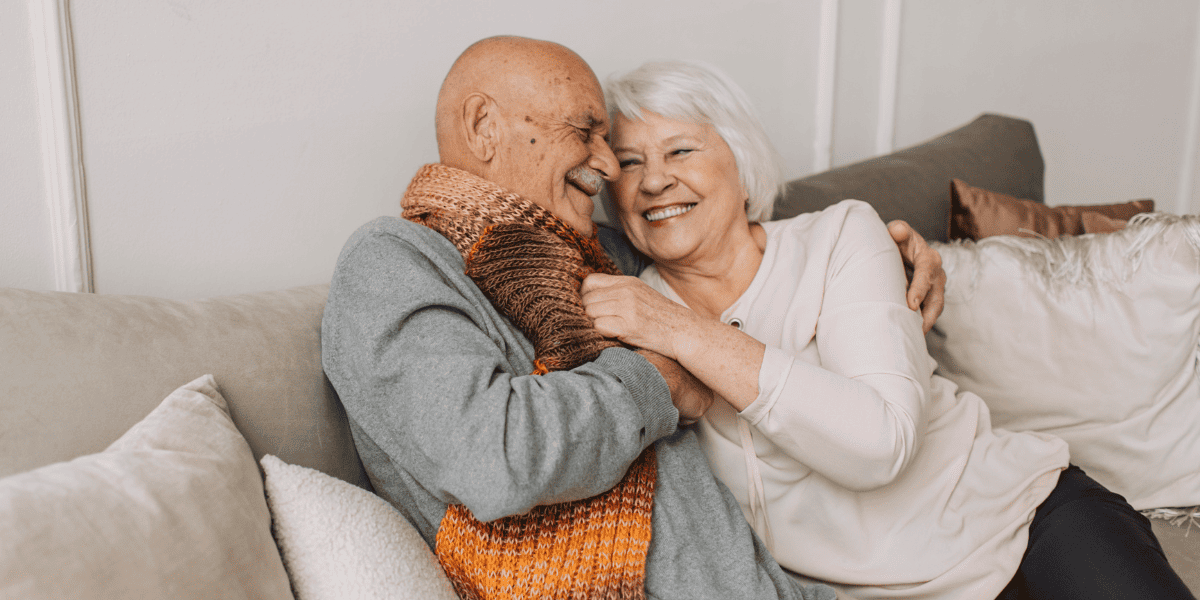
Thoughtful, provider-guided medical cannabis programs can help many older adults reduce chronic pain, sleep better, improve quality of life, and, in some cases, lower use of other medications.
Real-world studies in patients over 50 report clinically meaningful gains for older adults prescribed medical cannabis with few serious adverse events when therapy is supervised and primarily uses oral CBD products.
A careful “start low, go slow” protocol, staff training, and safeguards for falls, cognition, and taking multiple medications are essential.
Why this matters
Older adults’ perspectives are vital, as they are the fastest-growing group of medical marijuana patients.
A national Healthy Aging Poll from the University of Michigan found that 21% of adults age 50+ reported cannabis use in the past year, most often for relaxation, sleep, and pain relief. Many of these individuals discuss use with clinicians, but not all do.
Facilities will increasingly see residents using or asking about cannabis products and need evidence-based policies that prioritize healthy aging and quality of life.
What the clinical evidence shows
Prospective data in patients 50+:
The Medical Cannabis in Older Patients Study (MCOPS) followed 299 patients, with an average age of 66.7. Nearly 90% used cannabis for medical purposes, particularly for health conditions like pain.
Most preferred oral, CBD-dominant, and low-THC products over inhalation. Over the course of six months, patients reported significant improvements in pain, sleep, and overall quality of life.
Forty-five percent achieved clinically meaningful gains in pain interference and sleep scores; almost half of the patients had reduced co-medication interactions. No serious adverse events occurred.
The incremental cost per QALY was approximately $25,357, which is favorable by typical pharmaceutical standards.
Large real-world cohort across conditions:
In a case series of 3,148 adults (mean age 56), treatment with medical cannabis was associated with sustained improvements across all SF-36 quality-of-life domains.
Adverse events were common but rarely serious, underscoring the need for dosing protocols and monitoring rather than a reason to avoid treatment altogether.
Geriatric protocols and early outcomes:
A pragmatic protocol in patients 65+ emphasized slow titration, CBD-forward formulations, and close follow-up.
At six months, 84.8% reported some improvement. The most common adverse effects were dizziness and sleepiness, which are manageable with conservative dosing and fall-prevention strategies.
The authors recommend avoiding treatment in cases of severe blood vessel disease and exercising extra caution when using multiple medications.
Population considerations and safety signals:
A study showed that aging brains and bodies react differently. Legalization has not been linked to a clear increase in psychosis-related diagnoses in commercial and Medicare Advantage claims, but screening for cannabis use disorder and cognition is still prudent. Edibles can be deceptively potent and have a slow onset, so education is crucial.
How cannabis affects seniors in practice
Based on clinical studies and geriatric protocols, here are practical, patient-centered use cases your teams will understand and can operationalize. These examples also help address a growing clinical question: can cannabis support healthy aging and longevity? While more research is needed, evidence-based applications are already emerging in routine geriatric care.
1. Chronic musculoskeletal pain and arthritis
What residents feel: Research shows fewer pain flares, easier morning mobility, better tolerance for PT and activities.
How it works: CBD and low-dose THC modulate nociception and inflammation via the endocannabinoid system.
How to use: Start with oral CBD (e.g., 10–20 mg in the evening), then add very low THC at night if needed (e.g., 1–2.5 mg), increasing slowly while watching for dizziness or confusion.
2. Sleep disturbance tied to pain or mental health concerns like anxiety
What residents feel: Another study shows less time to fall asleep, fewer awakenings, improved sleep, and improved next-day function when dosing is conservative.
How it works: Low-dose THC can shorten sleep latency; CBD may reduce arousal and nighttime pain.
How to use: Favor oral CBD at dinner and, if needed, add 1–2 mg THC 1–2 hours before bed. Avoid middle-of-the-night redosing.
3. Medication interactions and reduction
What residents feel: Studies have demonstrated fewer side effects from sedatives or some analgesics, simplified regimens.
What evidence suggests: In MCOPS, nearly half of those taking prescription drugs reduced their use by six months under clinician guidance.
4. Quality of life
What residents feel: Evidence-based research has proven better mood, social participation, and energy when pain and sleep improve.
Evidence: Multiple cohorts demonstrate clinically meaningful gains in health-related quality of life with supervised therapy.
Plain-English example: A 78-year-old with knee pain and poor sleep starts CBD 20 mg nightly. After a week with mild benefit, the clinician adds 1 mg THC at bedtime. Over 3–4 weeks, she reaches CBD 25–30 mg and THC 2 mg nightly. She reports fewer than 3 a.m. wake-ups, walks longer with her friend group, and uses fewer PRN NSAIDs. Staff note steadier gait because pain flares are controlled.
Designing a safe program for Seniors
1. Clinical governance
- Adopt a written protocol with medical oversight, resident consent, and clear documentation to ensure a standardized approach.
- Use screening tools for fall risk, cognitive function, substance use risk, and cardiovascular history. Build healthcare reconciliation for CYP interactions.
2. Product selection
- Prefer oral formulations with known cannabinoid content and CBD-forward profiles.
- Avoid or restrict inhaled products in communal settings due to respiratory risk and exposure concerns.
3. Dosing framework
- “Start low, go slow, stay low.” Begin with CBD, add very low THC only if needed, and titrate no more than every 3–7 days.
- Typical starting ranges: CBD 10–20 mg in the evening. Add THC 1–2 mg at night for sleep or 0.5–1 mg in the early evening for pain. Maintain the lowest effective dose.
4. Monitoring and safety
- Track pain, sleep, mood, function, and negative health effects. Watch for dizziness, sedation, or confusion, especially during the first two weeks or with dose changes.
- Enforce a strict no-driving policy after THC dosing. Build fall-prevention steps into nighttime rounds. Provide staff guidance to prevent accidental redosing due to the delayed onset of edibles.
5. Medication stewardship
- Coordinate with the resident’s prescribers. If outcomes improve, consider careful deprescribing of duplicative analgesics or sedatives under physician supervision. Document changes and outcomes
6. Education for residents, families, and staff
- Explain onset times, duration, and why oral CBD-forward products are preferred.
- Teach label reading, safe storage, and what to do if someone feels “too high.”
- Reinforce that more is not better. Small THC doses can be effective in seniors.
Addressing common concerns
Serious adverse events: In the MCOPS cohort, no serious adverse events were reported over a six-month period. In a 3,148-patient series, only two serious events were recorded. Most adverse events were non-serious and manageable with dose adjustments.
Psychosis risk: At the population level, state medical or recreational cannabis policies were not linked to statistically significant increases in psychosis-related diagnoses in insured adults. Individual risk varies, so screen and monitor, especially in residents with prior psychosis.
Falls and dizziness: These can occur and are preventable with low starting doses, night-time initiation, and gait precautions during titration.
Cost-effectiveness: MCOPS suggests a favorable value compared to many traditional health products, particularly when taking multiple medications, and considering reductions.
What a program should look like
- Referral and consent: Residents with medical conditions, sleep disturbance, or palliative symptoms can be referred to a credentialed prescriber for evaluation and shared decision-making.
- Standard order sets: CBD-first, then optional low-dose THC, with default dose caps and a titration schedule.
- Staff workflow: MAR documentation, symptom trackers for pain and sleep, standing guidance for side effects, and a rapid contact path to the prescriber.
- Family engagement: One-page education on products, safe storage, and realistic goals.
- Quality dashboard: Monthly summary of pain scores, sleep metrics, falls, and any increased risks or safety risks related to non-medical purposes.
Bottom line for Seniors
When implemented with clinical oversight, CBD-forward oral regimens and careful titration can improve pain, sleep, and well-being for many older adults, while keeping health risks low and manageable. A well-designed program aligns with person-centered care, supports safer deprescribing, and responds to resident demand in a controlled and compliant manner.
Partner with DocMJ for Safer, Smarter Cannabis Care
Ready to explore how medical cannabis can support healthy aging for you or a loved one? DocMJ’s experienced physicians provide personalized guidance, evidence-based dosing, and ongoing support tailored to older adults. Schedule your risk-free evaluation today and take the first step toward safer, more effective symptom relief.
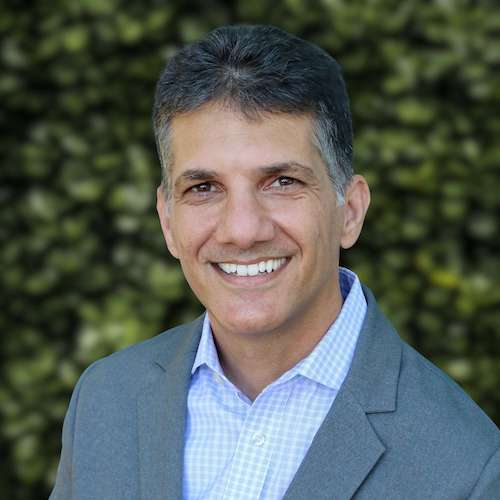
Aaron Bloom, an experienced healthcare attorney, serves as the CEO of DocMJ and Medwell Health and Wellness Centers, where he has overseen the organizations’ mission and growth since 2016. In addition to his leadership roles, Aaron serves on the Board of Directors for Waterfall Bank, bringing his expertise in healthcare, compliance, and strategic growth to the financial services sector.
Aaron’s passion for improving patients’ lives stems from more than 20 years of owning, operating, and representing traditional healthcare organizations. Throughout his career, he has remained committed to finding better ways to relieve suffering and expand access to innovative, patient-centered care. As CEO, Aaron works each day to help patients achieve better health and wellness through the therapeutic benefits of medical cannabis and other evidence-based alternative medicines.