
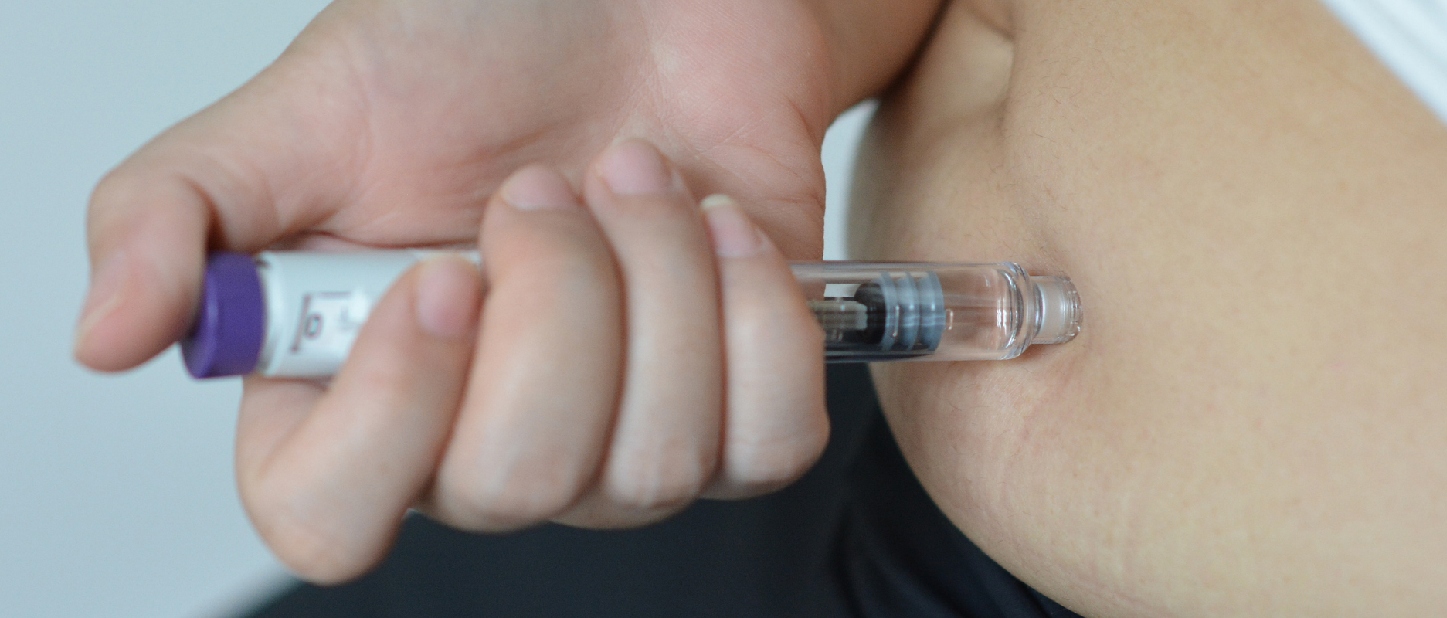
If you use medical marijuana and recently started a GLP-1 medication, your usual edible routine may not feel as predictable as it once did. You might wait longer for effects, feel them arrive suddenly, or notice that your appetite responds in a different way.
A medical marijuana clinic can help you better understand these changes in the context of your treatment plan. This does not always mean the edible is stronger or weaker. Often, it means your digestion, fullness cues, and cannabis timing are no longer working on the same schedule.
What GLP-1 Medications Change First: Digestion, Fullness, and Timing
GLP-1 medications affect more than just appetite. They also slow how quickly the stomach empties food into the small intestine. This delayed movement is one reason you may feel full sooner, stay full longer, or lose interest in larger meals.
That same digestive change matters when you take an edible. Edibles do not act the moment you swallow them. They need time to break down, move through digestion, and reach the point where THC can enter your bloodstream.
When that process slows, your usual timing can shift. An edible that once felt predictable may now feel late, uneven, or confusing. You may think nothing is happening, even though your body is still processing it.
This is the first major change to understand. GLP-1 medications can alter the timing and effects of your edibles. They can also change how you experience hunger, fullness, comfort, and nausea. A dose that once fit neatly into your evening routine may now coincide with feelings of fullness, slower digestion, or a smaller meal than usual.
That does not mean your body is reacting incorrectly. It means the conditions around the edible have changed. If you’re among the many patients wondering why your THC or CBD isn’t working, the first step is not changing the cannabis dose; it is noticing that the digestive timeline has changed first.
Why Edibles Are More Affected Than Smoking or Vaping
Cannabis edibles are more affected because they depend on digestion. Smoking and vaping send cannabinoids through the lungs, so effects usually appear faster. Edibles must pass through the stomach and digestive tract first.
After absorption, THC also moves through the liver. This step changes how the edible feels compared with inhaled cannabis. That is why edible effects can last longer and feel more body-centered for some patients.
When GLP-1 medications like semaglutide or Ozempic slow stomach emptying, they can delay the first part of that process. The edible may remain in the stomach longer before absorption begins, which can create interactions that matter for symptom control and weight-loss goals.
Key differences include:
- Inhaled cannabis reaches the bloodstream through the lungs.
- Edibles rely on digestion before THC absorption.
- GLP-1 medications can slow the digestive step.
- A delayed edible can still become active later.
This is why edibles often feel less predictable than smoking or vaping while you are on a GLP-1 medication. The route of use matters because each route enters the body through a different system.
If you inhale cannabis, you may notice effects quickly enough to adjust your expectations in real time. With edibles, you do not get that same fast feedback. You may be waiting while digestion is still moving slowly, which makes the experience harder to read.
This is especially important if you use cannabis for symptom relief. Pain, sleep trouble, anxiety, or nausea may push you to expect relief on a familiar schedule. On a GLP-1 medication, that schedule may need to be watched more carefully.
The Main Reason Edibles Can Feel Unpredictable on GLP-1s
The main reason is timing variability. Your edible may not be stronger in a direct way, but it may reach your system later than expected. That delay can make the experience feel unfamiliar.
A familiar dose can behave differently when your stomach is moving more slowly. During a medical marijuana and GLP-1 weight loss journey, meal size, medication timing, hydration, nausea, and your recent eating pattern can all affect how the edible moves through your body.
This is why one edible may feel delayed one day and more typical another day. The product may be the same, but your digestive conditions may not be.
For medical marijuana patients, this can be frustrating. When timing becomes inconsistent, symptom control can feel less reliable.
The safest interpretation is simple: your edible may need more time before you judge its full effect. This matters because many patients judge edibles by memory. You remember how long a product usually took, how it usually felt, and when it usually peaked.
GLP 1 treatment can interrupt that pattern. A smaller dinner, slower stomach movement, or stronger fullness signal can all change the way the same edible shows up. The dose may be familiar, but the body receiving it is working under different conditions.
That is why unpredictability should not be dismissed. It gives you useful information. It tells you to watch timing, food intake, and symptom response before deciding whether the dose itself is the problem.
Why Redosing Too Soon Can Backfire
Redosing too soon is one of the easiest ways to feel overwhelmed. If your edible has not taken effect within your usual window, it can be tempting to take more. On a GLP-1 medication, that assumption can work against you.
The first dose may still be moving through your digestive system. Because GLP-1 drugs are receptor agonists that can slow digestion, they may also affect edible absorption and make an edible’s interaction harder to predict. If you take a second dose too soon, both doses may become active close together. That can create a stronger experience than you planned.
This can lead to anxiety, dizziness, heavy sedation, nausea, or a racing feeling that is difficult to settle. Even experienced cannabis patients can misjudge timing when digestion changes, whether they use THC products alone or combine THC with CBD.
Before redosing, pay attention to:
- How long edibles usually took before GLP-1 treatment.
- Whether your current onset time has become longer.
- Whether you recently ate a heavy or fatty meal.
- Whether nausea or fullness is already present.
Patience matters because a delayed edible can still arrive with full force. This is where many uncomfortable edible experiences begin. The patient is not careless. They are using an old timing rule in a body that now processes food and oral products differently.
A more careful approach is to treat the delayed onset as meaningful. If effects have not appeared yet, that does not prove the dose failed. It may only mean the edible has not reached the stage where THC absorption is active.
This is also why large dose jumps can be risky. If you raise the amount too quickly, you may mistake a timing issue for a strength issue. A slower adjustment pattern gives you more control and reduces the chance of feeling overwhelmed.
Why Munchies May Feel Different, Weaker, Stronger, or Stranger
Cannabis and GLP-1 medications can send different appetite signals. Cannabis may increase interest in food, taste, and snacking. GLP-1 medications may make your stomach feel full sooner and reduce the desire to keep eating.
That combination can feel strange. Your mind may want food, but your stomach may feel finished. You may crave a snack, take a few bites, and suddenly feel uncomfortable.
This does not mean your body is confused. It means appetite is controlled by several signals at once. Cannabis can affect reward and food interest, while GLP-1 medications affect fullness, digestion, and satiety.
Nausea can also change the experience. If you eat past comfort because cannabis makes food sound appealing, you may feel worse than expected. This can be more noticeable when taking semaglutide, since these medications may slow gastric movement and affect gastric emptying.
The important cue is physical comfort. Hunger, craving, fullness, and nausea are different signals. Learning to separate them can help you avoid overeating and discomfort.
For example, you may notice that food still sounds enjoyable, but your stomach does not want much volume. That is different from true hunger. It may help to choose smaller portions, eat slowly, and stop at the first clear sign of fullness.
This matters for weight management because cannabis-related snacking can still happen, but the experience may be less predictable. Some patients feel fewer munchies. Others feel cravings but cannot eat much. Others may eat too quickly and feel nausea soon after. The practical skill is learning which signal is strongest before you respond.
What Patients Should Pay Attention To Before Changing Their Routine
Before changing your edible dose, look for patterns. A different experience does not automatically mean you need more THC. It may mean you need better timing, a lower dose, or a different product format.
Track what happens in real use. Notice when you take your GLP-1 medication, when you eat, when you take your edible, and when the effects begin. These details can show whether the problem is dose, timing, or digestion.
Change one factor at a time. If you raise the dose, change the product, and alter meal timing all at once, you will not know what caused the result.
Helpful details to monitor include:
- Edible dose and product type.
- Time since your last meal.
- Time since your GLP-1 dose.
- Onset time and peak effect.
- Nausea, fullness, anxiety, or sedation.
This gives you a clearer basis for safer decisions. It also helps you describe the issue accurately if you speak with a clinician or MMJ physician.
The most useful notes are simple and consistent. You do not need a complicated journal. You need enough information to see whether the edible is delayed, too intense, too mild, or tied to certain meals or medication days.
Pay close attention during dose increases of your GLP-1 medication. Side effects such as nausea, early fullness, constipation, or reduced appetite may become more noticeable during adjustment periods. Those same periods may also make edible timing feel less reliable. When your digestive system feels unsettled, cannabis effects may be harder to predict.
When to Talk With a Clinician or MMJ Physician
You should talk with a clinician or MMJ physician if edible effects become hard to control or physically uncomfortable. Occasional timing changes may occur, but recurring problems warrant medical guidance.
Severe nausea, vomiting, abdominal pain, extreme sedation, frequent overconsumption, or worsening anxiety should not be ignored. These symptoms may involve cannabis, the GLP-1 medication, another condition, or the way they interact with your eating pattern.
A clinician can help you judge whether your current routine still fits your health status. This is especially important if you use medical marijuana for chronic symptoms and need consistent relief.
Your MMJ physician may also discuss other cannabis routes that do not depend as heavily on digestion. The goal is not to scare you away from edibles. The goal is to help you use them with better timing, safer dosing, and clearer expectations as your body adjusts to GLP-1 therapy.
You should also seek guidance if you have diabetes, a history of gastroparesis, frequent vomiting, or trouble keeping food and fluids down. These situations can make digestive changes more medically important. They can also affect how safely you use oral cannabis products.
Be direct when you talk with your provider. Tell them what cannabis product you use, how much you take, when you take it, and what changed after starting GLP 1 treatment. Clear details help them give safer advice and reduce guesswork.
Learn More About Medical Marijuana With DocMJ
At DocMJ, we help patients understand how medical marijuana fits into their overall health and wellness plans, including changes that may occur while taking medications such as GLP-1 treatments. Our medical staff provides evaluations, education, and personalized guidance so we can help you make informed decisions about your cannabis use. Schedule a consultation today!
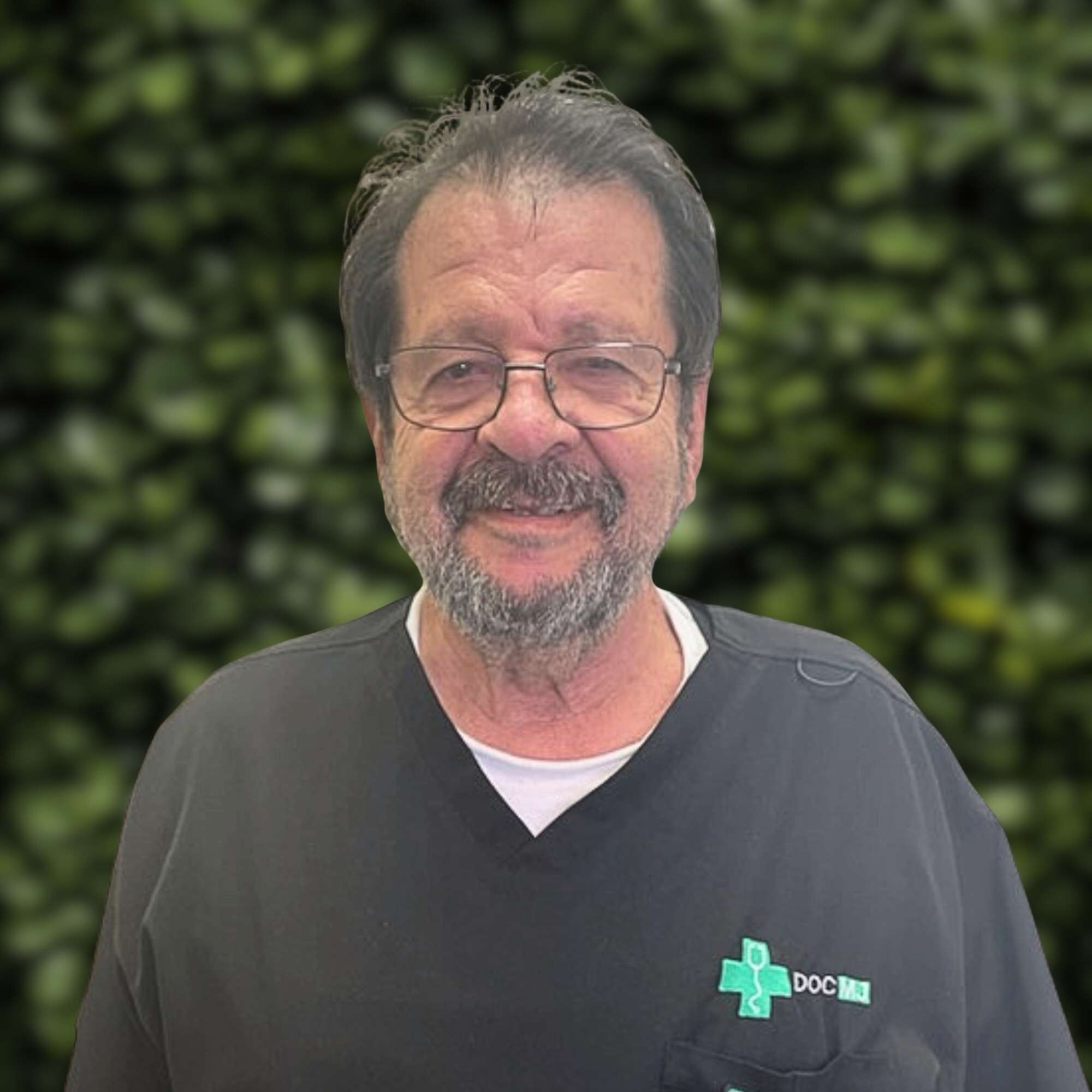
Dr. Rothman is a diplomate of the American Board of Obstetrics and Gynecology. He has received multiple special awards and recognitions, including Physician of the Year, from the Pinellas County Medical Association (2014 – 2015) and the President’s Service Award from the Pinellas County Medical Society.
He attended medical school at State University of New York Upstate Medical Center in Syracuse, New York, where he also completed his Obstetrics and Gynecology residency. In addition to practicing medicine, Dr. Rothman’s professional career includes being an Assistant Professor at the University of South Florida and Clinical Instructor at the University of Tampa’s College of Nursing.
Dr. Rothman received his Florida Medical Marijuana Physicians Certification in 2016 and was one of the first recommending physicians through DocMJ in the state and is loved by many of those early patients today.