
Medical cannabis can feel confusing, especially for patients who are new to it or have only heard simple advice like “sativa for daytime” and “indica for nighttime.”
As a physician and experienced medical cannabis doctor, Dr. Louis Frosch aims to help patients move beyond common misconceptions and better understand how cannabis interacts with the body and mind.
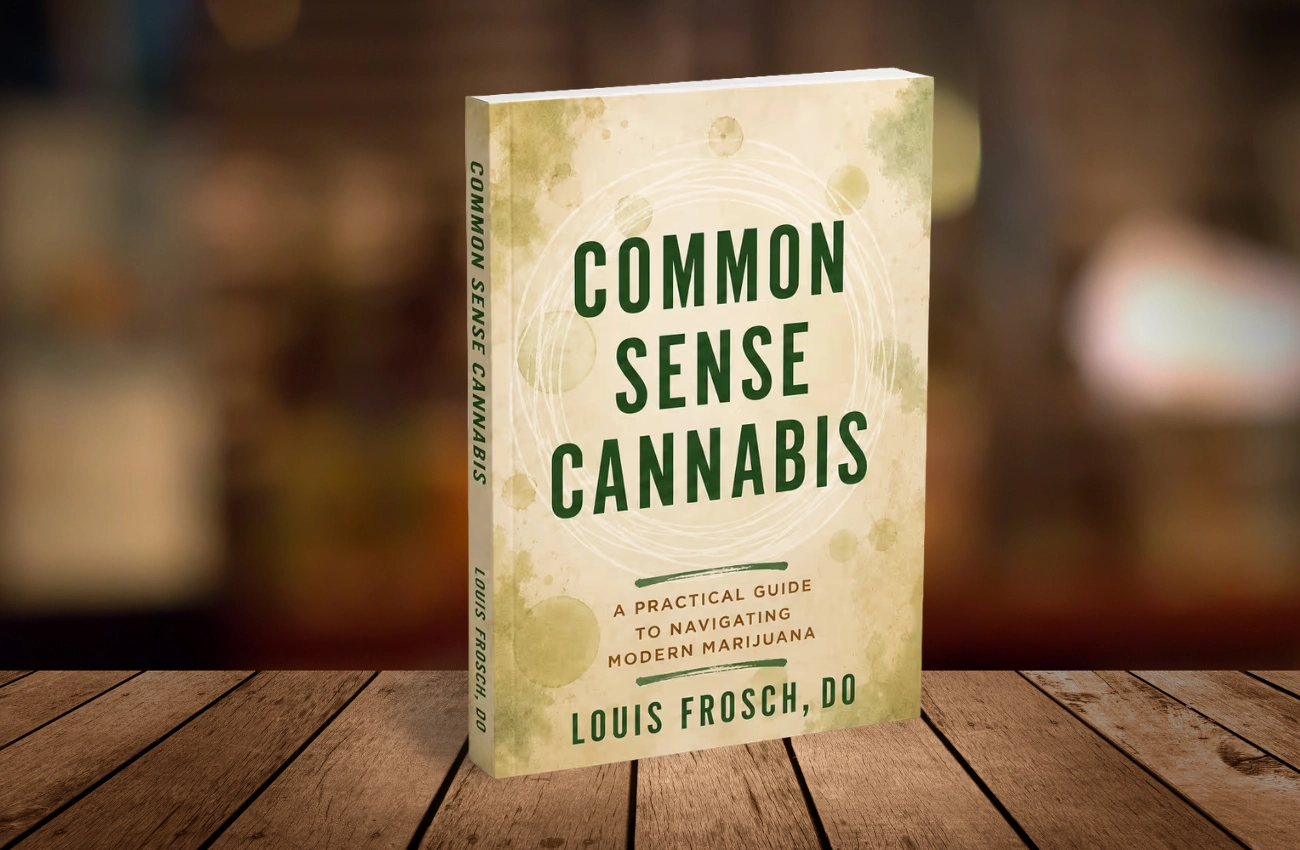
His new book, Common Sense Cannabis: A Practical Guide to Navigating Modern Marijuana, offers patients a more thoughtful way to understand how cannabis works, why effects can vary, and how to approach use with more intention.
Why does this book matter for medical cannabis patients?
This book matters because many patients need more than basic strain labels to make informed choices.
Medical cannabis is often discussed in quick categories, but real patient experiences are more complicated. The same product can affect two people differently. A dose that feels helpful for one person may feel too strong, too weak, or simply wrong for another.
Dr. Frosch approaches cannabis as a tool that patients can learn to understand more carefully. Instead of treating cannabis use as guesswork, the book encourages patients to pay attention to the body, the brain, timing, tolerance, and product details.
For patients, that kind of education can make the difference between feeling overwhelmed and feeling more prepared to ask better questions.
What does Dr. Frosch challenge about indica and sativa?
Dr. Frosch challenges the idea that indica and sativa labels are enough to predict how cannabis will affect someone.
Many patients have heard that indica is for sleep and sativa is for energy. That rule is easy to remember, but it can be too simple. In fact, understanding the differences between indica, sativa, and hybrid products requires looking beyond labels alone. It does not explain why a product that helps one person relax may make another person feel alert, anxious, or uncomfortable.
The book points patients toward a more complete way of thinking. Instead of relying only on broad labels, patients can begin looking at how cannabis interacts with the nervous system, how effects shift over time, and how different products may create different body-focused or brain-focused experiences.
That does not mean labels are useless. It means they should not be the only thing patients rely on.
How does the book help patients think about dosing?
The book helps patients think about dosing by showing that amount, timing, and awareness all matter.
For many patients, the question is not only, “What product should I use?” It is also, “How much should I use, when should I use it, and what effect am I actually trying to achieve?”
That matters because cannabis is not always predictable when used casually. A patient may take too much too soon, mix products without understanding the effect, or assume that stronger always means better. In practice, a more intentional approach may help patients better understand their own responses.
Dr. Frosch’s message is useful because it gives patients permission to slow down. Cannabis use does not have to be a guessing game. Patients can learn to observe patterns, track effects, and adjust with more care.
Why does tolerance matter in medical cannabis use?
Tolerance matters because the way the body adapts to cannabis can change how well it works over time.
Some patients notice that a product that once helped no longer feels as effective. Others may find themselves using more to get the same result. Without understanding tolerance, that change can feel frustrating or confusing.
The book, Common Sense and Cannabis, frames tolerance as something patients can learn from, not just something to fight against. When patients understand that the body responds and adapts, they can think more clearly about why effects change and why intentional use matters.
This is especially important for medical cannabis patients who are using cannabis for ongoing symptoms. Long-term use requires more than finding a product once. It requires paying attention to how the body responds over time.
What should patients take away from Common Sense Cannabis?
Patients should take away that cannabis works best when it is approached with education, intention, and self-awareness.
Common Sense Cannabis is not just about replacing one cannabis rule with another. It is about helping patients move away from oversimplified advice and toward a better understanding of how cannabis may affect them personally.
For medical cannabis patients, that is an important shift. The goal is not to chase the strongest product or rely only on dispensary shorthand. The goal is to understand what the body needs, how different products may behave, and how to use cannabis more thoughtfully.
As medical cannabis access continues to grow, patient education becomes even more important. Dr. Frosch’s book adds to that conversation by giving patients a practical framework for asking better questions and making more informed decisions.
Learn More About Medical Cannabis With DocMJ
At DocMJ, we believe informed patients make more confident decisions about their care. Our physicians help qualifying patients understand medical cannabis, navigate the certification process, and explore treatment options that fit their individual needs. As the conversation around cannabis continues to evolve, we’re committed to providing education and guidance every step of the way. Schedule your consultation today!
Make Us Your Preferred Source
Enjoyed this blog? Use this link to make us your preferred source for the latest insights, tips, and updates. https://www.google.com/preferences/source?q=https://docmj.com/
When you choose us as a preferred source, you’re letting Google know you’d like to see more of our content when it’s relevant to your searches. It helps us stay connected with you and makes it easier for you to find helpful information from our team whenever you need it.
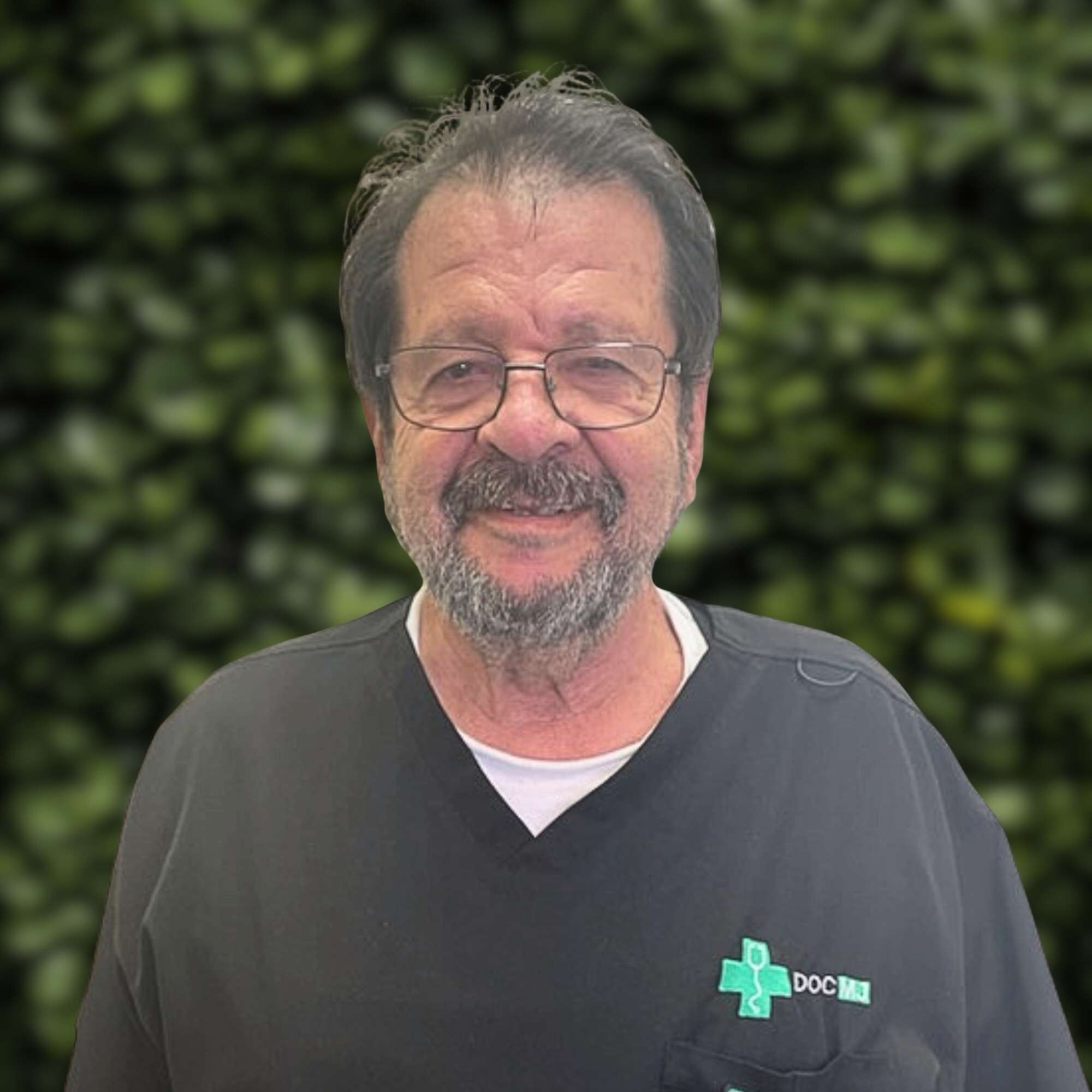
Dr. Rothman is a diplomate of the American Board of Obstetrics and Gynecology. He has received multiple special awards and recognitions, including Physician of the Year, from the Pinellas County Medical Association (2014 – 2015) and the President’s Service Award from the Pinellas County Medical Society.
He attended medical school at State University of New York Upstate Medical Center in Syracuse, New York, where he also completed his Obstetrics and Gynecology residency. In addition to practicing medicine, Dr. Rothman’s professional career includes being an Assistant Professor at the University of South Florida and Clinical Instructor at the University of Tampa’s College of Nursing.
Dr. Rothman received his Florida Medical Marijuana Physicians Certification in 2016 and was one of the first recommending physicians through DocMJ in the state and is loved by many of those early patients today.