

Fourth of July fireworks can be difficult for some veterans with PTSD because loud explosions, flashes of light, smoke, crowds, and unexpected noises may act as trauma reminders. The VA National Center for PTSD explains that fireworks can cause distress for people who served in combat or experienced explosions, gunfire, fire, or gun violence.
Many veterans also have questions about medical cannabis, especially when PTSD symptoms affect sleep, anxiety, chronic pain, or the ability to feel calm during stressful events. Medical cannabis is not a proven cure for PTSD, and it should not replace therapy, prescribed medication, VA care, or emergency mental health support.
Why Fourth of July Fireworks Can Be Difficult for Veterans With PTSD
For many people, the Fourth of July means cookouts, family gatherings, parades, and fireworks. For some veterans with PTSD, the same holiday can bring anxiety, disrupted sleep, irritability, flashbacks, or a feeling of being on high alert.
The difficulty is not just the sound. Fireworks can combine several sensory triggers at once:
- Sudden explosions
- Bright flashes
- Smoke or burning smells
- Crowds
- Loud music
- Unpredictable timing
- A feeling that the environment is no longer controlled
The VA notes that fireworks may cue memories of combat, explosions, gunfire, fires, or other traumatic events. Even when a veteran knows they are safe, the body can still react as if danger is present. Possible reactions include feeling jumpy, feeling emotionally numb, being easily startled, having flashbacks, or feeling blindsided by the noise.
That is why planning matters. A veteran should not have to choose between suffering through the holiday or isolating completely. A practical plan can help reduce avoidable distress and make the day more manageable.
Fireworks and PTSD: A Preparation Checklist for Veterans
A Fourth of July plan does not need to be complicated. The goal is to reduce surprises, prepare support, and give yourself permission to step away from situations that feel overwhelming.
Before July 4th
Check local fireworks schedules, so you know when major displays are expected. Planned fireworks are often easier to manage than sudden or unexpected noise.
Talk with someone you trust before the holiday. This may be a spouse, friend, family member, therapist, VA provider, or support person. Let them know what usually helps and what does not.
Create a quieter space at home. Choose a room away from windows if possible. Consider headphones, earplugs, a fan, calming music, dim lighting, or another grounding activity.
Limit alcohol. Alcohol may make sleep, mood, and emotional regulation harder for some people. The VA includes limiting alcohol among the self-care steps veterans may consider before expected fireworks.
Practice grounding tools before you need them. Breathing exercises, mindfulness, journaling, or a PTSD support app may be easier to use during stress if you have practiced ahead of time.
During fireworks
Remind yourself where you are, what year it is, and that the sound is part of a celebration, not a current threat.
Use grounding techniques. Tools such as box breathing, mindfulness, and focusing on present-moment sensory cues when fireworks are unexpected or distressing.
Step away when needed. Leaving a party, going indoors, sitting in your vehicle, or moving to a quieter space is not failure. It is a reasonable response to a difficult trigger.
Have a support contact ready. Save the number of a trusted person, therapist, crisis line, or local emergency resource before the evening begins.
For family members and friends
Ask the veteran what support helps. Do not guess.
Avoid surprise fireworks, firecrackers, or loud noises.
Let guests know ahead of time if fireworks will be part of a gathering.
Create a quiet space where someone can step away without being questioned.
Use calm, present-focused support. The VA recommends asking what the person needs, offering supportive words, helping them reconnect with the present environment, and offering to do a breathing or mindfulness activity if that is helpful.
Can Medical Cannabis Help Veterans With PTSD?
Many veterans ask whether medical cannabis can help with PTSD symptoms. The responsible answer is: some patients report symptom relief, but cannabis is not a proven cure or first-line treatment for PTSD.
Veterans may ask about medical cannabis because they are dealing with symptoms such as:
- Trouble sleeping
- Anxiety
- Hyperarousal
- Nightmares
- Chronic pain
- Irritability
- Difficulty relaxing after stress
These concerns are real. They deserve to be taken seriously. But they also deserve careful medical guidance.
The VA National Center for PTSD states that some veterans use cannabis to relieve PTSD symptoms and that several states approve medical cannabis for PTSD. However, the same VA resource states that research to date does not support cannabis as an effective PTSD treatment and that some studies suggest cannabis can be harmful, especially with long-term use.
For veterans who are interested in medical cannabis, the next step should be a conversation with a qualified physician or approved medical provider. That conversation should include current symptoms, medical history, medications, mental health care, substance use history, job requirements, driving responsibilities, and state law.
What Cannabis Can and Cannot Do for PTSD
Medical cannabis may be part of a discussion about symptom management, but it should not be presented as a complete PTSD treatment plan.
Cannabis may be discussed for symptom support
A physician may ask about sleep, anxiety, pain, appetite, prior treatments, medication use, and daily functioning. In states where PTSD or related conditions may qualify, the physician can determine whether the patient meets the state’s requirements for medical cannabis certification.
Cannabis is not a PTSD cure
PTSD is complex. It can involve trauma reminders, avoidance, sleep disruption, irritability, hypervigilance, depression, anxiety, guilt, grief, chronic pain, relationship strain, and substance use concerns. Many veterans benefit from coordinated care that may include therapy, medication management, primary care, peer support, family support, and crisis resources when needed.
Cannabis can carry risks
Cannabis is not risk-free. The VA notes that cannabis use is associated with medical and psychiatric concerns, including impairment in memory, motor coordination, and complex tasks such as driving. It also notes that frequent or chronic cannabis use can lead to dependence and withdrawal.
For some people, products with higher THC levels may worsen anxiety, panic, paranoia, dissociation, sleep disruption, or avoidance. Veterans taking medications for PTSD, anxiety, depression, insomnia, pain, blood pressure, or other conditions should speak with a provider before using medical cannabis.
What the VA Says About Marijuana and Veterans
Many veterans worry that medical marijuana could affect their VA benefits. According to the VA, participation in state marijuana programs does not affect eligibility for VA care and services, and veterans will not be denied VA benefits because of marijuana use.
There are still important limits to understand.
VA providers may discuss marijuana use with veterans as part of comprehensive care planning, but VA clinicians may not recommend medical marijuana. They also may not complete state medical marijuana program paperwork for veterans.
VA pharmacies may not fill medical marijuana prescriptions, and VA will not pay for medical marijuana from any source. Marijuana use or possession is also prohibited at VA medical centers, VA locations, and VA grounds because federal law applies on VA property.
Veterans should also know that VA providers may record marijuana use in the veteran’s medical record for treatment planning. The VA states that this information is part of the confidential medical record and is protected under patient privacy and confidentiality laws.
Should Veterans Tell Their VA Provider About Cannabis Use?
Yes. Veterans should be honest with their VA provider and other health care professionals about cannabis use. That includes THC, CBD, edibles, inhaled products, tinctures, and products purchased outside a state medical program.
This is not about judgment. It is about safety.
Your provider needs to know what you are using so they can consider medication interactions, mental health symptoms, sleep patterns, substance use risks, and your overall care plan. This is especially important if you take medications for PTSD, depression, anxiety, insomnia, chronic pain, blood pressure, or other health conditions.
Does PTSD Qualify for a Medical Marijuana Card?
PTSD may qualify for medical marijuana in some states, but eligibility depends on state law and physician evaluation. Each state has its own qualifying conditions, documentation rules, application process, renewal requirements, and product limits.
That is why veterans should avoid relying on general internet advice alone. A legal medical cannabis pathway usually requires a state-specific process and evaluation by a qualified physician or approved medical provider.
What to Bring to a Medical Cannabis Evaluation
Veterans who are considering a medical marijuana evaluation should prepare for the visit the way they would prepare for any medical appointment. The physician needs enough information to understand your symptoms, medical history, and whether you may qualify under your state’s medical cannabis laws.
Helpful items may include:
- A PTSD diagnosis, if available
- VA medical records
- Mental health records
- Medication list
- Prior treatment history
- Records related to anxiety, depression, insomnia, chronic pain, or other qualifying conditions
- Notes about sleep, nightmares, panic symptoms, pain, or daily functioning
- Questions about product types, dosing, side effects, and safety
- Questions about work, driving, drug testing, or legal concerns
Not every patient has perfect records in hand. If you are unsure what documentation you need, ask before your appointment. Many patients hesitate because they are worried about cost, records, availability, or whether they can demonstrate a qualifying condition.
Questions Veterans Should Ask Before Trying Medical Cannabis
Veterans deserve clear answers before making a decision about medical cannabis. Bring direct questions to your evaluation, including:
- Does my condition qualify under my state’s medical marijuana program?
- What documentation do I need?
- Could cannabis interact with my current medications?
- Could THC worsen anxiety, panic, paranoia, or sleep problems?
- Are there product types I should avoid?
- How could cannabis affect driving or work responsibilities?
- What should I know about edibles and delayed onset?
- Should I discuss this with my VA provider?
- What signs would mean cannabis is not a good fit for me?
- How often will I need to renew my certification?
If a provider cannot answer these questions clearly, keep asking. Veterans should not have to make medical cannabis decisions based on vague promises or one-size-fits-all advice.
Medical Cannabis, PTSD, and Mental Health Counseling
PTSD care should not stop at a medical marijuana card. Veterans may benefit from support that includes mental health counseling, VA care, primary care, peer support, family support, and symptom-specific coping tools.
Medical cannabis may be one part of that conversation. It should not be the only one.
July 4th Safety Resources for Veterans and Families
If fireworks are difficult for you, prepare before the noise starts.
Here is a simple Fourth of July PTSD support plan:
- Know the schedule. Look up local fireworks times and ask neighbors or event hosts if fireworks are planned.
- Choose your environment. Attend only the events that feel manageable. Leave early if needed.
- Create a quiet space. Use headphones, music, a fan, dim lighting, or another calming setup.
- Limit alcohol. Alcohol can worsen sleep, mood, and emotional regulation for some people.
- Use grounding tools. Try breathing exercises, mindfulness, journaling, or a PTSD support app.
- Tell someone your plan. Let a trusted person know how to support you.
- Have crisis resources ready. Save the Veterans Crisis Line number before you need it.
- Follow your treatment plan. Keep therapy appointments, medications, and support systems in place.
- Do not make medication or cannabis changes on your own. Speak with a qualified provider first.
- Leave if you need to. Removing yourself from a triggering environment is a valid choice.
If you are in immediate danger, feel like you may harm yourself, or are worried about a veteran in crisis, call 988 and press 1, chat online, or text 838255 to reach the Veterans Crisis Line. Support is available 24/7.
Frequently Asked Questions
Can fireworks trigger PTSD symptoms in veterans?
Yes. Fireworks may act as trauma reminders for veterans who experienced combat, explosions, gunfire, fire, or other traumatic events. Loud sounds, bright flashes, smoke, crowds, and unexpected explosions can contribute to distress.
Can medical cannabis treat PTSD?
Medical cannabis should not be described as a proven PTSD treatment. Some veterans report using cannabis for symptoms such as sleep problems, anxiety, pain, or hyperarousal, but the VA National Center for PTSD states that current research does not support cannabis as an effective PTSD treatment.
Will I lose VA benefits if I use medical marijuana?
According to the VA, veterans will not be denied VA benefits because of marijuana use, and participation in state marijuana programs does not affect eligibility for VA care and services.
Can a VA doctor recommend medical marijuana?
No. VA clinicians may discuss marijuana use with veterans as part of care planning, but they may not recommend medical marijuana or complete state medical marijuana program paperwork.
Will the VA pay for medical marijuana?
No. VA pharmacies may not fill medical marijuana prescriptions, and VA will not pay for medical marijuana from any source.
Can I bring medical marijuana to a VA facility?
No. Marijuana use or possession is prohibited at VA medical centers, VA locations, and VA grounds because federal law applies on VA property.
Should I tell my VA provider if I use cannabis?
Yes. Veterans are encouraged to discuss marijuana use with VA providers so it can be considered as part of treatment planning.
Does PTSD qualify for a medical marijuana card?
It depends on your state. Some states include PTSD as a qualifying condition for medical cannabis, while others have different rules. A qualified physician can help determine whether you may qualify under your state’s medical marijuana program.
What if fireworks trigger a panic response?
Move to a quieter place, remind yourself that you are safe in the present moment, use grounding techniques, and contact a trusted support person. If you are in crisis or worried about your safety, call 988 and press 1, chat online, or text 838255 to reach the Veterans Crisis Line.
How can family members support a veteran with PTSD on July 4th?
Ask what helps, avoid surprise fireworks, share fireworks timing in advance, create a quiet space, and offer calm support if the veteran becomes distressed. The VA recommends asking the person what they need and helping them reconnect with the present environment.
How DocMJ Supports Veterans Exploring Medical Cannabis
DocMJ provides physician-led medical marijuana evaluations for patients seeking legal access to medical cannabis where permitted by state law. The process helps patients understand whether they may qualify, what documentation may be needed, and what steps are required by their state program.
For veterans living with PTSD, anxiety, depression, insomnia, chronic pain, or other qualifying conditions, the right first step is not guesswork. It is a conversation with a qualified provider who can review your medical history and explain your legal options.
If you are a veteran considering medical cannabis, schedule an evaluation with DocMJ to learn whether you may qualify under your state’s medical marijuana program.
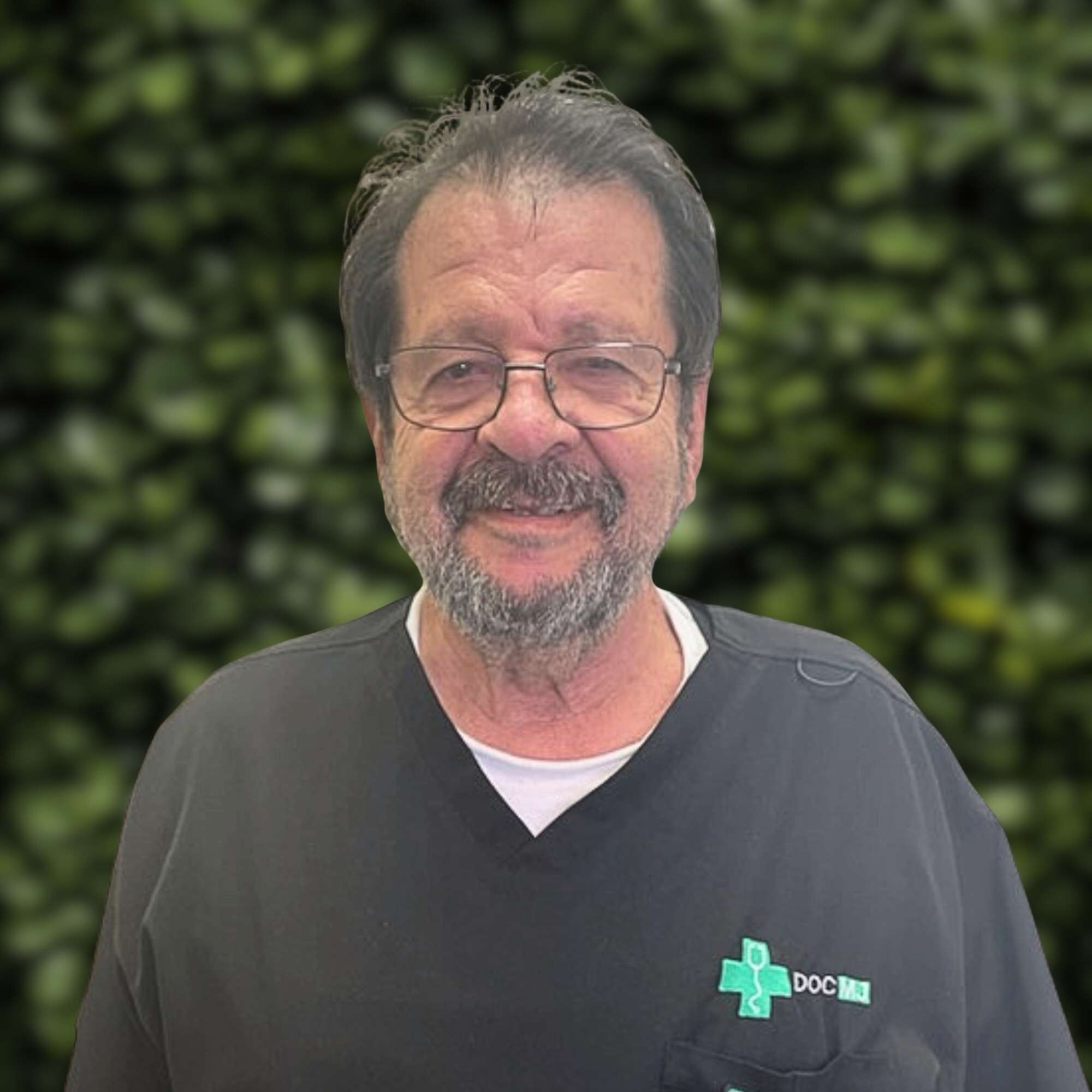
Dr. Rothman is a diplomate of the American Board of Obstetrics and Gynecology. He has received multiple special awards and recognitions, including Physician of the Year, from the Pinellas County Medical Association (2014 – 2015) and the President’s Service Award from the Pinellas County Medical Society.
He attended medical school at State University of New York Upstate Medical Center in Syracuse, New York, where he also completed his Obstetrics and Gynecology residency. In addition to practicing medicine, Dr. Rothman’s professional career includes being an Assistant Professor at the University of South Florida and Clinical Instructor at the University of Tampa’s College of Nursing.
Dr. Rothman received his Florida Medical Marijuana Physicians Certification in 2016 and was one of the first recommending physicians through DocMJ in the state and is loved by many of those early patients today.