Why West Virginia Patients Need Clear Guidance

West Virginia patients must complete both a medical and an administrative process. A physician first determines whether certification is medically appropriate. The patient must then apply separately through the West Virginia Office of Medical Cannabis before the state can issue an identification card.

Patients often want to know whether they need medical records, how the process could affect their job, when they may purchase medical cannabis, and what happens if the physician does not certify them.

Patient rights also depend on compliance with the state program. A valid card provides specific protections, but it does not authorize every form of cannabis use, protect workplace impairment, or allow products to be transported across state lines. Understanding those boundaries helps patients avoid decisions based on incomplete information.

What West Virginia State Rules and Patient Rights Guidance Includes

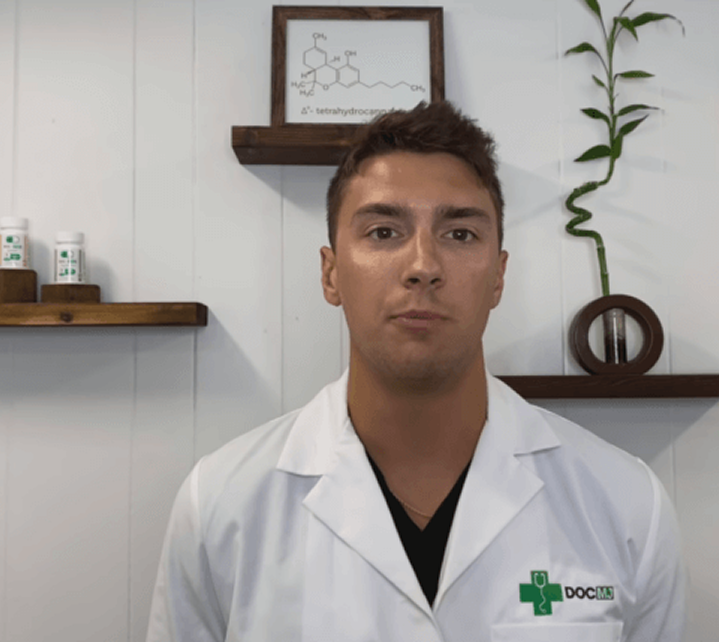
DocMJ provides physician-led medical cannabis evaluations for West Virginia adults who want to learn whether they may qualify for certification. The appointment is a healthcare consultation, not an automated application or guaranteed approval service.

During the evaluation, the physician may review:

  • Your diagnosed condition and current symptoms
  • Previous and ongoing treatment
  • Current medications
  • Relevant medical records
  • Potential benefits, risks, and constraints

The physician uses this information to make an independent medical decision. When certification is appropriate, the patient can proceed with the separate state registration process.

DocMJ also explains the general steps that follow the physician’s decision. This helps patients understand what DocMJ completes, what they must submit, and what the Office of Medical Cannabis controls.

The evaluation does not replace:

  • The state application or card-issuance process
  • Advice from an attorney about employment or legal matters
  • An employer’s workplace policies
  • A dispensary consultation
  • The physician’s independent medical judgment

Completing an appointment does not guarantee certification. Physician certification also does not guarantee that the state will approve an application.

Map

Why Choose DocMJ for West Virginia State Rules & Patient Rights Guidance

DocMJ treats medical cannabis certification as a healthcare decision. The physician reviews the patient’s individual medical circumstances before deciding whether certification is appropriate. Payment, appointment completion, or the presence of a diagnosis does not predetermine that decision.

Patients also receive a clear explanation of what happens after the evaluation. DocMJ distinguishes the physician’s certification from the patient’s state application, which can prevent confusion about whether the process is complete and when lawful dispensary access may begin.

Founded in 2016, DocMJ reports more than one million patient visits across the states it serves. That experience supports an established process for patients who may be uncertain about medical records, eligibility, or the steps that follow an appointment.

DocMJ providers possess the medical credentials required for their roles. West Virginia patients are connected with physicians authorized to evaluate them under the state program, so the appointment remains grounded in current medical and regulatory requirements.

Cost should not pressure a patient or physician toward a particular outcome. DocMJ offers payment-plan options and a 100% money-back guarantee when a patient does not qualify, subject to the applicable terms. These options reduce the financial concern of scheduling while preserving independent medical judgment.

Real Care. Real Relief. means receiving professional care, understandable answers, and an honest decision based on your health circumstances.

How the West Virginia Medical Cannabis Evaluation Process Works

1. Prepare Your Medical Information

Gather information about your diagnosis, current symptoms, medications, previous treatment, and available medical records. Relevant documentation helps the physician understand your condition and may reduce delays caused by missing clinical information.
The exact records needed can vary. Follow the preparation instructions provided with your appointment and submit requested information before the visit when possible.

2. Meet With a Registered Physician

During the appointment, the physician discusses your condition and reviews your medical history. You can explain how your symptoms affect you, describe treatments you have tried, and ask questions about the certification process.

The visit produces a documented clinical evaluation. Its length depends on your medical circumstances and whether the physician needs additional information.

3. Receive the Physician’s Decision

The physician determines whether medical cannabis certification is appropriate under West Virginia requirements. The physician may issue certification, request more information, or decide that certification is not medically appropriate.

A request for additional records is not necessarily a denial. It means the physician needs more clinical information before reaching a supported decision.

4. Receive Certification When Appropriate

When the physician determines that you meet the medical requirements, the certification is submitted as required by the West Virginia program. It may include limitations related to the form or duration of medical cannabis use.

Certification documents the physician’s decision. It is not the state-issued identification card and does not by itself authorize a dispensary purchase.

5. Complete the State Application

After receiving certification, you must submit a separate patient application to the West Virginia Office of Medical Cannabis. The state reviews the application, required documents, physician certification, and applicable payment or waiver information.

The Office of Medical Cannabis, not DocMJ, controls application review and card issuance. Monitor your email and state account for status updates or requests for corrections.

6. Maintain Active Patient Status

Continued participation requires an active physician certification, a valid state identification card, and compliance with West Virginia’s medical cannabis rules.

Patients must also complete required renewal steps. Track the expiration information connected to both your certification and state registration so you can act before either one lapses.

What West Virginia Patient Protections Do Not Cover

West Virginia law provides specific protections to registered patients and caregivers who follow the Medical Cannabis Act. Those protections do not create unrestricted permission to possess, use, transport, or share cannabis.

Employment protection is also limited. An employer generally may not make an employment decision solely because a person is a certified patient. However, employers may still prohibit medical cannabis on workplace property, address impairment during work, enforce performance standards, and apply safety-sensitive or federally required policies.

Registered patient status does not authorize:

  • Smoking or combusting medical cannabis
  • Growing cannabis without separate state authorization
  • Sharing, selling, or transferring products to another person
  • Driving or operating heavy machinery while impaired
  • Taking West Virginia medical cannabis into another state
  • Possessing more than the amount allowed by the program
  • Purchasing products from an unauthorized source
  • Using medical cannabis in every workplace, school, or controlled setting

Patients and caregivers should carry their identification card while possessing medical cannabis. Unused products should remain in the original packaging supplied by the dispensary and should be stored securely away from children and unauthorized individuals.

Health insurers are not required to cover medical cannabis. A West Virginia patient card also does not create general protection under federal law or guarantee recognition in another state.

Questions involving a specific employer, professional license, housing matter, federal requirement, or legal dispute should be discussed with an appropriately qualified attorney.

Patient Testimonials and Verified Proof

West Virginia patients have described their DocMJ appointments as professional, compassionate, and informative.

“It was great Dr. Batts is very professional”

Douglas Deaton
DocMJ patient review displayed on the West Virginia service page

“Kind compassionate care! Dr Batts is knowledgeable and informative.”

William Liddle
DocMJ patient review displayed on the West Virginia service page

These reviews describe individual patient experiences. They do not promise certification, state approval, symptom improvement, or a particular legal outcome.

Frequently Asked Questions About West Virginia Patient Rules

Is West Virginia medical cannabis patient information public?
Patient and caregiver information maintained by the Office of Medical Cannabis is generally confidential and is not ordinarily available through public-record requests. Information may still be accessed or disclosed when permitted or required by law.

The public availability of information about registered physicians does not make individual patient records public.

Can a West Virginia patient designate more than one caregiver?
Yes. A registered patient may designate up to two caregivers at one time.

Each caregiver must complete the required state registration before obtaining or possessing medical cannabis for the patient. A caregiver may act only within the registered relationship and program rules.

Does a patient under 18 need a caregiver?
Yes. A patient younger than 18 must have a registered caregiver involved in the process.

The caregiver is generally a parent, legal guardian, or another person designated or approved under state requirements. The minor patient must still receive physician certification and state approval.

Can one caregiver assist multiple registered patients?
A registered caregiver may assist up to five patients.

Each patient-caregiver relationship must be recorded through the state program. A caregiver identification card does not permit the caregiver to purchase or possess medical cannabis for anyone outside those approved relationships.

How can a patient report an adverse reaction or safety concern?
The West Virginia Office of Medical Cannabis provides a process for reporting adverse events involving medical cannabis products. Reports can help the state review possible product-quality or safety concerns.

An adverse-event report does not replace medical care. Seek immediate medical help for severe, rapidly worsening, or life-threatening symptoms.

What must a patient do to maintain eligibility over time?
Patients must keep their physician certification and state registration active. They must also maintain accurate information and continue following the program’s possession, storage, transportation, and use requirements.

Renewal includes another physician certification and a separate state renewal application. Renewal patients may be able to complete the physician appointment online when current West Virginia requirements and the patient’s circumstances permit.

Schedule a Physician Evaluation With DocMJ

Book a West Virginia medical cannabis evaluation to discuss your condition, health history, medications, and possible eligibility with a physician qualified to serve West Virginia patients. You will receive an individual medical decision and a clear explanation of the next step.

Schedule through DocMJ’s online booking system or contact the patient care team at (800) 726-0808.

Real Care. Real Relief.
Florida booking content
Texas booking content
Ohio booking content
Pennsylvania booking content
Georgia booking content

Choose your state

Florida Texas Ohio Pennsylvania Georgia