
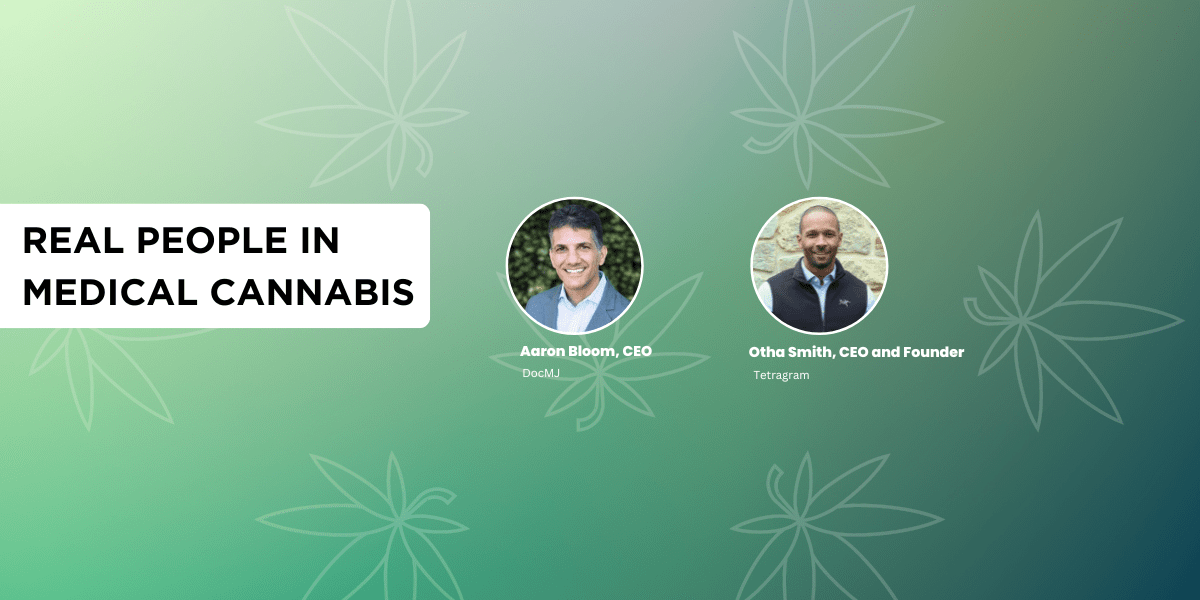
We had the opportunity to interview Otha Smith, the CEO and Founder of Tetragram, an innovative mobile app that can help patients who use medical cannabis.
1. Can you tell us how Tetragram was founded? What was your inspiration to develop the software to help patients manage medical cannabis use?
In 2006, I was involved in a serious car accident that nearly claimed my life. I fell asleep at the wheel and was ejected from the car, landing on my head and upper back. This resulted in a traumatic brain injury (TBI) that left me with a six-inch, 34-staple scar on the top of my head.
After being released from the hospital, I was prescribed several opioids to manage my pain. Before the accident, I had never used prescription pills, not even for a slight headache. After nearly three years of using prescription medication, I decided enough was enough and shifted my focus to cannabis.
Years later, as cannabis started to become legal, I vividly remember feeling overwhelmed the first time I entered a dispensary. I was intimidated by the myriad of options and different consumption methods available. Since cannabis remains federally illegal, there was very little research consumers could use to understand which products would best address their personal needs.
Millions of people across the country are tired of relying on dangerous prescription pills to manage their medical conditions and improve their quality of life. They are seeking safer, natural alternatives, which motivates me every day to ensure that Tetragram provides an easy way for people to journal their personal experiences with various cannabis products. This helps them understand which products, cannabinoids, terpenes, and dosages work best to improve their quality of life.
Tetragram is HIPAA compliant, so all the data we collect anonymously helps dispensary staff make accurate product recommendations and assists healthcare professionals in being more consultative with patients.
2. What are some common misconceptions about medical marijuana that you aim to dispel through your work?
I believe the top three most common misconceptions about cannabis are that we are actively dispelling through the data we leverage at Tetragram.
All Cannabis is the Same: People often think that all cannabis products have the same effects. In reality, each strain has a unique cannabinoid and terpene profile, each producing unique effects suited for different medical conditions.
Cannabis is Just an Excuse to Get High: One of the biggest misconceptions is that people are using cannabis simply to get high. However, our data shows that most people are using cannabis strictly for its therapeutic benefits to manage pain, anxiety, seizures, insomnia, depression, and other medical conditions.
Cannabis Use Leads to Laziness and Lack of Productivity: The stereotype of the lazy cannabis user persists, but many medical marijuana patients are active, productive individuals who use cannabis to manage symptoms that would otherwise hinder their daily lives.
3. What impact does the Tetragram app have on the lives of patients who use medical cannabis for symptom management?
I would like to share two testimonials from patients who have been using Tetragram to optimize their medical cannabis use.
“As a veteran dealing with chronic pain from service-related injuries, I struggled to find effective pain relief. Using Tetragram, I tracked various cannabis products and discovered a specific strain and dosage that significantly reduced my pain without the side effects of opioids. Tetragram has given me back my quality of life and helped me avoid dependency on prescription painkillers.”
Patient Testimonial: “I’ve battled severe anxiety for years, and traditional medications left me feeling numb. With Tetragram, I was able to document my reactions to different cannabis products. I found a CBD-dominant tincture that works wonders for my anxiety without causing drowsiness. Now, I feel more in control of my condition, thanks to Tetragram’s personalized insights.”
4. What do you think will happen if the DEA makes cannabis a Schedule III drug under the Controlled Substances Act?
In recent weeks, the Biden Administration requested the DEA to reclassify cannabis from a Schedule 1 to Schedule 3 drug. Rescheduling will have a dramatic impact on our business and, more importantly, the entire cannabis industry. Tetragram will be well-positioned to be the data collection partner involved in many cannabis research initiatives to clearly identify the medicinal benefits of cannabis.
The healthcare industry may move toward integrating cannabis as standard medical care. Physicians will leverage Tetragram as a resource for training to recommend cannabis as a treatment option, leading to better patient outcomes. Tetragram will play a crucial role in helping patients and healthcare providers track and analyze individual responses to different cannabis products, leading to highly tailored therapies.
5. What advice would you offer to patients who are new to medical marijuana and seeking guidance on finding the right products and dosages for their needs?
Finding the right product and dosage can take time. Be patient with the process and understand that it takes trial and error to discover what works best for your specific condition and lifestyle. Go low and start slow when using cannabis, especially with edibles.
It’s important to become familiar with your state’s medical cannabis laws and regulations. This includes understanding how to obtain a medical marijuana card if required and knowing the legal limits for possession and use. Of course, download Tetragram to start Documenting, Decoding, and Discovering your optimal cannabis experience.
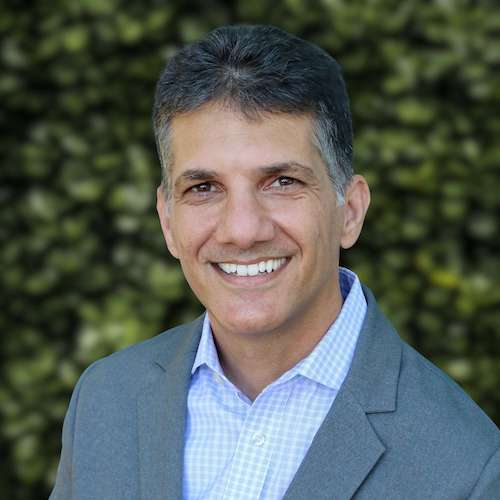
Aaron Bloom, an experienced healthcare attorney, serves as the CEO of DocMJ and Medwell Health and Wellness Centers, where he has overseen the organizations’ mission and growth since 2016. In addition to his leadership roles, Aaron serves on the Board of Directors for Waterfall Bank, bringing his expertise in healthcare, compliance, and strategic growth to the financial services sector.
Aaron’s passion for improving patients’ lives stems from more than 20 years of owning, operating, and representing traditional healthcare organizations. Throughout his career, he has remained committed to finding better ways to relieve suffering and expand access to innovative, patient-centered care. As CEO, Aaron works each day to help patients achieve better health and wellness through the therapeutic benefits of medical cannabis and other evidence-based alternative medicines.