

One bad hangover can really leave a lasting impression. Waking up to a hangover can make you feel like staying in bed (or on the couch) all day. With the dry eyes and parched, dehydrated feeling, combined with muscle and headaches, as well as nausea? The morning-after regret of consuming too much alcohol is real.
There is a prevailing myth and misconception that you can’t get a hangover from using cannabis. Spoiler alert! You absolutely can get symptoms of a hangover from taking cannabis. No matter what VICE said back in 2018.
Some are more familiar with it than others. While there are some studies that have been done on this topic, the current regulations set on marijuana limit the extent of in-depth research that can be done. The average potency researchers can acquire in the United States is a maximum of 7% THC, while the average potency of cannabis products sold at dispensaries is just over 15% THC.
However, the results from the few studies that have been done on this topic, as well as anecdotal evidence, getting a hangover after using cannabis is possible. However, not everyone experiences symptoms that are significant enough to notice.
What is a Hangover Anyhow?
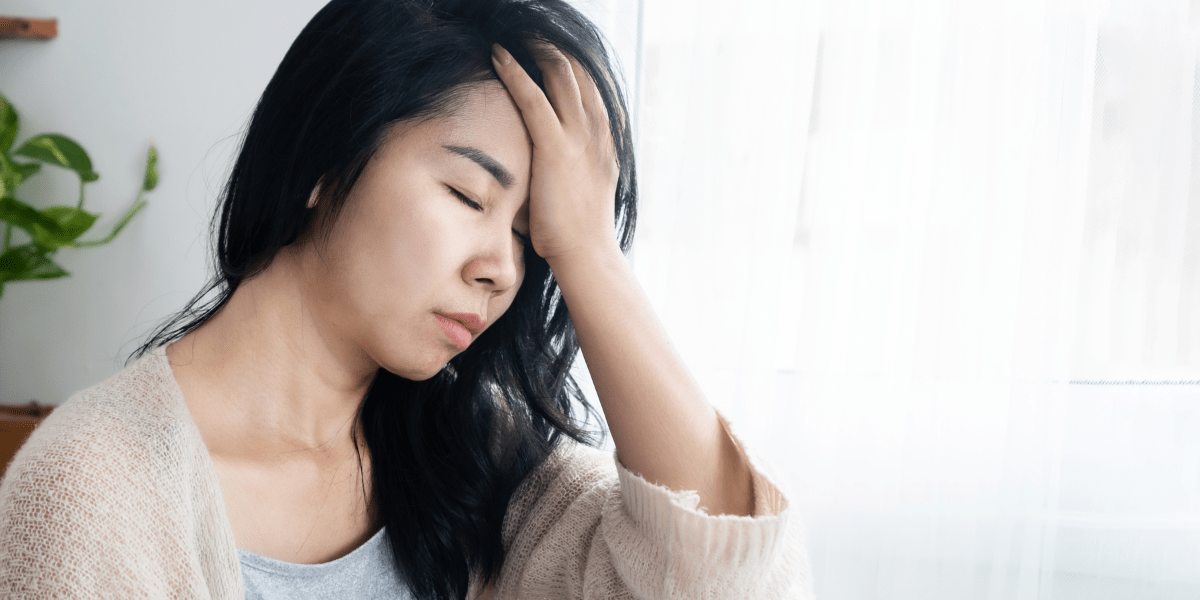
A “hangover,” by definition, is something that remains from what is past. It is most commonly associated with the overconsumption of alcohol but can also occur after using prescription medication, narcotics, and other altering substances.
Common Symptoms Experienced With a Hangover
When you’re consuming weed or any kind of controlled substance, such as drinking alcohol, the body reacts in similar ways. The symptoms you experience are a result of processes your body uses to remove excess chemicals.
The adverse symptoms of a hangover can vary in terms of severity, and the type of symptoms people get can also be different. The most common symptoms experienced by people with a hangover are:
- Headache (caused by the widening of blood vessels in the brain and dehydration).
- Gastrointestinal upset (nausea and vomiting).
- Dehydration (most controlled substances act like a diuretic that can increase urination).
- Fatigue.
- Light and sound sensitivity.
- Muscle aches and weakness.
- Memory problems.
- Mood disorders (irritability, feelings of anxiety, or low mood).
- Decreased appetite.
Some people experience fewer cannabis hangovers compared to others. The level of weed hangover depends on the potency and quantity of cannabis consumption. If you and someone you know consume the exact same quantity and strain, one person may have little to no effects, while the other may be condemned to laying down for NetFlix and chill.
Studies About Marijuana Induced Hangovers
Just as with any other marijuana-related topic, there has been very little research-based data collected in regard to marijuana hangovers. While most of the evidence that has been collected has been anecdotal, there are two common scientific studies that have been completed.
The first and most well-known study, published in 1985, examined thirteen male marijuana smokers to see if there were measurable behavioral changes the morning after consumption. A portion of the group was given active Δ9 THC, while the others received a placebo that did not contain the cannabinoid.
Those who received active THC showed changes in heart rate, CO level, and measurable differences in behavioral tasks, but those in the placebo group did not. After receiving a full night’s sleep, researchers noticed residual side effects within the group of participants who were given THC.
In 1998, there was another study done that examined both acute and residual subjective, physiologic, and performance effects of smoking a single marijuana cigarette. This study used ten healthy male subjects who were studied on three separate occasions. On each occasion, the marijuana cigarette contained either 0%, 1.8%, or 3.6% Δ9 THC. It was found that the residual effects of only one marijuana cigarette were minimal.
Both of these studies used a small sample size but showed that there is potential for residual side effects that can make one feel hungover.
What Cannabis Products Are More Likely to Cause Hangovers?
The studies mentioned above were done with very minimal concentrations of THC, but in today’s day and age, it is not uncommon to find products that contain upwards of 90% active THC. Remember that feeling too high on marijuana is never good, but you can change the way you consume cannabis to reduce the likelihood of a hangover.
Different consumption methods can also impact how a person reacts to the effects of marijuana. For example, edibles give more intense side effects than inhaling marijuana. There are potential differences in the after-effects you can experience after smoking marijuana and edible intake methods.
Smokable or Vaped Cannabis
If you use smokable medical cannabis, are you more likely to experience cannabis hangovers? Here are a few considerations if you are trying to avoid the morning-after slump and would prefer to avoid any lingering effects.
- Faster onset of psychoactive effects but wears off more quickly than other intake methods.
- Cannabis smoke may cause irritants to enter the respiratory system, causing coughing or throat irritation that may result in chest aches the following day (smokers lung).
- Smokable cannabis may be easier to control dosage because the effects are felt immediately. People who smoke cannabis can be less likely to take too much because you can immediately feel when you have consumed it in excess. Those sensations include nausea, dizziness, and other uncomfortable sensations.
The majority of weed hangover symptoms are caused by consuming too much. In some ways, overconsumption is less likely while marijuana smoking compared to other intake methods.
Edible Cannabis Food and Beverage Effects
Behind smokable flowers, cannabis edibles are in high demand in every state where medical marijuana treatment is legalized. If you prefer edibles, are you more or less likely to experience a weed hangover after consuming medical marijuana?
- Digested cannabis products have a delayed onset. If the cannabis user is inexperienced, they may not wait for the full 90 minutes that it can take for psychoactive effects from edibles to occur. This increases the likelihood of taking higher quantities of cannabis and a greater probability of morning after side-effects.
- People have different metabolic rates. Edibles tend to increase the rate of metabolism after you have consumed them. People with a high metabolism will feel the effects of edibles sooner than others with a low metabolism. Some studies suggest that those with a low metabolism may have more severe cannabis hangover effects because it takes longer for the psychoactive effects to wear off.
In short, cannabis edibles may have the highest probability of causing a marijuana hangover. Many patients still prefer edibles for relief of mild nausea and upset stomach or as a temporary pain reliever.
While your friend or partner is complaining about feeling rough the morning after, you may have no symptoms of a hangover at all. One of the key things to remember is to use cannabis responsibly. Take a small amount, then wait to see how it affects you before consuming more.
Always drink plenty of water to avoid cannabis overdose symptoms related to dehydration. Keep a quantity of fresh water beside you, and consume it in tandem with your medical cannabis for best results.

Dr. Rothman is a diplomate of the American Board of Obstetrics and Gynecology. He has received multiple special awards and recognitions, including Physician of the Year, from the Pinellas County Medical Association (2014 – 2015) and the President’s Service Award from the Pinellas County Medical Society.
He attended medical school at State University of New York Upstate Medical Center in Syracuse, New York, where he also completed his Obstetrics and Gynecology residency. In addition to practicing medicine, Dr. Rothman’s professional career includes being an Assistant Professor at the University of South Florida and Clinical Instructor at the University of Tampa’s College of Nursing.
Dr. Rothman received his Florida Medical Marijuana Physicians Certification in 2016 and was one of the first recommending physicians through DocMJ in the state and is loved by many of those early patients today.