

Medical marijuana is becoming increasingly recognized for its therapeutic benefits. You might be wondering if any doctor can prescribe medical marijuana. Only physicians who are licensed and certified can prescribe medical marijuana.
To become authorized to prescribe medical cannabis, doctors must follow specific legal and medical protocols. This involves obtaining a special certification in many jurisdictions. Patient eligibility is often determined based on particular conditions and state regulations.
Navigating the process of obtaining medical marijuana can be complex. It’s essential to consult with a certified professional who can give you some guidance tailored to your health needs. You can make informed decisions about your treatment options by understanding these requirements.
Legal Landscape of Medical Marijuana Prescriptions
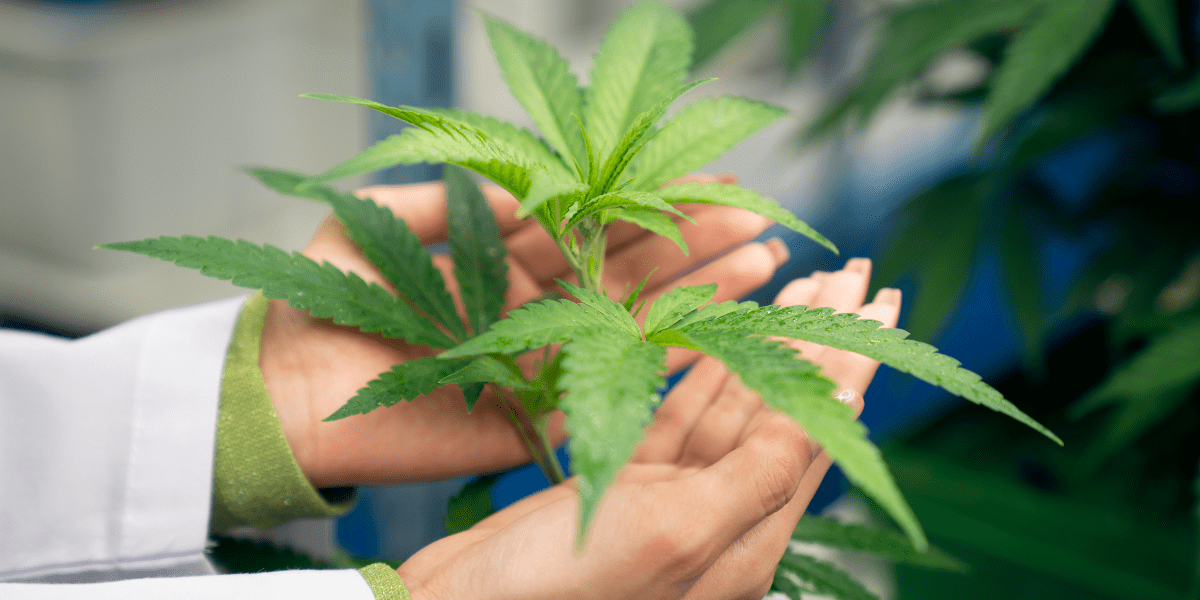
The legal framework surrounding medical marijuana prescriptions is complex, involving both federal and state regulations. Federal law classifies marijuana as a Schedule I substance, prohibiting its prescription. However, many states have legalized medical marijuana, creating a conflict between state and federal laws. This discrepancy can affect how medical marijuana is prescribed and used. Understanding these differing laws is essential for navigating the legal landscape of medical marijuana.
Federal Law Versus State Law
Federal law classifies marijuana as a Schedule I controlled substance under the Controlled Substances Act (CSA). This classification means the federal government does not recognize any accepted medical use for marijuana.
Despite this, many states have enacted their medical marijuana laws. These laws permit the use of marijuana for medical purposes with a doctor’s recommendation. The conflict between federal and state law creates legal ambiguity, complicating the ability of doctors to prescribe medical marijuana.
Some states have established strict regulatory frameworks for the cultivation, distribution, and use of medical marijuana, allowing patients with certain qualifying conditions to access cannabis. The specifics of these laws vary significantly from state to state, leading to varying degrees of accessibility and legal protection.
Understanding the Controlled Substances Act
The Controlled Substances Act (CSA) is a federal policy regulating certain substances’ manufacture, importation, possession, use, and distribution. Under the CSA, marijuana is categorized under Schedule I, indicating a high potential for abuse and no accepted medical use at the federal level.
Due to this classification, prescribing marijuana is illegal under federal law. As a result, the qualified physician typically “recommends” rather than “prescribes” medical marijuana. This legal distinction is crucial because it impacts how doctors interact with patients and the legal protections they have when recommending cannabis.
The CSA’s classification of marijuana remains a significant barrier to uniform medical use and research at a federal level. Legal reform efforts continue, but as of now, the Schedule I status persists, influencing the landscape of medicinal marijuana prescriptions nationwide.
Qualifications for Prescribing Doctors

Before a doctor can prescribe medical marijuana, they must meet specific qualifications. These qualifications include obtaining mandatory certifications that demonstrate their knowledge and competence in this area. Additionally, doctors must register with state programs that oversee the medical use of marijuana. This registration ensures that they are authorized to recommend medical marijuana to patients. Meeting these requirements is essential for maintaining the integrity and safety of medical marijuana prescriptions.
At DocMJ, we pride ourselves on adhering to these stringent qualifications to provide the best possible care for our patients. Our doctors are not only certified but also undergo continuous training to stay updated with the latest developments in medical marijuana. We have multiple offices across states like Texas and Florida, offering a convenient and professional environment for those seeking medical marijuana recommendations. Our team is dedicated to providing personalized care, ensuring that each patient’s unique needs are met with empathy and expertise. By maintaining rigorous standards and complying with all legal requirements, DocMJ remains a trusted provider in the medical marijuana community.
Mandatory Certifications and Training
Qualified physicians must complete the required training to prescribe medical marijuana. This training typically includes courses on the uses, benefits, and potential risks of medical marijuana.
A medical association or a state health department often oversees training.
Moreover, doctors must stay updated with the latest research and guidelines. This ensures they can effectively assess whether a patient should use medical marijuana based on medical conditions. Physicians may also need to pass exams to demonstrate proficiency in this area.
Registration with State Programs
Physicians must register with state programs to legally prescribe medical marijuana. Each state has its specific requirements and registration process, which ensures that doctors are adequately qualified to recommend this treatment. Typically, doctors must submit proof of their medical license and evidence of completed training programs related to medical marijuana. This initial step is critical for establishing their eligibility to participate in the state’s medical marijuana program.
Upon approval, physicians receive a unique registration number. This number is crucial for tracking and verifying their authority to recommend medical marijuana. It acts as a safeguard, ensuring that only those who have met the stringent criteria set by the state can prescribe this treatment. In many states, periodic renewal of this registration is required, which involves additional training or proof of ongoing compliance with state regulations. This renewal process helps inform doctors about the latest medical marijuana laws and best practices.
Maintaining registration with state programs is essential for safeguarding patient health and safety. It ensures that only qualified professionals are prescribing medical marijuana, which helps prevent misuse and ensures that patients receive care from knowledgeable and competent providers. By adhering to these regulations, physicians contribute to a system that prioritizes patient well-being and upholds the integrity of medical marijuana programs.
Patient Qualification Criteria

Qualifying for medical marijuana depends on having specific medical conditions and a solid doctor-patient relationship. Patient care is at the forefront of this process, ensuring that individuals receive appropriate and effective treatment. It’s crucial to understand the criteria set by regulations, which often include conditions like chronic pain, epilepsy, cancer, and PTSD, among others. Each state has a list of qualifying conditions, so patients must stay informed about their state’s requirements.
Maintaining open communication with your healthcare provider is essential. By fostering a transparent and collaborative relationship, patients can navigate the qualification process more effectively and receive the care they need. Regular consultations allow doctors to assess the suitability of medical marijuana for your condition and to monitor its effectiveness over time. This ongoing dialogue ensures that treatment plans are tailored to individual needs, enhancing the overall quality of patient care.
Medical Conditions That Qualify
To receive a medical marijuana card, you must have a qualifying condition. Common qualifying conditions include chronic pain, which is persistent and significantly impairs daily activities. Cancer and terminal illnesses are also included due to the severe symptoms and suffering these conditions cause. Patients with epilepsy or seizure disorders often find relief with medical marijuana. HIV/AIDS patients may qualify due to the pain and weight loss associated with the disease.
In some states, certain mental health conditions like Post-traumatic stress disorder (PTSD) are eligible. Other conditions like glaucoma, multiple sclerosis, and Crohn’s disease may also meet the criteria. Each state has its list of approved conditions, so it’s essential to check your state’s specific regulations. Understanding these qualifying conditions can help patients and their healthcare providers determine eligibility for medical marijuana treatment.
By staying informed about the criteria, patients can better navigate the process of obtaining a medical marijuana card and access the relief they need. This knowledge empowers patients to discuss their treatment options with their healthcare providers. Ultimately, being aware of the qualifying conditions and state-specific regulations ensures that patients can safely and legally benefit from medical marijuana.
The Importance of Doctor-Patient Relationship
A robust and ongoing relationship with your doctor is essential for qualifying for medical marijuana. The physician must certify that you have a qualifying condition, which involves thoroughly reviewing your medical history. Regular consultations are necessary for adolescent health management if the patient is underage, as minors need to meet specific state guidelines. Your doctor will discuss how medical marijuana fits into your treatment plan, ensuring that it is a suitable option for your condition.
Trust and transparency in the doctor-patient relationship are vital for obtaining and renewing a medical marijuana card. Regular check-ins help monitor the effectiveness of medical marijuana on your condition and allow for adjustments to the treatment as necessary. This ongoing communication ensures that your treatment remains effective and safe, providing you with the best possible care.
The Doctor’s Role in Medical Marijuana Therapy

Doctors play a critical role in patient evaluation for medical marijuana use and oversee continuous management to ensure effective and safe treatment. They provide crucial recommendations and protections necessary for patients suffering from various conditions.
Evaluation of Patient Eligibility
Your doctor must first assess your medical history and current health status. This process is critical for determining if medical marijuana is suitable for you. Conditions such as chronic nonmalignant pain are often considered. They will evaluate the potential benefits and risks, mainly focusing on your history concerning drug abuse.
Before making any recommendations, doctors ensure you’re not at risk of adverse effects. They review your conditions and compare them with qualifying criteria set by local regulations. Compliance with legal requirements is crucial to protect the patient and the physician.
Monitoring and Ongoing Management
After your eligibility is established and medical marijuana is recommended, your doctor will provide ongoing management. This involves regular follow-ups to monitor the effectiveness of the treatment and adjust dosages as needed. Monitoring helps identify any side effects or signs of misuse.
Regular check-ins are essential for chronic conditions. Your doctor will track improvement and ensure the continued appropriateness of cannabis use. Proper documentation and communication between you and your healthcare provider safeguard your health and legal standing.
Key Monitoring Activities:
- Scheduled appointments
- Tracking symptom relief
- Reviewing potential side effects
- Adjusting treatment plans
Effective management involves a personalized approach, focusing on your specific needs and responses to the treatment.
Access to Medical Cannabis
To legally access medical cannabis, you need to understand the roles of medical marijuana treatment centers and the process of acquiring a medical cannabis card. These elements ensure that you can purchase medical marijuana in a regulated and safe manner.
Medical Marijuana Treatment Centers
Medical marijuana treatment centers are state-licensed facilities where you can purchase medical marijuana. These centers are responsible for the safe distribution of medical cannabis products to patients. Each center must comply with strict regulations and quality control measures to ensure the safety and efficacy of the cannabis products they provide.
You will find a variety of medical cannabis products at these centers, including oils, edibles, and vaporizers. Each product will have clear labeling, dosage instructions, ingredients, and usage guidelines.
Staff at treatment centers are knowledgeable and can assist you in selecting the right product for your medical needs. It’s essential to consult with them to understand your options and ensure that you are using the products effectively.
Acquiring a Medical Marijuana Card
To access medical cannabis, you must obtain a medical marijuana card. The process typically involves a consultation with a doctor who is licensed to recommend medical cannabis. The doctor will assess your medical condition to determine your eligibility for the card.
Once approved, you need to register with your state’s medical marijuana program. This often involves creating an online account and submitting your doctor’s recommendation and any required documentation. After completing this process, you will receive your medical cannabis card.
Your card allows you to purchase medical marijuana from treatment centers legally. It’s important to keep your card updated and renew it as required by your state regulations to maintain continued access to medical cannabis products.
Patient Guidance for Medical Marijuana

Before you can use medical marijuana, you will need to locate a certified doctor. This doctor must be qualified to recommend medical marijuana and registered with the appropriate state program. Once you have found an accredited doctor, you must undergo a specific prescription process. Understanding these steps is essential for ensuring a smooth and compliant experience. By following the proper procedures, you can access medical marijuana safely and legally.
Finding a Certified Prescribing Doctor
Not all doctors can prescribe medical marijuana. You need to find a healthcare provider who is licensed and authorized to recommend cannabis. Typically, state medical boards maintain a registry of such certified professionals. Start by checking your state’s health department website for a list of qualified doctors.
When you meet with a certified doctor, discuss your medical history, current medications, and any previous drug use. Be honest about your experience with substance use, including any recreational marijuana use. This information helps the doctor determine if medical marijuana is appropriate for you.
Prepare to ask questions: Ensure you understand the therapeutic potential and possible psychoactive effects. Ask about the conditions that qualify for medical cannabis under your state’s laws and why they believe this treatment is suitable for your specific condition.
Navigating the Prescription Process
Once you’ve found a certified doctor, the next step is getting the prescription. The doctor will evaluate your condition and decide if medical marijuana is suitable for you. Documentation will be crucial: You will likely need medical records and proof of your qualifying condition, such as chronic pain or severe anxiety.
After the initial consultation, the doctor may provide a written recommendation or fill out a state-specific form. States often require applications to be submitted to their health departments and the doctor’s certification. This process ensures that you are legally allowed to use medical marijuana.
Upon approval, you typically receive a medical marijuana card. This card allows you to purchase cannabis products from licensed dispensaries. Understand the legal aspects: Awareness of state regulations and restrictions on marijuana use is essential to ensure compliance. Always use medical marijuana responsibly, within the guidelines provided by your doctor.
Conclusion
In conclusion, accessing medical marijuana involves navigating a complex legal and medical landscape. Only licensed physicians who meet specific qualifications can prescribe medical marijuana, which is governed by both federal and state laws. Patients must have qualifying medical conditions and establish a strong relationship with their healthcare providers to access medical marijuana legally. By obtaining a medical marijuana card from state-licensed treatment centers, patients can safely and legally access cannabis products. Understanding these requirements and working closely with certified healthcare providers is essential for patients seeking relief through medical marijuana.

With over 25 years of specialty training in Internal Medicine, as well as fellowship training in Functional and Sexual medicine, Dr. Maginso added Plant Medicine (Medical Marijuana) to her niche practice as of 2017. She is licensed in the State of Florida and attended the University of the East (UERM) in Quezon City, Philippines as well as the University of Medicine and Dentistry in Newark, NJ.
She joined DocMJ in 2019 to align with a known group of compassionate physicians that empower their patients to be better versions of themselves. Her favorite hashtag is #powerpassionperformance, using the combination of optimized bioidentical hormones, medical marijuana, plasma therapies, and sexual wellness.
She is an author, speaker and community advocate for Medical Marijuana, Sexual Health, and the empowerment of mature women.