
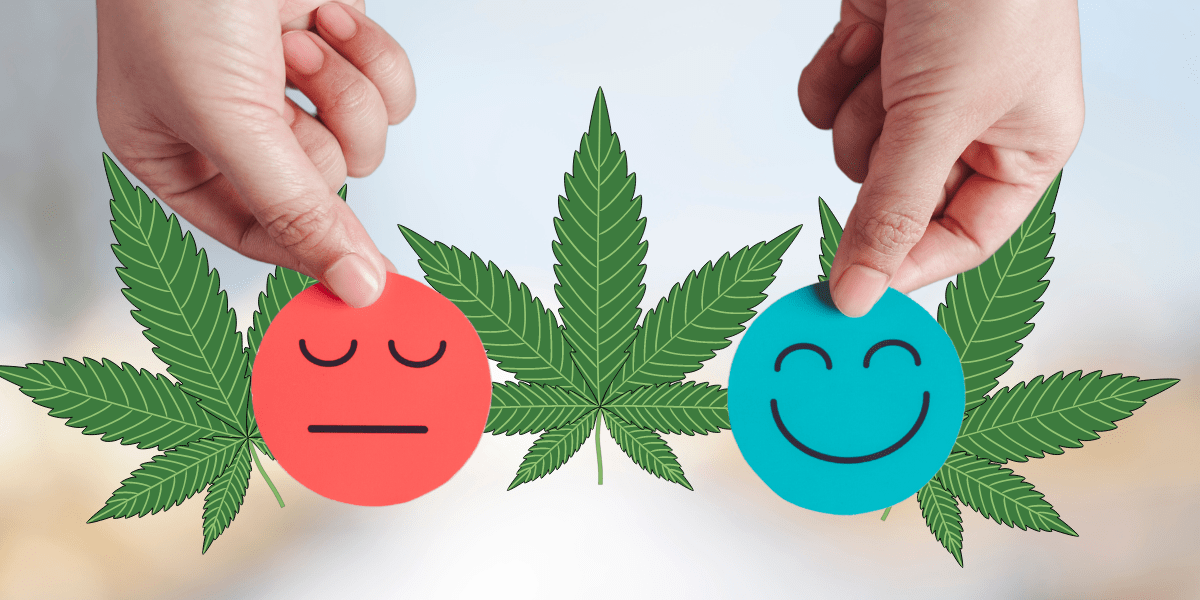
Bipolar is a mental health disorder that impacts millions of Americans. It is often a poorly understood and misdiagnosed condition that can cause debilitating symptoms beyond mood swings and being unusually irritable. Bipolar symptoms include depression, sleeping problems, anxiety, and other health conditions.
Various mental health disorders are caused by chemical imbalances. Prescription medications and talk therapy are the common methods of treatment. But can doctor-supervised medical cannabis help with symptoms of bipolar disorder?
In this article, I’ll share the important facts you need to know about bipolar disorder to help you make an informed decision about using medical marijuana. And what steps to take if you want to explore medical cannabis as part of your treatment plan.
How Common is Bipolar Depression?
Previously known as manic-depressive illness, bipolar depression, and disorders affect 2.4% of the global population, according to the World Health Organization. Approximately 1 in 40 people will develop the condition at some point in their lives.
Bipolar is considered a significant mental health disorder characterized by symptoms that disrupt the quality of life for patients diagnosed with the condition. It is the sixth leading cause of disability for patients aged 15-44 years, according to a recent Global Burden of Disease study.

Are Men or Women More Likely to Develop Bipolar Disorder?
Men and women are diagnosed at almost equal rates for bipolar disorder. But the onset age can vary by gender, as well as some of the associated symptoms of bipolar disorder, according to the International Bipolar Foundation.
There are some differences in the symptoms, and onset for men and women, however.
- Bipolar patients who are men are typically diagnosed with their first episode of BPD about five years earlier than women.
- Men are more likely to have rapid cycling symptoms and seasonal episodes than women. However, men are less likely to be diagnosed with hypomania and mixed episodes than female patients.
- Women are more likely to have associated eating disorders, panic disorders, phobias, and borderline personality disorder.
- Men with bipolar disorder have higher rates of substance abuse disorders than women. Anxiety, bipolar disorder, and depression are correlated to higher rates of substance abuse.
Approximately 48% of bipolar disorder diagnoses are male, and 52% are female. This slightly uneven split is consistent across the world. However, bipolar one diagnoses are more common among men, whereas women have a statistically higher rate of diagnoses for bipolar two disorder.
Is Bipolar Disorder Hereditary?
According to recent clinical studies, over two-thirds of Americans have a relative who has one of the different types of bipolar disorder (including unipolar depression). Bipolar disorder is highly correlated with heredity. If one or more than one of your parents has been diagnosed, your odds of developing bipolar disorder are much higher.
Americans who have one parent that developed bipolar disorder have a 15% to 30% chance of developing the condition themselves later in life. However, if both parents have the condition, your chance of being diagnosed with bipolar disorder increases by 50% to 75%.
What is Bipolar Depression?
Bipolar disorder is a mental condition characterized by extreme mood swings that include both mania and depression. Mania is an extremely high mood, where the person is easily excitable. This drastically contrasts with depression, where the person may lose interest in activities or feel hopeless. Bipolar disorder distinguishes itself from major depression with these huge changes in mood that can take place day-to-day, week-to-week, or even month-to-month.
When manic, the person may experience a range of emotions, acting abnormally energetic and extremely confident. This can lead to a lack of sleep and poor decision-making. In extreme cases, this can also trigger psychotic events.
When depressed, the person can find it difficult to do any daily activity at all and may spend a considerable amount of time in their room or bed. This can put a strain on their relationships, school, and work. These episodes can mark a time when the person experiences insomnia, fatigue, and feelings of worthlessness.
It is important to recognize the stress these swings can place on a person and those around them. If you or a loved one seem to go through periods of euphoria and hyper-productivity followed by an emotional crash, speak with your doctor or a mental health professional.
There Are 6 Main Types of Bipolar Disorder
While you may read information about bipolar disorder as a singular condition, there are actually seven different types that patients may be diagnosed with. Some types of bipolar disorder have more severe symptoms and a higher frequency of symptoms than others.
The six types of bipolar disorder are:
1. Bipolar 1 Disorder
Defined by episodes of mania that last for at least seven (7) days or symptoms that are so severe the patient requires immediate medical intervention or hospitalization. Patients with bipolar 1 disorder may also experience depressive episodes lasting for two weeks or longer and periodic manic episodes.
2. Bipolar 2 Disorder
In this subtype, depressive episodes are similar to major depressive disorder. That includes persistent feelings of sadness, hopelessness, and loss of interest in activities that used to be pleasurable.
Hypomanic episodes may alternate with periods of heavy depression. Behaviors consistent with hypomania include decreased sleep, grandiosity, and engaging in risky or impulsive behaviors (like overactivity and compulsive spending).
3. Cyclothymia
A more mild form of bipolar disorder, cyclothymia is characterized by persistent mood fluctuations. But the symptoms of depression or mania are less severe than other types of bipolar disorder and less frequent (averaging two years in adults and one year in children and adolescents).
Patients with cyclothymia may not experience the same quality of life disruption as individuals with more severe forms of bipolar do. But it can be a struggle to cope with a persistent, unchanging mood, whether depressive or hypomanic.
4. Rapid Cycling Bipolar
When a patient has rapid cycling bipolar, they experience shifts from hypomanic to depressive and manic episodes. To be diagnosed, the individual must document at least four different mood episodes within a twelve (12) month period.
However, the shift between moods can occur rapidly, within days or even hours between episodes. Many of the stereotypes about bipolar disorders are rooted in rapid cycling. This is because the emotional pendulum shift between elation, euphoria, and high energy levels, and irritability, fatigue, and depression are noticeable given shorter time periods between mood states.
5. Bipolar With Mixed Features
Are you happy and energetic, or do you feel sad and lethargic? Patients diagnosed with bipolar with mixed features can have symptoms of depression, mania, and hypomania all mixed into one episode.
Imagine feeling high energy and the drive to do something actively, combined with agitation and feelings of worthlessness or guilt. The experience is very difficult for patients with bipolar with mixed features, who struggle with high energy while feeling constantly overwhelmed by negative emotions and self-perceptions.
6. Bipolar with Seasonal Pattern
You may have heard the term “seasonal affective disorder,” or SAD for short. That is also known as winter depression, which is a clinical mood disorder. This seasonal pattern is triggered by less exposure to sunlight, shorter days (more darkness), and some studies suggest the consumption of fewer fruits and vegetables during winter months.
For the duration of the year, someone with bipolar with seasonal pattern may not have any symptoms of fatigue or depression. However, individuals with SAD may also experience episodes of mania and hypomania in the spring, when longer days return.

What Treatments Are Available for Bipolar Depression?
Treatments for bipolar disorder usually involve a combination of prescription medication and psychotherapy, combined with important lifestyle changes. This approach has been shown to provide the best relief for patients.
Prescription mood stabilizers such as Lithium, anticonvulsants like Valproate and Lamotrigine, atypical antipsychotics such as Quetiapine and Olanzapine are commonly prescribed for bipolar disorder patients.
Cognitive behavioral therapy supports important lifestyle changes that can help better manage the symptoms of bipolar disorder. Those lifestyle changes include sleep therapies, dietary modifications, and substance abuse treatment.
Is Bipolar Depression a Qualifying Condition?
At the time of writing, no state has listed bipolar disorder as a qualifying health condition for medical marijuana. However, depression, anxiety, chronic insomnia, post-traumatic stress disorder, and other symptoms can make a patient eligible to apply for a medical cannabis card.
How Can MMJ Benefit Those with Bipolar Depression?
So, the answer to the main question was slightly underwhelming. But for those with bipolar depression, it is worth knowing the pros and cons of medical marijuana. To start, let’s consider the possible benefits.
While scientific research is still progressing and a unanimous viewpoint hasn’t yet materialized, there are studies that show that marijuana can help reduce anxiety. One study, in particular, found that marijuana use correlated with “significantly reduced ratings of depression, anxiety, and stress.” It also found that marijuana high in CBD was best for reducing symptoms of depression.
Cannabis May Conflict With Bipolar Disorder Medications
Unfortunately, there is also some risk that comes with using medical marijuana for patients living with bipolar depression. Similarly to antidepressants, marijuana may actually trigger episodes of mania in those with bipolar disorder. It may also lead to higher rates of self-harm during depressive episodes. Cannabis may be contraindicated (or conflict) with many types of prescription medications used to treat mental health conditions.
If you or someone you know with bipolar disorder is thinking about getting a medical card, it is important to consult with a physician first. The doctor consultation is designed to provide patients with more information about the potential benefits and risks of using medical cannabis. That will help patients with bipolar disorder make an informed choice about medical marijuana.

Dr. Rothman is a diplomate of the American Board of Obstetrics and Gynecology. He has received multiple special awards and recognitions, including Physician of the Year, from the Pinellas County Medical Association (2014 – 2015) and the President’s Service Award from the Pinellas County Medical Society.
He attended medical school at State University of New York Upstate Medical Center in Syracuse, New York, where he also completed his Obstetrics and Gynecology residency. In addition to practicing medicine, Dr. Rothman’s professional career includes being an Assistant Professor at the University of South Florida and Clinical Instructor at the University of Tampa’s College of Nursing.
Dr. Rothman received his Florida Medical Marijuana Physicians Certification in 2016 and was one of the first recommending physicians through DocMJ in the state and is loved by many of those early patients today.