

Insomnia plagues lots of patients with chronic illnesses. Those with conditions like epilepsy, intractable pain, and PTSD are especially susceptible to disturbed sleep. In Ohio, patients who struggle with insomnia due to a chronic medical condition may now consider using medical cannabis to treat their symptoms.
While we’re still researching the exact mechanisms that control how and why we sleep, previous studies indicate the endocannabinoid system may play an important role in sleep regulation, including sleep promotion and maintenance. One such study concluded that medical cannabis use was associated with fewer problems with waking up at night compared with nonmedical cannabis use.
When you don’t get enough sleep, it can significantly impact your health over time. Prolonged periods of insomnia can cause memory issues and lack of alertness. In the long term, insomnia can contribute to high blood pressure, obesity, and psychosis. Though the right amount of sleep can vary from person to person, 7 to 8 hours of sleep a night is what doctors recommend.
Understanding Cannabis and Sleep
Cannabis has been used for centuries to promote relaxation and improve sleep quality. The plant contains over 100 different cannabinoids, each with its own unique effects on the body. The two most well-known cannabinoids are tetrahydrocannabinol (THC) and cannabidiol (CBD). THC is the psychoactive compound responsible for the “high” associated with cannabis use, while CBD is non-psychoactive and has been shown to have numerous health benefits, including reducing anxiety and inflammation.
Research has shown that cannabis can help improve sleep quality by reducing sleep latency, increasing slow-wave sleep, and decreasing sleep disturbances. However, the effects of cannabis on sleep can vary depending on the individual, the type of cannabis used, and the method of consumption. For some, it might be a game-changer in achieving restful nights, while for others, it might not be as effective.
Why Might THC Help with Chronic Pain
Taking THC before bed might help you get to sleep by activating the endocannabinoid system’s CB1 receptors. THC is thought to shorten your period of sleep onset latency (SOL). SOL is calculated from the amount of time it takes you to fall asleep after the lights have been turned off. Additionally, THC may help some users sleep longer. Research connects THC to an increase in slow-wave sleep, an essential aspect of cerebral restoration and recovery.
While CBD can help some users relax into a calmness that allows them to sleep, several studies show the opposite to be true. One study determined CBD was “wake inducing.” Another concluded that THC appears to be sedating and CBD appears to have “alerting properties.” CBD has also been noted for its potential to reduce excessive daytime sleepiness, which can improve overall sleep quality for those affected by various chronic conditions.
It’s possible that marijuana strains with very high levels of THC can reduce the amount of REM sleep you get. Reducing REM sleep means reducing the amount of dreams, which can help PTSD sufferers avoid trauma-triggering nightmares.
The Science Behind Cannabis and Sleep
The science behind cannabis and sleep is complex and not fully understood. However, research has shown that cannabinoids interact with the body’s endocannabinoid system, which is crucial in regulating sleep and wakefulness. The endocannabinoid system is a network of receptors and chemicals that help to regulate various physiological processes, including sleep, appetite, and pain.
Cannabis has been shown to affect the body’s sleep-wake cycle by interacting with the suprachiasmatic nucleus (SCN), the part of the brain that regulates our circadian rhythms. THC has been shown to increase melatonin levels, the hormone responsible for regulating sleep-wake cycles, while CBD has been shown to reduce inflammation and promote relaxation, making it easier to fall asleep. This interaction can help some individuals achieve a more balanced and restful sleep.
Sleep Cycles and Sleep Disorders
In one study, researchers observed that marijuana changes a person’s sleep cycles (also known as circadian rhythm). Where cannabis improved overall sleep in the short term, patients who took more frequent THC doses had poorer sleep in the long term. Because the study aimed to measure chronic pain, not insomnia, much more support research is needed. However, it does bring up the question of whether long-term chronic use of THC might lead to sleep problems.
“We’re still far from saying we have the evidence to support the use of medical cannabis for sleep,” said the study’s lead investigator Sharon Sznitman, PhD. “For in the end, it was just a cross-sectional, observational study, so we cannot say anything about cause and effect. But if these results pan out, they could be far-reaching and exciting.”
Cannabis for Sleep-Related Health Conditions
Cannabis has been shown to be effective in treating a variety of sleep-related health conditions, including insomnia, obstructive sleep apnea, and restless leg syndrome. For those suffering from posttraumatic stress disorder (PTSD), cannabis can be particularly beneficial in reducing symptoms like nightmares and flashbacks, which often disrupt sleep.
In addition to its sleep-promoting effects, cannabis has also been shown to have analgesic and anti-inflammatory properties. This makes it a potential treatment option for chronic pain and other conditions that can disrupt sleep. By addressing both the root cause of sleep disturbances and the symptoms, cannabis can offer a holistic approach to improving sleep quality.
Best Strains To Try for Insomnia: Cannabis for Better Sleep Quality
Because it’s thought that high THC levels might be the culprit to disrupted sleep cycles, switching to low THC/high CBD strains might be a good way to nip insomnia in the bud.
According to Leafly, when analyzing the lab results for patterns amongst the most effective strains for sleep, some Kush varieties ranked best. These strains share a similar chemotype with high levels of the terpenes trans-nerolidol, b-caryophyllene, and D-limonene.
Bubba Kush might be a good strain for sleep because it’s well-balanced. It’s not too high in THC at 8 percent, and the CBD is at 10 percent, making it a popular choice for patients who struggle with insomnia.
Using Cannabis for Sleep Effectively
Using cannabis for sleep can be effective, but it’s important to use it responsibly and in moderation. Here are some tips for using cannabis for sleep:
- Start with a low dose: Begin with a low dose of cannabis and gradually increase as needed. This helps to minimize any potential side effects and allows you to find the optimal dose for your needs.
- Choose the right strain: Different strains of cannabis can have different effects on sleep. Look for strains that are high in CBD and low in THC to avoid potential disruptions in sleep cycles.
- Use the right method: Smoking cannabis can be harsh on the lungs, so consider using a vaporizer or edibles instead. These methods can provide a more controlled and sustained release of cannabinoids.
- Establish a bedtime routine: Establish a consistent bedtime routine to help signal to your body that it’s time to sleep. This can include activities like reading, meditating, or taking a warm bath.
- Avoid using cannabis during the day: Using cannabis during the day can disrupt your sleep-wake cycle and make it harder to fall asleep at night. Save your cannabis use for the evening to promote better sleep.
Remember, cannabis is not a substitute for medical treatment. If you’re experiencing sleep problems, it’s important to talk to a healthcare professional to determine the underlying cause and develop a treatment plan.
If your insomnia is due to one of these 22 qualifying conditions, you may be eligible for an Ohio medical marijuana card. Book an appointment with one of our trusted physicians today.
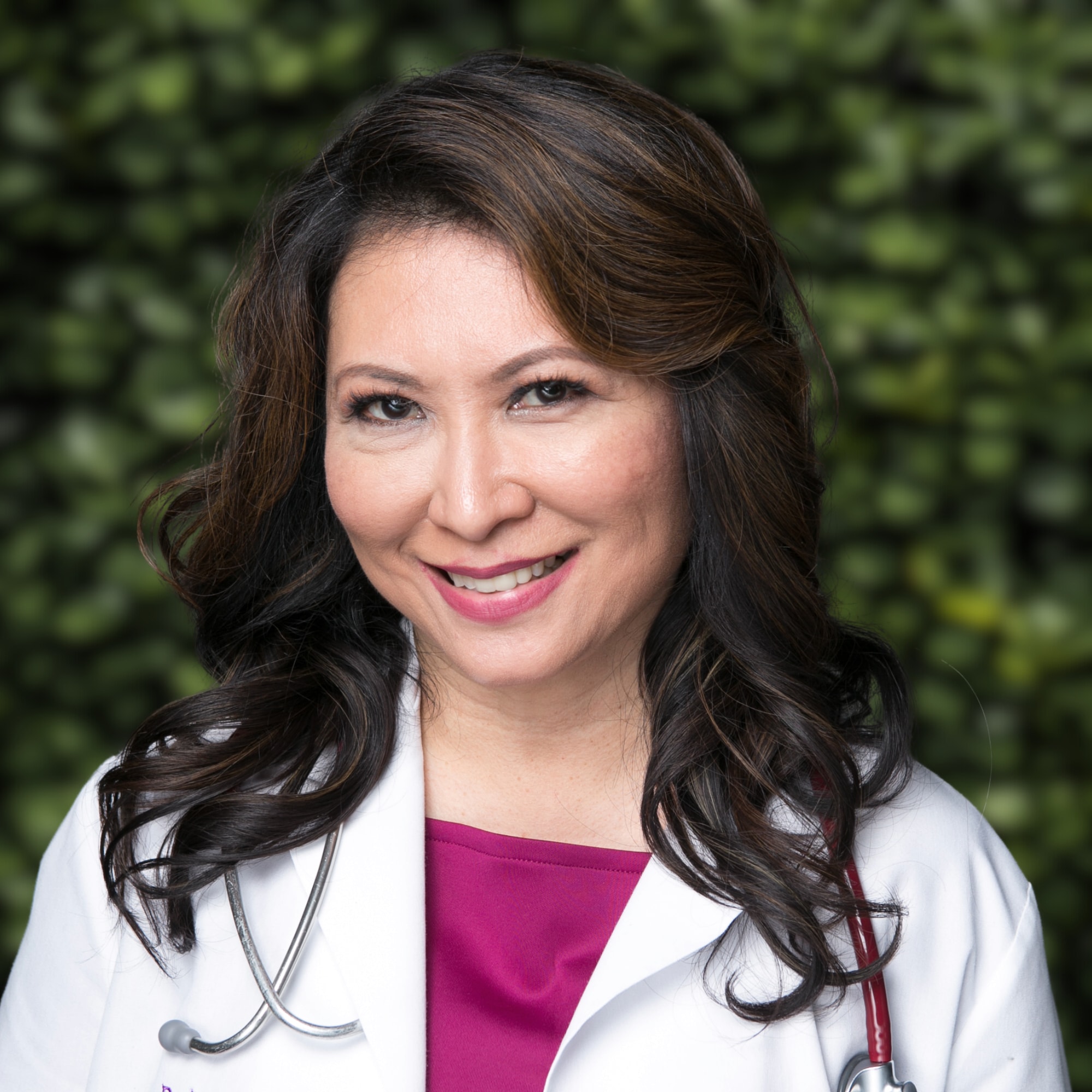
With over 25 years of specialty training in Internal Medicine, as well as fellowship training in Functional and Sexual medicine, Dr. Maginso added Plant Medicine (Medical Marijuana) to her niche practice as of 2017. She is licensed in the State of Florida and attended the University of the East (UERM) in Quezon City, Philippines as well as the University of Medicine and Dentistry in Newark, NJ.
She joined DocMJ in 2019 to align with a known group of compassionate physicians that empower their patients to be better versions of themselves. Her favorite hashtag is #powerpassionperformance, using the combination of optimized bioidentical hormones, medical marijuana, plasma therapies, and sexual wellness.
She is an author, speaker and community advocate for Medical Marijuana, Sexual Health, and the empowerment of mature women.