
-
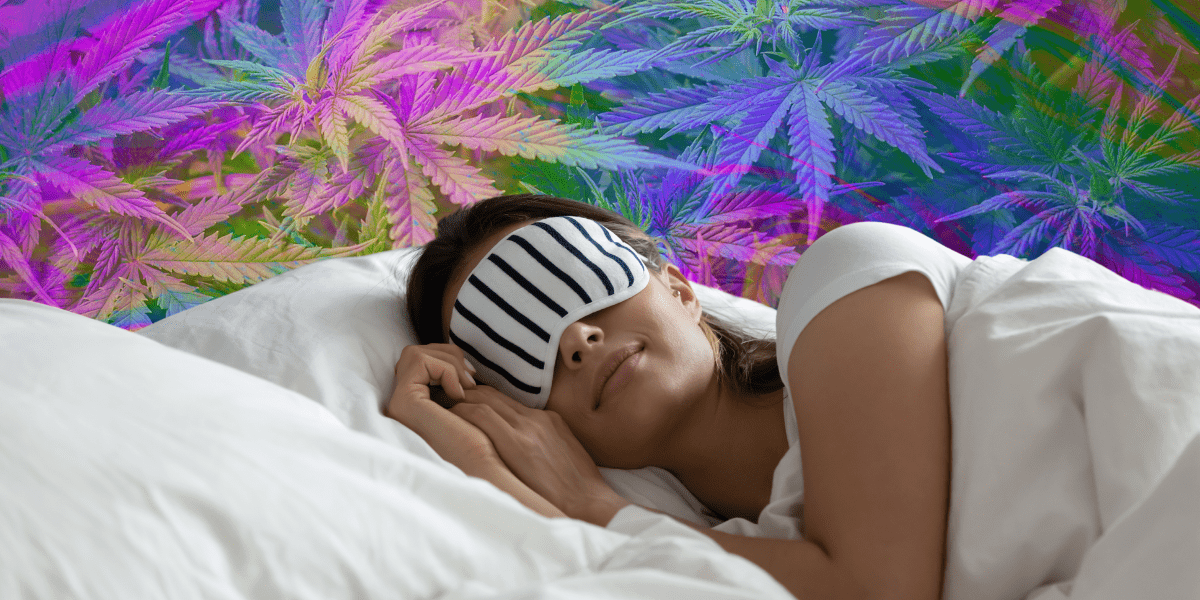
There are some people who wake up and remember having vivid dreams the night before. Then, there are other people who claim that they never dream. Or if they do, they certainly have no recollection of what they dreamed at all.
Science tells us that everyone likely has dreams every night; the problem is we may not remember them. That can be due to fatigue or exhaustion caused by insufficient sleep or chronic sleep disorders. Many things that are part of our daily lives, including smartphones and excessive screen time, can suppress REM sleep, which results in fewer dreams.
Many patients who use medical cannabis do so because they suffer from symptoms of insomnia. Problems sleeping can range from short-term symptoms caused by stress or feeling unwell to diagnosed chronic sleep disorders, which may be caused by psychological conditions such as post-traumatic stress injury (PTSI), trauma, depression, or moderate to severe anxiety.
If you find it difficult to fall asleep, you may be wondering if cannabis could help. Many people who use medical cannabis on a regular basis report that they have vivid and unusual dreams. Cannabis affects people differently, and results can vary, from basic sleep-promoting effects to help relieve insomnia to downright crazy dreams.
There are, in fact, some legitimate medical reasons why you are more likely to experience lucid dreams or highly vivid dreams after you have stopped consuming cannabis.
Can You Use Medical Cannabis As a Sleep Aid?
Strange dreams can be caused by anything, but many people feel that the benefits of quality sleep outweigh trying to interpret what in the world those vivid dreams mean. You may experience many different benefits from cannabis that help ensure a good night’s sleep.
Changes occur in brain chemistry with marijuana use. While it may help some people sleep better, for others, cannabis may cause restlessness and sleep disruption. Individual results vary.
Cannabis Can Promote Deep Relaxation
The hardest part of getting good sleep, for many people, is getting to sleep. We all have experienced circumstances that stress us out so much that we find it difficult to sleep. The most common stressors that give us symptoms of insomnia, according to studies, are work-related, relational (our partners), financial or health concerns.
When there are a lot of things going on, and you are experiencing stress, it can be hard to moderate the physical response your body is having to those stressors. Cannabis doesn’t remove stress or anxiety but rather pushes a veritable pause button on the part of your brain that is registering the memory, worries, or other stressful emotions.
Cannabis triggers the release of dopamine, which can make you feel like everything is alright for the time being. That can help you peacefully fall asleep.
May Provide Effective Pain Relief
People who have chronic pain symptoms typically struggle with sleep disruption, too. Chronic pain is a little less noticeable during the daytime when you are active. But at night, in the quiet of your bedroom, pain symptoms are that much more noticeable.
Cannabis can have an analgesic or pain-relieving effect. Again, cannabis does not cure the source of pain, but it may help modify pain sensitivity or how much pain you feel. That can help patients living with chronic pain avoid sleep disruptions during the night.
Could Reduce Sleep Latency
The hardest part of getting good sleep, for many people, is getting to sleep. Sleep latency refers to how long it takes from the time you lie down until you are fully settled and in recharge mode, getting the rest you need to stay healthy.
The problem is that the longer you struggle with falling asleep, the less sleep you are going to get. Have you ever laid in bed, tired and unable to fall asleep, and started calculating how many hours of sleep you are going to get? That is far worse than counting sheep (no pressure!). For some people, cannabis may reduce the time it takes to fall asleep.
Does Cannabis Cause Drowsiness When You Wake Up?
One of the biggest downfalls of using prescription or over-the-counter sleep aids is that they can have a residual effect the next morning. Sleep medications can leave you feeling groggy, and sometimes, that can take several hours to wear off.
Cannabis can also leave you feeling residual drowsiness or grogginess if you have consumed it immediately before bedtime. However, the side effects depend on the potency and quantity of cannabis consumed. Ask your cannabis healthcare provider for suggestions about appropriate medical cannabis products (and potencies) to help you sleep.
Why Does Cannabis Cause Vivid Dreams?
While there is a perception that consuming cannabis can give you strange and sometimes psychedelic dreams, science has proven that cannabis has the opposite effect. That is because, in clinical studies, THC has been found to reduce REM sleep. The sleep stage is where your brain starts playing a creative (and sometimes confusing) picture show of images, worries, concerns, and memories we call dreams.
Cannabis affects our capacity to dream in a number of different ways:
Modulation of the Endocannabinoid System
Tetrahydrocannabinol (THC) interacts with the body’s endocannabinoid system. In the brain, THC binds to CB1 receptors, which changes the normal pattern of neurotransmitter release and neuron activities. This can disrupt the normal sleep-wake-cycle and suppress REM sleep.
Altered Neurotransmitter Activities
There are three important neurotransmitters that affect sleep: serotonin, dopamine, and norepinephrine. These neurotransmitters, or messengers, can be altered by THC, which impacts all stages of sleep, including the REM (rapid eye movement) phase where dreams occur.
Hypothalamic-Pituitary-Adrenal Axis Modulation (HPA)
The hypothalamic-pituitary-adrenal axis (HPA) helps your body regulate powerful emotions such as stress response and arousal. When the HPA is dysregulated, it can be detrimental to your normal sleep cycles.
Regulating Body Temperature
The THC in cannabis causes vasodilation, or the widening of blood vessels. When this happens, it can result in abnormal changes to your body temperature. You may feel hotter or colder than normal, and the temperature discomfort can prevent you from getting slow-wave sleep.
Slow wave sleep is measured by high-amplitude but low-frequency delta waves at 0.5 Hz to 4 Hz. Here are a few reasons why slow-wave sleep is so important:
- Slow-wave sleep is believed to provide the best physical and psychological restoration. It’s essential because your body and brain need that downtime to rejuvenate.
- Processes such as muscle repair, the release of growth hormones, and immune system functioning happen during slow-wave sleep.
- Memory and learning storage and processing happen in the slow-wave sleep phase. If you aren’t sleeping well, you may find it more difficult to learn new things and retain memory.
You may experience dreams during slow-wave sleep, but they tend to be less vivid, and you may not remember them as well as the visualizations you experience during REM sleep.
Withdraw From Cannabis Can Cause Vivid Dreams

Many people who stop using marijuana experience an increase in vivid dreams or lucid dreaming. They may also find that they remember their dreams better when they wake up. Cannabis can suppress REM sleep and dreams, but withdrawing from cannabis use can cause a condition called REM rebound.
It is not that the REM stage has been hyperactivated, but rather, without the effect of THC, which negatively reduces REM phase sleep, you can enter REM sleep more easily. Some studies suggest that patients with REM rebound experience extremely vivid dreams with creative imagery. In some cases, they may be so vivid that they feel psychedelic in nature.
Cannabis won’t make you stop dreaming entirely, but it can make dreams shorter in duration and less memorable because THC reduces REM sleep time. If you have stopped using cannabis or significantly cut back on the amount of cannabis you consume, you may go through a spell of some pretty interesting dreams.
But don’t be concerned; the effects are temporary. During cannabis withdrawal or cessation, you may experience several weeks of intense dreaming. It can take 4-6 weeks for THC to leave your body, after which time you should stop experiencing REM rebound and the strange dreams caused by the phenomenon.
Cannabis and REM Sleep Behavior Disorder
Tetrahydrocannabinol is the psychoactive ingredient in cannabis, and it can also exacerbate rapid eye movement behavior disorder (RBD). Instead of contributing to full body relaxation, some people are prone to experiencing the opposite.
When you fall asleep, there is a normal gentle paralysis that occurs called muscle atonia. Some studies have suggested that cannabis use before bed can supercharge muscle, tendon, and nerve activity, which results in increased motion while asleep. You may move your body to enact certain parts of your dream.
Most people who use cannabis will not experience RBD. Research tells us that some individuals are prone to it, and it has to do with genetics. How marijuana and brain affects individuals depends on several different factors, including overall health, age, weight, and the type of cannabis products used.
Interestingly, patients who experience RBD also have a higher risk of developing neurological disorders, including Alzheimer’s disease and Parkinson’s disease. If you find yourself physically enacting your dreams on a regular basis, talk to your physician. There are treatments available; however, untreated, it can worsen over time and cause other health risks associated with chronic insomnia and sleep disruption.
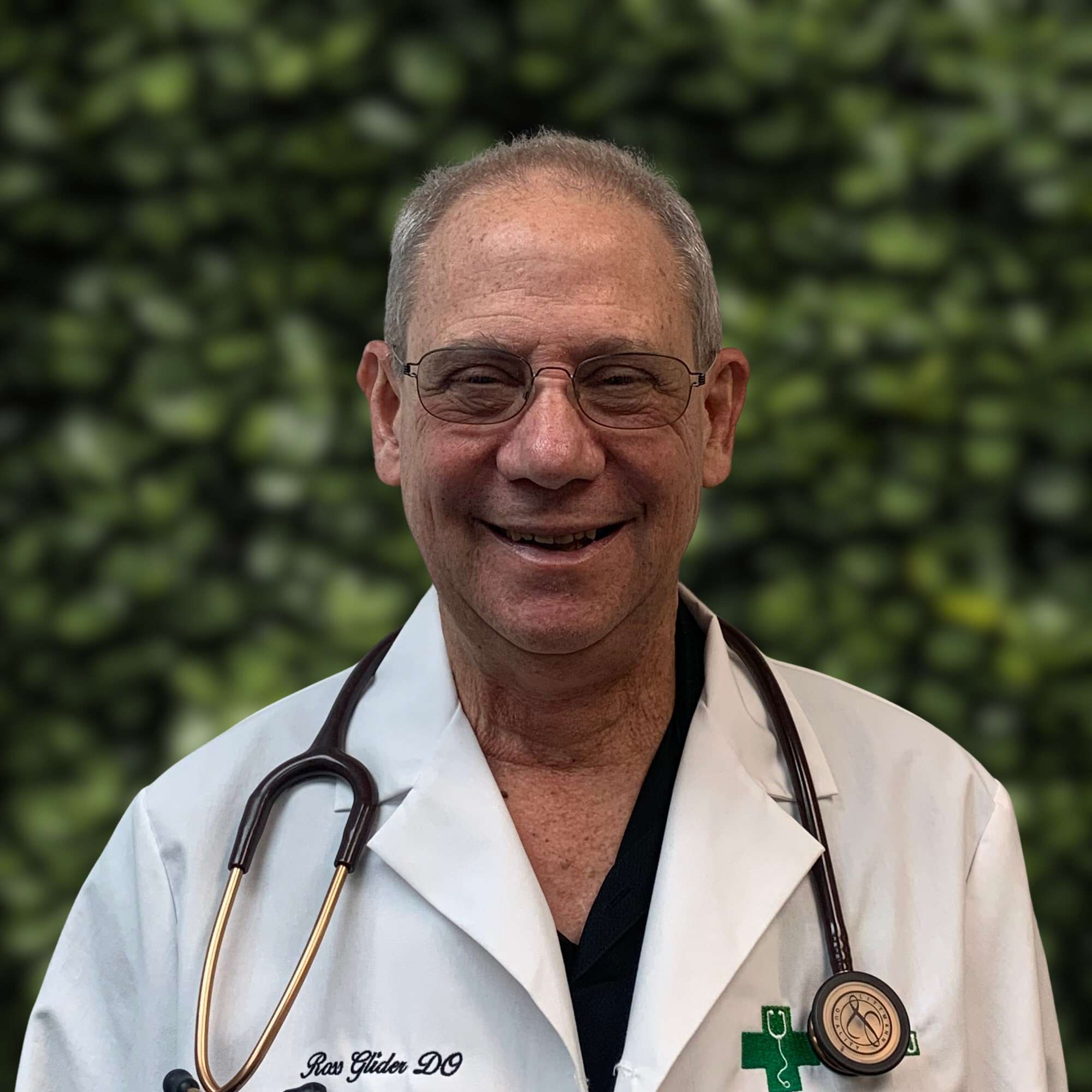
Dr. Glider is a board certified Internal Medicine Specialist. He received his Florida Medical Marijuana Physicians Certification in 2017 and was one of the first recommending physicians with DocMJ. In addition to medical marijuana recommendations, Dr. Glider continues to practice Internal and Geriatric Medicine in private practice. Additionally, he serves as Medical Director for a home health company, supervising and educating staff, as well as supervising an advanced Registered Nurse Practitioners for a transitional care program.
Dr. Glider graduated from the College of Osteopathic Medicine & Surgery in Des Moines, IA and completed his residency at Saddlebrook General Hospital in Saddlebrook, NJ. He has received several honors and awards throughout his professional career, including a City of Des Moines Merit Award and a Chamber of Commerce Award (Port St. Lucie, FL). Dr. Glider is an experienced and caring physician who is loved and respected by his peers and his patients.