
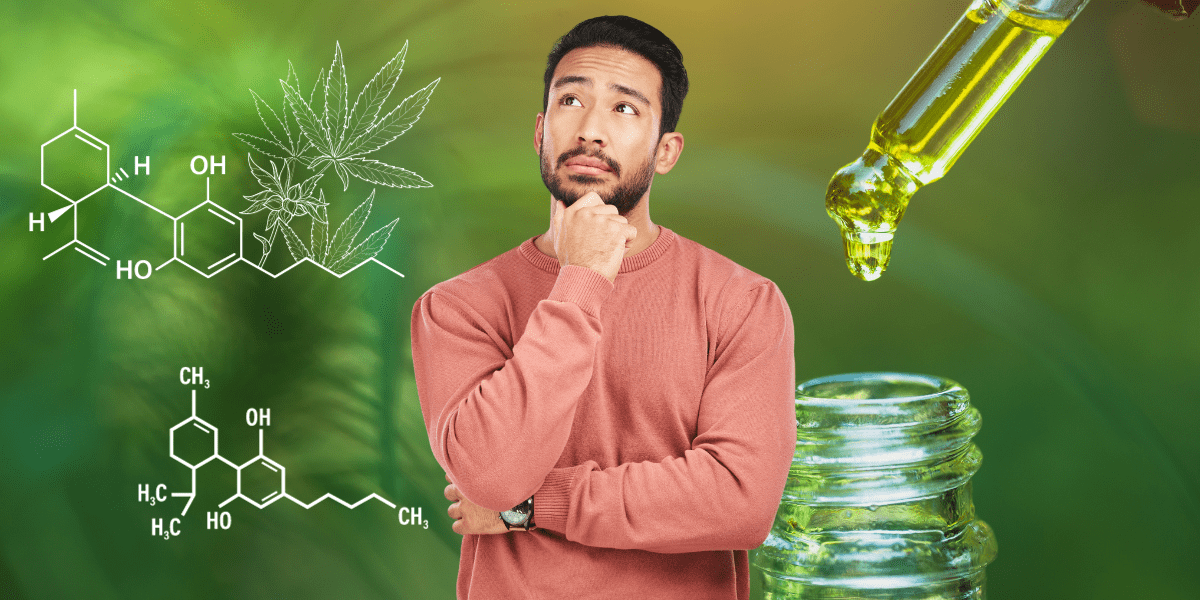
Walk down the street of any major city in America, and you are likely to pick up the scent of cannabis. Even if your state has banned medical or recreational marijuana, the scent of cannabis is easily detected at music concerts, sporting events, and other places where people gather.
You don’t have to smoke cannabis to know the scent. But if you are a cannabis user, you may identify the smell of fresh herb in a portable chillum before the average non-user will. In some cases, you may even detect some dank, skunky, or spicy scents, berry, pine, or citrus.
In the past fifty years, we’ve learned a little about cannabis and understand the role that naturally occurring terpenes play. How terpenes can contribute to the pleasing and unique scents of different strains and some of the potential wellness benefits that terpenes can provide.
A new research study has turned what we thought we knew about terpenes upside down now. And it turns out that another plant (which is not a genealogical relative to cannabis) can also produce high volumes of healthy cannabinoids.
The Discovery Changes What We Know About Cannabis Cultivars
Researchers noted that different varieties or strains of cannabis (sweet or savory) have very similar and sometimes almost identical terpene profiles. But they smell different. That made the scientific community wonder if something else, aside from terpene content, was responsible for the unique cannabis scents.
A study published by the American Chemical Society announced they had isolated “previously undiscovered cannabis compounds,” which would help answer the questions about terpenes and differentiated scents. The researchers are so confident that the newly discovered cannabis compounds are the key to the scent profile of cannabis that they have said, “…the importance of terpenes appears to be understated.”
They have called the compounds “flavorants.” The compound is in the same class as chemicals like alcohols and esters, which are categorized as volatiles that spread easily through the air as vapors. Researchers determined that flavorants are responsible for similar aromas between different strains of cannabis with different dominant terpenes.
What Makes the New Compound Different From Terpenes and Cannabinoids?
Researchers at the Abstrax extraction company stated that they discovered an entirely “new class of tropical volatile sulfur compounds or VSCs. This tropical compound is responsible for the strong citrus scents (which were attributed to the terpene limonene).
As for the strains of cannabis that are dank or have earthy, skunk, or other pungent scents, the research and development team at Abstrax isolated skatole (3-methylindole), which they feel attributes the spicier scents found in some strains of cannabis.
Skatole or 3-methylindole occurs naturally in several plants. In low concentrations, Skatole may have a pleasant floral scent, and it is already used in essential oils and perfumes. The skatole compound was already discovered in 1877 by a German physician named Ludwig Brieger. Still, the scientific community did not know it was a naturally occurring compound in the cannabis plant.
Research continues to explore the new Skatole and tropical volatile sulfur compounds to learn more about how they may influence the human endocannabinoid system.
Why is the New Discovery Important?
Scientists would like to accurately define each strain. To legitimize cannabis for medicinal purposes, researchers want to be able to create a concise profile of each strain. And that includes understanding the roles that flavonoids, terpenes, VSCs, and Skatole play in creating psychoactive and physical effects of medical marijuana.
Some day, in the not-too-distant future, there may be a directory of strains proven to help specific health conditions or symptoms. Rather than the current “try and see” method that patients use to find the optimal strains for their wellness needs.
It may also help refine cannabis extracts for products such as tinctures, capsules, and tablets specific to the patient’s needs. Just as dietary supplements can be customized, we may see a time when formulations of cannabis products are specifically tailored for each individual human body.
Cannabinoids Are Only Produced By Cannabis Plants, Right?
As if cannabis did not already throw us a curve ball with the newly discovered compound, everything we thought about cannabis may have changed. Especially now that scientists have discovered another plant that can produce high ratios of cannabinoids.
How high is a high ratio? Cannabidiol is one of the best-known cannabinoids. You may know it as CBD, and it is infused into every product imaginable, from dietary supplements to personal care products, such as soaps and shampoos, and, of course, naturally medicated products to help with chronic pain management, anxiety disorders, depression, and inflammation.
How Did Researchers Discover the Cannabinoid-Producing Non-Cannabis Plant?
A team of scientists from the Federal University of Rio de Janeiro discovered high cannabidiol concentrations in a plant called Trema Micrantha Blume. It is a shrub that is indigenous to South America and grows wild throughout the content.
To date, the scientific community thought that cannabidiol (CBD) was only found in cannabis plants and hemp. But the flowers and fruit of the Trema Micrantha Blume also have high concentrations of CBD. The only difference between the Trema Micrantha Blume CBD and conventional cannabidiol processed from cannabis plants is the absence of THC.
Agricultural hemp is used to produce consumable CBD products, such as supplements, topicals, and personal care goods. But will cannabidiol be more or less effective if derived from a new plant that has no THC content? Technically, this new discovery counts as a new cannabinoid and may have valuable medical applications.
The consensus is that THC and cannabidiol work well together (the entourage effect), but researchers will be digging in to learn more to learn if the Trema Micrantha Blume can produce higher quality cannabidiol compared to the cannabis plant.

Aaron Bloom, an experienced healthcare attorney, serves as the CEO of DocMJ and Medwell Health and Wellness Centers, where he has overseen the organizations’ mission and growth since 2016. In addition to his leadership roles, Aaron serves on the Board of Directors for Waterfall Bank, bringing his expertise in healthcare, compliance, and strategic growth to the financial services sector.
Aaron’s passion for improving patients’ lives stems from more than 20 years of owning, operating, and representing traditional healthcare organizations. Throughout his career, he has remained committed to finding better ways to relieve suffering and expand access to innovative, patient-centered care. As CEO, Aaron works each day to help patients achieve better health and wellness through the therapeutic benefits of medical cannabis and other evidence-based alternative medicines.