
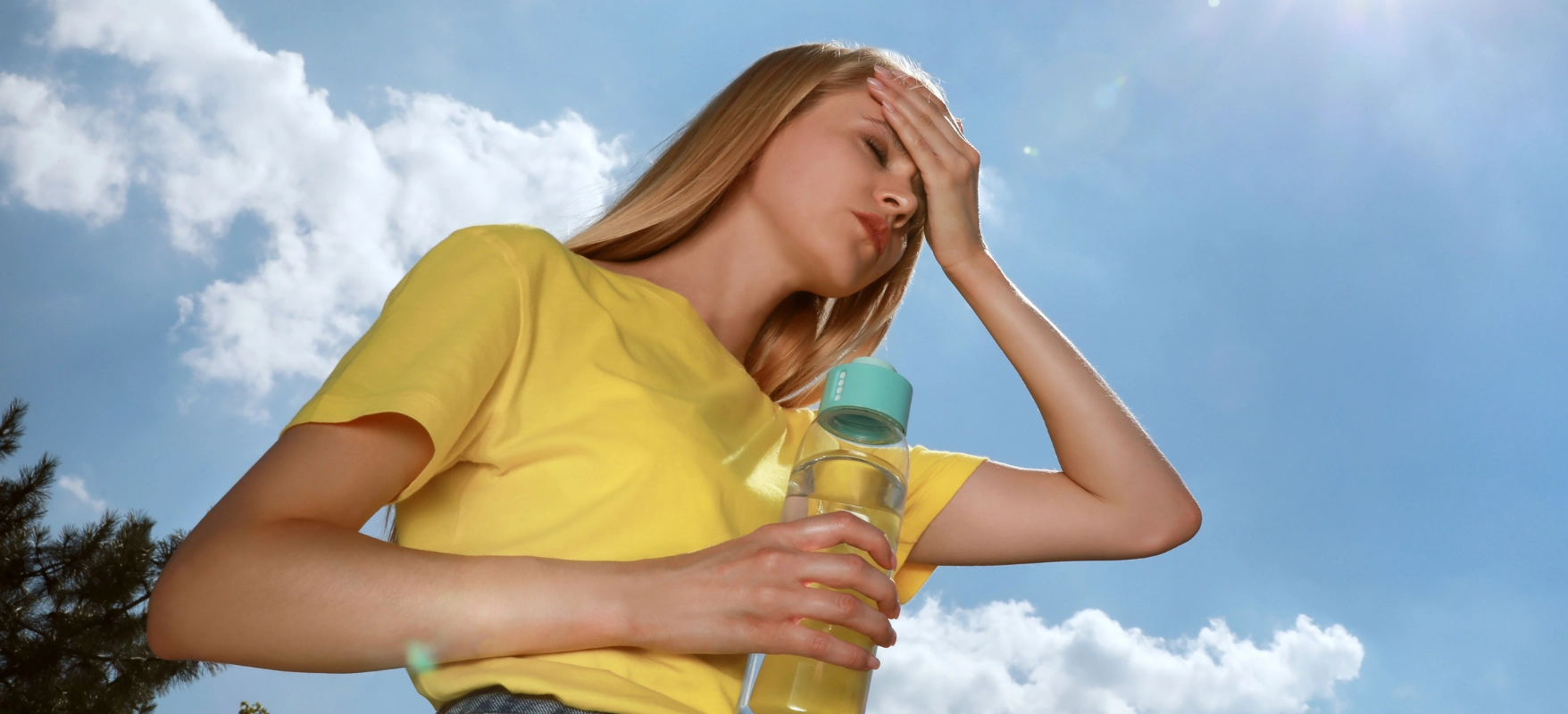
Summer heat can change how your body responds to cannabis, especially when you are active outdoors, sweating heavily, or taking medications that affect blood pressure and alertness. Medical marijuana may help manage certain symptoms, but it cannot replace water, shade, rest, cooling, or urgent medical care.
A medical marijuana clinic can help you understand how heat, hydration, dosing, and product storage work together within your treatment plan. With careful planning, you can protect your health while continuing your treatment routine during warmer days.
How Do Cannabis and Heat Affect Your Body Together?
Cannabis and heat can produce overlapping effects such as dizziness, fatigue, nausea, dry mouth, reduced attention, and changes in blood pressure. When these effects happen at the same time, it may become harder to tell whether you are reacting to THC, dehydration, high temperatures, or a combination of all three.
Your body controls temperature through sweating, blood circulation, and fluid balance. Hot weather forces these systems to work harder, especially during outdoor activity or direct sun exposure. If cannabis already makes you feel sleepy, lightheaded, anxious, or physically weak, high heat may intensify those sensations.
THC may also change how you perceive discomfort or temperature. You might feel calmer or less bothered by the weather even while your body continues to absorb heat. This can delay your response to thirst, weakness, or dizziness.
Pay attention to changes in balance, concentration, heart rate, and energy. Feeling relaxed does not mean your body is protected. Your safest response is to reduce heat exposure, move somewhere cool, drink water, and reassess how you feel before continuing activity.
Can Medical Cannabis Lower Your Body Temperature?
Medical cannabis has not been shown to lower body temperature reliably enough to protect you from summer heat. It may change how warm or uncomfortable you feel, but a change in perception is not the same as controlling your core temperature.
Some patients report feeling cooler, calmer, or less irritated after using cannabis, especially when choosing the best cannabis strains for poolside bliss. These experiences may relate to relaxation, reduced pain, or altered sensory processing, but they do not prove that THC or CBD prevents overheating.
Your body can continue accumulating heat even when you feel comfortable. This is especially important during outdoor exercise, yard work, long walks, festivals, or time spent in a vehicle without proper cooling. Cannabis effects may also make it harder to judge how long you have been outside or how strongly the heat is affecting you.
Medical marijuana cannot treat heat exhaustion or heat stroke. Water, rest, shade, cooling, and medical care remain the correct responses. If you feel confused, faint, severely weak, or unable to cool down, stop using cannabis and seek urgent help rather than assuming another dose will relieve the problem.
How Can You Stay Hydrated While Using Cannabis?
You can stay hydrated by drinking water regularly, beginning before you feel very thirsty, and replacing fluids lost through sweating. Waiting until you feel unwell may allow dehydration to develop further, especially during long periods outdoors.
Use these steps to protect your hydration:
- Drink before you leave: Begin outdoor activity already hydrated instead of trying to catch up later.
- Carry enough water: Bring enough for the full outing, including travel time and unexpected delays.
- Take regular drink breaks: Sip water throughout the day rather than drinking a large amount at once.
- Watch urine changes: Dark urine, reduced urination, or long gaps between bathroom visits may signal dehydration.
- Replace fluids after sweating: Continue drinking after exercise, yard work, or extended heat exposure.
- Ask about electrolytes: They may help after prolonged sweating, but they are not necessary for every patient.
- Follow medical restrictions: Kidney, heart, or fluid balance conditions may limit how much you should drink.
- Do not rely on cannabis beverages: They may contain THC, sugar, or other ingredients and should not replace plain water.
Dry mouth is a common cannabis effect, but it does not always mean your whole body is dehydrated. Use thirst, urine changes, dizziness, weakness, and heat exposure together when judging your hydration.
Should You Change Your Cannabis Dose During High Heat?
You should not automatically raise or lower your cannabis dose because of hot weather without considering how your body is responding. A familiar dose may feel stronger when you are dehydrated, tired, hungry, physically active, or spending a long time in high heat.
THC can contribute to dizziness, fatigue, slower reaction time, and changes in blood pressure. These are some of the things you need to know about summer highs because heat can produce similar effects, leaving you feeling weaker or more impaired than expected. Edibles deserve extra caution because their delayed onset may tempt you to take more before the first dose has fully affected you.
Keep your routine as consistent as possible and avoid making sudden changes based on a general summer rule. Track the product, amount, time of use, meals, outdoor activity, and symptoms so you can identify patterns more accurately.
Contact your clinician when a usual dose begins causing stronger cannabis effects, repeated dizziness, nausea, confusion, or difficulty functioning. A medical review can help determine whether the issue involves heat, dehydration, another medication, or your treatment plan rather than assuming the dose alone is responsible.
Which Cannabis Products Require Extra Care in Summer Temperatures?
Oils, capsules, edibles, flower, vape products, and topicals all require protection from excessive heat and direct sunlight. Summer temperatures can change texture, damage packaging, soften products, affect labels, and make accurate dosing more difficult.
Never leave cannabis products in a parked vehicle, even for a short time. The temperature inside a car can rise quickly and may damage oils, gummies, capsules, vape devices, or containers. Direct sunlight can also affect product quality and increase the risk of accidental access when items are left in open bags or visible locations.
Store products in their original, child-resistant packaging whenever possible. Keep them in a cool, dry place away from windows, pets, and children. When traveling, use a secure container and follow all applicable state laws.
Smoking or vaping outdoors may also feel harsher during hot, humid, or poor air quality days. If inhalation irritates your lungs, worsens coughing, or makes breathing uncomfortable, move indoors, stop use, and discuss other options with your healthcare professional.
How Should You Plan Cannabis Use Before Outdoor Activities?
You should plan cannabis use around the weather, activity level, transportation, hydration access, and your expected response. A safe plan helps you reduce exposure before dizziness, fatigue, or impaired judgment makes it harder to act.
Before going outside:
- Check the heat index: Air temperature alone may not show how hot conditions will feel.
- Choose cooler hours: Schedule walks, errands, or yard work earlier in the morning or later in the evening.
- Eat and hydrate first: Starting with food and water may reduce weakness or nausea.
- Bring water and a phone: Carry enough water and keep a charged phone available in case symptoms develop.
- Avoid driving: Do not drive after using THC, even when you feel alert.
- Do not swim alone: Impairment, fatigue, and heat can increase danger in or near water.
- Limit alcohol: Alcohol can worsen dehydration, sedation, and poor judgment.
- Identify a cooling location: Know where you can find shade or air conditioning.
- Tell someone your plan: Let a trusted person know where you are during longer outdoor activities.
- Leave when symptoms begin: Do not wait for dizziness, weakness, or nausea to become severe.
Outdoor activity, direct sun, and cannabis can reduce your ability to recognize danger. Planning ahead protects your health better than trying to respond after symptoms become intense.
Which Patients Need More Medical Support During Summer Heat?
Some patients need more medical support during summer heat because their health conditions, medications, or physical limitations make it harder for the body to regulate temperature and maintain proper fluid balance. Hot weather places additional strain on these systems, and cannabis may make certain symptoms more noticeable in some individuals.
Older adults often become dehydrated more easily and may not feel thirsty until dehydration has already developed. People living with heart disease, kidney disease, diabetes, low blood pressure, respiratory conditions, or limited mobility may also need a more individualized summer plan. Some medications can affect sweating, fluid balance, alertness, or body temperature, making it important to review your complete treatment plan with a healthcare professional.
If you take prescription medications alongside medical cannabis, tell your clinician about every product you use, including THC, CBD, supplements, and nonprescription medicines. Your provider can help determine whether any combination increases your risk during prolonged heat exposure.
Do not increase your water intake or change your treatment routine simply because temperatures rise. Some medical conditions require fluid restrictions, while others benefit from a different approach. Individual guidance is always safer than following general advice that may not fit your health needs.
When Do Cannabis Effects or Dehydration Require Medical Care?
You should seek medical care when cannabis effects, dehydration, or heat exposure cause symptoms that suggest your body is no longer coping safely. Recognizing these warning signs early can prevent a minor problem from becoming a medical emergency.
Mild dehydration may begin with increased thirst, dry mouth, darker urine, headache, muscle cramps, fatigue, dizziness, or weakness. If these symptoms appear, stop your activity, move into a cool environment, drink water if appropriate for your health, and allow your body time to recover. Continuing to exercise or remain outdoors can worsen dehydration.
Some symptoms require immediate emergency care. Confusion, fainting, loss of consciousness, seizures, severe shortness of breath, chest pain, persistent vomiting, or a very high body temperature may indicate heat stroke or another serious medical condition. Medical cannabis cannot treat these emergencies, and delaying treatment can place your health at significant risk.
Stay Safe This Summer With Guidance From DocMJ
At DocMJ, we help patients understand how medical cannabis fits into their overall health through comprehensive evaluations and personalized care. We review your symptoms, medications, health history, and treatment goals while answering your questions about using cannabis safely during hot weather and throughout the year. If you want trusted medical guidance tailored to your needs, contact us today. Our team is here to help you move forward with confidence.
Make Us Your Preferred Source
Enjoyed this blog? Use this link to make us your preferred source for the latest insights, tips, and updates. https://www.google.com/preferences/source?q=https://docmj.com/
When you choose us as a preferred source, you’re letting Google know you’d like to see more of our content when it’s relevant to your searches. It helps us stay connected with you and makes it easier for you to find helpful information from our team whenever you need it.
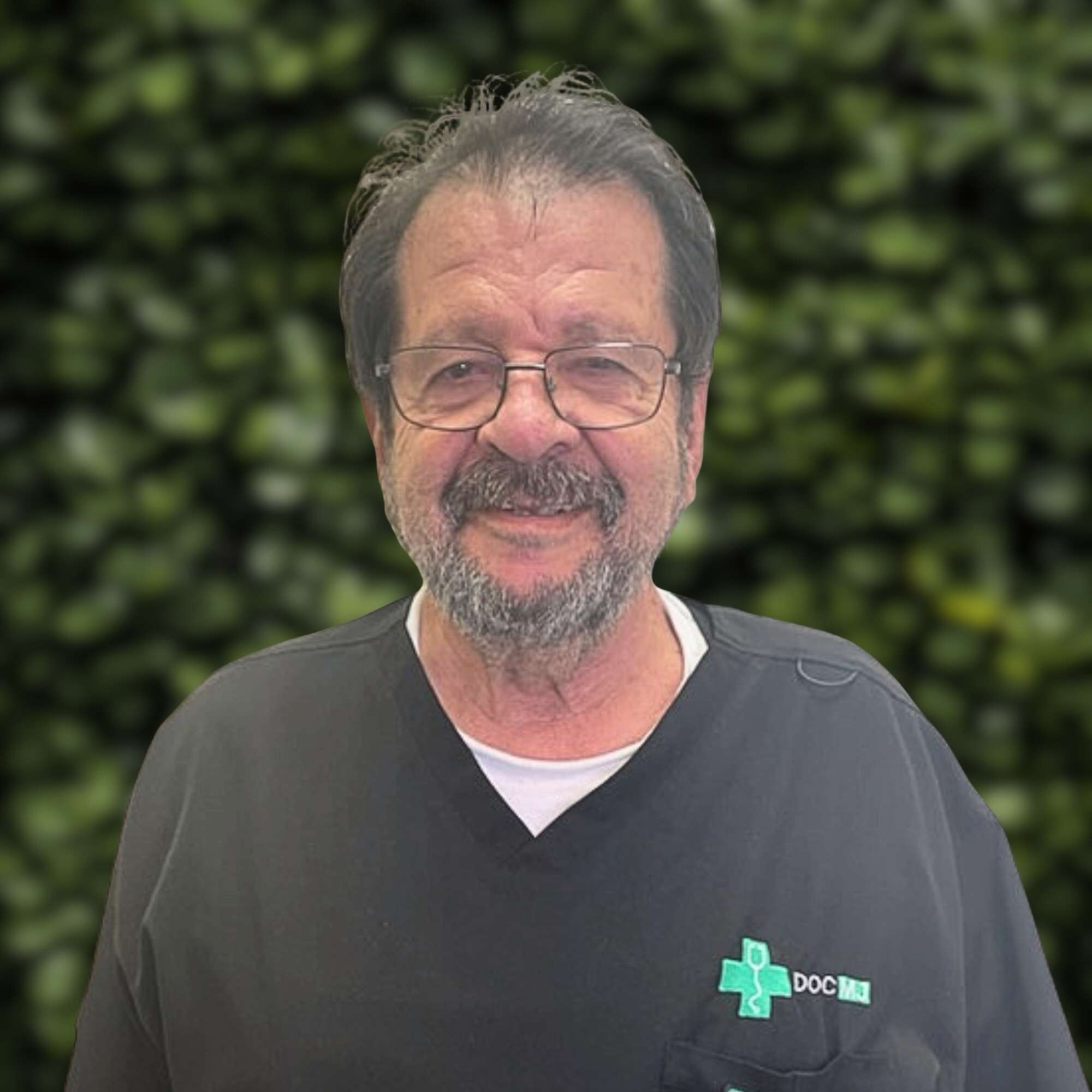
Dr. Rothman is a diplomate of the American Board of Obstetrics and Gynecology. He has received multiple special awards and recognitions, including Physician of the Year, from the Pinellas County Medical Association (2014 – 2015) and the President’s Service Award from the Pinellas County Medical Society.
He attended medical school at State University of New York Upstate Medical Center in Syracuse, New York, where he also completed his Obstetrics and Gynecology residency. In addition to practicing medicine, Dr. Rothman’s professional career includes being an Assistant Professor at the University of South Florida and Clinical Instructor at the University of Tampa’s College of Nursing.
Dr. Rothman received his Florida Medical Marijuana Physicians Certification in 2016 and was one of the first recommending physicians through DocMJ in the state and is loved by many of those early patients today.