

As of 2023, approximately 37.3 million Americans have diabetes. Of these, the vast majority, about 28.5 million, have been diagnosed with the disease, while about 8.5 million remain undiagnosed. Type 2 diabetes, the most common form, is diagnosed most in the United States. This prevalence reflects a significant public health issue, with diabetes affecting around 11.3% of the entire U.S. population. Specifically, among adults 18 and older, about 14.7% are living with diabetes, according to the Centers for Disease Control and Prevention.
We had the opportunity to interview a patient who has been living with Type 2 diabetes-related complications for almost twenty years and discuss the challenges and potential benefits that medical cannabis can provide for symptom management.
What Causes Type 2 Diabetes to Develop?
Type 2 diabetes diagnoses are increasing worldwide. In fact, the World Health Organization (WHO) recently estimated that there are over 420 million people living with Type 2 diabetes and facing diabetes-related complications.
Contemporary lifestyles have resulted in problems with glucose control. Type 2 diabetes is considered to be a preventable chronic disease, with the exception of people who face higher risks due to hereditary factors.
There are seven (7) things that can increase your risk of being diagnosed with Type 2 diabetes:
1. Genetics and Family History
Genetics plays a significant role in the development of Type 2 Diabetes. If a close family member, such as a parent or sibling, has Type 2 Diabetes, the risk of developing the disease increases. This is due to the inheritance of certain genetic mutations that affect insulin production and glucose metabolism. These mutations can lead to insulin resistance, where the body’s cells do not respond effectively to insulin.
Research has identified specific genes associated with an increased risk of diabetes, such as TCF7L2, which affects insulin secretion and glucose production. Family history combined with genetic predisposition can create an environment where other risk factors can more easily trigger the onset of diabetes.
2. Obesity and Physical Inactivity
Obesity is one of the most significant risk factors for Type 2 Diabetes. Excess body fat, particularly around the abdomen, increases the risk of insulin resistance. Fat cells, especially visceral fat, produce inflammatory cytokines and free fatty acids that impair insulin signaling pathways.
Physical inactivity exacerbates this issue as muscle contractions during exercise help cells uptake glucose, reducing blood glucose levels. Lack of regular physical activity means higher blood glucose levels and greater insulin demand, leading to pancreatic beta-cell exhaustion over time. The combination of obesity and a sedentary lifestyle is a potent driver for developing Type 2 Diabetes.

3. Diet and Nutrition
Diet significantly influences the risk of developing Type 2 Diabetes. High intake of refined sugars and carbohydrates leads to spikes in blood glucose levels, increasing the demand for insulin. Over time, this can lead to insulin resistance and pancreatic beta-cell dysfunction.
Diets high in unhealthy fats, processed foods, and low in fiber contribute to weight gain and increased insulin resistance. Conversely, a diet rich in whole grains, vegetables, fruits, and lean proteins can improve insulin sensitivity and help maintain a healthy weight. Poor dietary choices, therefore, directly contribute to the development of Type 2 Diabetes by promoting obesity and metabolic imbalances.
4. Age and Aging
The risk of developing Type 2 Diabetes increases with age, particularly after the age of 45. As people age, they tend to gain weight and lose muscle mass, factors that contribute to insulin resistance. Additionally, aging is associated with a decrease in physical activity and changes in body composition.
The pancreas’ ability to produce insulin also diminishes with age. These age-related changes, combined with a potential accumulation of genetic and lifestyle risk factors over the years, make older adults more susceptible to Type 2 Diabetes. Thus, aging is a significant contributor to the disease due to physiological changes and lifestyle factors.
5. Stress and Mental Health
Chronic stress and poor mental health can increase the risk of developing Type 2 Diabetes. Stress triggers the release of stress hormones such as cortisol and adrenaline, which can lead to increased blood glucose levels. Prolonged stress can contribute to insulin resistance and abdominal obesity, both risk factors for diabetes.
Additionally, mental health conditions like depression and anxiety can lead to poor lifestyle choices, such as unhealthy eating and physical inactivity, further increasing the risk. The interplay between mental health and diabetes is complex, but stress and mental health issues are recognized contributors to the development and progression of Type 2 Diabetes.
6. Environmental and Socioeconomic Factors
Environmental and socioeconomic factors significantly influence the risk of developing Type 2 Diabetes. Living in an area with limited access to healthy food options or safe places for physical activity can increase the likelihood of a poor diet and sedentary lifestyle. Socioeconomic status affects the ability to afford nutritious foods, healthcare, and opportunities for exercise.
Lower socioeconomic status is often associated with higher levels of stress and limited access to healthcare, which can delay the diagnosis and management of prediabetes and diabetes. Environmental pollutants and endocrine disruptors are also being studied for their potential role in increasing diabetes risk. These factors collectively contribute to the development of Type 2 Diabetes by shaping lifestyle and health behaviors.
7. Medications and Other Health Conditions
Certain medications and health conditions can increase the risk of developing Type 2 Diabetes. Medications such as glucocorticoids, antipsychotics, and some beta-blockers can lead to elevated blood glucose levels and insulin resistance. Health conditions like polycystic ovary syndrome (PCOS), hypertension, and dyslipidemia are associated with increased risk due to their impact on metabolism and insulin function.
Additionally, conditions that affect the pancreas, such as pancreatitis or cystic fibrosis, can impair insulin production. The interplay between these health conditions, their treatments, and the body’s insulin regulation mechanisms can significantly contribute to the development of Type 2 Diabetes.
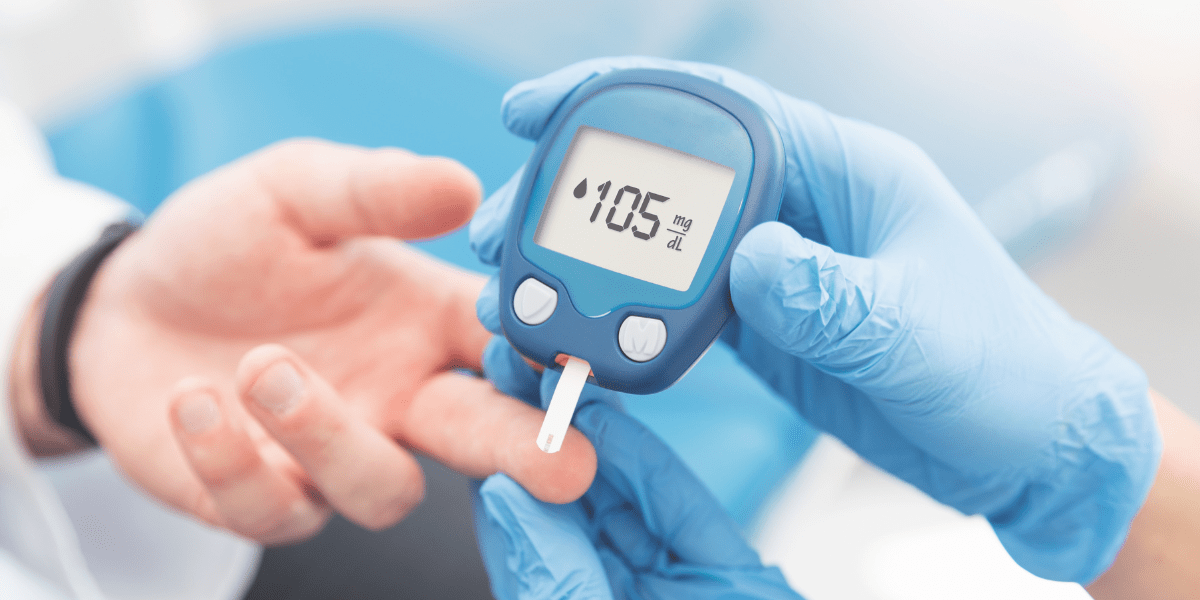
What Are The Long-Term Health Risks of Type 2 Diabetes?
Type 2 diabetes is often referred to as “the silent killer” because it may take years before the chronic disease develops symptoms that are noticeable. It is only after the body has experienced significant damage due to poor glucose control that many people with diabetes are finally diagnosed.
Even though you may not feel the effects of Type 2 diabetes, sustained high blood sugar can cause a number of serious long-term health risks.
Cardiovascular Disease
Type 2 diabetes significantly increases the risk of cardiovascular disease (CVD), including heart attack, stroke, and hypertension. High blood sugar levels damage blood vessels and the nerves that control the heart, leading to atherosclerosis, where arteries are clogged with fatty deposits. This condition reduces blood flow, increasing the likelihood of heart attacks and strokes.
Diabetic patients often have elevated levels of LDL cholesterol and triglycerides, which further contribute to the formation of plaques in arteries. Moreover, hypertension is more prevalent among those with diabetes, exacerbating the risk of CVD. Managing blood glucose, blood pressure, and cholesterol levels through medication, diet, and exercise is crucial to mitigating these risks.
Kidney Disease (Nephropathy)
Diabetes is a leading cause of chronic kidney disease (CKD) and end-stage renal disease (ESRD). High blood glucose levels damage the blood vessels in the kidneys, impairing their ability to filter waste from the blood. This damage can lead to proteinuria, where protein leaks into the urine, signaling kidney dysfunction.
Over time, CKD can progress to ESRD, requiring dialysis or kidney transplantation. Diabetic nephropathy often occurs alongside hypertension, which further strains the kidneys. Regular monitoring of kidney function and maintaining blood sugar and blood pressure levels can help prevent or slow the progression of kidney disease.
Neuropathy
Diabetic neuropathy is nerve damage caused by prolonged high blood sugar levels. This condition affects up to 50% of people with diabetes. Peripheral neuropathy, the most common form, causes pain, tingling, and numbness in the hands and feet, leading to a risk of ulcers and infections.
Autonomic neuropathy affects the nerves controlling internal organs, causing issues like bladder dysfunction, digestive problems, and cardiovascular abnormalities such as orthostatic hypotension. Managing blood glucose levels and regular foot care are essential to prevent severe complications from neuropathy.
Retinopathy and Vision Loss
Diabetic retinopathy is a leading cause of blindness in adults. High blood sugar levels damage the blood vessels in the retina, causing them to leak fluid or bleed, distorting vision. There are two types: non-proliferative retinopathy, which is less severe, and proliferative retinopathy, where new, abnormal blood vessels grow, increasing the risk of retinal detachment and blindness.
Diabetes increases the risk of cataracts and glaucoma. Regular eye exams, blood sugar control, and timely treatment can prevent or reduce the severity of vision loss.
Foot Complications
Foot complications in diabetes arise from a combination of neuropathy and poor circulation. Nerve damage reduces sensation in the feet, making injuries and infections go unnoticed until they become severe. Poor blood flow hinders healing, increasing the risk of ulcers, infections, and, in severe cases, gangrene, which may necessitate amputation.
Regular foot inspections, proper footwear, and maintaining blood glucose levels are vital to prevent these complications. Prompt treatment of any foot injuries or infections is crucial to avoid severe outcomes.
Increased Risk of Infections
People with Type 2 diabetes have a higher risk of developing infections due to impaired immune function. Elevated blood glucose levels can impair the ability of white blood cells to respond to infections. Common infections include urinary tract infections, skin infections, and respiratory infections.
Poor circulation and neuropathy also increase the risk of infections in the feet and legs. Managing blood sugar levels, maintaining good hygiene, and seeking prompt medical treatment for infections are critical for reducing this risk.
Alzheimer’s Disease and Cognitive Decline
There is a growing body of evidence linking Type 2 diabetes with an increased risk of Alzheimer’s disease and other forms of dementia. The exact mechanisms are not entirely understood, but high blood sugar and insulin resistance may contribute to the development of amyloid plaques and tau tangles, which are characteristic of Alzheimer’s disease.
Additionally, diabetes-related vascular issues can impair blood flow to the brain, leading to cognitive decline. Managing diabetes effectively through lifestyle changes and medication may help reduce the risk of cognitive impairment.

Patient Interview: How Has Cannabis Helped You With Diabetes Management?
Kimberly is a patient who started using medical cannabis about five years ago to help with symptoms of Type 2 diabetes. We were pleased to have the opportunity to interview her and shed some light on how other patients suffering from symptoms of diabetes are finding relief using medical cannabis.
When did you start using cannabis for symptom management?
I was diagnosed with Type 2 when I turned thirty-three years old. I’ve been working to manage my symptoms for over eighteen years now. My Dad was diagnosed at the age of forty-eight when he suffered a mild heart attack. Prior to that, he had no idea that he was diabetic.
After my Dad was diagnosed, several other people in our family were tested and determined to be high-risk. We were told to get tested annually, and just after my birthday, my tests came back positive. The one good thing was that only a year had gone by before I was put on oral medications to help keep my blood sugars in check.
What are some of the symptoms you noticed right after diagnosis?
I was thirsty a lot, but I never mentioned that to my doctor. I really didn’t think I was going to get diabetes, so I didn’t put much effort into researching the conditions. My family doctor had more of a “we’ll deal with it if it happens” attitude, but we never discussed some of the warning signs.
Another thing that I never connected with was going to the bathroom more than normal. I guess I had just gotten used to it, even though my friends joked around when we went out or on road trips. I needed more rest stops than most of them, but I figured since I was always thirsty and drank so much diet soda and water, it wasn’t unusual.
I always had problems with sleeping well, but I thought that was anxiety-related, not due to diabetes. I would often wake up after 3:00 in the morning or several times during the night to use the bathroom, and then I couldn’t get back to sleep. Later, a doctor helped me understand what the “dawn phenomenon” was. My blood glucose had a habit of spiking after several hours of no food, which woke me up.
When did you first experience chronic pain from diabetic neuropathy?
Diabetic neuropathy didn’t show up until I hit the age of forty-five, or about fifteen years after I was diagnosed. I started to notice that my toes and the bottom of my feet were tingling, and it was a weird sensation. Over time, that developed into numbness and more “pins and needles” sensations.
Today, the neuropathy comes and goes. Sometimes, it is just numbness and tingling, and other times, it can be shooting pain in my feet and toes. I noticed my feet get cold, and I understand that the circulation loss causes that.
So far, neuropathy has been one of the hardest things to get used to because of the pain. I never know how bad it will be until I wake up. There are also some types of shoes I can’t wear anymore, and I have to be very careful with my feet. I use a special cream to keep the skin moisturized and to make sure there are no cuts, bruises, or other things that could escalate into a serious infection.
What steps have you taken to try to reduce health complications and risks from diabetes?
The most important thing I did was educate myself about food. You have to avoid not just sugar but sodium as well. For example, I didn’t know that I’d have to police my diet more carefully. It’s kind of shocking how you don’t know until you research what is in your favorite foods.
For example, I love instant ramen noodles. I don’t eat them any more because of the carbs and because they have over 1,000 mg of sodium in a single serving. That blew my mind since you are supposed to eat less than 2,300 mg per day. Diet soda also contains a lot of sodium, and it is hidden in many foods, like ketchup, salad dressings, and some instant foods labeled as “healthy.”
Many low-carbohydrate foods that you think you can eat actually have high sodium. Finding foods and snacks that are low carb, high fiber, and low sodium is tricky. I rarely eat out at restaurants, and fast food isn’t for me anymore. For example, a Big Mac combo has over 1,200 mg of sodium.
Since I cut out almost all high-sodium foods (and fast food), I have lowered my blood pressure. Diabetics are prone to kidney damage, and sodium hurts your kidneys just as much as high-fat or high-carbohydrate diets.
Stress is also a deal breaker for people like me with diabetes. It increases your blood pressure, and cortisol (stress hormone) also has a negative impact on glucose control. If you are stressed out or suffer from anxiety, learning to manage stress is very important. You can eat the perfect diabetic diet, and cortisol can still increase your blood sugar.
Since 2009, I have lost over one hundred pounds, and I am fifty pounds away from my goal weight. The less fat you have, the less insulin resistance you have, and the easier it is to regulate your blood sugar. It’s really hard to be disciplined about what you eat and to find the time to prepare healthy, low-carb meals. But when you consider how important it is to try to reduce some of the risks and complications of diabetes, it’s definitely important and worth the effort.

How does medical cannabis help with your symptoms?
One of the things I am aware of is how easy it is to build up a tolerance for pain medications. My Mom’s friend had diabetes, and she took a lot of pain medications and found that, eventually, they just didn’t work for her. And then she had nothing that could help with her foot and leg pain. I am also worried about the long-term effects of using prescription pain medications and the potential to become addicted to them.
Right now, I find cannabis is very effective for pain management. I do not take prescription pain medications and rarely use over-the-counter drugs like Advil or Tylenol for my foot neuropathy. I also find that if my anxiety is high, my neuropathy can flare up, and cannabis also helps me relax and tone down stressful feelings.
Because anxiety can also increase your blood pressure, I find that medical cannabis helps in many ways. My daytime dose is very low THC (around 7%), which is enough to provide relief without interfering with my ability to concentrate and work. In fact, when pain and anxiety symptoms are in check, I find I am even more productive working from home.
Has medical cannabis helped lower your AIC?
I have this conversation with my doctor a lot. I personally think it’s made a big difference. My doctor didn’t recommend medical cannabis, but my A1C has improved. He believes it may be due to lower anxiety and the anti-inflammatory effects of cannabis.
Personally, I know that it is working for me. My anxiety is better controlled, and I sleep better (which also reduces inflammation and stress in my body). Being able to sleep through the night and not waking up because of foot pain has really improved my life.
Do you think more patients with Type 2 diabetes should explore medical marijuana use?
I think that legalized medical marijuana has provided new alternatives for pain management, which may be safer than prescription pain medications. I don’t get the same negative side effects using medical marijuana compared to prescription pain drugs.
My doctor did discuss the risk factors of diabetic ketoacidosis. For some people, cannabis can increase their risk of DKA and HK-CHS (hyperglycemic ketosis cannabis hyperemesis syndrome). There are test strips you can use at home to check for ketoacidosis, and if your doctor doesn’t suggest it, you can also make sure you do a urine analysis to check your ketones annually. More often, if you have had problems with ketoacidosis in the past.
There are some new studies that state cannabinoids can actually help improve insulin sensitivity. Fasting glucose levels were lower for people with Type 2 who regularly use cannabis. Between that and the effective anxiety and pain relief, I think it’s an option that more people should explore with their doctor.
Finding cannabis products with high levels of CBD can be hard, depending on where you live. My doctor suggested I take a daily CBD supplement to help with chronic inflammation. There are a lot of CBD products out there, and it’s important to do your research. I tried a few CBD oils and supplements with no results until I learned how to tell the “fake products” from the real ones.

With over 25 years of specialty training in Internal Medicine, as well as fellowship training in Functional and Sexual medicine, Dr. Maginso added Plant Medicine (Medical Marijuana) to her niche practice as of 2017. She is licensed in the State of Florida and attended the University of the East (UERM) in Quezon City, Philippines as well as the University of Medicine and Dentistry in Newark, NJ.
She joined DocMJ in 2019 to align with a known group of compassionate physicians that empower their patients to be better versions of themselves. Her favorite hashtag is #powerpassionperformance, using the combination of optimized bioidentical hormones, medical marijuana, plasma therapies, and sexual wellness.
She is an author, speaker and community advocate for Medical Marijuana, Sexual Health, and the empowerment of mature women.