
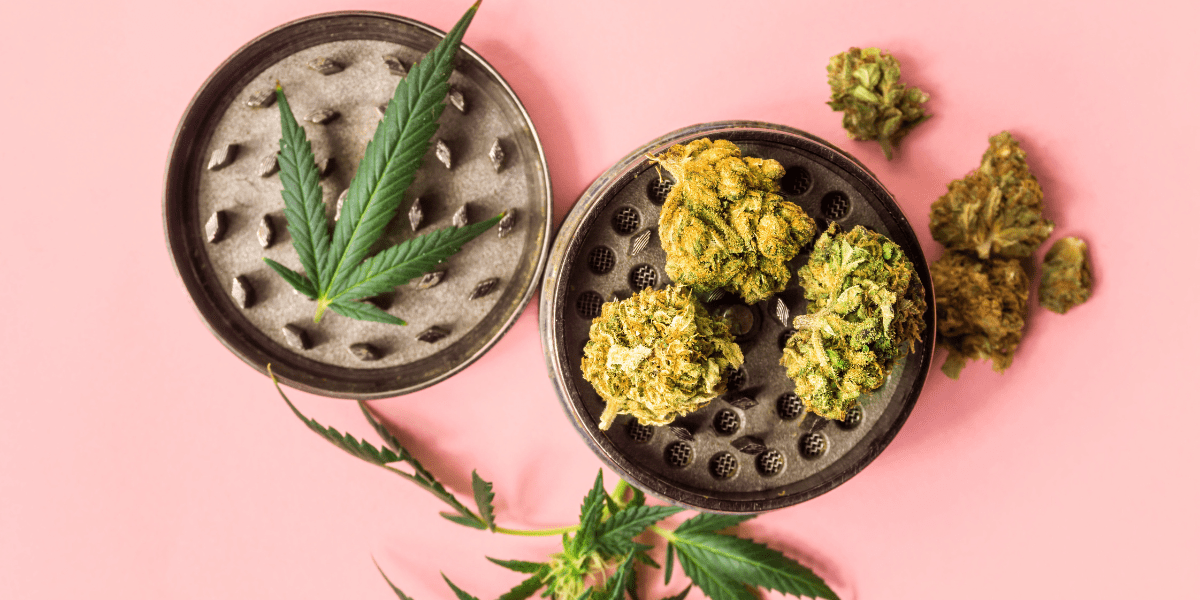
Medical cannabis has helped millions of Americans improve their quality of life by presenting a new alternative health option to improve symptom management. For patients who cope with debilitating symptoms, cannabis can be effective at providing temporary relief from pain, muscle spasms, nausea, symptoms of anxiety, depression, and more.
Like most things in life, medical cannabis should be used in moderation for the best results. However, the potential to use higher potency products or take excessive doses of cannabis is high for patients who want relief.
Over time, your body can develop a tolerance to cannabis. When that happens, the comforting relief of symptoms can be compromised, leaving patients with one less therapeutic resource to address symptoms.
Let’s dive into all the things you should know about marijuana tolerance and how to manage your use of medical cannabis so that it can continue to provide the relief you rely on.
How Cannabis Tolerance Develops

The first thing to understand is that humans have different levels of tolerance for any controlled substance. For example, you may know someone who can consume cannabis and not seem impaired, while others can take half a gummy and need an immediate nap.
Over time, your body can develop a tolerance to cannabis, which reflects physical changes that happen as a result of excessive exposure to cannabis. How much cannabis (or what potency) causes this, and how long it takes, varies by individual.
Receptor Desensitization
Prolonged exposure to cannabinoids, particularly THC, can lead to desensitization of cannabinoid receptors. Repeated activation of these receptors can cause them to become less responsive to the effects of THC, requiring higher doses to achieve the same effects.
Downregulation of Receptors
Chronic use of cannabis can also lead to downregulation of cannabinoid receptors. This means that the number of available receptors decreases in response to continuous stimulation by THC, reducing the overall sensitivity of the ECS to cannabinoids.
Changes in Neurotransmitter Release
THC affects the release of neurotransmitters such as dopamine, serotonin, and glutamate, which play roles in mood regulation, reward processing, and cognitive function. With continued use, the brain may adapt by altering neurotransmitter release patterns, leading to tolerance.
Enhanced Metabolism of Cannabinoids
The body may become more efficient at metabolizing cannabinoids over time, leading to faster clearance from the bloodstream. This can result in decreased duration and intensity of the effects of cannabis, contributing to tolerance.
Development of Cross-Tolerance
Chronic use of cannabis may also lead to cross-tolerance with other substances that act on similar neurotransmitter systems. For example, individuals who develop tolerance to the effects of THC may also show tolerance to the effects of other drugs that interact with cannabinoid receptors, such as opioids.
Individual Variability
Tolerance to cannabis can vary widely among individuals and depends on factors such as genetics, frequency, and duration of use, dosage, method of administration, and overall health status. Some individuals may develop tolerance more rapidly or to a greater extent than others.
Regionally Selective Downregulation
Regionally selective downregulation refers to the phenomenon where certain regions of the brain experience a decrease in the number or sensitivity of cannabinoid receptors (CB1 receptors) in response to chronic cannabis use. This downregulation is specific to particular regions rather than occurring uniformly.
Cannabinoid receptors, particularly CB1 receptors, are distributed widely throughout the brain, with high concentrations in areas associated with cognitive function, memory, mood regulation, pain perception, and reward processing. When cannabis is consumed, the active compounds, such as THC, bind to these receptors and activate signaling pathways that produce various physiological and psychological effects.
With repeated exposure to cannabinoids, especially THC, the brain may adapt by reducing the availability or responsiveness of CB1 receptors in specific regions. This downregulation is thought to be one of the mechanisms underlying the development of tolerance to cannabis, as it diminishes the sensitivity to the effects of THC.
Regionally selective downregulation means that certain processing regions may exhibit more pronounced decreases in cannabinoid receptor density or activity compared to others. For example, areas involved in the regulation of mood and reward, such as the nucleus accumbens and amygdala, may experience greater downregulation, leading to tolerance and potential changes in emotional processing and motivation.
This phenomenon of regionally selective downregulation highlights the complexity of your body’s response to chronic cannabis exposure and underscores the need for further research to better understand how alterations in cannabinoid receptor expression contribute to tolerance, dependence, and other long-term effects of marijuana.
Who Is Most Likely To Develop Cannabis Tolerance?
Several factors can influence an individual’s likelihood of developing tolerance to cannabis. While tolerance can develop in anyone who uses cannabis regularly, certain factors may increase the risk or speed at which tolerance develops. Here are some factors:
- Frequency and duration that cannabis is consumed.
- Use of higher doses and potencies.
- Method of administration (inhalable cannabis is linked to building tolerance more quickly than other types of intake methods).
- Genetic factors (some people metabolize cannabis more readily, making them more prone to developing a tolerance).
- Age (young adults may be more prone to developing a tolerance to cannabis because of ongoing development and neuroplasticity). The earlier marijuana use begins, the higher the risk of developing a tolerance and other adverse effects.
- Pre-existing conditions that impact metabolism or neurotransmitter systems may increase the potential to develop a cannabis tolerance.
Overall, while anyone who uses cannabis regularly is at risk of developing tolerance, individuals with higher frequency and duration of use, higher doses, certain genetic predispositions, and other risk factors may be more likely to experience tolerance to cannabis.
Marijuana tolerance is linked to higher levels of cannabis consumption. Chronic daily cannabis smokers have the highest risk of developing tolerance. However, being aware of this issue and taking a cannabis tolerance break intermittently can help reduce risks.
What Happens After You Build a High Tolerance to Medical Marijuana?

You may have noticed that the same strains of cannabis that you use are no longer doing the trick and providing the same level of symptom relief you are used to. That is the first sign that your body is developing a tolerance to cannabis.
People who have an increased level of tolerance for cannabis can face adverse outcomes:
Increased Dosage Requirement
Individuals may require higher doses of medical marijuana to achieve the same therapeutic effects they experienced initially. This escalation in dosage can lead to increased consumption and potential adverse effects associated with higher doses.
Diminished Therapeutic Efficacy
One of the most significant risks of using too much cannabis (or higher than average potencies) is that, over time, cannabis may become less effective at providing symptom relief. One day, you notice that medical cannabis is not working the way that it used to. That is the first red flag that many patients see when they use medical cannabis for a long period of time.
Because many patients with chronic pain and other conditions may have already developed a tolerance to prescription medications, such as opioids or NSAIDs, medical cannabis provides additional resources to cope with symptoms.
Potential for Dependency
High tolerance to medical marijuana can increase the risk of dependency, where individuals may feel compelled to use it regularly to maintain symptom relief or to avoid withdrawal symptoms. Dependency can lead to problematic patterns of use and interfere with daily functioning.
Adverse Health Effects
Chronic, high-dose use of medical marijuana can lead to various health effects, including respiratory issues, cognitive impairment, memory problems, emotional disturbances, and potential addiction or substance use disorder. Tolerance breaks can be an effective way to lower your risks.
Interference with Treatment Plans
Tolerance to medical marijuana may complicate treatment plans, as higher doses may be necessary to manage symptoms, potentially limiting the effectiveness of other medications or therapies due to drug interactions or side effects.
Need for Dose Adjustment or Alternative Therapies
Individuals with high tolerance to medical marijuana may need to work closely with healthcare professionals to adjust their dosage regimen or explore other methods to manage their symptoms effectively. This may involve trying different strains, methods of administration, or adjunct treatments.
Overall, managing tolerance to medical marijuana requires careful monitoring, regular reassessment of treatment plans, and collaboration with healthcare providers. If you are experiencing negative side effects from regular use, talk to your cannabis healthcare provider.
Cannabis Tolerance May Cause Increased Adverse Health Effects
Developing a tolerance to cannabis can lead to several adverse effects, especially if the individual needs to continue using it for therapeutic purposes. Here are some potential adverse effects:
Increased Consumption
Tolerance may lead to the need for higher doses to achieve the desired therapeutic effect, increasing the risk of dependency and potential negative health consequences associated with excessive use.
Respiratory Issues
Continued use of cannabis, especially through smoking, can lead to respiratory problems such as chronic bronchitis, coughing, and increased phlegm production. Inhalable intake methods (smokable or vape) present the most significant risks to cardiovascular and respiratory health.
Memory Impairment
Chronic use of marijuana, particularly at high doses, can impair short-term memory and cognitive function, affecting daily functioning and overall quality of life.
Psychological Dependence
Tolerance can lead to psychological dependence, where the individual feels a compulsive need to use cannabis despite negative consequences, potentially impacting mental health and well-being. For individuals with moderate to severe symptoms, taking a tolerance break should be planned with the help of a medical professional.
Withdrawal Symptoms
If tolerance develops and the individual tries to cut back or stop using cannabis, they may experience withdrawal symptoms such as irritability, stress, insomnia, decreased appetite, and mood swings. Human research is limited, but many people report experiencing withdrawal symptoms.
Increased Risk of Addiction
Tolerance may increase the risk of developing cannabis use disorder (CUD), characterized by problematic patterns of cannabis use despite negative consequences, which can significantly impact physical and emotional health.
Negative Impact on Mental Health
Chronic cannabis use, especially in individuals with underlying psychological health conditions, can exacerbate symptoms such as anxiety, depression, psychosis, and paranoia, worsening overall mental well-being.
Cognitive Decline
Long-term tolerance to cannabis may contribute to cognitive decline, particularly in executive functions such as decision-making, attention, and problem-solving, potentially impairing overall cognitive abilities.
It’s essential for individuals using cannabis for therapeutic purposes to regularly reassess their dosage and consumption patterns under the guidance of healthcare professionals to minimize the risk of tolerance and associated side effects of marijuana use.
Taking Marijuana Tolerance Breaks
Experienced patients who rely on medical cannabis understand how important (and easy) it is to take a tolerance break. Put simply, you reduce the amount of cannabis you are consuming and adjust to the lowest possible potency for a period of time.
During a cannabis tolerance break, patients may find that their symptoms become more uncomfortable. Discussing concerns about tolerance with your DocMJ cannabis healthcare provider is an important first step.
Your physician can recommend a step-down plan and guide you through the process of taking a tolerance break. The provider can also recommend adjunct therapies (such as full-spectrum CBD supplements, heat or cold applications, cannabis topical creams, and other methods to help you moderate your symptoms.
If manageable, many physicians recommend abstaining from cannabis use for twenty-one (21) days. That allows your body to essentially reset by purging THC from your system. After that, you may choose to resume using medical cannabis, but closely monitor the quantity you are consuming and choose the lowest possible potency to avoid problems.
Resetting your mind and body with marijuana can include meditation. It should always be done with the guidance of your certifying physician. Problems with cannabis tolerance can be added to your chart to help you moderate use.

Aaron Bloom, an experienced healthcare attorney, serves as the CEO of DocMJ and Medwell Health and Wellness Centers, where he has overseen the organizations’ mission and growth since 2016. In addition to his leadership roles, Aaron serves on the Board of Directors for Waterfall Bank, bringing his expertise in healthcare, compliance, and strategic growth to the financial services sector.
Aaron’s passion for improving patients’ lives stems from more than 20 years of owning, operating, and representing traditional healthcare organizations. Throughout his career, he has remained committed to finding better ways to relieve suffering and expand access to innovative, patient-centered care. As CEO, Aaron works each day to help patients achieve better health and wellness through the therapeutic benefits of medical cannabis and other evidence-based alternative medicines.