

Twenty years ago, we could have never guessed that we’d be able to talk to our doctor through a smartphone or tablet at home instead of flipping through old magazines while sitting in a crowded waiting room. That futuristic vision existed on Star Trek, but it wasn’t available to the average American.
During the COVID-19 health emergency, remote clinical services became a lifeline connecting patients and physicians. America stepped into telehealth and telemedicine to ensure the continuum of care during the health crisis. Online healthcare services were critical during the pandemic and became widely adopted (and trusted) by both patients and providers.
Since 2021, many states have made telehealth delivery a permanent option for patient care instead of a “temporary measure” employed during the pandemic. That is excellent news for patients, as online delivery of health services is more affordable, convenient, and accessible.
The terms are interchangeable, but what is the difference between telehealth and telemedicine services? They are two sides of the same coin, ensuring quality patient care no matter where you live.
What is Telehealth?
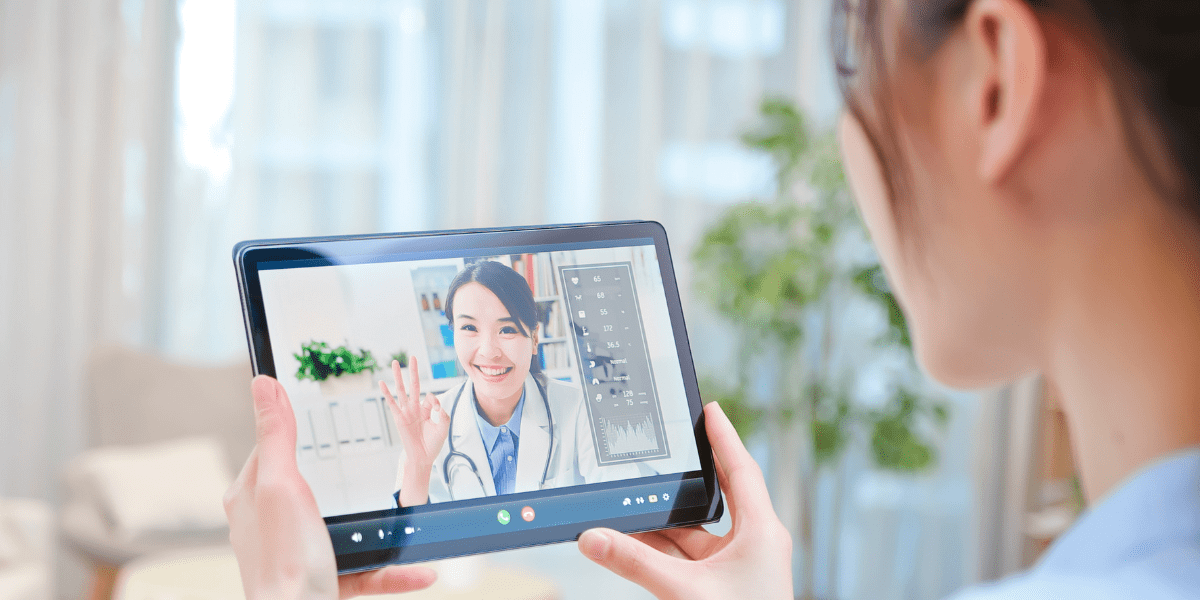
Telehealth is a modern approach to healthcare that allows patients to connect with their doctors and medical professionals remotely, using technology like video calls, phone calls, or secure messaging. This means you can receive medical advice, follow-up care, prescription medication, and even some treatments without visiting the doctor’s office in person.
Using remote healthcare services is convenient, especially for those with mobility issues, busy schedules, or who live in remote areas. Telehealth refers specifically to services provided by healthcare professionals that would normally be conducted during doctor office visits.
When Do Patients Use Telehealth Services?
Telehealth refers to virtual visits for patient care, where patients can discuss symptoms, receive diagnoses, manage chronic conditions, and get prescriptions, all through virtual communication. This method of care is designed to be safe, private, and efficient, making healthcare more accessible, affordable, and flexible for everyone.
The following patient care can be delivered through telehealth:
- Initial or follow-up consultations with doctors or specialists.
- Post-surgery care and consultation.
- Monitoring and managing chronic conditions such as diabetes, hypertension, and asthma through regular virtual check-ins.
- Accessing therapy, counseling, and psychiatric care.
- Requesting and receiving prescriptions or refills without needing an in-person visit.
- Consulting with healthcare providers about minor illnesses like colds, flu, and minor injuries.
- Getting referrals to specialists after a primary care consultation.
- Engaging in preventive care services such as wellness checkups, nutritional counseling, and health education.
- Conducting follow-up appointments after surgery to monitor recovery and address any concerns.
- Reviewing test results, X-rays, or other imaging with a healthcare provider.
- Receiving guided physical therapy exercises and instructions virtually.
- Sharing images or videos of skin conditions for evaluation by a dermatologist.
- Discussing medication plans, side effects, and adjustments.
One of the greatest advantages of telehealth services is a shortened wait time for patients. We all know that scheduling an appointment with healthcare providers can take time, even more so if you need to consult with a specialist. For non-emergency needs, patients can usually find a same-day appointment with an in-network provider to provide remote clinical services.
What is Telemedicine?

Delivering patient care outside of the doctor’s office requires many types of secure, HIPAA-compliant software and organizational care systems. That is where telemedicine comes in.
Examples of telemedicine services include:
- Electronic health information (EHIs) that allow patient-authorized practitioners.
- Remote monitoring devices that report data in real time to healthcare professionals. This includes blood pressure monitors and glucose-tracking wearable devices that report data in real time to the patient’s healthcare provider.
- Online administrative meetings between healthcare providers to coordinate patient care.
- Patient education that is delivered online, or continuing medical education for practitioners or other professional health-related education.
- Consumer fitness apps.
- Secure video conferencing platforms that allow the patient and healthcare provider to talk.
- E-prescribing software allows prescriptions to be processed.
- Store-and-forward technology that allows providers to securely share diagnostic information, like X-rays, blood test results, cardiography, and more.
Healthcare delivery has improved with advanced technology that allows real-time interaction between patients and providers if needed. Remote monitoring has expanded mobile health and revolutionized nonclinical services for patients in rural communities, and individuals with mobility challenges.
The terms telemedicine and telecare are often used interchangeably and refer to the hardware and software devices that improve the healthcare delivery system. It has made a big difference in the lives of American patients, which is why telemedicine and telehealth are here to stay.
What is the Difference Between Telehealth and Telemedicine?
Telehealth is an expansion of telemedicine services that go beyond the direct doctor-patient relationship. It can involve care coordination between nurses, social workers, mental health professionals, specialists, physiotherapists, and more to deliver all (or most) of the care a patient would receive in a doctor’s office.
Telemedicine refers specifically to the health resources services administration that a patient receives. Patients can use telehealth and telemedicine for a holistic approach to wellness. Often, health conditions are complex and involve many different variables, which require support, education, and care.
Telehealth and telemedicine combined embody those additional resources to help people achieve their symptom management and wellness goals.
How Does DocMJ Use Telehealth and Provide Telemedicine Services?

If you have never experienced telehealth and telemedicine services, you may have many questions to ask. Patients may wonder if attending a telehealth appointment is difficult or whether the appointment will be too long (or too short) when they wish to become a certified medical cannabis patient.
DocMJ cannabis healthcare providers take as much time as you need to answer questions you have about medical cannabis. The certification appointment is a health check and review of current prescription medications and your health history.
The provider will ask questions about your symptoms, including the severity of your discomfort and frequency or how often you experience debilitating effects of chronic pain, anxiety, depression, muscle spasms, insomnia, and more.
Why Choose DocMJ to Apply For Your Medical Cannabis Card?
Whether you visit a DocMJ Doctor at an office in Florida or complete your first certification (or recertify) online, we deliver compassionate patient care and provide ongoing education, resources, and support for our patients. We have seen the difference that medical cannabis can have on the quality of life for our patients.
DocMJ is more than an appointment to qualify for your medical cannabis card; we’re a wellness community focused on helping patients feel better and use cannabis safely with the guidance of an experienced practitioner.

A U.S. Army Reserve Veteran (Major), Dr. Dotson graduated from the University of Tennessee Center for the Health Sciences, College of Medicine. Dr. Dotson also served as Clinical Adjunct Faculty at the Debusk College of Osteopathic Medicine. For more than thirty years, Dr. Dotson has provided quality patient care specializing in ophthalmology and family medicine, and he is a Certifying Physician for DocMJ.