
As you consider the intersection of medical marijuana use and concealed carry permits, you must navigate a complex legal landscape where state and federal laws often diverge. Under federal law, marijuana remains classified as a Schedule I controlled substance, which implies a federal prohibition on its possession, use, and distribution. This classification creates a legal paradox for medical marijuana users, as federal law also governs the possession of firearms and issues surrounding gun ownership.
State laws, however, can vary significantly in their handling of medical marijuana and firearm regulations. Some states have legalized the use of medical marijuana and permitted concealed carry of firearms for eligible individuals. These same states have developed guidelines that allow registered medical marijuana patients to apply for concealed carry permits. But you must understand you must understand that compliance with state law does not exempt you from federal regulations that still consider marijuana usage as a disqualifying factor for firearm possession.
Your ability to legally obtain or retain a concealed carry permit while being a medical marijuana user is dependent on an evolving legal environment. It would be best to stay informed about the current federal stance and the specific provisions of your state’s laws. The apparent conflict between state and federal regulations means that engaging in one right could potentially jeopardize the other, and remaining compliant necessitates a clear understanding of all legal obligations.
Legality of Medical Marijuana

The complexity of the legality of medical marijuana stems from the differing views of federal and state regulations. Understanding your rights and the differences between federal and state laws can be essential.
Federal vs. State Regulations
Federal Law maintains that marijuana is classified as a Schedule I controlled substance. This classification indicates that, federally, the possession, sale, or use of marijuana for any purpose is illegal. However, numerous state laws have diverged from federal policy, legalizing the use of marijuana, specifically for medical purposes. As of now, medical marijuana is legal in many states, which provide their regulatory frameworks for the licensing and distribution of the drug.
- Federal View: Marijuana is a Controlled Substance, illegal for all purposes.
- State View: Medical marijuana, with varying degrees of regulation, is legal in many states.
Medical Marijuana Cards and Licenses
To legally access medical marijuana in states where it is permitted, you are typically required to obtain a Medical Marijuana Card or a Medical Marijuana License. State health departments issue these and signify that you have met specific medical criteria. Possession of such a license allows you to purchase, possess, and consume medical marijuana as per the specific state laws governing your area.
- Medical Marijuana Card: Proof of the right to access medical cannabis per state regulations.
- Licensing Process: Varies by state; involves medical documentation and often a fee.
Concealed Carry Permits and Regulations
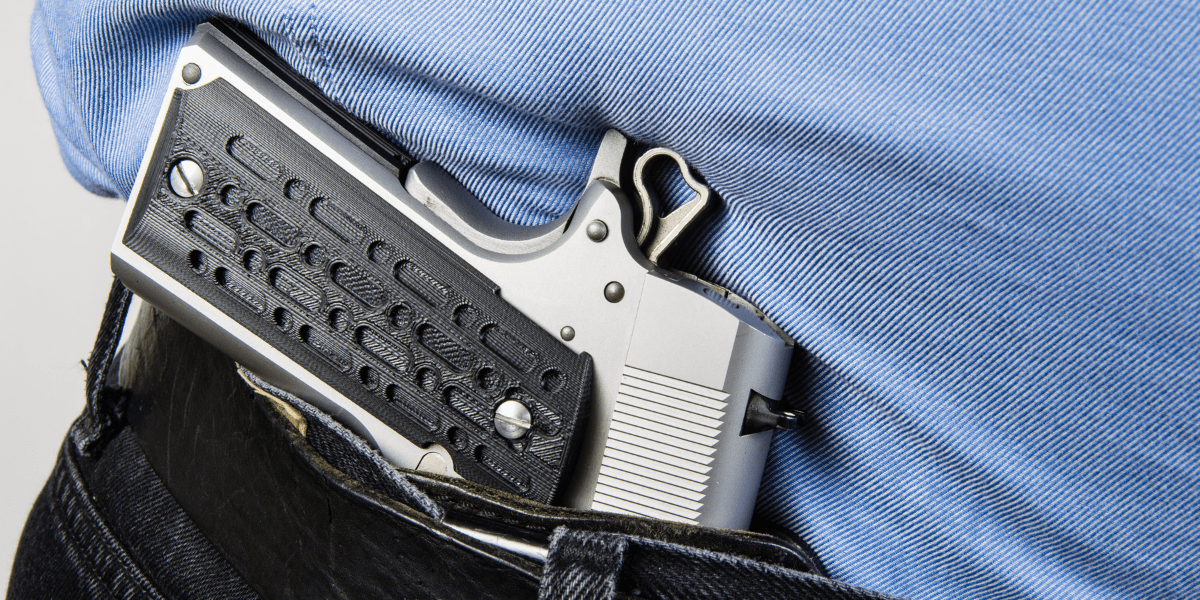
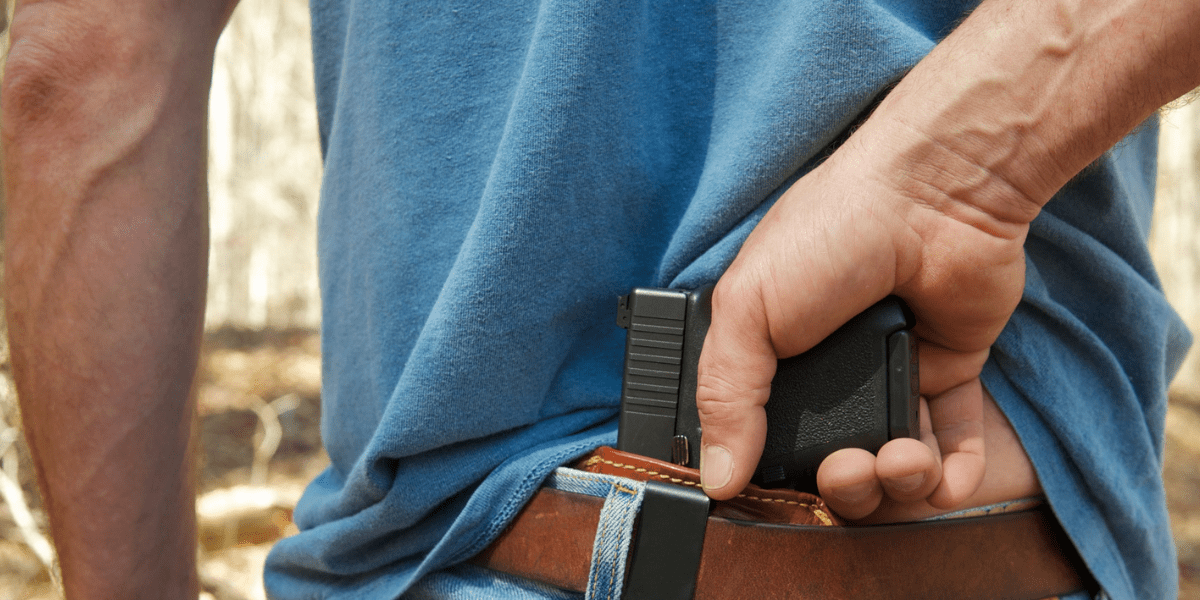
When considering carrying a concealed weapon, you must navigate a complex set of laws and requirements. Understanding the process for obtaining a permit and the possible reasons for revocation is crucial for staying compliant with state and federal regulations.
Obtaining a Concealed Weapons Permit
- Eligibility Check: You need to meet specific criteria, which typically include being of a minimum age—often 21—having no felony convictions, and completing a firearms training course. For instance, in Florida, the requirements include being 21 or older and demonstrating competency with a firearm (Florida Department of Agriculture and Consumer Services).
- Background Check: A thorough background check ensures you are not prohibited from possessing a firearm under the Gun Control Act. This step is crucial for public safety.
- Documentation: The necessary documents, such as identification, proof of residency, fingerprints, and a certificate of completion from a firearms training course, must be submitted. In Texas, for example, you must provide proof of residency and may be required to submit fingerprints electronically through an approved service (Texas Department of Public Safety).
- Fees: You must pay the state fees associated with the CWP application process. The amount can vary from state to state.
Each state has its own set of regulations and processes. The Florida Department of Agriculture and Consumer Services handles the licensing (Florida Department of Agriculture and Consumer Services). In Texas, the Department of Public Safety is the responsible authority (Texas Department of Public Safety).
Meanwhile, in Ohio, new residents who wish to carry a concealed firearm must obtain an Ohio Concealed Handgun License (CHL) and meet the state’s residency requirements (Ohio Attorney General). It’s essential to check with the relevant state authorities to ensure compliance with all local laws and regulations.
Restrictions and Revocations
Your right to maintain a Concealed Weapons Permit comes with stipulations, and failure to adhere can lead to its revocation:
- Unlawful User Status: If you’re deemed an “unlawful user” of controlled substances under the Gun Control Act, you could lose your permit.
- Violating Permit Terms: Carrying a weapon in prohibited areas like government buildings or schools may result in permit revocation.
- Criminal Charges: Being charged with certain crimes may affect your permit status.
Regularly reviewing your state’s rules is important as legislation may change, impacting permit holders. Additionally, a CWP issued by one state is not necessarily valid in another, so understand the reciprocity agreements between states.
Implications for Medical Marijuana Users
As a medical marijuana user, navigating the legal landscape presents a set of unique challenges, especially in interactions with law enforcement and understanding the varying rights across different states. The complexity is heightened when considering activities such as traveling interstate or engaging in activities that involve federal law, such as owning firearms. Each state has its own set of regulations for medical marijuana use, and these can differ significantly from federal policies, which do not recognize any legal use of marijuana. Medical marijuana users must be well-informed about their state’s specific laws and how they intersect with federal regulations to ensure they maintain compliance and avoid legal complications.
Interaction with Law Enforcement
When you have a medical marijuana card and a concealed carry permit, interaction with law enforcement can be a delicate matter. In every encounter with police, it is crucial to be aware of the state laws governing both medical marijuana use and firearm possession.
- Disclosure: Upon being stopped by law enforcement, disclose your status as a permit holder for both medical marijuana use and concealed carry.
- Documentation: Always have your permits and identification readily accessible.
- Compliance: Follow all law enforcement instructions during the interaction to reduce the risk of complications.
Understanding Texas gun laws and medical marijuana regulations is vital for lawful compliance. While Texas permits medical marijuana under the Compassionate Use Program, federal laws maintain a strict prohibition on firearm possession for users of marijuana, impacting Texans who navigate both. Stay informed on Texas gun laws and medical marijuana to uphold your legal rights responsibly.
Navigating Florida laws and medical marijuana regulations requires careful attention, as the state has specific guidelines for the use of medical cannabis. Although Florida has legalized medical marijuana for certain qualifying conditions, users must be aware of how these state statutes align with or differ from federal laws, which continue to classify marijuana as an illegal substance. Understanding Florida laws and medical marijuana policies is essential for patients who need to remain compliant with state health programs while also considering the broader implications of federal restrictions, particularly in areas such as firearm ownership and employment.
Consequences of Non-Compliance
When you possess a medical marijuana card and a concealed carry permit, you enter a conflicting zone of state and federal laws. It’s essential to be aware of the consequences that may arise from non-compliance with regulations governing the intersection of controlled substances and firearms possession.
Legal Repercussions
Under federal law, despite the movement by many states to legalize marijuana for medical purposes, it remains illegal. Marijuana is designated as a Schedule I controlled substance, and federal statutes bar individuals who are unlawful users of, or addicted to, controlled substances from possessing firearms. This classification has direct implications for firearm possession.
Individuals who possess a medical marijuana card are considered by the Bureau of Alcohol, Tobacco, Firearms and Explosives (ATF) to be unlawful users of a controlled substance. Consequently, applying for, owning, or possessing firearms while holding a medical marijuana card is considered a violation of federal law. This prohibition is in place regardless of any state laws that permit the use of medical marijuana.
Should an individual be discovered in possession of firearms while also holding a medical marijuana card, they could face significant enforcement actions. This could lead to serious federal criminal charges, resulting in penalties such as fines or imprisonment. Moreover, any permits or licenses related to firearms ownership or carry could be subject to revocation due to the violation. It is a situation where federal law supersedes state laws that may be more permissive regarding both medical marijuana and firearms.
Social and Civil Implications
Violating laws that govern controlled substances and firearms may have far-reaching effects on your reputation and employment status. Such legal infractions will likely surface during background checks, resulting in losing your current job or creating obstacles in securing future employment. Beyond professional consequences, there’s also the potential for negative social repercussions, including stigmatization and a loss of trust within your community and social circles. A conviction may have severe implications for your civil rights as well. For instance, being charged with a felony may strip you of your voting rights, affecting one of your fundamental civic privileges. Furthermore, such a conviction might permanently cause you to lose your right to own firearms, a significant curtailment of your Second Amendment rights. These consequences underscore the importance of adhering to federal and state laws regarding controlled substances and gun ownership.
Guidance for Responsible Use and Carrying
Before obtaining a concealed carry permit as a medical marijuana user, it’s crucial to understand the legal considerations and responsibilities that come with this combination. This section outlines the prudent measures you should take to ensure you comply with all relevant laws.
Best Practices for Compliance
- Understand the Law: Federal law prohibits marijuana users from possessing firearms, regardless of state laws on medicinal or recreational marijuana. Before you apply for a concealed carry permit, review federal regulations and your state’s stance on firearm possession by users of medical marijuana.
- Be Transparent: When purchasing a firearm or applying for a concealed carry permit, you will encounter questions regarding substance use. Always provide honest responses; false information may be grounds for denial or future legal action.
- Keep Documentation: Maintain current and accessible records of your medical marijuana use. If there’s ever a question of reasonable cause regarding your concealed carry permit, such documentation will be pivotal.
- Separation of Use and Carry: Never carry your firearm while using medical marijuana. Impairment may lead to unsafe handling of firearms and legal ramifications.
- State-by-State Differences: Laws and regulations regarding concealed carry permits for medical marijuana users vary widely from one state to another. Please check your state’s specific rules to ensure that, as an applicant, you meet all requirements before obtaining a concealed carry permit.
By adhering to these practices, you position yourself as a responsible individual, knowledgeable about the intersection of medical marijuana use and firearm ownership. Remember, regulations evolve, and staying informed is a continuous responsibility. Navigating the complexities of medical marijuana and firearms laws may be challenging.

Aaron Bloom, an experienced healthcare attorney, serves as the CEO of DocMJ and Medwell Health and Wellness Centers, where he has overseen the organizations’ mission and growth since 2016. In addition to his leadership roles, Aaron serves on the Board of Directors for Waterfall Bank, bringing his expertise in healthcare, compliance, and strategic growth to the financial services sector.
Aaron’s passion for improving patients’ lives stems from more than 20 years of owning, operating, and representing traditional healthcare organizations. Throughout his career, he has remained committed to finding better ways to relieve suffering and expand access to innovative, patient-centered care. As CEO, Aaron works each day to help patients achieve better health and wellness through the therapeutic benefits of medical cannabis and other evidence-based alternative medicines.