
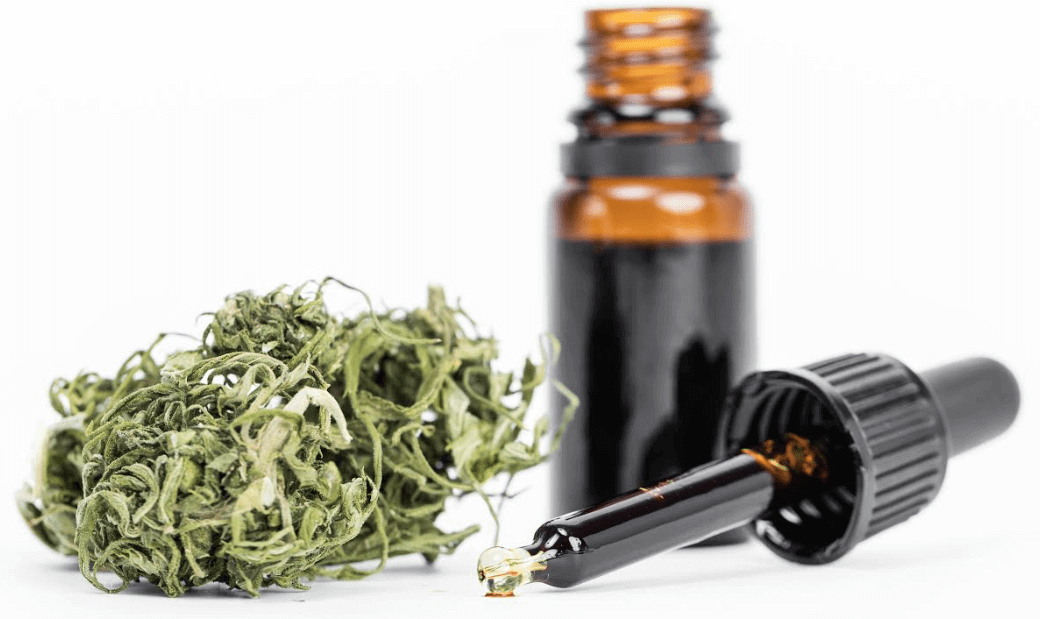
Microdosing medical marijuana is gaining attention among beginners, experienced cannabis users, and researchers who want symptom relief without strong intoxication.
If you are curious about using cannabis in a more controlled and intentional way, understanding how microdosing works and speaking with a qualified medical marijuana doctor can help you make informed, responsible decisions about your care.
This guide explains what microdosing is, how it affects your body, how to approach dosing safely, and what current research actually supports, so you can evaluate it with clarity.
What Is Cannabis Microdosing?
Microdosing medical marijuana means taking a very small amount of cannabis to feel therapeutic effects without feeling intoxicated. Instead of chasing a strong high, you are aiming for subtle symptom relief that fits into your daily routine. The goal is control, not intensity.
When you microdose, you intentionally take less THC or CBD than a standard dose. For many people, this means just enough to ease anxiety, calm pain, or steady mood while staying mentally clear. You should still feel like yourself, just more balanced.
This approach is common among beginners, medical users, and even researchers studying dose-response patterns. It focuses on finding the smallest amount that works for you personally, rather than following a fixed number printed on a package.
The Biology Behind Microdosing
To understand how microdosing works, you need to understand your endocannabinoid system. This is a biological network of receptors throughout your brain and body that helps regulate mood, pain, sleep, appetite, and immune response.
Cannabis interacts directly with this system, and emerging research even suggests that low-dose THC could treat Alzheimer’s by influencing these same neurological pathways.
THC binds mainly to CB1 receptors in the brain. At higher doses, this binding produces intoxication, altered perception, and strong psychoactive effects. At very low doses, it may gently influence signaling without overwhelming the system, which is why some people report relief without impairment.
CBD works differently. It does not strongly bind to CB1 receptors. Instead, it modifies receptor activity and indirectly influences inflammation and stress pathways. That difference explains why CBD microdosing often feels calm and steady rather than psychoactive.
Your body also follows a dose-response curve. Small changes in milligrams can noticeably shift your experience. A microdose sits near the lower end of that curve, where therapeutic signals may occur before strong cognitive effects appear. This is why careful measurement matters.
THC vs CBD Microdosing
Not all microdosing experiences are the same. THC and CBD behave differently in your body, and your goals determine which one you focus on.
If you microdose THC, you may notice:
- Mild relaxation without a strong high
- Reduced pain perception
- Subtle mood lift or improved focus
If you microdose CBD, you may notice:
- Reduced tension or stress
- Less inflammation-related discomfort
- Clear-headed calm, without intoxication
THC microdosing requires more caution because it can impair coordination or judgment if you increase too quickly. CBD generally carries less risk of intoxication, but it can still interact with medications. You should always consider your health conditions and consult a qualified medical professional if you have concerns.
For example, if you struggle with chronic pain but need to stay productive at work, a very low THC dose may relieve discomfort without affecting your performance. If anxiety is your main concern, CBD may offer steadier symptom control without cognitive effects.
Typical Dosage Ranges, And Why They Vary
You will often read that a THC microdose ranges between 1 and 5 milligrams. That range is only a starting reference. Your ideal amount depends on your tolerance, metabolism, body chemistry, and sensitivity to cannabinoids.
If you are new to cannabis, even 1 milligram may feel noticeable. If you have used cannabis regularly, you may require a slightly higher amount to feel subtle relief. Your liver enzymes, body fat composition, and prior exposure all affect how your body processes cannabinoids.
The method of consumption also changes the experience:
- Edibles pass through your digestive system and liver, often producing longer-lasting effects
- Tinctures absorbed under the tongue act faster and are easier to measure precisely
- Inhaled forms act quickly but are harder to dose consistently
If you take 2 milligrams in an edible and feel nothing, that does not mean microdosing does not work for you. It may mean you need careful adjustment. Incremental increases allow you to observe changes without overshooting into intoxication.
How to Start: A Step-by-Step Approach
Starting safely requires patience and careful observation. You should begin with the lowest measurable dose available and give your body several hours to respond before making any adjustments.
Follow these steps:
- Choose a clearly labeled product with accurate milligram information so you know exactly how much THC or CBD you are taking.
- Start with 1 milligram of THC or a low CBD dose, especially if you are new to or sensitive to cannabis.
- Wait the full onset period based on your method of use before considering another dose.
Keep a brief written record each time. Write down the time, the exact dose, your symptoms before taking it, and how you feel afterward. After several sessions, patterns will begin to emerge, helping you identify your minimally effective dose.
If you decide to increase the dose, raise it slowly in small increments and allow your body time to respond. As soon as you notice side effects such as dizziness, anxiety, or mental fog, you have likely passed your personal microdose threshold.
Potential Benefits, What Research Says
Research on cannabis microdosing is still developing, but early studies and patient reports suggest possible benefits for pain, anxiety, sleep disturbances, and mood regulation. Low doses of THC have shown different neurological effects compared to higher doses, sometimes producing calming results rather than stimulation.
However, evidence varies by condition. Chronic pain has more supporting data than productivity or creativity claims. You should separate research-backed findings from anecdotal trends on social media.
Microdosing may help you manage symptoms without significant impairment, but it does not replace comprehensive medical treatment. If you are treating a diagnosed condition, coordinate with a healthcare provider who understands cannabinoid medicine.
Risks, Safety, and Practical Considerations
Even small amounts of THC can impair reaction time in some individuals. If you drive, operate machinery, or make safety-sensitive decisions, you must evaluate how your body responds before assuming you are unaffected.
Tolerance can also develop. If you increase your dose frequently, your body may adapt, making low doses less noticeable over time. Periodic breaks may help maintain sensitivity, though evidence is still emerging.
You should also consider:
- Potential drug interactions, especially with sedatives or blood pressure medications
- Workplace drug testing policies
- Local legal regulations regarding medical or recreational cannabis
Microdosing is not risk-free. It is a controlled method of cannabis use that requires awareness, measurement, and personal responsibility.
Common Questions Patients Ask
If you are new to microdosing, these are questions that often come up and are not always clearly addressed.
Can you build tolerance to microdosing?
Yes, even small repeated doses of THC can lead to tolerance over time, which may make the same amount feel less noticeable and require periodic reassessment or short breaks.
Can you microdose every day?
Some people do, especially for chronic symptoms, but daily use should be monitored carefully to avoid tolerance buildup and to evaluate whether consistent dosing remains necessary.
Will microdosing show up on a drug test?
It can, particularly if you are using THC products, because standard drug tests screen for THC metabolites that may accumulate even at low doses.
Can you combine microdosing with other medications?
Cannabinoids may interact with certain medications, especially sedatives, antidepressants, and blood pressure drugs, so reviewing your regimen with a healthcare professional is important.
Is microdosing safe for everyone?
It is not appropriate for everyone, particularly individuals who are pregnant, have a history of certain psychiatric conditions, or are sensitive to THC, and medical guidance is strongly advised in these cases.
Choose DocMJ for Your Medical Marijuana Care
At DocMJ, we guide you through every step of your medical cannabis journey with clarity and clinical insight. We evaluate your health history, answer your questions about microdosing, and help you find a safe, personalized treatment plan. Schedule your consultation with us and take control of your care.
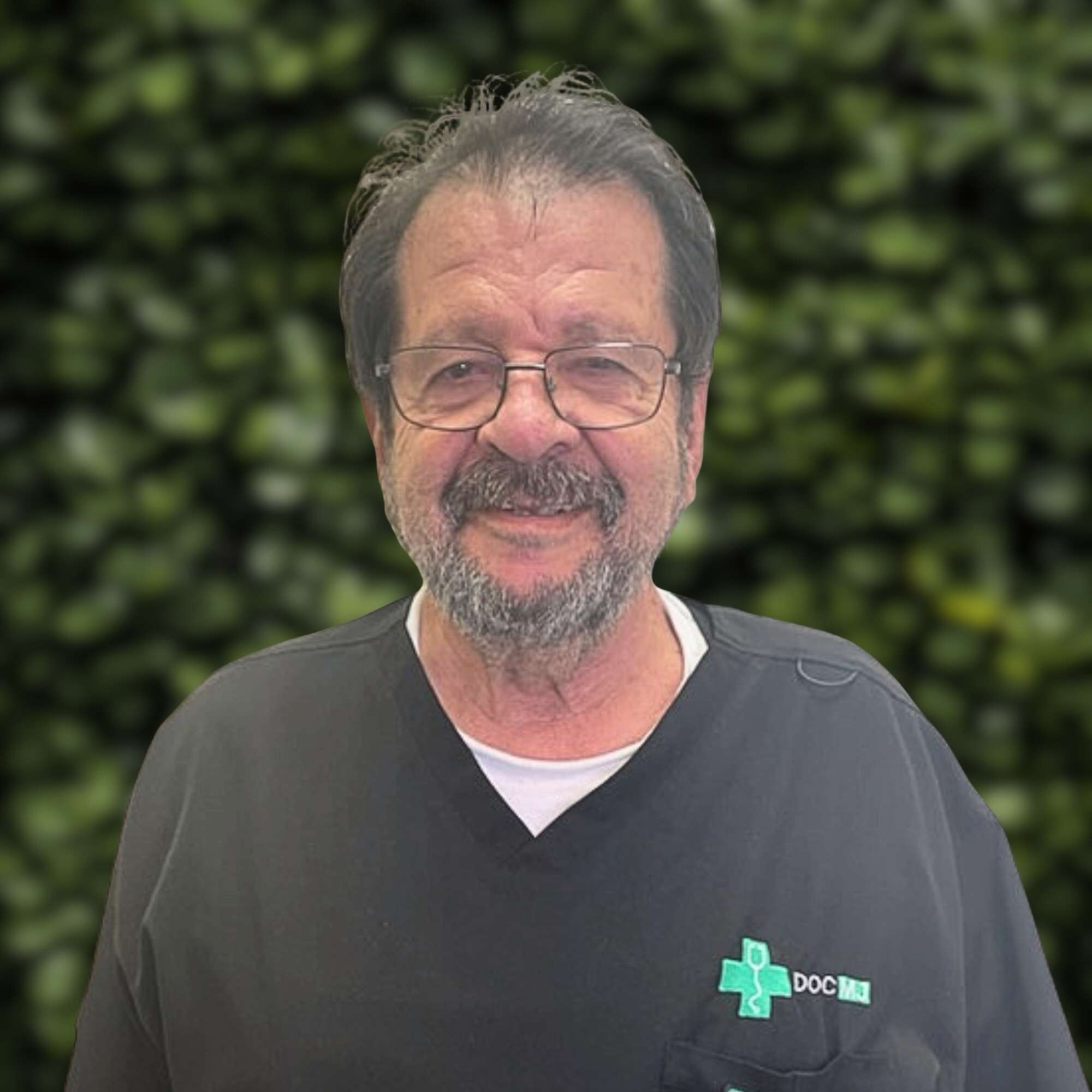
Dr. Rothman is a diplomate of the American Board of Obstetrics and Gynecology. He has received multiple special awards and recognitions, including Physician of the Year, from the Pinellas County Medical Association (2014 – 2015) and the President’s Service Award from the Pinellas County Medical Society.
He attended medical school at State University of New York Upstate Medical Center in Syracuse, New York, where he also completed his Obstetrics and Gynecology residency. In addition to practicing medicine, Dr. Rothman’s professional career includes being an Assistant Professor at the University of South Florida and Clinical Instructor at the University of Tampa’s College of Nursing.
Dr. Rothman received his Florida Medical Marijuana Physicians Certification in 2016 and was one of the first recommending physicians through DocMJ in the state and is loved by many of those early patients today.