
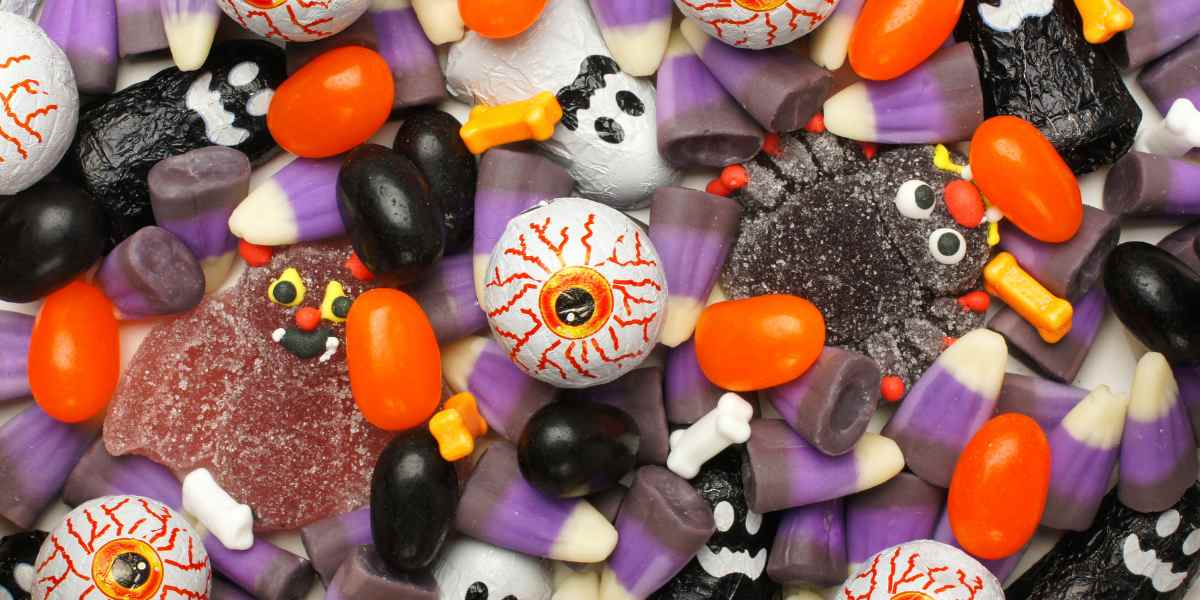
The belief that THC-infused candies are designed to attract children has gained traction in recent years, often fueled by media headlines and Facebook posts. But how accurate is this narrative? Misinformation surrounding cannabis edibles has led to fear, confusion, and policy debates that often overlook facts.
As certified medical marijuana practitioners, we break down the most common myths around THC candies, using evidence and regulations to clarify what they are, how they’re made, and how they’re meant to be used—without hype or sensationalism.
Understanding THC-Infused Candies
THC-infused candies are edible cannabis products containing tetrahydrocannabinol, the compound responsible for the high.
They offer a smoke-free, discreet option for adults and come in various forms like gummies, chocolates, caramels, and lollipops, each with different onset times and effects.
In legal markets, their production is strictly regulated. Licensed producers must follow rules on dosage, ingredient quality, child-resistant packaging, and lab testing.
These standards ensure consistent, safe products and counter the idea that edibles are unregulated or inherently dangerous, as often claimed in anti-cannabis rhetoric.
Clarifying the Myth: THC Edibles Are Not Targeted at Children
A common story is that THC candies are made to attract kids, mainly due to their bright colors and resemblance to regular candy. In reality, cannabis laws strictly prohibit marketing to minors, including packaging that features cartoons, mascots, or anything appealing to small children.
Legal edibles cannot mimic popular candy brands and are sold only in age-restricted dispensaries. While the media often highlights visual similarities, most accidental ingestions occur from THC edibles stored carelessly at home, not because cannabis companies are targeting unsuspecting children.
The concern is storage, not intent, especially as formulations evolve with trends like the rise in sugar-free medical cannabis edibles, which are developed for adult therapeutic use, not for appeal to minors.
How THC Candies Are Regulated for Potency and Labeling
Regulation of potency and labeling is one of the most critical protections in legal cannabis markets. These rules ensure transparency, safety, and consistency for consumers using THC edibles.
- Mandatory lab testing: Every product must be tested to verify THC content and ensure it meets safety standards.
- Clear THC limits: Most jurisdictions cap individual servings at 10mg and total packages at 100mg to prevent accidental overconsumption.
- Detailed labeling: Packages must include THC levels, ingredients, warnings, and usage guidance to support informed decisions.
- Consumer safety: Standardized doses help users control their intake and reduce the risk of misuse.
- Distinction from illicit products: Legal edibles are reliable and regulated, unlike black-market versions, which are often untested and inconsistent.
Legal vs. Illicit THC Edibles: What Consumers Should Know
Not all THC candies are the same, and the gap between legal and illicit products is significant. Understanding these differences is essential for making safe, informed choices.
Legal Edibles: They are produced in licensed facilities under strict government regulations. They must be lab-tested for potency and contaminants, with clear labeling that includes dosage, ingredients, and warnings. These products are sold in child-resistant packaging and are subject to enforcement, recalls, and compliance checks to ensure safety and consistency.
Illicit Edibles: These are made and sold outside the legal system with no oversight or safety standards. They often mimic well-known candy brands, making them more attractive to children and harder to distinguish. These products are frequently laced, overly potent, or contaminated, posing serious dangers to anyone who consumes them.
How to Keep Children Safe Around Cannabis Edibles
Keeping children safe from accidental THC ingestion starts with responsible storage at home. While regulations help, the most effective prevention comes from informed, proactive parents who understand the difference between real risks and fears driven by the tainted Halloween candy myth.
- Secure storage: Always keep edibles in locked containers or high cabinets, out of children’s candy bags.
- Child-resistant packaging: Legal edibles come in packaging designed to be difficult for kids to open and visually unappealing.
- Education and awareness: Public campaigns, parental guidance, and school programs help families understand the risks.
- Prompt medical response: If a child consumes THC, immediate medical attention is essential, though most cases are manageable.
- Shared responsibility: Safety depends on both smart regulations and active consumer awareness.
Why the THC Halloween Candy Panic Doesn’t Match the Facts
Each Halloween, fears resurface about kids receiving THC candies while trick-or-treating. Yet there are no confirmed cases of strangers handing out cannabis edibles. This urban legend echoes past, unfounded scares about tainted Halloween candy, like rumors of razor blades or poison hidden in treats.
Legal THC edibles are costly and clearly labeled, making them unlikely and easy to spot when properly packaged. The truth is, the idea that someone would intentionally distribute them to trick-or-treaters lacks logic and evidence.
These seasonal panics are fueled by viral misinformation, not real risk, leading to unnecessary fear and misguided policies. The myth of tainted treats like weed in trick-or-treat bags persists despite no evidence that marijuana is used to harm children for kicks or insurance. This trope traces back to the outdated idea of “Halloween sadism.”
Promoting Responsible Use and Public Education
Cannabis education is essential for responsible THC edible use. Adults should know how to read labels, follow dosage guidelines, and store products safely to prevent misuse. Dispensaries offer guidance, regulators ensure compliance, and public campaigns promote safe Halloween practices.
Together, the industry, health agencies, and government create a system that supports informed use and minimizes risk. This coordinated effort helps keep cannabis edibles safe for adults while protecting kids, goblins, and ghosts alike from harm.
As October rolls in and maple leaves scatter the streets, it’s vital to separate fact from fear. Forget the stash of laced snacks, tainted treats, or drugs disguised as gum and pop—when it comes to Halloween candy, the real treats are just that: treats, not tricks.
Get Trusted Cannabis Guidance with DocMJ
Ready to explore THC edibles safely and legally? DocMJ connects you with licensed physicians who provide expert medical cannabis evaluations tailored to your needs. Contact us to take the next step toward informed, responsible cannabis use with guidance you can trust.

Dr. Rothman is a diplomate of the American Board of Obstetrics and Gynecology. He has received multiple special awards and recognitions, including Physician of the Year, from the Pinellas County Medical Association (2014 – 2015) and the President’s Service Award from the Pinellas County Medical Society.
He attended medical school at State University of New York Upstate Medical Center in Syracuse, New York, where he also completed his Obstetrics and Gynecology residency. In addition to practicing medicine, Dr. Rothman’s professional career includes being an Assistant Professor at the University of South Florida and Clinical Instructor at the University of Tampa’s College of Nursing.
Dr. Rothman received his Florida Medical Marijuana Physicians Certification in 2016 and was one of the first recommending physicians through DocMJ in the state and is loved by many of those early patients today.