

Starting March 4, 2024, the cost for registered patients and new registrations for the Ohio medical cannabis program will be a 1-cent charge. The new discounted fee applies to patients renewing their Ohio medical cannabis card.
To keep medical cannabis affordable, the Ohio Division of Cannabis Control (DCC) has submitted a proposal that would end fees for patients and caregivers. Before the change on March 4, the patient card and renewal fees were $50, and caregiver registration fees were $25 per year.
A proposal OAC 3796:7-3-01 has been sent to the Ohio Division of Cannabis Control to eliminate all fees payable to the state for patients and caregivers. For now, registration is just one cent, but shortly, patients may enjoy complete fee elimination.
Why Do States Charge an Annual Registration Fee to Medical Cannabis Patients?
When a state legalizes medical cannabis, there are expenses associated with administering the program. The annual registration fee helps cover the cost of providing the enforcement, compliance, safety, and public health education costs associated with running a medical marijuana program.
Some of the expenses that states incur are:
Licensing and Permitting
States must establish processes for licensing medical cannabis businesses, including cultivators, processors, distributors, and operations of retail dispensary locations for medical marijuana sales. Each license is carefully reviewed and requires state-employed staff. The registration fee patients pay annually helps offset that cost to the state.
Regulatory Oversight and Inspectors
In every state where medical cannabis is legalized, some regulatory commissions and agencies oversee all aspects of the cannabis industry. That includes monitoring for compliance with inspectors, investigators, and more.
Batch Testing and Tracking for Quality Control and Safety
There are stringent quality control laws to protect medical marijuana patients in Ohio. All products are tested for potency levels and contaminants, including pesticides, heavy metals, and mold, to name a few. Quality control is often the highest annual expense faced by state medical marijuana programs, as protocols and testing facilities must be established.
Law Enforcement to Protect Public Safety
A specific portion of medical cannabis taxes and fees provides financial relief to the state by offsetting the increased need for law enforcement. This includes activities such as enforcing age restrictions for medical cannabis sales and preventing the diversion of medical marijuana to the illicit market.
Education and Public Health Services
After medical marijuana is legalized, states typically invest a portion of the proceeds from sales and patient fee revenues to public health education. This includes communicating with state residents about legal restrictions, responsible use, and funds for cannabis health research and addiction prevention and support programs.
Evaluation and Monitoring of the State Program
States gather and maintain public health records, data regarding enrollment into the medical marijuana card program, and other information. The data collection is essential for tracking trends, making changes to the medical cannabis program, and analyzing program accessibility.
States like Ohio are increasingly aware of the costs for a medical marijuana patient and are taking steps to help provide immediate financial relief to patients who rely on cannabis for symptom management.
Recreational Cannabis Update in Ohio
Currently, adult use of cannabis is legal in Ohio. Residents can cultivate at home (with limitations) and possess cannabis without fear of legal consequences. However, there are no dispensaries open right now where Ohio residents can purchase adult-use cannabis.
There are some advantages to remaining in the Ohio medical cannabis program.
- Patients and caregivers pay between 6.5% to 7.25% tax on cannabis goods, compared to recreational marijuana users who will pay a 10% excise tax.
- Ohio medical cannabis patients may possess up to 9 ounces of cannabis. Non-medical marijuana purchases are limited to 2.5 ounces.
By reducing (and possibly removing) annual fees that medical cannabis patients pay, lawmakers are hoping to encourage more residents to apply for and keep their Ohio medical marijuana card.
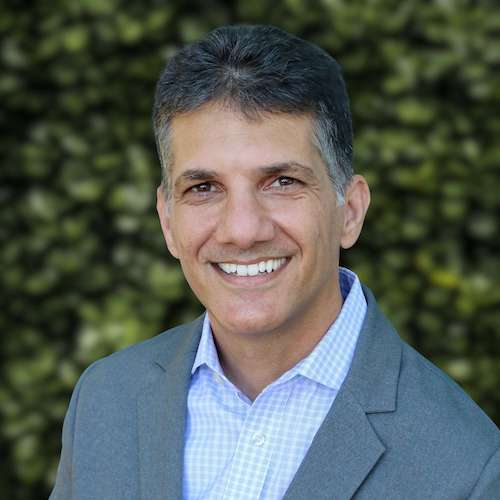
Aaron Bloom, an experienced healthcare attorney, serves as the CEO of DocMJ and Medwell Health and Wellness Centers, where he has overseen the organizations’ mission and growth since 2016. In addition to his leadership roles, Aaron serves on the Board of Directors for Waterfall Bank, bringing his expertise in healthcare, compliance, and strategic growth to the financial services sector.
Aaron’s passion for improving patients’ lives stems from more than 20 years of owning, operating, and representing traditional healthcare organizations. Throughout his career, he has remained committed to finding better ways to relieve suffering and expand access to innovative, patient-centered care. As CEO, Aaron works each day to help patients achieve better health and wellness through the therapeutic benefits of medical cannabis and other evidence-based alternative medicines.