

If you are asking yourself, is cannabis legal in Dallas, you are not alone. Texas cannabis laws are often misunderstood, especially when local headlines suggest city policy can override state law. A Dallas medical cannabis doctor can help clarify these complexities for eligible patients.
Dallas follows Texas law, which means marijuana is tightly restricted and only permitted for specific medical uses. Medical cannabis is legal under the Texas Compassionate Use Program, while recreational marijuana remains illegal statewide.
Dallas voters approved a local decriminalization policy in 2024, but court action has limited its effect. Over the past decade, policy changes have gradually expanded access to medical care, yet the system remains cautious and tightly controlled for most residents.
Understanding Texas Medical Marijuana Laws
If you want to know who qualifies for medical marijuana in Texas, you need to understand the Compassionate Use Program.
This state program allows eligible patients to access low-THC cannabis through a physician who is registered to prescribe medical cannabis in the Compassionate Use Registry of Texas.
Approved conditions include epilepsy and other seizure disorders, PTSD, multiple sclerosis, cancer, autism, and certain incurable neurodegenerative diseases, with additional conditions added by recent legislation.
Texas regulates products by dose and medicine package limits, and only allows specific medical formulations rather than raw cannabis plant flower. This structure reflects a conservative approach to controlled substances while still offering a legal pathway for patients who need targeted relief under close state oversight.
How to Get a Medical Marijuana Prescription in Dallas
Instead of issuing physical cards, Texas uses a physician-driven prescription model tied to the Compassionate Use Registry of Texas, or CURT. Cannabis is now Schedule III, but Texas still regulates access strictly under its state program.
Your approval is stored in the state database that licensed dispensing organizations use when they fill your order. You do not register separately as a patient because the physician’s entry functions as your authorization in the secure system.
Step 1: Confirm a qualifying condition
You must have a condition recognized under the Compassionate Use Program, such as epilepsy, PTSD, cancer, or multiple sclerosis. Your diagnosis should be documented so a qualified physician can evaluate you responsibly.
Step 2: Schedule a consultation with a registered physician
You meet with a doctor registered with the Compassionate Use Program and authorized to prescribe low THC cannabis, including physicians available through DocMJ. During the visit, the physician reviews your history and symptoms to decide whether cannabis fits your treatment plan. Qualifying physicians write prescriptions only after a careful assessment.
Step 3: Receive a prescription instead of a physical card
Texas does not issue medical marijuana cards, so approval comes as a prescription entered by your physician. Once it is in CURT, you work with a licensed medical cannabis dispensary to obtain products that match your directions.
Step 4: Provide proper identification and documentation
You present a valid Texas ID and any relevant medical records when needed. This confirms residency and supports safe prescribing within a regulated program. Your physician and dispensary will verify patient prescriptions in the secure system.
Step 5: Use telemedicine when available
Many Compassionate Use Program physicians offer telemedicine appointments, which can help if travel is difficult or time is tight. Telemedicine can also support follow-ups when dosage changes are needed and can help appropriately treat patients in remote areas.
Cannabis Dispensaries and Access in Dallas
If you are wondering where you can pick up medical marijuana in Dallas, access works differently than in cannabis states. Texas licenses several dispensing organizations that serve large regions and rely on delivery and scheduled pickups.
Current licensed providers include:
- Texas Original
- Fluent
- Goodblend
- LeafMed
- Compassionate Cultivation
The state has begun expanding the number of licenses. After your prescription is issued in CURT, the provider verifies it and coordinates fulfillment based on your dosage and product selection.
Depending on the company, you may receive your medication by delivery or through a designated pickup site in the Dallas area. All dispensing is tracked through the registry to support compliance and public safety.
Types of Cannabis Products Available in Dallas
Medical cannabis products in Dallas are limited by Texas law, but they still offer treatment choices for qualifying conditions. Texas focuses on medically directed formats and regulated dosing, not the broad retail menus you see in fully legal states.
At the same time, providers are exploring ways THC Distillate and RSO are expanding medical cannabis in Texas for patients who qualify. Knowing how each option works helps you pick a product that matches your symptoms, your timing needs, and your tolerance for trial and error.
- Tinctures: They are chosen when you want relief without inhalation and when small dose adjustments matter. Tinctures are liquid cannabis products taken under the tongue for faster absorption and easier dose control.
- Capsules: Capsules are swallowed like standard medication and tend to last longer because they absorb more slowly. They work well for daily schedules, but onset can be slower, so planning ahead is important.
- Lozenges: Lozenges dissolve in the mouth and can provide a balanced onset between tinctures and capsules. They are often chosen for their ease of use and steady symptom support, without requiring special measuring tools.
- Oils and oral solutions: Oils and oral solutions are measured liquids taken by mouth or mixed with food or drinks for consistent dosing. They are commonly used for longer-term plans where you want the same measured amount each time.
- Topical creams and gels: Topicals are applied to the skin for localized discomfort and are not intended to intoxicate. They can be paired with oral formats when you want both whole-body support and targeted relief.
- Patches: Patches deliver cannabinoids through the skin over time, which may support steady, gradual effects. Because they are designed for extended release, you usually feel the effects more gradually than with oral formats.
- Suppositories: Suppositories are a medical formulation used when swallowing is difficult or when a clinician recommends an alternate route. They are used under medical guidance and are treated as a medical-grade formulation, not a consumer product.
- Sublingual sprays: Sprays go under the tongue for quick absorption and simple, repeatable dosing. They offer precise dosing and can be easier than droppers if you want speed with less mess.
- Measured syringes: Measured syringes dispense oil in precise amounts and can be useful for careful titration or caregiver use. They are frequently used when you need very specific dose adjustments or caregiver support.
- Powdered oral formulations: Powdered products mix into food or beverages and offer flexible, measurable dosing. They provide flexibility while still keeping dosing measurable and consistent.
- Caregiver-administered formulations: Some products are packaged for caregiver administration, especially for pediatric patients or those needing assistance. These options focus on measurement, safety, and repeatable dosing under medical supervision.
- Approved inhalation devices: Texas allows certain non-smoked pulmonary inhalation devices in the medical program when approved by the state and directed by your doctor, while raw flower remains prohibited. These are medical devices, not consumer vapes, and you should follow your prescription exactly to stay compliant.
Texas limits products by dose and package caps, requires clear cannabinoid labeling, and mandates child-resistant packaging. You will see batch tracking and testing results easily accessible.
These regulations are part of a rigorous quality process and require providers to follow stringent quality measures. This protects consumers from harmful solvents and inconsistent processing methods found in the unregulated market.
Common Medical Uses for Cannabis in Dallas
If you want to know what medical marijuana can treat in Texas, the Compassionate Use Program lists qualifying conditions, but patient experience adds context. Patients with intractable epilepsy often report fewer seizures, while people living with PTSD may describe better sleep and calmer days.
Those in cancer care may seek help with pain, nausea, or appetite, and multiple sclerosis patients may look for relief from spasticity. Ongoing research, patient trials, and testing continue to shape how physicians think about cannabinoid therapy and appropriate dosing.
Texas protocols remain cautious, but expanding clinical guidance can help doctors tailor treatment plans more confidently over time for Dallas patients and families. Many patients now utilize patient trials to find what works best and optimize symptom relief.
Limitations and Risks of Medical Cannabis in Texas
It is important to ask what the downsides or risks of using medical cannabis in Texas are. Even regulated products can cause side effects such as fatigue, dizziness, dry mouth, or changes in mood, especially when you are adjusting the dose.
Cannabis can also interact with other medications, so personalized guidance from a registered physician matters. From a legal standpoint, a medical prescription does not make marijuana possession legal for non-medical use.
Criminal penalties still apply for those who possess cannabis without authorization, and Dallas local policies do not override the Controlled Substances Act.
Employers are not required to accommodate cannabis use, and workplace drug testing can still affect your job. You should never drive impaired since law enforcement agencies take such offenses seriously.
Insurance, Cost, and Financial Considerations
Many patients ask if medical marijuana is covered by insurance in Texas, and the answer is no. Because cannabis remains illegal under federal law, insurance plans generally will not pay for consultations or medication.
In Dallas, prices vary by product type, dose, and provider, so your monthly cost can range from moderate to significant. Physician visits and follow-ups may add separate fees. Budgeting ahead helps, and some dispensing organizations offer discount programs for veterans or patients with financial hardship.
Ask the provider about programs and delivery fees before ordering. Be cautious when considering products in the hemp-derived cannabinoid market, including hemp products or synthesized hemp-derived delta forms like delta 9 THC, as these may not meet the state’s potency requirements or come with a thorough certificate of analysis.
Future Outlook for Cannabis Legislation in Dallas
If you are asking whether recreational marijuana will be legal in Texas soon, the honest answer is that change is gradual. Texas lawmakers have expanded the medical program and are adding new dispensing licenses, which could improve access in Texas.
In Dallas, local reform efforts have been active, but state-level challenges and court decisions can limit the scope of what city policy can achieve. Future changes could include more qualifying conditions, additional product formats, and distribution rules.
Recreational legalization remains uncertain, but medical expansion is the more immediate trend to watch. The Texas Tribune regularly covers updates in this space, particularly around the Texas Compassionate Use Act, changes to the vertical integration model, and the role of the Texas Department in regulating providers and ensuring consumer protections.
Frequently Asked Questions About Cannabis in Dallas
These are some of the most common questions people ask when trying to understand how medical marijuana works in Dallas. Texas law is still specific, so knowing these details helps you avoid confusion and stay compliant.
1. Is cannabis legal in Dallas for recreational use?
Recreational marijuana is illegal in Dallas, and possession can still carry penalties. Dallas voters approved the Dallas Freedom Act in 2024, but enforcement has been paused through court action.
2. Who qualifies for medical marijuana in Texas?
You qualify if you are a Texas resident with a condition approved under the Compassionate Use Program and receive a prescription from a registered physician.
3. How do I get approved for medical marijuana in Dallas?
You consult with a physician registered under the Compassionate Use Program who confirms you have a qualifying condition. If approved, the physician enters your prescription into the Compassionate Use Registry of Texas so a dispensing organization can fill it.
4. Where can I buy medical cannabis in Dallas?
Medical cannabis is obtained through state-licensed dispensing organizations that serve the Dallas area through delivery and scheduled pickup locations. They verify your prescription in CURT before dispensing any medication.
5. What types of medical marijuana products are legal in Texas?
Texas permits medical formulations such as tinctures, capsules, lozenges, oils, oral solutions, topicals, patches, and suppositories. Raw flower remains prohibited, and inhalation is only allowed through approved non-smoked devices when directed by your doctor.
6. Is a medical marijuana card required in Texas?
Texas does not issue physical medical marijuana cards. Your prescription is stored electronically in the CURT system that dispensing organizations access.
7. Can you travel with medical marijuana in Texas?
You may travel within Texas with your prescribed products as long as they stay in original packaging and match your prescription. Crossing state lines with cannabis is illegal under federal law, even if you have a valid Texas prescription.
8. Can medical marijuana affect job drug testing in Dallas?
Yes, medical cannabis use can still impact employment outcomes. Texas employers are not required to accommodate cannabis use, and a positive test can still trigger workplace policies.
9. How much does medical cannabis cost in Dallas?
Costs vary by provider, product type, and dose, and most patients pay out of pocket for visits and medication. Delivery fees and discount programs can also affect your monthly total.
10. Will Texas legalize recreational marijuana soon?
Public support has grown, but recreational legalization faces significant political hurdles in Texas and is not guaranteed in the near term.
Get Started With DocMJ Today
If you are ready to explore medical marijuana legally in Dallas, DocMJ makes the process simple and stress-free. You connect with licensed medical professionals who understand Texas cannabis rules and guide you from evaluation to prescription. Schedule an appointment and take control of your treatment options with trusted support through DocMJ.
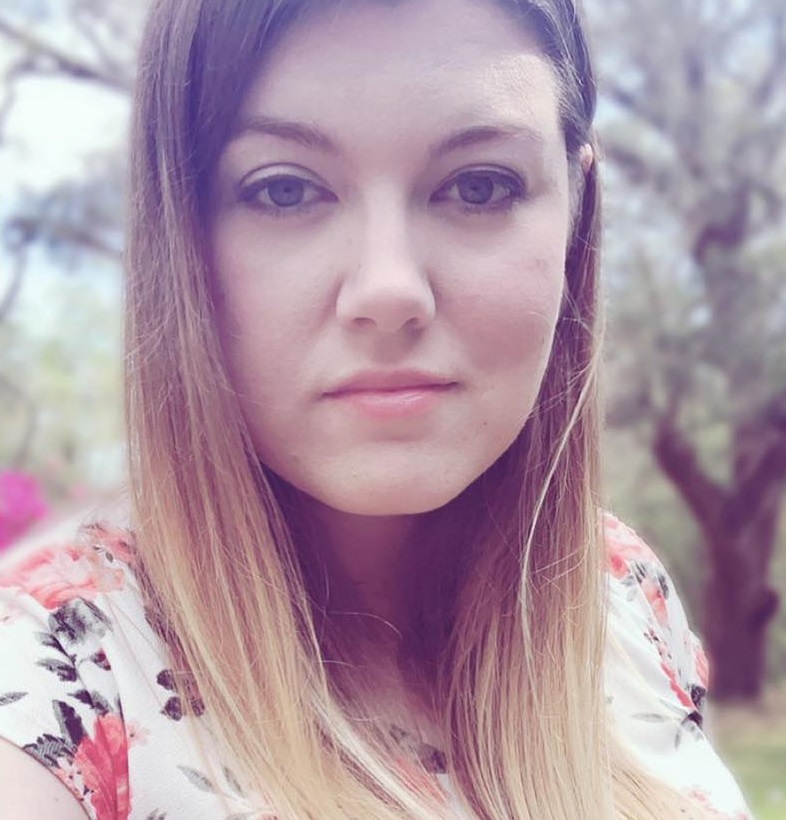
Meet Christie, a dedicated writer and passionate advocate for medical cannabis. Living with Rheumatoid Arthritis (RA), Osteoarthritis (OA), Interstitial Lung Disease, and Pulmonary Fibrosis, Christie has found profound relief through the versatile world of medical cannabis. An advocate for holistic healing, with a deep belief in the power of cannabis, Christie shares insights to empower others seeking alternative solutions.