

The first part of a journalistic series about Kratom was written by Helen Freund, Sam Ogozalek, Langston Taylor, and Hannah Critchfield for the TKratomay Times on December 7, 2023. The headline is a shocking one: “Hundreds died using Kratom in Florida. It was touted as safe.”
The Tampa Bay Times journalists discovered that there have been 580 fatalities in Florida in the past decade caused by Kratom use. In the majority of cases, victims succumbed to overdose with Kratom and at least one additional controlled substance. However, the investigators found that 46 Floridians perished, having overdosed on Kratom alone.
Tampa Bay Times has become the first media resource to investigate Kratom thoroughly used in Florida, the adverse effects, and the death toll from products sold at virtually every smoke shop across the state. Over six months, Helen Freund and her co-researchers interviewed 150 scientists and medical professionals, regulators, distributors and retailers, consumers, and the relatives of Florida residents who died from a Kratom overdose.
The groundbreaking research suggests that Kratom products sold in Florida are a potential danger to public health. Furthermore, with a lack of regulation for Kratom products, many products do not have a suggested serving size or ingredients provided on the packaging. And few products have a warning about potential contraindications (conflicts) with prescription or other recreational drugs.
Learn what you need to know to protect your health, and review some of the warnings and health risks associated with Kratom use.
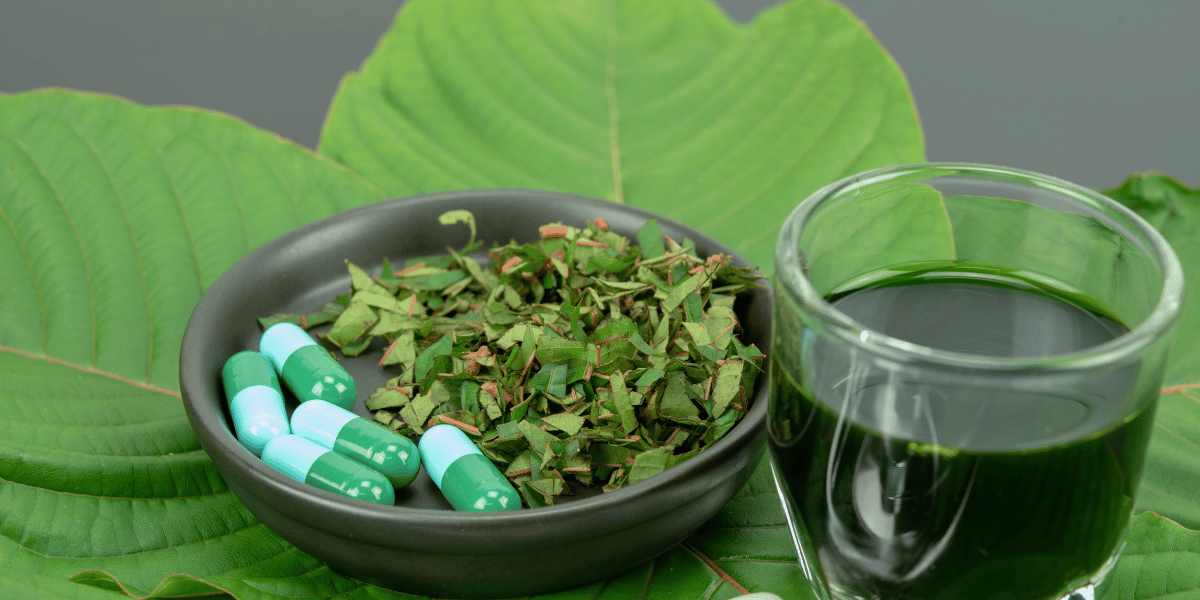
What is Kratom?
The Mitragyna speciosa tree is what Kratom is formulated from. The tree is native to Southeast Asia and is found in places like Thailand and Indonesia. The leaves have been used in traditional medicine as a stimulant and a pain reliever. The Kratom tree is classified as a Rubiaceae or a member of the coffee family.
The prominent compounds that provide psychoactive and physiological effects are mitragynine and 7-hydroxy mitragynine, which are natural alkaloids may bind with the CB1 and CB2 cannabinoid receptors in the human body. Those are the same receptors that react to cannabinoids found in medical marijuana. The FDA states that two compounds in Kratom are known to activate opioid receptors (agonists).
Kratom alkaloids affect the adrenal system and engage with serotonin and dopaminergic neurotransmitters. Some people who use Kratom say that it helps relieve anxiety, symptoms of depression, and chronic pain.
Studies have suggested that Kratom can, in some cases, be more potent than morphine. That is because mitragynine and 7-OH-mitragynine have a powerful impact on the chemical processes of serotonin, dopamine, norepinephrine, and kappa opioid receptors.
Psychoactive and Physical Effects Caused By Kratom
Kratom begins to take effect around ten minutes after consumption, and the consequences of Kratom use can last for up to five hours. Like any other psychoactive substance, the results become stronger when higher quantities are consumed.
Some of the psychoactive and wellness effects that Kratom may cause include:
- Stimulation. Kratom may improve energy, alertness, focus, and concentration.
- Mood enhancement, helping to alleviate symptoms of anxiety and depression.
- Moderation of chronic pain symptoms.
- Help with sedation and relaxation.
In the United States, you can find Kratom products in tobacco or smoke shops, and they are available in different intake methods, from edibles to gummies, capsules, and tablets, as well as beverage mixes and liquid shot servings.
Are Kratom Products Approved by the Food and Drug Administration?
Kratom products were not approved by the U.S. Food and Drug Administration (FDA) for any medical use. The agency has, for the past ten years, raised concerns about health risks associated with Kratom.
The FDA has also noted that there is a lack of controlled clinical trials to demonstrate that Kratom is safe to use as a supplement or for any therapeutic purpose. Warnings from the FDA also stem from inconsistency of product manufacturing, variability of Kratom content, and disclosure of other semi-synthetic additives that may be harmful to human health.
Food and Drug Administration tests have shown high levels of heavy metals and bacteria-like salmonella infections linked to some brands sold in the United States.

The Drug Enforcement Administration (DEA) Stance on Kratom Use
You can find Kratom products everywhere, from your corner convenience store to smoke shops. Kratom use is increasing in the United States as people seek relief from mental and physical pain. However, the Drug Enforcement Administration feels that Kratom should be added to the list of Controlled Substances.
In fact, in 2016, the DEA announced that they were going to add Kratom as a Schedule I controlled substance. However, the public and industry backlash was enough to have the DEA withdraw its intent on October 13, 2016. The agency stopped taking action to regulate Kratom use two months after they announced their intentions.
The DEA has stated that the closest parallel to Kratom may be trifluoromethylphenylpiperazine (TFMPP), which was banned in the United States from 2001-2004, as TFMPP had psychoactive effects similar to ecstasy.
Currently, Kratom is listed on the Drug Enforcement Administration’s list as a “Drug of Chemical Concern,” however, as of December 2023, the DEA has not moved to schedule Kratom on the Controlled Substances Act (CSA).
Negative Side Effects of Kratom and Potential Health Risks
As more clinical data regarding Kratom exposures are linked to acute liver injury and other serious adverse effects, we may see Kratom added to Schedule I soon. At higher doses, Kratom can present deadly risks. Unlike regulated medical cannabis, Kratom product manufacturers do not submit to mandatory testing of products for harmful ingredients.
Much like the harms of smoking cigarettes were not clinically understood for thirty years, Kratom can cause significant health problems that medical science doesn’t fully understand yet. However, it is known that sustained use or consumption of large quantities of Kratom can be life-threatening.
Here are some of the symptoms that are occurring for some people using Kratom on a regular basis:
Liver Problems
Liver damage may be associated with consuming higher doses of Kratom, even over a short period of time. There have been medical case reports linking Kratom to hepatotoxicity and liver dysfunction.
More research is needed, but some think that the alkaloids in Kratom disrupt the metabolic process of the liver. The presence of heavy metals, pesticides, and other toxins in some Kratom products may also contribute to liver damage.
Respiratory Depression
At higher potency levels, Kratom may suppress respiratory problems and create life-threatening health problems. For example, if you have asthma, sleep apnea, emphysema, or chronic obstructive pulmonary disease (COPD), any substance that depresses or slows down your breathing can present serious safety risks.
The same chemical compounds in Kratom that can provide a sedative effect may also slow your breathing to dangerous levels.
Hypertension and Cardiovascular Risks
Have you been diagnosed with heart disease or experienced a heart attack or stroke? There may be a potential link between Kratom use and cardiovascular problems. It may increase the risks of a heart attack or stroke significantly if you have a chronic disease or pulmonary issues.
Some reports suggest that Kratom can negatively impact the adrenergic receptors that regulate blood pressure. If you do not have high blood pressure, Kratom may elevate your BP. However, if you have a history of hypertension, Kratom may further increase your blood pressure because of the vasoconstriction effects it has, which causes the narrowing of the blood vessels.
Cognitive Impairment
Some of the cognitive side effects of Kratom can include confusion, difficulties with concentration, and drowsiness. One of the biggest concerns about potential cognitive disturbances is the variability in product purity. Some Kratom products have been found to have heavy metals, synthetic chemicals, and contaminants that may harm cognitive functioning.
Gastrointestinal and Digestion Problems
Binding to the cannabinoid receptors in the digestive tract, Kratom use can cause gastrointestinal problems such as nausea and vomiting, constipation, and stomach cramps. The sedative effects of Kratom can reduce contractions in the stomach, bowels, and intestines.
Stomach cramps can occur because Kratom can sedate the smooth muscles of the digestive tract, causing irritation of the stomach lining.
Increased Risk of Seizures
Using Kratom can increase your risk of experiencing seizures or exacerbation of epilepsy and other seizure disorders. Because Kratom is an opioid receptor agonist and central nervous system stimulant, it can disrupt normal brain functioning, which can lead to seizures.
Because there is so little clinical research about Kratom, it is not known how it may be contraindicated (conflict) with prescription medications. Drug conflicts or using other controlled substances, such as cannabis or alcohol, may increase the risk of adverse effects, including seizures.
Hallucinations and Delusions
Kratom is not defined as a psychedelic drug because, at regular doses, Kratom is more likely to cause analgesic and sedating effects rather than hallucinations. However, some individuals have experienced delusions and hallucinations when excessive amounts of Kratom have been consumed.
Neonatal Abstinence Syndrome
There is data to suggest that infants who were exposed to Kratom can develop withdrawal symptoms or neonatal absintence. This can cause muscle stiffness, anxious behavior, and irritability in infants, and it has been shown that Kratom can be passed through breastfeeding.
Can You Become Addicted to Kratom Use?
Kratom has known addictive properties. However, you may not see that warning on product labels. The medicinal chemistry associated with Kratom can cause health risks and adverse events. Regular Kratom users have experienced withdrawal symptoms after they stopped using Kratom products.
The symptoms of withdrawal from Kratom have been compared to opioid withdrawal symptoms. After you have stopped using Kratom, you may immediately experience the following:
- Muscle aches, pain, and discomfort.
- Fatigue.
- Insomnia.
- Profuse sweating.
- Vomiting and nausea.
- Diarrhea.
- Feelings of anxiety or restlessness.
- Symptoms of irritability, mood swings, or depression.
- Watery eyes and runny nose.
Kratom is an herbal substance that has very little research data that can provide assurances that it is actually safe to use. The medical community also does not know how Kratom may cause risks to individuals with chronic health conditions and cardiovascular or respiratory problems.
Given the concern by the Food and Drug Administration, as well as the DEA regarding the risks of Kratom use, as well as the growing number of health emergencies and fatalities linked to the herbal substance, you may want to rethink using the products.
Federal health authorities may move to regulate these products soon for public safety. But currently, the Drug Enforcement Administration, FDA, and many physicians feel that Kratom is unsafe to use as a medicinal or dietary supplement.

Aaron Bloom, an experienced healthcare attorney, serves as the CEO of DocMJ and Medwell Health and Wellness Centers, where he has overseen the organizations’ mission and growth since 2016. In addition to his leadership roles, Aaron serves on the Board of Directors for Waterfall Bank, bringing his expertise in healthcare, compliance, and strategic growth to the financial services sector.
Aaron’s passion for improving patients’ lives stems from more than 20 years of owning, operating, and representing traditional healthcare organizations. Throughout his career, he has remained committed to finding better ways to relieve suffering and expand access to innovative, patient-centered care. As CEO, Aaron works each day to help patients achieve better health and wellness through the therapeutic benefits of medical cannabis and other evidence-based alternative medicines.