
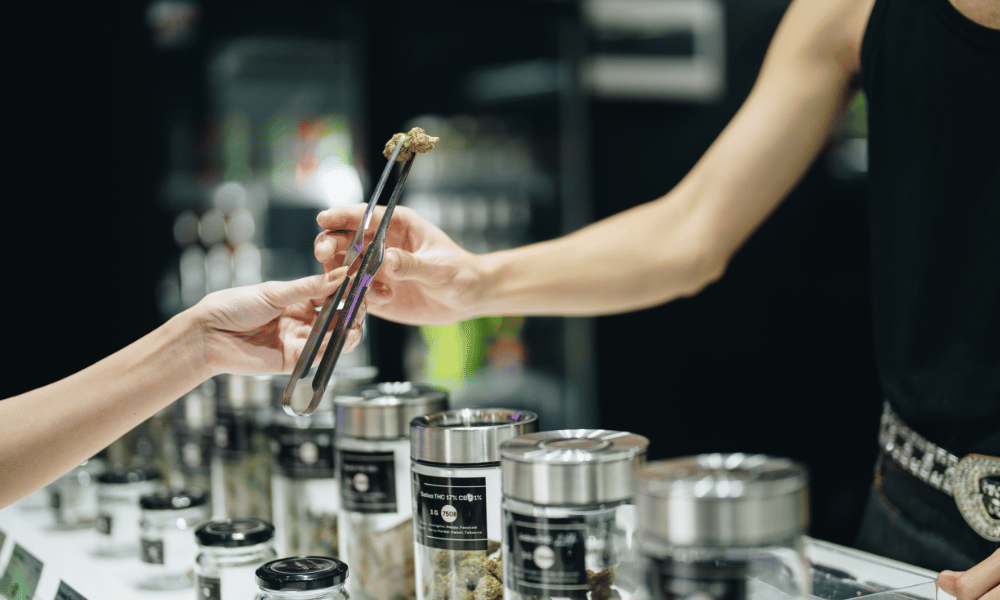
The first time you walked into a licensed dispensary, you may have been impressed by the sheer number of products available. Depending on the state where you live, that can include smokable cannabis products, vape pens, edibles, capsules, tablets, tinctures, and concentrates.
There are many different types of cannabis businesses that can be involved in the supply chain, bringing raw flower and highly regulated manufactured products to licensed dispensaries for medical or recreational marijuana use. Some of the most famous cannabis growers are multistate operators (MSOs) that sell products that they painstakingly cultivate themselves, from seed to sale.
Does a typical dispensary grow and manufacture all their own products? Good question! It depends on the state laws. Established dispensaries may be required to grow everything they sell, but in other states, a cannabis product sold in a dispensary can also come from other brands and manufacturers.
Product lines tend to be focused on consumer demand for medical or adult use and curated for the local market that the dispensary supplies. The dispensary’s job is to make sure that all products are safe for consumption, and a great deal of product knowledge goes into developing cannabis products.
Have you wondered where do dispensaries get their products? Let’s take a look at the regulatory differences between states and how dispensaries get higher-quality cannabis to their patients and customers.
What Are Vertically Integrated Cannabis Dispensaries?
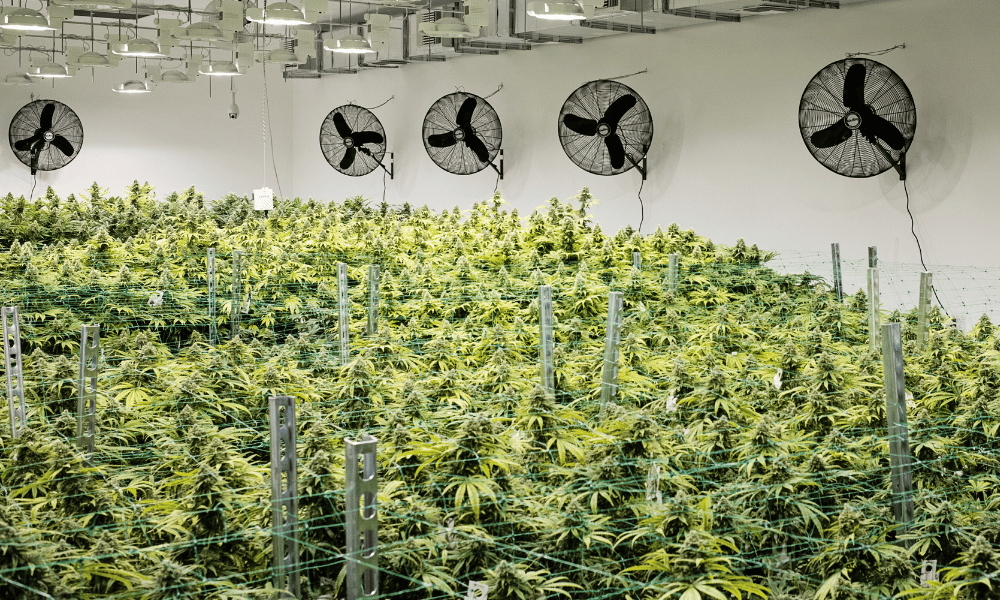
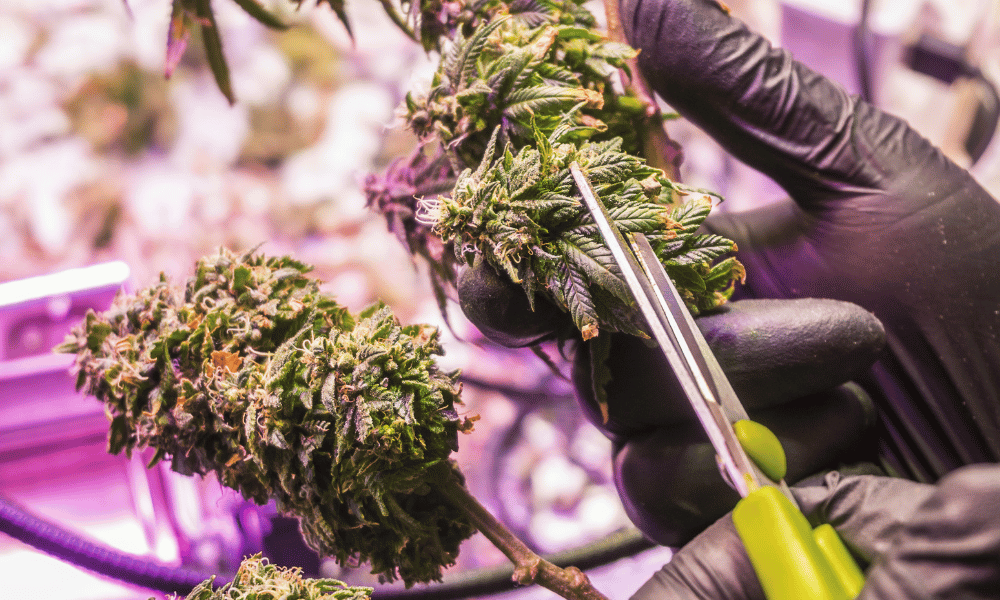
You may have heard the term “vertical integration” relating to cannabis dispensaries, and in some states, it is required by law. Vertical integration means that a dispensary is responsible for cannabis cultivation, processing, and manufacturing of all of the products that are sold in marijuana dispensaries.
Since the earliest days of medical cannabis legalization, licensed dispensaries were required to exclusively sell product grown at their own cultivation centers. Vertically integrated dispensaries are not permitted by law to purchase marijuana products or raw cannabis from cannabis suppliers.
Many dispensaries across America are growing within a regulatory environment that requires an investment in their own grow operations. When you grow, process, and manufacture all your own cannabis products and use strict quality assurance methods (like batch tracking and third-party laboratory testing), you can have faith in the final product.
As you can imagine, in states where vertical integration is legally required, there are high costs involved for the cannabis business. Buying bud for medical or adult use can be more expensive as a result of the high costs incurred by licensed dispensaries.
What States Have Vertical Integration Cannabis Cultivation Laws?
Vertical integration is not the only way to produce quality cannabis products, but it complies with state regulations to ensure that the cannabis supply chain is safe, and product quality becomes the sole responsibility of the cannabis provider.
States like Arizona, Delaware, Florida, Louisiana, Minnesota, New Hampshire, and Virginia legally require cannabis businesses to be vertically integrated.
Commercial Cannabis Cultivators
In other states like Colorado, cannabis dispensaries have the freedom to grow, process, produce, and sell their own cannabis products and the option to purchase from commercial cannabis growers. At the end of 2022, thirty-three states in America permitted commercial cannabis cultivation. In the state of California alone, 7,000 new cultivation licenses were issued in 2022.
The upside for dispensaries, which are permitted to source from private commercial growers, is that they save a lot of money. It is easier to become a profitable brand store providing quality cannabis products if you don’t have the expenditure of running your own grow operations.
The downside is that you are relying on the quality assurance practices of a commercial cultivator. Thankfully, there are state laws that also require cannabis cultivators to batch track for easy recall if any raw flower or products are found to have harmful chemicals, like heavy metals, pesticides, fungus, mold, or other mycotoxins that can pose a threat to human health.
Some dispensaries may own their own processing facilities to transform raw cannabis flower into finished products like vape, concentrates, or edibles and simply purchase cannabis wholesale from licensed cultivators.
Purchasing Established Brand Products
Dispensaries are also permitted to purchase products that are manufactured by other companies. This is why you will see famous brands like Cookies, celebrity brands like “Willies Reserve” (Willie Nelson), or Monogram by Jay-Z carried in dispensaries.
Like any other retail store, dispensaries get to choose the products they want to sell. Most dispensaries have a selection of their own custom-cultivated cannabis products and other products they are licensed to carry that appeal to patients or recreational marijuana users.
Typically, cannabis dispensaries can sell their own locally grown and manufactured products for less compared to wholesale brands they may carry. That’s why you will often find the dispensary brand products are more affordable, with special discounts offered, because there is more profitability (and room to discount) compared to larger established brands.
A retail marijuana store is only legally responsible for the finished product that it cultivates and manufactures on its own. Wholesale brand products are independently responsible for quality assurance, refinement processes, and product safety.
Remember, an established dispensary will have a certificate of analysis (COA) available for every cannabis product they sell. Before purchasing, you can ask for the COA information to ensure that you are getting safe medical cannabis products.

Aaron Bloom, an experienced healthcare attorney, serves as the CEO of DocMJ and Medwell Health and Wellness Centers, where he has overseen the organizations’ mission and growth since 2016. In addition to his leadership roles, Aaron serves on the Board of Directors for Waterfall Bank, bringing his expertise in healthcare, compliance, and strategic growth to the financial services sector.
Aaron’s passion for improving patients’ lives stems from more than 20 years of owning, operating, and representing traditional healthcare organizations. Throughout his career, he has remained committed to finding better ways to relieve suffering and expand access to innovative, patient-centered care. As CEO, Aaron works each day to help patients achieve better health and wellness through the therapeutic benefits of medical cannabis and other evidence-based alternative medicines.