
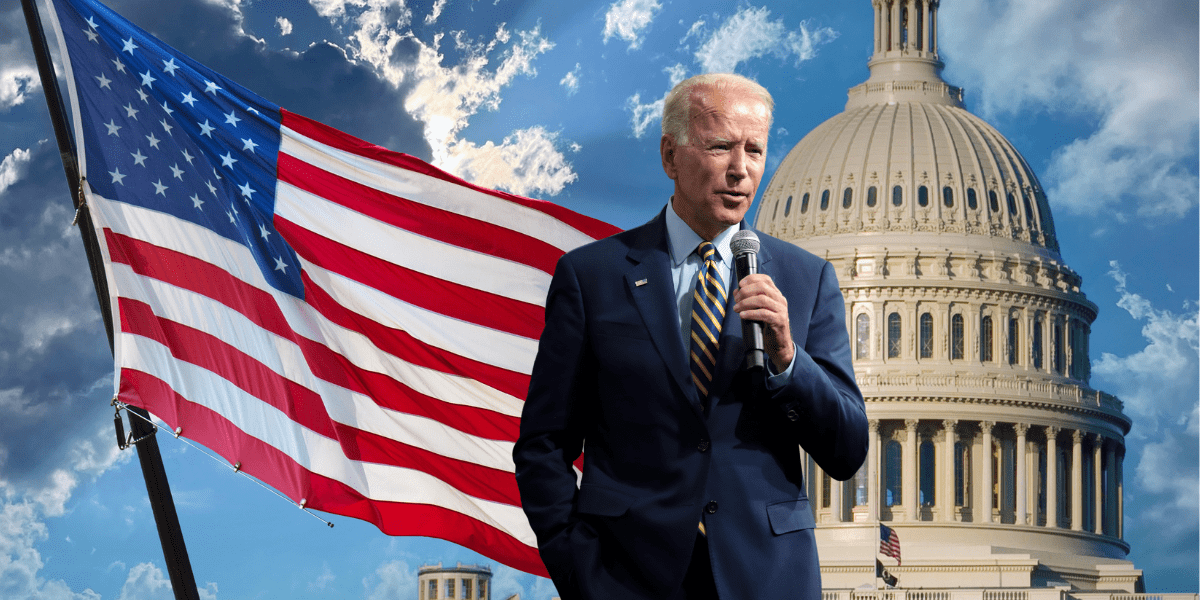
On Friday, December 22, 2023, President Joe Biden announced that there would be an expansion to the qualifying criteria for federal expungement of cannabis offenses. The first step in this process was the expungement of simple possession charges for thousands of Americans in 2022.
Last year, the White House agreed to pardon anyone who was convicted of simple cannabis possession, starting from the 1970s to the present day. There were just over 6,000 Americans who were charged between 1992 and 2021 alone, according to the New York Times.
Only a small fraction of the number of Americans incarcerated for non-violent cannabis possession crimes have been charged with a federal offense. Many states have discussed following suit, but reform has been painfully slow.
Starting in 2022, Colorado, Oregon, Maryland, and New Hampshire established automatic expungement policies. The terms for qualifying charges vary by state. But the leadership from President Biden has people wondering what is holding up expungement if Congress supports it.
The Statement from President Joe Biden on Clemency Actions
On December 22, 2023, President Joe Biden released this statement, outlining his plans to expand expungement and free Americans impacted by the “War on Drugs” from the ongoing consequences of federal cannabis-related charges.
“Just as no one should be in a federal prison solely due to the use or possession of marijuana, no one should be in a local jail or state prison for that reason, either. That’s why I continue to urge Governors to do the same with regard to state offenses and applaud those who have since taken action.”
That is the second time that President Biden has asked state lawmakers to review expeditiously the potential to give thousands of Americans a much needed fresh start. Even Health and Human Services (HHS) has suggested to the Drug Enforcement Administration that rescheduling cannabis is long overdue. Not that the DEA agrees; the matter is still under quiet discussion.
Why Does Expungement Matter?
Criminal records for marijuana or any other offenses have a lifelong punitive effect on Americans, even after they have served their time. It has imposed needless barriers for many. Think about how many times you are asked a question about prior drug charges. The charges create barriers to employment, housing, and educational opportunities.
People who were charged for personal use with small amounts of cannabis are not traffickers or criminals. Instead, in the majority of cases, they were people using cannabis medicinally before state laws recognized there was a big difference between cannabis criminal enterprise and that lady who smoked cannabis after her knee replacement surgery.
In addition to expanding the federal clemency power for people with low-level cannabis charges, President Biden stated he would be commuting the sentences of 11 people who have served a disproportionately long sentence for simple possession charges. The President commented that if the individuals had been charged with the same crimes today, the sentences would not be as punitive.
The limitation of the Presidential pardon is that it applies only to U.S. citizens or lawful permanent residents (green card holders). People in the country unlawfully at the time of conviction are not included in the sweeping federal expungement plans.
How Many People Have Had Criminal Records for Cannabis Charges Expunged?
It is difficult to determine the exact number of expungements that have occurred during President Biden’s administration. However, the expansion of expungement announcement indicated it would benefit thousands of residents with federal convictions for low-level and non-violent cannabis crimes.
As far as encouraging the states to exercise the same clemency power, it is starting to happen in many states. The data reporting total expungement for 2023 is not available yet. But based on information from previous years, the following states have been proactively pardoning non-violent and “personal use” cannabis offenses:
- June 2018 – Nevada Governor Steve Sisolak commenced a blanket pardon of approximately 15,000 state residents.
- January 2019 – Washington Governor Jay Inslee started granting pardons for misdemeanor marijuana charges for approximately 3,500 people.
- December 2019 – Illinois Governor J.B. Pritzker issued over 11,000 pardons for low-level cannabis convictions.
- January 2020 – Kansas City Mayor Quinton Lucas moved to pardon 8,000 residents with past minor marijuana convictions.
- January 2022 – Governor Jared Polis of Colorado granted 1,200 pardons.
- April 2022 – Birmingham, Alabama Mayor Randall Woodfin stated that he had pardoned over 15,000 people with low-level cannabis convictions. By the end of 2022, Woodfin announced that the number had grown to 23,000 pardons.
- October 2022 – Tom Wolf, Governor of Pennsylvania, announced that the state Board of Pardons would start accepting applications for expungement of marijuana possession convictions. More than 200 people received pardons that year from the Board, but an additional 400 people were directly pardoned by Governor Wolf.
- November 2022 – Governor Kate Brown of Oregon announced her goal to pardon at least 45,000 residents and expunge low-level cannabis convictions.
Source: NORML
President Biden can only lead a sweeping expungement for people who broke federal law and served (or are still serving) time in federal prison. Unfortunately, that represents the minority of cases. This is why we are hearing the President call out to states to step up and do the same.
How Do You Apply for a Pardon for a Marijuana Charge?
Thanks to criminal justice reform, there are opportunities to get your minor cannabis-related conviction expunged. Federal pardons or requesting state and local officials to review your case to see if you qualify is an administrative process that may take a lot of time.
If you have a federal simple marijuana possession charge that you would like expunged, you must meet the following criteria:
- You must have been convicted of a federal offense that was related to the simple possession of marijuana. That means no other criminal charges associated other than personal use, including high quantity possession, intention to traffic or distribute, or crimes that involved violence or weapons.
- You must be a citizen of the United States. Permanent residents may be not qualified.
- You must not currently have any other pending criminal charges or recent convictions.
To request a state review of your charges, you must find the Board of Pardons or department of clemency in your state. The application and review process varies by state, but it is important to note that a pardon of a cannabis crime may not automatically expunge the criminal records for marijuana charges.
People who want to proceed should know that it can be a two-step process: a) receive the pardon and b) pursue expungement of criminal records. Expungement can take anywhere from 1-6 months to complete.
“Joe Biden” by Gage Skidmore is licensed under CC BY-SA 2.0.
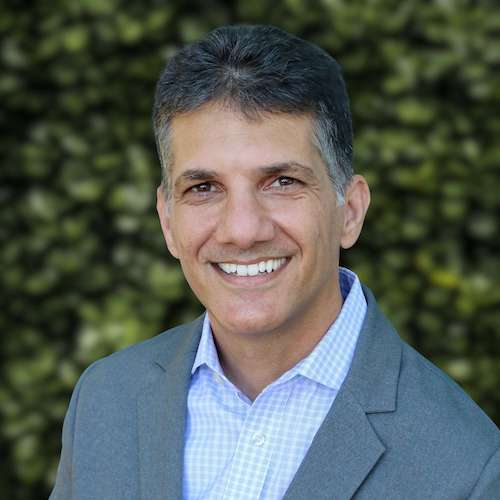
Aaron Bloom, an experienced healthcare attorney, serves as the CEO of DocMJ and Medwell Health and Wellness Centers, where he has overseen the organizations’ mission and growth since 2016. In addition to his leadership roles, Aaron serves on the Board of Directors for Waterfall Bank, bringing his expertise in healthcare, compliance, and strategic growth to the financial services sector.
Aaron’s passion for improving patients’ lives stems from more than 20 years of owning, operating, and representing traditional healthcare organizations. Throughout his career, he has remained committed to finding better ways to relieve suffering and expand access to innovative, patient-centered care. As CEO, Aaron works each day to help patients achieve better health and wellness through the therapeutic benefits of medical cannabis and other evidence-based alternative medicines.