
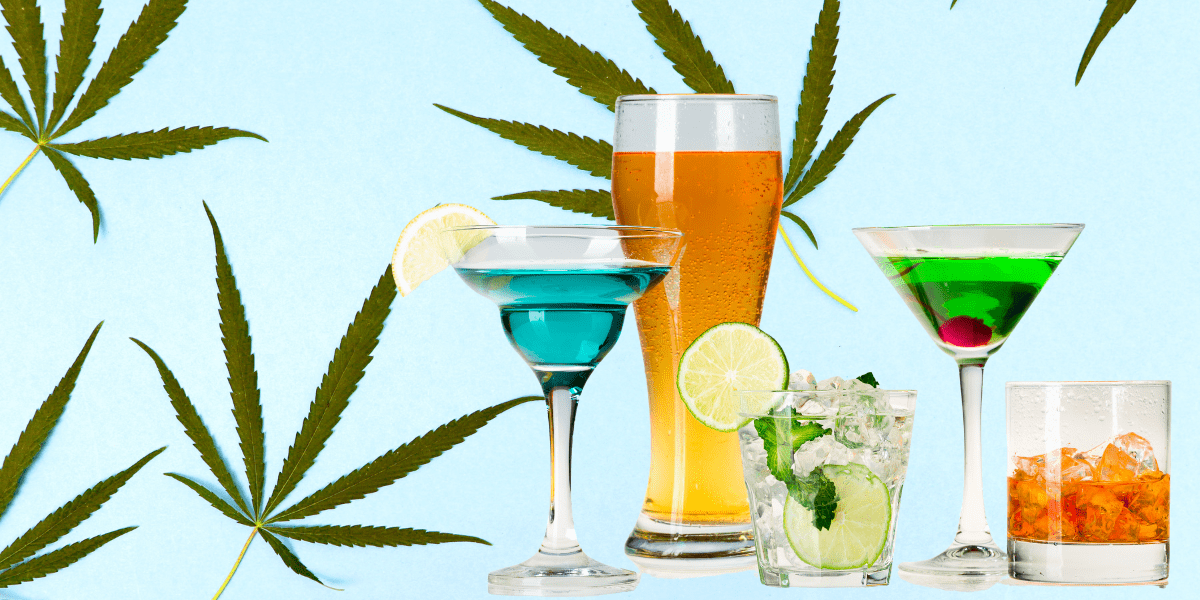
Marijuana and alcohol, being two of the most commonly used substances in the United States, exert distinct effects on the body and mind. While each substance has its unique impact, combining weed with consumed alcohol poses heightened risks, leading to decreased judgment, increased overdose potential, and a greater susceptibility to the effects of THC.
The simultaneous use of both alcohol and marijuana is a common occurrence, whether intentional or accidental, and can result in life-threatening consequences. Understanding how these substances affect the body individually is crucial, as excessive consumption of either can lead to adverse outcomes such as alcohol withdrawal or substance use disorder. Moreover, combining weed with alcohol extends the presence of both substances in a person’s system, intensifying their impact and contributing to unpredictable health risks.
How Alcohol and Marijuana Work on the Body
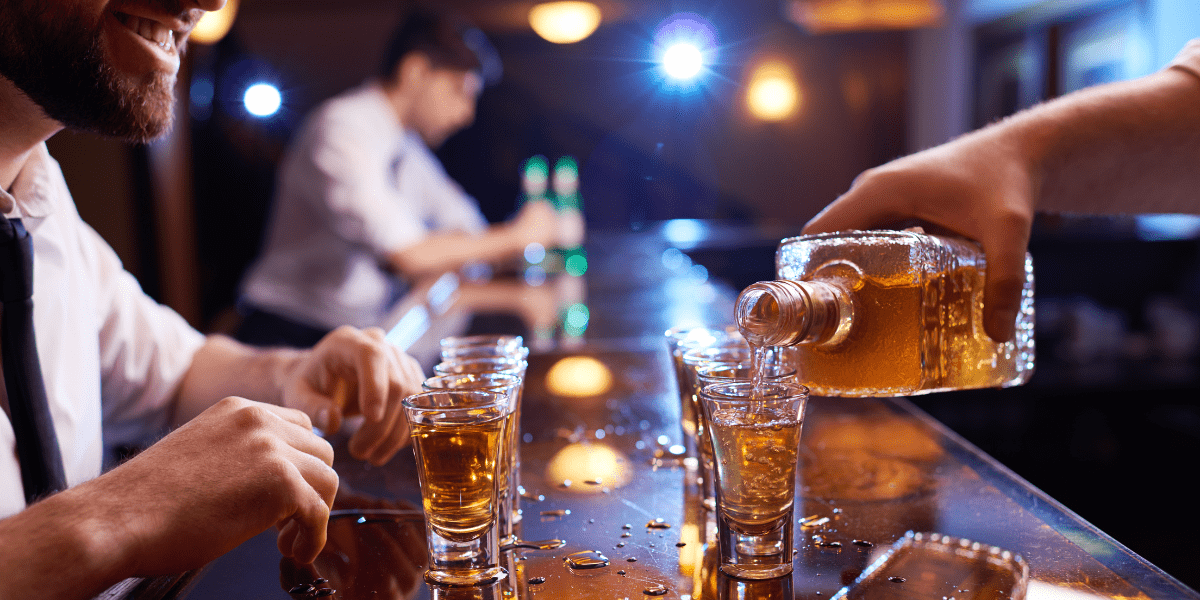
Alcohol is a psychoactive chemical that produces a variety of effects. It is one of the most common recreational drugs and works by suppressing the central nervous system. Although generally considered a depressant, the amount of alcohol consumed can change the effects on the body. For example, if you were to drink a glass of wine, you would experience the stimulating effects of alcohol, such as feeling more social or energized. After a few more glasses of wine, you would experience the sedating effects, such as slurred speech and difficulty walking. By binding to certain receptors in the brain, alcohol can affect short-term memory and heart rate and impair other senses.
Understanding the effects of alcohol and marijuana on the body is crucial, as both substances can have profound impacts on judgment, coordination, and overall well-being. While each substance affects the body differently, mixing marijuana can lead to unexpected consequences, such as heightened THC absorption, increased risk of overdose, and potential long-term issues.
Explore safer alternatives to alcohol and learn about the potential benefits of cannabis-infused beverages as an option.
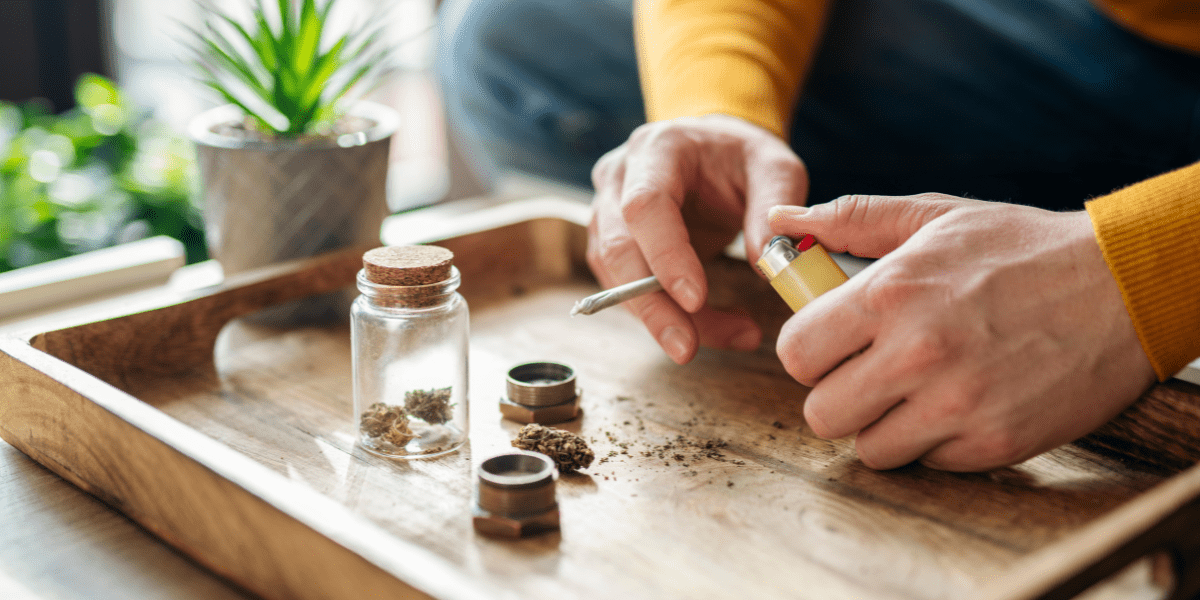
Similarly to alcohol, marijuana binds to the brain, generating various effects. Unlike alcohol, specific receptors for marijuana’s chemicals, called cannabinoid receptors, are distributed throughout the body. Additionally, marijuana compounds can bind to serotonin and other neurotransmitter receptors. Similar to alcohol, marijuana exhibits the dual nature of being both a stimulant and a depressant, influencing heart rate and mood elevation and causing dizziness and short-term memory loss (Murray, 1986).
Combining alcohol and marijuana intensifies these effects, creating a synergistic impact on the body and mind. This co-consumption elevates the risks associated with each substance individually, leading to heightened THC absorption, increased overdose potential, and a greater likelihood of experiencing adverse effects. Decreased judgment is a notable consequence of this combination, emphasizing the importance of cautious use and understanding the potential impact on decision-making.
Marijuana users may also encounter the common side effect of “cotton mouth.” Understand the causes and discover ways to mitigate this discomfort: Cannabis Cotton Mouth: What Causes It and How to Avoid It
What Happens if Too Much Alcohol or Marijuana is Consumed
Everybody is familiar with hangovers. Hangovers are the short-term consequences of high amount of drinking alcohol in a certain amount of time. They are also a result of many of the effects that alcohol has on the body. For example, one of the unpleasant symptoms of alcohol is that it is a diuretic, causing the kidneys to reabsorb less water, leading to dehydration. Alcohol also prevents deep sleep, which can lead to a challenging morning. It’s crucial to note that excessive alcohol consumption can lead to more severe consequences, such as alcohol poisoning, which requires immediate medical attention. Furthermore, persistently high levels of alcohol intake increase the risk of developing alcohol addiction, emphasizing the importance of moderation and seeking support when needed.
Heavy cannabis users may face increased risks, as prolonged exposure to THC, the active compound in marijuana, can contribute to various health concerns and mental health issues. Risk factors associated with persistent cannabis use include impaired cognitive function, dependence, and a potential escalation to more problematic patterns of consumption.
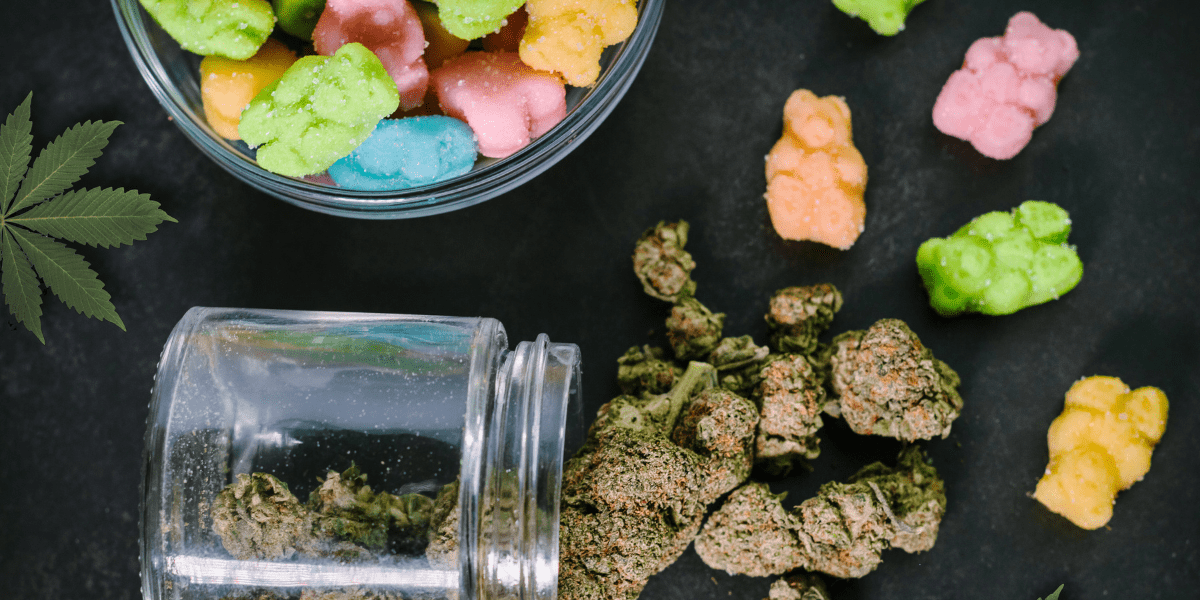
Combining cannabis products, particularly in high doses or consuming edibles, can extend THC’s presence in a person’s system, leading to a heightened risk of adverse effects. Overconsumption, commonly referred to as “greening out,” may result in symptoms such as panic, impaired motor skills, and nausea. Some individuals report experiencing marijuana hangovers after excessive use, characterized by grogginess, nausea, and aches.
The causative factor behind greening out and marijuana hangovers is primarily THC. Tetrahydrocannabinol binds to cannabinoid receptors in the brain and body. At elevated concentrations, THC can lead to overstimulation, emphasizing the importance of responsible and informed cannabis use to mitigate potential adverse outcomes.
What Happens When Mixing Alcohol and Marijuana
Now that marijuana is becoming legal in more states, mixing weed and alcohol is becoming more common, and, as with most drugs, combining alcohol and weed can have unexpected results. Some recreational users seek this out purposefully and claim using both marijuana and alcohol can have fun side effects. They call it “cross-faded,” and Scientific American claims that those who use both weed and alcohol are twice as likely to use both at the same time.
This is usually so they can feel marijuana quicker, and that is very likely to happen. After consuming alcohol, higher levels of THC from smoking cannabis are found in blood plasma compared to those who did not drink alcohol (Lukas, 2001). This heightened THC level likely means that alcohol increases the rate of absorption and magnifies the effects of THC. Those who both smoked marijuana and drank alcohol claimed to have felt the effects of marijuana sooner and rated their high “better.”
This may also be due to alcohol-induced blood vessel dilation, which is also the reason people report feeling warmer when drinking. In moderate amounts, alcohol causes blood vessels to expand. Combine increased blood flow with higher levels of THC, and odds are your brain is getting much more THC than if you were only using marijuana. Because of this, you are at a higher risk of suffering from some of the more dangerous effects of marijuana.
When combining marijuana and alcohol, you are also more likely to overdose on either one. While overdosing on marijuana hasn’t proven fatal, it can lead to injury due to loss of balance, memory, and other risky behaviors. Overdosing in alcohol, however, has proven disastrous. Some research also suggests that those who use both marijuana and alcohol are five times more likely to develop an alcohol use disorder (Columbia.edu). Of those who already had an alcohol use disorder, those who did not use marijuana were much more likely to recover.
In summary, both marijuana and alcohol exert profound effects on the mind and body. When these substances are combined, their impact becomes unpredictable and significantly intensified. The heightened strength of the drugs increases the likelihood of injuries and overdoses and can contribute to long-term issues, including alcohol use disorder. Combining these substances, particularly when marijuana is used for medical purposes, is strongly discouraged due to the potential dangers.
This combination amplifies the risk of alcohol poisoning, exacerbates alcohol abuse, and contributes to overall drug abuse. Smoking weed in conjunction with alcohol further compromises mental and physical well-being, consistently impairing driving performance and increasing the potential for accidents. The complex interplay between marijuana’s effects and mental health conditions is heightened, emphasizing the need for cautious use. It is crucial to prioritize individual health and safety by avoiding the simultaneous consumption of alcohol and marijuana, especially considering the potential risks to mental health and overall well-being.
Negative effects arise when marijuana affects the body’s ability to metabolize alcohol properly, impacting blood alcohol levels. The intricate relationship between drinking alcohol, mixing weed and alcohol, and the presence of blood and plasma cannabinoids emphasizes the necessity of making informed choices and understanding the potential consequences associated with combining these substances.

Aaron Bloom, an experienced healthcare attorney, serves as the CEO of DocMJ and Medwell Health and Wellness Centers, where he has overseen the organizations’ mission and growth since 2016. In addition to his leadership roles, Aaron serves on the Board of Directors for Waterfall Bank, bringing his expertise in healthcare, compliance, and strategic growth to the financial services sector.
Aaron’s passion for improving patients’ lives stems from more than 20 years of owning, operating, and representing traditional healthcare organizations. Throughout his career, he has remained committed to finding better ways to relieve suffering and expand access to innovative, patient-centered care. As CEO, Aaron works each day to help patients achieve better health and wellness through the therapeutic benefits of medical cannabis and other evidence-based alternative medicines.