

The federal legalization of cannabis is a potential game-changer for the industry, and investors are waiting with bated breath to see how it unfolds. With legalization already happening at the state level, federal action would unlock a massive new market and remove significant roadblocks for cannabis businesses.
Here are the three most likely paths to federal cannabis legalization, ranked by increasing chance of success, as explored in a recent article by Benzinga.
1. Rescheduling Cannabis
This path involves reclassifying cannabis from a Schedule I drug (considered to have no accepted medical use and a high potential for abuse) to a less restrictive schedule. This would make it easier for researchers to study the plant’s medicinal properties and open doors for increased investment and business opportunities. While not full legalization, rescheduling would be a significant step forward. HHS recommended to the DEA that marijuana be rescheduled from Schedule 1 to Schedule III in August of 2023. Once the DEA decides, the DEA can initiate rulemaking or reschedule marijuana by order.
2. Congressional Action Through Bills
This scenario involves Congress passing a specific bill that legalizes cannabis at the federal level. This could be a comprehensive bill that addresses various aspects of the industry, like taxation, regulation, and banking. While this path offers the most significant change for the cannabis market, it also faces the most hurdles due to the complex legislative landscape and potential political resistance.
3. Legalization Through the Courts
The least likely path, but still a possibility, is federal legalization happening through the court system. This would involve a successful lawsuit challenging the federal ban on cannabis. While there are ongoing legal battles, the federal government holds strong power in such cases, making court-driven legalization the least probable scenario.
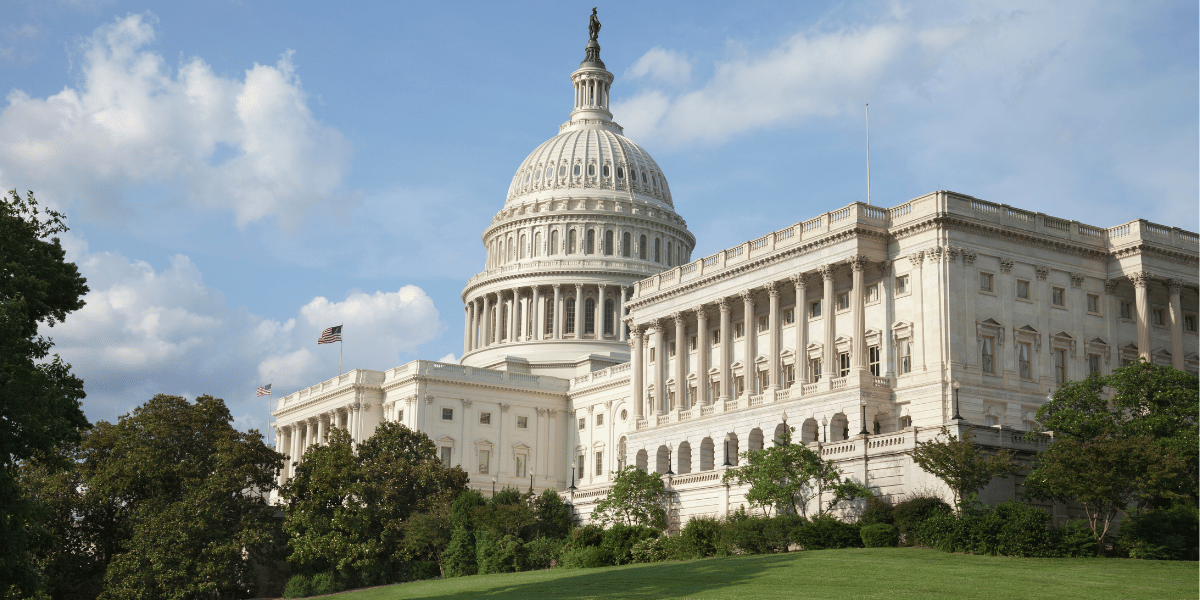
Although not a path to legalization, banking reform would positively impact investments in the cannabis industry. The Secure and Fair Enforcement Banking Act (SAFER Banking Act) aims to bridge the gap between state-legal cannabis businesses and the federal banking system. Its passage would allow cannabis businesses to access banking services without fear of federal prosecution, thus enhancing transparency, safety, and accountability within the industry.
By enabling legal businesses to operate within the banking system, the bill promotes economic growth, job creation, and tax revenue generation. Moreover, it addresses concerns regarding public safety by reducing the reliance on cash transactions, which are prone to criminal activity. Overall, the SAFER Banking Act stands as a crucial step towards modernizing cannabis regulation, fostering responsible business practices, and supporting the growth of a burgeoning industry.
The SAFER Banking Act has garnered bipartisan support and has passed the US House of Representatives multiple times. However, its progress in the Senate has faced hurdles, including concerns from some lawmakers about broader cannabis policy reform. Senator Schumer has indicated that passage in 2024 is a priority.
No matter the path, federal legalization would significantly impact the cannabis industry. Investors should stay informed about these developments and their potential implications for different segments of the market, such as Multi-State Operators (MSOs), ancillary businesses, and cannabidiol (CBD) producers.
By understanding these potential pathways, investors can position themselves to capitalize on the opportunities that federal legalization could bring.

Aaron Bloom, an experienced healthcare attorney, serves as the CEO of DocMJ and Medwell Health and Wellness Centers, where he has overseen the organizations’ mission and growth since 2016. In addition to his leadership roles, Aaron serves on the Board of Directors for Waterfall Bank, bringing his expertise in healthcare, compliance, and strategic growth to the financial services sector.
Aaron’s passion for improving patients’ lives stems from more than 20 years of owning, operating, and representing traditional healthcare organizations. Throughout his career, he has remained committed to finding better ways to relieve suffering and expand access to innovative, patient-centered care. As CEO, Aaron works each day to help patients achieve better health and wellness through the therapeutic benefits of medical cannabis and other evidence-based alternative medicines.