

What is the leading cause of preventable disease, disability, and premature death in the United States? If you guessed cigarette smoking, you would be correct. Smoking causes an estimated 480,000 deaths in the United States every year.
Despite this, in 2021, the Centers for Disease Control and Prevention (CDC) reported that 12 out of 100 American adults (11.5%) smoked on a regular basis. The CDC also estimates that there are more than 16 million Americans currently living with a disease or disability attributed to smoking or chewing tobacco products.
Efforts in health education are working, but when someone decides to quit smoking, it can prove more difficult than they imagined. Tobacco cigarettes, vaping, and chewing are all delivery methods for one of the most addictive substances on the planet: nicotine.
Can medical cannabis be used as a potential aid for nicotine replacement therapy? Most conversations about addictions and marijuana don’t include tobacco smokers. However, if you want to stop smoking, it may be part of a successful doctor-supervised smoking cessation treatment plan.
Decline In Tobacco Smokers In The United States

Let’s start with the good news. Over the past few decades, America has witnessed a remarkable decline in tobacco smoking rates, marking a significant shift in public health behavior. This downward trend can be attributed to a multifaceted approach that combines comprehensive tobacco control policies, public awareness campaigns, and shifts in societal norms surrounding smoking.
Beginning in the mid-20th century, when the harmful effects of smoking became widely acknowledged, efforts to curb tobacco use intensified. Aggressive anti-smoking campaigns, such as the Surgeon General’s warnings, coupled with restrictions on tobacco advertising and smoking in public spaces, have played a pivotal role in changing attitudes towards smoking.
Additionally, the implementation of tobacco taxation policies and increased access to smoking cessation resources have further incentivized smokers to quit and deterred potential new smokers from starting.
Social Perspective Shift: Smoking Went From Cool to Being Frowned Upon
Cultural shifts and changing perceptions of smoking have contributed to the decline in tobacco use across America. Smoking cessation has become increasingly normalized and even celebrated, with quitting often seen as a sign of personal strength and improved health. The emergence of alternative nicotine delivery systems, such as e-cigarettes, has also provided smokers with additional options to transition away from traditional tobacco products.
However, while the decline in smoking rates is a positive trend, challenges remain, particularly among certain demographic groups and regions with lower socioeconomic status. Continued efforts to address disparities in tobacco use, strengthen tobacco control policies, and support smoking cessation initiatives will be crucial in reducing cigarettes smoked and the negative impact it can have on human health.
What Nicotine Addiction Does To Your Body

Nicotine is highly addictive, similar to drugs like cocaine or heroin. It activates reward pathways in the brain (dopamine), leading to feelings of pleasure and reinforcement of the habit. Over time, the brain becomes dependent on nicotine, causing cravings and withdrawal symptoms when it is not consumed.
But there are many other ways that nicotine can threaten your health:
Cardiovascular Effects
When you use nicotine, like in cigarettes or certain vaping products, it causes your blood vessels to tighten up, like squeezing a water hose. At the same time, it makes your heart beat faster and harder. Picture it as if you’re making your heart work extra hard while also squeezing the blood vessels.
Now, this might not seem like a big deal in the short term, but over time, it’s like putting extra stress on your heart and blood vessels. Imagine if you kept squeezing that water hose too much – eventually, it might burst or wear out. Similarly, with nicotine, this strain on your cardiovascular system can lead to serious problems.
Over time, this strain can increase your chances of developing heart disease, which can lead to heart attacks or other heart-related issues. It also raises the risk of having a stroke, which is when blood flow to part of your brain gets blocked. Plus, it can contribute to other cardiovascular disorders, like peripheral artery disease.
Respiratory Effects
Nicotine can harm lung function and increase the risk of respiratory conditions such as chronic obstructive pulmonary disease (COPD) and pneumonia. It can also exacerbate existing respiratory conditions like asthma.
Cognitive Impact
Nicotine doesn’t just affect your body; it can also mess with your brain. When you use nicotine, it can throw off important brain functions like paying attention, remembering things, and learning new stuff. It’s like having a foggy brain instead of a sharp one.
Now, this is especially risky for young people, like teenagers, because their brains are still growing and changing a lot. Imagine if you’re building a house, but someone keeps coming in and messing with the blueprints. That’s kind of what nicotine does to a developing brain—it interferes with the normal process of learning and growing.
So, if teenagers keep using nicotine regularly, it can actually make it harder for them to focus, remember things, and pick up new skills. It’s like trying to study with a distraction constantly buzzing in the background. Over time, this can lead to problems with school, work, and everyday life.
That’s why it’s important for young people to steer clear of nicotine products altogether. Protecting your brain while it’s still developing sets you up for a better, sharper mind in the long run. And for anyone using nicotine, cutting back or quitting can help your brain get back on track and function at its best.
Mood Alteration
Nicotine is like a rollercoaster ride for your mood and energy levels. When you use nicotine, like in cigarettes or vaping, it can give you a quick boost of energy and make you feel more alert and focused. It’s like pressing the turbo button on your brain, making everything feel more exciting and intense for a little while.
But here’s the catch: that energy boost doesn’t last forever. Once the effects of nicotine wear off, you might start feeling tired and low on energy, like a deflated balloon. It’s like crashing after a sugar rush—you go from feeling supercharged to running on empty.
Plus, nicotine can mess with your mood, too. It can make you feel more relaxed and less stressed out in the short term, which is why some people turn to cigarettes when they’re feeling anxious or upset. But over time, using nicotine regularly can actually make your mood swings worse. It’s like throwing a wrench into the gears of your emotions, making them go haywire.
So, while nicotine might seem like a quick fix for boosting your mood and energy, it’s really just a temporary high followed by a crash. Finding healthier ways to manage your energy and mood, like exercise or spending time with friends, can give you a more sustainable lift without the rollercoaster ride of nicotine.
Appetite Suppression
Nicotine can do some tricky things with your body, like making you feel less hungry and speeding up how your body burns calories. It’s like hitting the fast-forward button on your metabolism and putting a lid on your appetite.
So, even though they might want to quit smoking for their health, the fear of gaining weight can keep them hooked on cigarettes. It’s like they’re stuck in a tough spot—wanting to be healthier but worried about the scale tipping in the wrong direction.
But here’s the good news: quitting smoking doesn’t automatically mean packing on the pounds. With the right support and healthy habits, you can manage your weight while kicking the smoking habit. And remember, even if there’s a bit of weight gain, it’s a small price to pay for the huge benefits of quitting smoking and improving your overall health.
Skin Damage
Smoking tobacco can really do a number on your skin, especially your face. Imagine your skin like a delicate piece of fabric—when you smoke, you’re basically exposing it to a bunch of harmful chemicals that can wreak havoc.
One of the most noticeable effects is wrinkles. Smoking can make your skin lose its elasticity, which is like its ability to bounce back and stay smooth. Over time, this leads to more wrinkles, particularly around your mouth and eyes. It’s like crumpling up a piece of paper over and over again—it starts to show all those creases and lines.
But that’s not all. Smoking also interferes with your skin’s blood flow and oxygen supply, leaving you looking pale and sallow. It’s like your skin isn’t getting the nourishment it needs to stay healthy and vibrant.
So, if you want to keep your skin looking youthful and fresh, kicking the smoking habit is a great place to start. Not only will it help prevent more wrinkles from forming, but it’ll also give your skin a chance to heal and recover its natural glow.
Reproductive Effects

For women, nicotine can mess with the delicate balance of hormones that are crucial for ovulation and pregnancy. It can make it harder for the ovaries to release eggs regularly, which can make it more difficult to get pregnant. Plus, smoking can damage the eggs themselves, making them less likely to be healthy and able to develop into a baby.
For men, nicotine can wreak havoc on sperm. It can reduce sperm count, making it harder to fertilize an egg and messing with the shape and movement of sperm, making them less effective swimmers. It’s like throwing obstacles in the way of those little guys on their journey to fertilize an egg.
But that’s not all. Even if a woman manages to get pregnant despite smoking, nicotine can increase the risk of complications during pregnancy, like miscarriage, preterm birth, and low birth weight. It’s like stacking the deck against a healthy pregnancy from the start.
So, if you’re trying to conceive, kicking the smoking habit is one of the best things you can do to improve your chances of success. Not only will it increase fertility and make it easier to get pregnant, but it’ll also set the stage for a healthier pregnancy and baby down the road.
Social and Environmental Impact
Nicotine addiction can have profound social and environmental consequences, affecting relationships, employment, and financial stability. Thanks to additional excise taxes, smoking cigarettes is an expensive habit. Over time, because the human body builds a tolerance to nicotine, more tobacco is required to get the same effects.
Additionally, secondhand smoke exposure poses health risks to non-smokers, including children and pets. In fact, people you care about who share your space may share the same risk as you do, as a smoker, for cardiovascular and respiratory diseases.
Withdrawal Symptoms
Nicotine withdrawal can hit you like a ton of bricks, making quitting smoking or vaping feel like a rollercoaster ride. Nicotine is categorized as a drug addiction because of the effects it causes when you stop consuming it.
Symptoms of withdrawal typically kick in within a few hours to a day after your last nicotine fix, peaking within the first few days and gradually easing off over the following weeks. Here’s what you might experience:
- Cravings
- Irritability
- Anxiety
- Depression
- Difficulty concentrating
- Insomnia
- Increased appetite
- Headaches
- Fatigue
Overall, nicotine withdrawal can feel like a tough uphill battle, but remember: these symptoms are a sign that your body is healing and adjusting to life without nicotine. With time and support, they’ll gradually fade away, leaving you feeling healthier and happier than ever before.
Potential Benefits of Marijuana in Curbing Tobacco Cravings

The potential benefits of marijuana in curbing tobacco cravings have garnered increasing attention in recent years, prompting scientific inquiry and public discourse. While research in this area is still emerging, several mechanisms suggest how marijuana may offer promise as a tool for tobacco cessation.
Firstly, cannabinoids, the active compounds in marijuana, interact with the endocannabinoid system in the brain, which plays a crucial role in regulating mood, appetite, and addiction. Some studies suggest that cannabinoids may modulate the brain’s reward pathways, potentially reducing the reinforcing effects of nicotine and alleviating cravings for tobacco. Additionally, certain cannabinoids have been found to have anxiolytic and stress-reducing properties, which could help individuals manage the anxiety and stress commonly associated with nicotine withdrawal.
Moreover, marijuana may serve as a harm-reduction strategy for individuals struggling to quit tobacco. Switching from smoking cigarettes to using marijuana through alternative methods such as vaping or edibles eliminates exposure to the harmful toxins and carcinogens found in tobacco smoke. While not without risks, these alternative delivery methods may offer a less harmful option for individuals who are unable or unwilling to quit nicotine entirely.
Furthermore, marijuana has been used medicinally for various conditions, including chronic pain and mood disorders, which are commonly reported reasons for tobacco use. By addressing underlying symptoms that contribute to tobacco dependence, marijuana could indirectly support people who want to quit smoking. Additionally, some individuals report using marijuana as a distraction or substitute for tobacco when experiencing cravings, although further research is needed to understand the efficacy and safety of this approach.
Risks and Considerations of Using Marijuana for Tobacco Addiction
Using marijuana as a way to deal with tobacco addiction may seem like a solution, but it comes with its own set of risks and considerations. It took more than thirty years for the global medical community to fully understand the adverse effects and risks that tobacco smokers face.
It’s important to understand that marijuana users may face some risks similar to cigarette smoking. Inhalable cannabis products present the highest risk of cardiovascular and respiratory problems.
Here’s a breakdown of what you should know:
Temporary Relief
When grappling with the challenging symptoms of nicotine withdrawal, individuals often seek any available means to alleviate their discomfort. For some, marijuana presents itself as a potential solution. Its psychoactive properties can induce feelings of relaxation and euphoria, which may counteract the anxiety and irritability commonly associated with nicotine withdrawal. Additionally, marijuana can temporarily suppress cravings, providing respite from the relentless urge to smoke.
However, it’s crucial to recognize that this relief is fleeting and comes with its own set of risks. While marijuana may offer temporary reprieve, it does not address the underlying causes of nicotine addiction. Moreover, relying on marijuana as a coping mechanism can inadvertently lead to the development of a separate dependency, complicating the journey toward long-term abstinence from tobacco. Therefore, while marijuana may seem like a tempting option in the throes of nicotine withdrawal, it’s essential to carefully consider its implications and explore alternative strategies for managing cravings and anxiety.
Dependency
Similar to tobacco, regular use of marijuana can lead to dependency, where the body and mind become accustomed to its effects and crave its presence. Initially, marijuana may serve as a coping mechanism, offering relief from the stress and cravings associated with nicotine withdrawal. However, over time, the reliance on marijuana to manage these symptoms can deepen, creating a cycle of dependency that exacerbates the challenges of quitting both substances.
As the dependency on marijuana solidifies, individuals may find it increasingly difficult to abstain from its use, even if they originally turned to it as a temporary solution for tobacco addiction. This intertwining of dependencies can significantly hinder efforts to quit either substance, as the withdrawal from one may trigger cravings for the other.
Health Risks
When you smoke marijuana, it can damage your lungs and the system that helps you breathe, just like tobacco does. This happens because marijuana has a bunch of bad chemicals in it, similar to the ones in cigarettes. These chemicals can mess up your lungs and make it harder for you to breathe over time. Imagine your lungs as delicate balloons – when you smoke marijuana, these balloons can get filled with harmful stuff, making them weaker and less efficient.
Breathing in these chemicals from smoking marijuana can raise the chances of having problems with your lungs and breathing, like coughing, wheezing, or getting sick more often. It can even lead to serious diseases that make it hard to breathe properly, like chronic bronchitis or lung cancer. So, just like with cigarettes, it’s important to be aware that smoking marijuana isn’t risk-free, especially for your lungs and respiratory health. Choosing safer ways to use marijuana, like vaping or edibles, might be better for your lungs in the long run.
Mental Health Concerns
Marijuana use has been linked to mental health problems, especially in young people. It can worsen symptoms of anxiety, depression, and psychosis and may increase the risk of developing these conditions in the long term.
Impact on Treatment
Using marijuana while trying to quit tobacco can interfere with treatment programs designed to help you quit. It might make it harder to stay motivated and committed to quitting and could undermine the effectiveness of other therapies or medications.
Substitution Effect
Instead of addressing the root cause of addiction, using marijuana as a substitute for tobacco may simply replace one dependency with another. This can delay or hinder the process of breaking free from addiction altogether.
In conclusion, while marijuana might offer temporary relief from tobacco addiction, it comes with its own set of risks and considerations. Before using marijuana as a coping mechanism, it’s important to weigh these factors carefully and consider seeking professional help for quitting tobacco in a safe and effective manner.
Research Studies on Marijuana and Tobacco Cravings

Impairment caused by the psychoactive effects of cannabis makes using medical marijuana for smoking cessation treatment challenging. When you are at work, you may be used to taking a quick smoke break a couple of times during the day. If that smoke break is cannabis, you are going to struggle to get your work done. Not to mention, your coworkers may notice you are high (and that’s not good).
However, using cannabidiol (CBD) during the day will cause no impairment at all. That means a high-quality CBD supplement may be your best bet to curb nicotine addiction and cravings when you are not home. Many clinical trials and studies have suggested cannabidiol can help you quit smoking cigarettes.
Vaporized CBD May Help Some People Kick The Habit of Smoking Cigarettes
Nicotine dependence is the major reason why so many Americans struggle to quit smoking. However, there is a habitual, non-chemical aspect to smoking that is also difficult to change. Smoking involves using your hands and oral inhalation, two things that can be difficult to retrain, as they are often associated with feelings of relief and relaxation.
Smokable products or inhalable vapes are the least healthy intake methods compared to other options. But for those who are trying to quit smoking, it may provide some extra help. The experience of vaporizing CBD (instead of nicotine) may support smoking cessation treatment because it mimics the same hand and oral inhalation of cigarette smoking.
Here’s why CBD is considered beneficial for smoking cessation:
Reducing Cravings
CBD has been shown to interact with receptors in the brain associated with addiction, potentially reducing cravings for nicotine. By modulating the endocannabinoid system, CBD may help alleviate the intense urge to smoke.
Managing Anxiety and Stress
Many people smoke as a way to cope with stress and anxiety. CBD has anxiolytic (anxiety-reducing) properties, which can help calm the mind and alleviate the emotional distress often associated with nicotine withdrawal. By promoting relaxation, CBD may mitigate the need to reach for a cigarette in stressful situations.
Alleviating Withdrawal Symptoms
Nicotine withdrawal can come with a slew of unpleasant symptoms, including irritability, insomnia, and headaches. CBD’s ability to modulate neurotransmitter activity and reduce inflammation may help alleviate these symptoms, making the quitting process more manageable.
Addressing Underlying Issues
Some individuals smoke to self-medicate for underlying conditions such as chronic pain or mood disorders. CBD’s analgesic (pain-relieving) and mood-stabilizing properties may address these issues without the need for nicotine.
Cannabidiol is Non-Addictive
Unlike nicotine replacement therapies (NRTs) such as patches or gum, CBD is non-addictive and does not carry the risk of dependence. This makes it a safer option for long-term use as part of a smoking cessation strategy.
Non-Smokable Cannabis Intake Methods That May Help
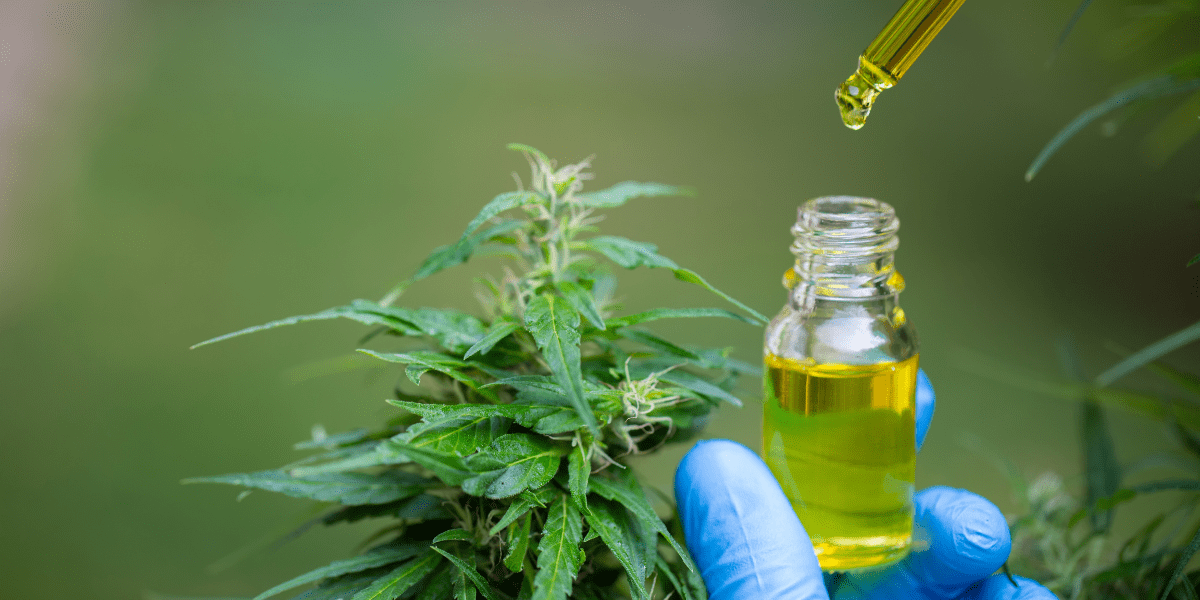
The first step is to see if medical marijuana is offered in your state and whether you have a qualifying health condition that may make you eligible to get a medical card. Once you have your medical card, there are a number of different intake methods you can choose from that are not inhalable or smokable.
Some alternate methods of taking medical cannabis (and cannabidiol or CBD) are:
- Tinctures (sublingual uptake)
- Capsules
- Tablets
- Edibles
Cannabis healthcare providers suggest that, where possible, smoking marijuana should be avoided, particularly for people who may have underlying cardiovascular (heart) or respiratory conditions, such as asthma or emphysema.
If you have been reducing your cigarette consumption and want to try medical cannabis to help with withdrawal symptoms, talk to one of our friendly physicians at DocMJ. It doesn’t matter how many years you have smoked or the number of cigarettes you consume daily; the minute you quit smoking, good things start happening for your body.
You will immediately start to decrease harm from absorbing all the carcinogens in smokable tobacco products, breathe easier, cough less, and lower your risk factors for cancer and other chronic diseases. Get the help you need to taper off or quit smoking cold turkey and start living healthier.

Dr. Rothman is a diplomate of the American Board of Obstetrics and Gynecology. He has received multiple special awards and recognitions, including Physician of the Year, from the Pinellas County Medical Association (2014 – 2015) and the President’s Service Award from the Pinellas County Medical Society.
He attended medical school at State University of New York Upstate Medical Center in Syracuse, New York, where he also completed his Obstetrics and Gynecology residency. In addition to practicing medicine, Dr. Rothman’s professional career includes being an Assistant Professor at the University of South Florida and Clinical Instructor at the University of Tampa’s College of Nursing.
Dr. Rothman received his Florida Medical Marijuana Physicians Certification in 2016 and was one of the first recommending physicians through DocMJ in the state and is loved by many of those early patients today.