
One of the concerns about the legalization of medical cannabis stemmed from the realization that perhaps for the first time in American history, there could be retail cannabis products in family homes. That is households that have one or more children or adolescents.
Because the accessibility of cannabis products has changed, social research and health studies are frequently conducted to see whether legalized cannabis is having an unintended side effect: increased use of marijuana by children and adolescents.
The statistics in the past two years have helped quell some of those concerns. Tobacco and cannabis use is actually declining among teens. According to the NIH’s National Institute on Drug Abuse, teens are, however, adopting nicotine confectionary flavored vapes in higher numbers.
While more research is needed, global clinical studies agree that there are short-term effects of marijuana and detrimental long-term health risks for teens. In fact, the earlier adolescents start using cannabis on a regular basis, the higher the risks are of adverse effects.
Can Teenagers Get a Medical Cannabis Card?
Medical cannabis programs have accommodations for minors who have debilitating symptoms or chronic diseases. Some of the pediatric conditions where medical cannabis may be used therapeutically include cancer, moderate to severe epilepsy, cachexia (wasting disease), and terminal illness.
To get a medical cannabis card independently (without parental consent), you must be eighteen (18) years of age or older. In states that have legalized adult use, the minimum required age to purchase products at a recreational cannabis dispensary is twenty-one (21).
What is a Cannabis Caregiver?
Anyone under the age of eighteen years who wants to add cannabis to their treatment plan must do so with a designated caregiver. That is delegating the responsibilities of purchasing and administering cannabis products to a minor.
Only parents or legal guardians are permitted to register as a caregiver. The minor must have medical documentation regarding the health effects of their condition(s) or symptom(s). In some states, pediatric approval (from a primary care provider) is required in addition to certification from a cannabis healthcare specialist.
When the minor (patient) joins the state cannabis registry, the caregiver also goes through an application and approval process. In many states, prior drug offenses or incarceration for drug-related or violent crimes will disqualify someone from becoming a cannabis caregiver.
What Kind of Medical Cannabis Can Be Provided to Minors?
If the patient and caregiver are registered in the state medical cannabis program, the products that can be purchased for the minor are low-THC. Most states have a 10% THC maximum potency for cannabis administered to adolescents.
In some rare cases, and often with minors who are diagnosed with a terminal illness, the maximum THC potency can be adjusted for compassionate care. To ease and bring comfort to the pediatric patient through the difficult end stages of a terminal condition.
The reason why there is a low THC limit for adolescents is to help reduce the impact of medical cannabis on their normal brain development. Numerous studies indicate that adolescent use of marijuana can also impair learning, memory functioning, reaction time, coordination, and judgment (or critical thinking skills).
Minors who are registered patients (with a caregiver) may not be administered smokable cannabis in most states. Medical cannabis is administered through a tincture (sublingual uptake), tablet, capsule, and sometimes edibles. Convalescent patients may be approved for a tabletop vaporizer.

New Study Confirms Cannabis Has a Detrimental Impact on Teens
A new study was published in the European Archives of Psychiatry and Clinical Neuroscience, and it was focused on determining the effects of marijuana use disorder in adolescents. Researchers from the University of Bath, Kings College London, and University College London shared valuable insights.
The published findings titled “Persistent increased severity of cannabis use disorder symptoms in adolescents compared to adults: a one-year longitudinal study” found that the severity of cannabis use disorder was higher among adolescents than adults. The research indicated that adolescents scored 3.7 points higher on a measure of cannabis use disorder (CUD) symptoms over a one-year period.
Cannabis use disorder is a recognized psychiatric disorder and is diagnosed when:
- The individual has made several unsuccessful attempts at reducing the volume of cannabis used or failed to stop using marijuana (cessation effort).
- Cannabis use is interfering with activities of daily living, such as hygiene and self-care, or obligations, such as employment and relationship quality.
- Mental or physical health is being negatively impacted by cannabis.
- The individual is using cannabis in physically hazardous situations (DUI, at work, etc.)
- Someone experiences intense cravings and withdrawal symptoms and is escalating the potency of the cannabis they are buying due to increased THC tolerance.
The findings were consistent for adult and adolescent participants who used cannabis more than once per week. The risk of developing marijuana use disorder or CUD was negligible for individuals who consumed cannabis less frequently.
Chronic cannabis users are defined as individuals who use marijuana daily for a period of 10-15 days in succession. Chronic heavy use of cannabis is categorized as marijuana use multiple times daily for a period of thirty days or longer.
Short-Term Health Risks of Cannabis Use in Adolescents
Marijuana use can have both positive and negative impacts on your health. Some patients find that medical cannabis use helps improve symptom management, and that can improve their quality of life. Other individuals, however, particularly chronic cannabis users, can experience some noticeable short-term side effects of marijuana use, particularly when it is consumed on a daily basis.
Some of the short-term health effects that can be caused by cannabis use include:
Impaired Cognitive Function
Cannabis can affect the way your brain works, especially in adolescents whose brains are still developing. This can lead to problems with thinking, learning, and memory. When you’re high, concentrating, remembering things, or making decisions can be harder. These effects can make performing well in school or other activities difficult.
Altered Perception and Coordination
Using cannabis can change how you see, hear, and feel things. It can also affect your coordination and balance, making it harder to do things like driving or playing sports safely. Being high can make it more likely for accidents to happen because your senses and reflexes aren’t working as well as they should.
Increased Heart Rate and Blood Pressure
Cannabis can cause your heart rate and blood pressure to go up temporarily. This can be risky, especially for adolescents with heart problems or high blood pressure. It may also increase the chance of experiencing anxiety or panic attacks while high.
Respiratory Issues
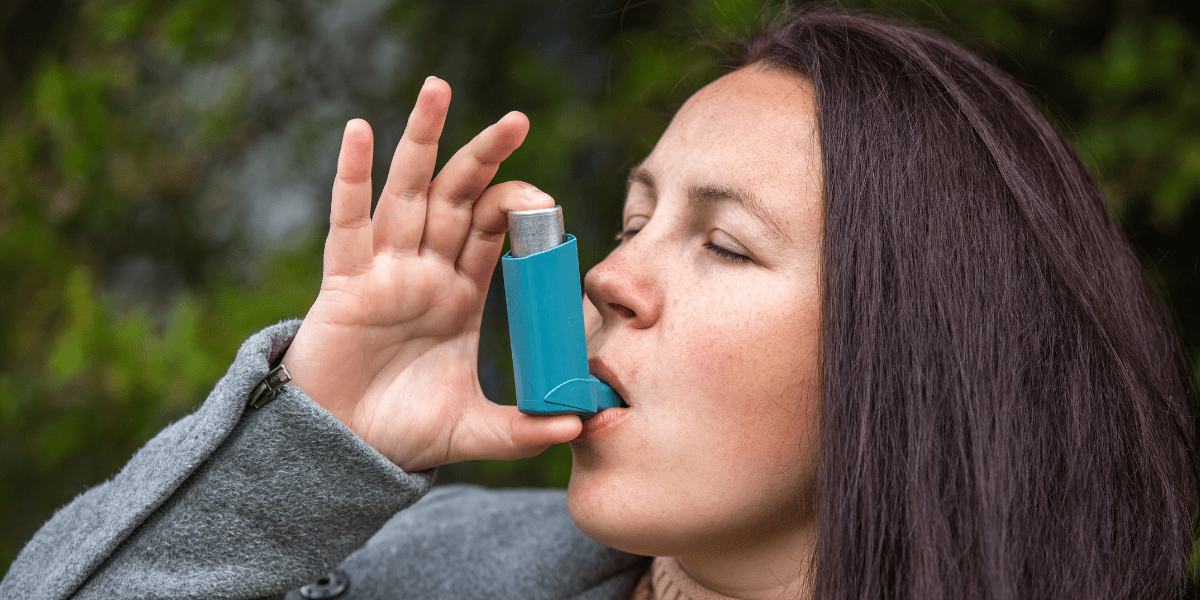
Smoking cannabis, especially when mixed with tobacco, can irritate your lungs and airways, leading to coughing, wheezing, and shortness of breath. This can be especially harmful for adolescents with asthma or other respiratory conditions. Using cannabis in this way can also increase the risk of lung infections.
While the “smoker cough” from cannabis is less pronounced and noticeable compared to the effects caused by tobacco smoke, patients can develop a persistent cough. Particularly if they use wide-mouth glass pipes that increase the density and quantity of smoke inhaled.
Higher Potency and Frequency Determines Severity of Side Effects
The severity of adverse effects of marijuana use depends on the quantity consumed, the potency of THC in the products, and the frequency of use. Higher potency cannabis products, like concentrates, may have more than 60% THC by volume.
Cannabis healthcare providers recommend using the lowest potency cannabis to aid with symptom management. Concentrates should be reserved for patients who have debilitating symptoms that obstruct their normal activities of daily living. High-potency cannabis use is also suggested for individuals in compassionate care to provide comfort in the end-of-life outcomes.
Long-Term Health Risks of Adolescent Cannabis Use
People who start using cannabis at an early age are exposed to the highest long-term health risks of cannabis consumption. Smokable cannabis products (flower, concentrates, or vape) represent the greatest risk of negative health effects.
The long-term health impairments that can be caused by adolescent use of marijuana are:
Respiratory Issues
Long-term cannabis smoking can lead to chronic bronchitis, coughing, and increased phlegm production. It may also damage the cells lining the bronchial passages, potentially increasing the risk of respiratory infections and conditions like pneumonia.
Cognitive Impairment
Prolonged cannabis use, especially starting in adolescence, may impair cognitive function in areas such as memory, attention, and decision-making. This can affect academic and occupational performance and may persist even after cessation of use, particularly in heavy users.
Mental Health Disorders
Regular cannabis use has been linked to an increased risk of developing a variety of mental health disorders, including schizophrenia, depression, and anxiety. While causality is complex and not fully understood, cannabis use, particularly in susceptible individuals or those with a family history of mental illness, may exacerbate or trigger these conditions.
Patients who have been diagnosed with schizophrenia are not certified for medical cannabis use. That is because specific strains of cannabis may cause psychedelic effects that can trigger or worsen visual and sometimes auditory hallucinations. Cannabis can exacerbate negative mental health effects and outcomes for some patients.
Cannabis Hyperemesis Syndrome (CHS)
Cannabis Hyperemesis Syndrome (CHS) is a rare condition characterized by recurrent episodes of severe nausea, vomiting, and abdominal pain in individuals who use cannabis regularly. Despite cannabis being commonly associated with alleviating nausea, in some cases, chronic and heavy use can paradoxically lead to these debilitating symptoms.
The common symptoms that can indicate cannabis hyperemesis syndrome include:
- Recurrent episodes of severe nausea and vomiting.
- Abdominal pain or discomfort is often centered around the epigastric region.
- Compulsive hot baths or showers provide temporary relief.
- Weight loss and dehydration due to persistent vomiting and decreased fluid intake.
Patients who achieve positive symptom management results with medical cannabis are encouraged to use the lowest effective THC potency. Young adults need to be aware that higher-potency cannabis products, such as concentrates, present the greatest risk of developing cannabis hyperemesis syndrome and problems with substance abuse.
Once someone has developed CHS, which is similar to a severe intolerance or allergy to THC and other compounds in the cannabis plant, they have to stop all marijuana use. In fact, those diagnosed with CHS can have moderate to severe symptoms triggered by being exposed to secondhand cannabis smoke.
Risks of Cannabis Addiction and Dependence in Adolescents
Drug and alcohol use among teens in the United States seems to be declining, comparing adolescent and adult findings. However, the regular use of cannabis can lead to addiction and dependence, characterized by cravings, withdrawal symptoms upon cessation, and difficulty controlling use despite negative consequences. This can impact various aspects of life, including relationships, work, and overall well-being.
Mental Health Risks for Adolescents
Some clinical studies have suggested that THC can impair brain structure, not only in cognitive processing regions but also in the areas of our brain that govern emotions like happiness, grief, sadness, and overall mood. Young adulthood is an important period of physical and emotional development.
Psychological and social sequelae can be negatively impacted by adolescent marijuana use. More research is needed, but the medical community suspects that teen cannabis use can disrupt the natural development of the endocannabinoid system in the human body.

Effects of Adolescent Cannabis Use on Academic Performance
In the adolescent journey toward self-discovery and growth, academic performance stands as a cornerstone, paving the way for future success. Yet, amidst the myriad of challenges young minds face, cannabis use emerges as a controversial influencer, casting shadows on scholastic achievement. Let’s embark on a captivating exploration into the effects of adolescent cannabis use on academic prowess.
The Cognitive Conundrum
Picture the brain as a bustling metropolis, neurons firing messages like cars zipping through streets. Cannabis disrupts this orderly traffic, with THC—the psychoactive compound—throwing proverbial traffic cones onto the neural highways. Studies suggest that regular cannabis use during adolescence can hinder cognitive function, impairing memory, attention, and problem-solving skills crucial for academic excellence.
Attendance and Engagement
Imagine a classroom buzzing with energy, minds ignited with curiosity. For adolescents entangled in cannabis use, this vibrant scene may fade into the background. Chronic use can lead to increased absenteeism and reduced engagement in school activities, erecting barriers to learning and social interaction critical for educational growth.
The Grades Dilemma
Grades serve as academic barometers, measuring the depth of understanding and mastery of subjects. However, cannabis use may tip the scales unfavorably. Research suggests a negative correlation between adolescent cannabis consumption and academic achievement, with lower grades and diminished performance echoing the footsteps of chronic users.
The Dropout Debate
In the academic landscape, dropping out of school resembles an untimely storm, disrupting dreams and aspirations. While not solely attributed to cannabis use, studies hint at a potential link between early dropout rates and adolescent cannabis consumption.
In the classic “stoner” movie “Fast Times at Ridgemont High,” the much-loved surfer character Jeff Spicoli managed to graduate high school after some misadventure. Statistics, however, indicate that’s frequently not the case for young people who engage in chronic marijuana use.
Strategies for Preventing Cannabis Use Among Adolescents
Many adolescents may be living in homes where one or more adults are engaged in medical marijuana use. While most parents prefer to be discreet when they are using cannabis products, it is important to have a conversation about marijuana use.
Without vilifying cannabis, young adults should be made aware of the mental health effects and other short and long-term health risks associated with chronic marijuana use. Cannabis may trigger or exacerbate mental health problems by altering normal brain development, resulting in negative later-life outcomes.

Dr. Rosado is a passionate educator about alternative medicine and has cared for patients for over forty years after receiving his M.B.A. at the University of Phoenix. Joseph Rosado, M.D., M.B.A. is also the author of “Hope and Healing: The Case for Cannabis.” Dr. Rosado is a Certifying Physician for DocMJ.