
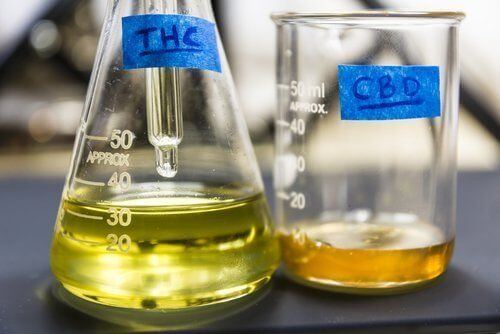
You try THC or CBD expecting relief, calmer sleep, or less pain, yet the results feel weak or inconsistent. This leaves many people wondering whether the product, the dose, or their own body is the problem.
Conversations with medical marijuana doctors often reveal that the issue is not cannabis itself but how the human body absorbs it. The concept that explains this is bioavailability.
Once you understand how cannabinoids move through your body, the reason behind those disappointing results becomes much clearer.
Why THC or CBD Sometimes Feels Like It Isn’t Working
You take CBD oil or THC CBD gummies expecting relief or noticeable effects, yet nothing really happens. This experience is more common than most people think. Many people assume the product is weak or that cannabis simply does not work for them.
In reality, the issue is often not the cannabinoid substance itself. The real question is how much CBD or THC your body actually absorbs and sends into your bloodstream.
Several factors can interfere with how cannabis works in your body:
- The way you take the product or the delivery methods used
- How your digestive system processes cannabinoids
- Your metabolism and enzyme activity
- How much of the compound reaches circulation
When very little of the cannabinoid enters your bloodstream, the receptors in your body never receive a strong signal. That is where the concept of CBD bioavailability becomes important.
What Bioavailability Means for Cannabis
Bioavailability describes the percentage of a compound that reaches your bloodstream after you take it. When a product contains 20 milligrams of CBD, that does not mean your body receives the full 20 milligrams.
Only a portion of that dose enters circulation. The rest may break down during digestion or metabolism before it ever reaches your cannabinoid receptors, which is a topic often discussed by medical professionals in states that have legalized medical marijuana.
Cannabinoids such as THC and CBD naturally face several barriers inside the body:
- They dissolve in fat rather than water because of high lipophilicity and low water solubility
- The digestive tract breaks down many compounds
- The liver changes molecules before they circulate
Because of these factors, oral cannabis supplements often deliver a small fraction of their labeled dose into the bloodstream. This is why two CBD products with the same milligram strength can produce very different effects.
Why Cannabinoids Naturally Have Low Bioavailability
Cannabinoids are fat-soluble molecules. Your bloodstream and digestive fluids are mostly water-based, which makes it harder for these compounds to pass through cell membranes efficiently. This poor bioavailability is one reason some products seem ineffective.
When you swallow CBD or THC, the compound travels through the digestive system before entering the bloodstream. During this process, digestive enzymes begin breaking down molecules.
The next barrier appears in the liver. This stage is called first-pass metabolism, also known as extensive first-pass metabolism. Liver enzymes convert part of the cannabinoid into other compounds before it circulates through the body.
By the time the remaining molecules reach the bloodstream, a large portion of the original dose has already been metabolized.
What Happens to THC or CBD After You Take It
Once cannabinoids enter your body, they follow a specific path before producing noticeable effects. Understanding this path helps explain why results can vary so much.
Step 1: Absorption into the body
Absorption refers to how cannabinoids move from the place you consume them into your bloodstream. The method you choose determines how quickly and efficiently this happens.
When cannabinoids enter through the lungs or under the tongue, they pass through thin tissues that allow faster transfer into circulation. When swallowed, they must pass through the entire digestive system.
The digestive route is slower and less efficient. Stomach acids and digestive enzymes begin breaking down the compound long before it reaches circulation.
This stage is closely tied to CBD absorption and to how efficiently orally administered CBD or other cannabinoids enter the bloodstream.
Step 2: First pass metabolism in the liver
After absorption from the digestive tract, cannabinoids are carried to the liver via the portal vein. The liver contains enzymes that modify many compounds entering the body.
These enzymes change part of the THC or CBD molecules into different metabolites. Some of these metabolites remain active, while others do not interact strongly with cannabinoid receptors.
This process reduces the amount of the original compound available in circulation. That is why edible cannabis products often require high doses compared with inhaled forms.
Step 3: Distribution to cannabinoid receptors
Once cannabinoids reach the bloodstream, they circulate throughout the body’s tissues. At this stage, CBD enters circulation and interacts with receptors in the body’s endocannabinoid system.
These receptors help regulate functions such as pain response, mood balance, sleep cycles, and inflammation signals. If only a small amount of cannabinoid reaches these receptors, the resulting signal may feel mild or barely noticeable.
The intensity of the experience depends on how many molecules reach these receptors and how strongly they bind.
Why Different Cannabis Products Feel So Different
The method you choose to take cannabis changes how cannabinoids move through your body. Each route follows a different absorption pathway, which leads to different onset times and effects.
-
Inhalation
When you inhale cannabis through smoking or vaporization, cannabinoids enter the lungs and pass through tiny air sacs called alveoli. These sacs have a large surface area and thin membranes, allowing molecules to enter the bloodstream quickly.
Because the lungs connect directly to circulation, cannabinoids bypass the digestive system and liver during the initial absorption stage. Effects often work immediately and can be rapid because the compound reaches the brain quickly.
However, inhaled cannabinoids also leave the bloodstream relatively quickly. This often leads to shorter-lasting effects than those of edible products.
-
Edibles and capsules
Edible products follow the digestive pathway. After swallowing, cannabinoids pass through the stomach and intestines before absorption.
This process takes longer, which explains why edibles often take 30 minutes to 2 hours to reach full effects. During digestion and liver metabolism, a portion of the cannabinoid dose breaks down.
Despite lower absorption efficiency, edibles can produce longer-lasting effects because metabolites continue circulating for extended periods.
-
Sublingual tinctures
Sublingual administration involves placing oils under the tongue so they can be absorbed through thin membranes. Some of the compound still gets swallowed, but a portion enters circulation before reaching the digestive tract.
This route usually produces a faster onset than edibles but a slower onset than inhalation. It can also deliver more consistent delivery than swallowing capsules alone.
These tinctures often use lipid carriers such as olive or sesame oil, which contain healthy fats that help cannabinoids dissolve and improve absorption.
Why the Same Dose Works for One Person but Not Another
Two people can take the same cannabis product and report completely different results. This difference often comes from biological variation rather than product quality.
Several factors inside your body influence cannabinoid absorption and metabolism:
1. Genetic differences in liver enzyme activity
Your genetics influence how liver enzymes break down cannabinoids. Some people process THC or CBD quickly, which reduces circulating levels before receptors receive a strong signal.
2. Body fat percentage and distribution
Because cannabinoids dissolve in fat, higher body fat can store more compounds, which may delay the onset but extend the effects. Lower body fat often leads to faster circulation and shorter-lasting effects.
3. Current medications or other drugs that affect metabolism
Certain medications interact with liver enzymes that process cannabinoids. These interactions can slow or speed metabolism, altering how long cannabinoids remain active.
4. The condition of the digestive system
Digestive health influences how well cannabinoids pass through intestinal membranes. Issues affecting gut function or nutrient absorption may reduce the amount that reaches circulation.
5. Food intake
Because cannabinoids dissolve in fat, consuming them with a meal that contains healthy fats can increase absorption. Taking them on an empty stomach may lead to weaker or less predictable effects.
6. Tolerance
Repeated exposure to cannabinoids can reduce receptor sensitivity over time. In this situation, the same recommended dose may produce weaker effects compared with earlier experiences.
These factors determine how quickly cannabinoids break down and how efficiently they circulate.
How to Tell If Bioavailability Is the Real Problem
When cannabinoids fail to produce noticeable results, several signs can indicate absorption issues rather than ineffective products.
Pay attention to certain patterns in how your body responds to cannabis products. You might notice little effect even after taking higher doses, or a very delayed onset after consuming edibles.
Some people also experience stronger results from inhalation than from oils or capsules, or they see inconsistent effects from the same product on different days. When these patterns appear, they often indicate that only a small portion of the cannabinoid dose is actually reaching your bloodstream.
You may also notice that changing the delivery method dramatically changes the experience. For example, someone may feel noticeable relief after inhalation but very little effect from an edible containing a similar amount of THC or CBD.
This difference usually reflects absorption efficiency rather than potency.
What Actually Improves Cannabinoid Absorption
Researchers and manufacturers have explored several ways to improve cannabinoid delivery. These approaches focus on helping fat-soluble molecules cross water-based environments within the body.
Several approaches aim to improve the effectiveness of cannabinoid delivery throughout the body. Lipid-based formulations dissolve cannabinoids in fats, which improves their ability to pass through intestinal membranes because the body absorbs fat-soluble compounds more readily.
Another approach uses nano-scale delivery technologies such as polymeric nanoparticles. These systems reduce particle size and allow a more stable dispersion of cannabinoids, sometimes enabling controlled release within the digestive tract.
Because cannabinoids can interact with enzymes that metabolize medications, drug interactions with certain pharmaceuticals are also worth noting when people are taking CBD alongside prescription medications.
Regulators such as the FDA have also emphasized that labeling accuracy and product labels are important for consumers purchasing dietary supplements in the rapidly growing CBD market.
Ultimately, the effectiveness of CBD may depend on several factors, including CBD concentration, formulation quality, delivery method, and individual physiology. Some individuals with chronic conditions may require more CBD or different formulations to notice benefits.
When a greater portion of the compound reaches circulation, cannabinoid receptors receive a stronger signal. This difference often determines whether a product produces noticeable effects or seems ineffective.
Find Guidance with DocMJ Medical Marijuana Professionals
At DocMJ, we evaluate your symptoms, review your medical history, and help determine whether medical cannabis may support your treatment plan. Our physicians guide patients through safe use, dosing considerations, and product selection. Schedule an evaluation and speak with physicians who understand medical cannabis care.
Dr. Rothman is a diplomate of the American Board of Obstetrics and Gynecology. He has received multiple special awards and recognitions, including Physician of the Year, from the Pinellas County Medical Association (2014 – 2015) and the President’s Service Award from the Pinellas County Medical Society.
He attended medical school at State University of New York Upstate Medical Center in Syracuse, New York, where he also completed his Obstetrics and Gynecology residency. In addition to practicing medicine, Dr. Rothman’s professional career includes being an Assistant Professor at the University of South Florida and Clinical Instructor at the University of Tampa’s College of Nursing.
Dr. Rothman received his Florida Medical Marijuana Physicians Certification in 2016 and was one of the first recommending physicians through DocMJ in the state and is loved by many of those early patients today.