
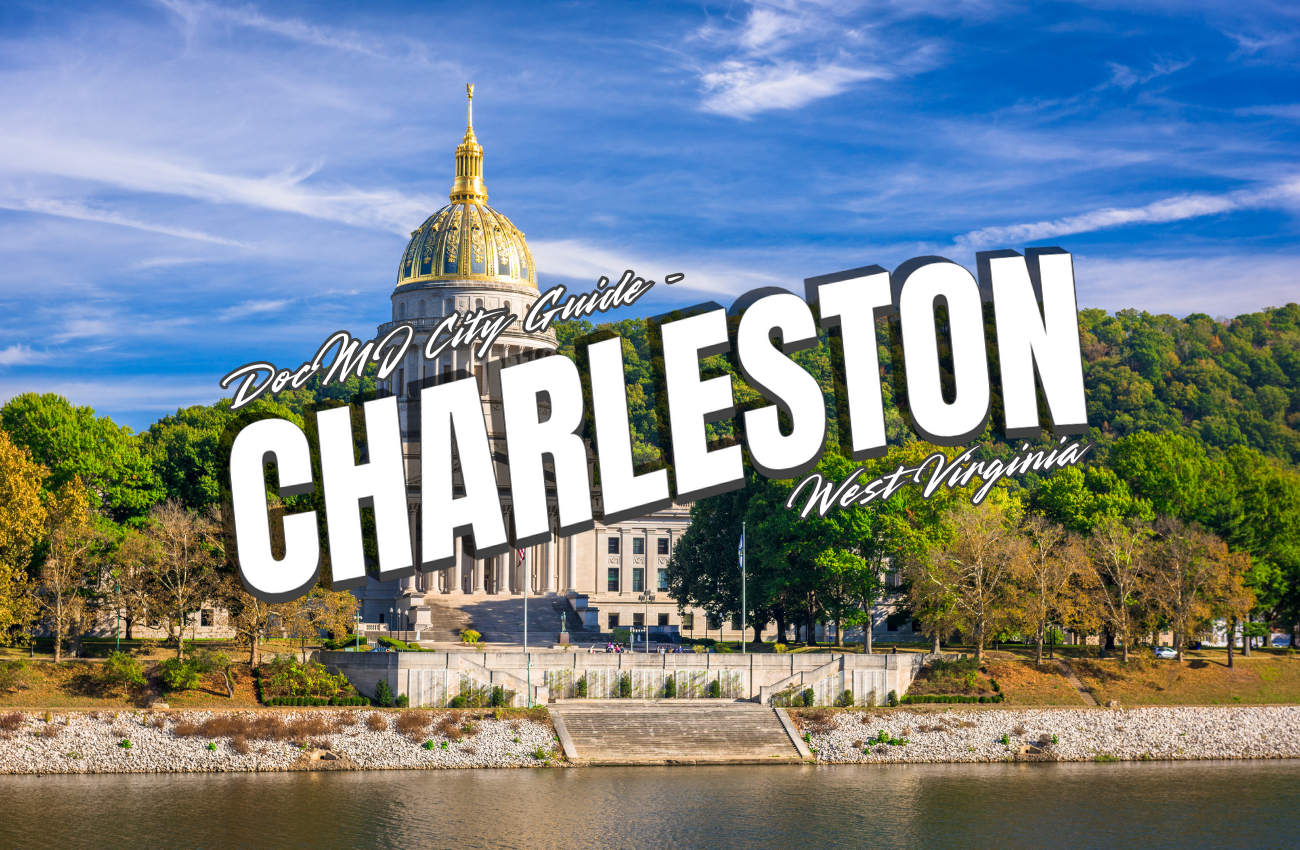
If you’re trying to figure out the legal status of cannabis in Charleston, it’s understandable to feel confused. While many states allow medical or recreational use, West Virginia allows medical marijuana but not recreational use.
In Charleston and statewide, recreational marijuana is illegal, but medical marijuana is legal for qualifying patients under the West Virginia Medical Cannabis Act.
Possession of marijuana outside the medical program can still carry criminal penalties. Registered patients may legally use approved medical cannabis products, while hemp-derived products like CBD oil that meet federal law THC limits are also permitted.
A Charleston medical marijuana clinic can help explain patient eligibility, certification requirements, and program rules, though recreational legalization has not yet passed.
Understanding South Carolina Cannabis Laws
To grasp who can legally use or possess cannabis-related products in Charleston, start with West Virginia state law. Recreational marijuana remains illegal, but the state operates a regulated medical marijuana program for qualifying patients.
Unlike South Carolina, West Virginia allows medical cannabis for a wide range of conditions, including chronic pain, PTSD, cancer, multiple sclerosis, epilepsy, and others approved by the Office of Medical Cannabis.
The West Virginia Medical Cannabis Act established a system that allows physicians to certify patients and authorize their participation in the program, providing legal protections when patients follow program rules.
Smokable flower is permitted under West Virginia law, and products are regulated for quality, labeling, and safety. Patients must remain registered and compliant to maintain legal protections.
How to Navigate Cannabis Legally in Charleston
Because West Virginia runs an active medical marijuana program, the process in Charleston differs from states without medical access. Even though cannabis is now Schedule III federally, cannabis in Charleston may only be recommended by a registered physician, and patients must enroll through the West Virginia Office of Medical Cannabis.
Qualifying patients receive state-issued medical marijuana cards, which allow them to purchase approved products from licensed dispensaries within the state. If you believe you or a family member may qualify, the process involves a physician certification, online state registration, and card approval before purchasing any medical cannabis products.
Transporting marijuana outside West Virginia or without proper registration can still result in legal consequences, even if the cannabis was legally obtained.
Cannabis Dispensaries and Access in Charleston
Unlike states without medical programs, Charleston, West Virginia, does have licensed medical marijuana dispensaries where registered patients can legally purchase cannabis products.
The state operates a regulated system for cultivation, processing, testing, and retail sales, overseen by the Office of Medical Cannabis. Products are tracked and dispensed only to approved patients and caregivers.
Here are five licensed medical cannabis dispensaries that serve Charleston, West Virginia, patients, all approved under the West Virginia medical marijuana program, where registered patients can legally purchase cannabis:
- NewLeaf
- Kanacare
- The Landing
- Trulieve
- Country Grown Cannabis
Because recreational marijuana remains illegal, only registered medical patients may legally purchase cannabis, while non-patients must rely on hemp-derived products that meet federal THC limits.
Types of Cannabis and CBD Products in Charleston
In Charleston, the line between legal and illegal cannabinoid products is defined by how they’re derived and how much THC they contain. Cannabis that exceeds federal hemp THC limits (0.3 %) remains illegal, whether for recreational or medical use.
Here’s how products break down under current law:
- Hemp-derived CBD oils and tinctures: Legal across South Carolina as long as they meet the federal THC threshold. Often chosen for general wellness or to support relaxation and comfort.
- Topical CBD products: Creams, lotions, and balms made from hemp are legal and widely available to target surface-level discomfort without intoxicating effects.
- Edible hemp products: Gummies and other foods made with hemp extracts are lawful if THC content is compliant with hemp definitions.
- Hemp-derived isolates and powders: Used in beverages and capsules, these offer flexible dosing without crossing into unlawful territory.
- Vape pens labeled hemp only: Hemp cartridges that stay within THC limits are permitted, but products with higher THC are classified as illegal marijuana.
Products that attempt to mimic marijuana (high-THC edibles, full-spectrum concentrates, raw plant material over THC limits) remain illegal to sell, possess, or consume in Charleston.
Common Realities About Cannabis Consumption in Charleston
Because South Carolina does not have a medical marijuana program, most residents do not use cannabis legally for health conditions the way they might in other states. However, people still ask how the law intersects with real-world needs.
Epilepsy patients using low-THC CBD oil with physician approval may legally use products that help manage seizures without violating state law.
Other conditions that qualify for medical cannabis in other states, such as chronic pain, PTSD, or cancer symptom management, do not have a legal pathway in South Carolina.
Because THC-rich cannabis is prohibited, anecdotal use to self-treat other medical issues is done at personal legal risk. Whether something feels “beneficial” does not change its legality, and law enforcement can and does uphold cannabis laws.
Recently, the issue has drawn more attention as intoxicating hemp products are in the crosshairs of proposed legislation and regulatory scrutiny across the state.
If you’re considering cannabinoid products for treatment, focus on legal hemp products or consult with a licensed healthcare provider who understands both your health needs and the state’s legal landscape.
Limitations and Risks of Cannabis in South Carolina
It’s essential to understand the legal and personal risks of using cannabis in Charleston. Possession of even small amounts of marijuana can result in a criminal record, fines, or jail time.
Simple possession is a misdemeanor punishable by up to 30 days in prison and fines; repeat possession leads to harsher penalties, even if the amount is small.
More serious charges (such as possession with intent to distribute or growing marijuana plants) carry felony penalties and can include years in prison. Driving under the influence of cannabis is also illegal and treated similarly to alcohol DUIs, with fines and license implications.
Even lawful hemp products come with caution, because enforcement distinctions between hemp and marijuana can be subtle without lab testing, carrying hemp can sometimes lead to detention until testing proves product quality.
Insurance, Cost, and Financial Considerations
Because South Carolina does not allow legal access to marijuana in the medical sense, insurance plans do not cover cannabis treatments here. There is no reimbursable medical marijuana program, so any cannabinoid-related product you buy is out-of-pocket.
Legal hemp products such as CBD oil or topical formulations vary in price by potency and brand. These products are not medical marijuana and are treated more like dietary or wellness supplements.
If legalization reform eventually establishes a medical cannabis system, coverage and cost structures could evolve. For now, expect to pay out of pocket for products and healthcare consultations without insurance coverage.
Future Outlook for Cannabis Legislation in Charleston
Debate over cannabis reform continues in South Carolina’s legislature. Bills like the South Carolina Compassionate Care Act have been introduced to create a regulated medical market, but progress has repeatedly stalled.
In 2025, a version of the Act that would establish licensed cultivation, testing, and therapeutic cannabis pharmacies was reintroduced, but it still faces challenges in the House.
If such legislation eventually passes, it would create the first broad medical cannabis program in the state, with limits on smoking, licensed dispensaries, and THC caps. However, no timetable for final law adoption is certain, and recreational cannabis remains even further off.
For now, Charleston residents should track legislative sessions and advocacy efforts, and consult official sources for updates on any changes to the current prohibitionist framework.
Frequently Asked Questions About Cannabis in Charleston
These are some of the most common questions Charleston and Lowcountry residents ask when trying to understand cannabis laws in South Carolina, especially since the state’s rules are very different from those in much of the world.
- Is marijuana legal in Charleston for recreational use?
No. Recreational marijuana is illegal in Charleston and throughout South Carolina. Possession, even in small amounts, can still lead to criminal charges under state law.
- Is medical marijuana legal in South Carolina?
South Carolina does not have a full medical marijuana program. The only exception is limited low-THC CBD oil for patients with severe epilepsy, and this exception does not function like medical cannabis programs in other states.
- Are weed gummies legal in Charleston?
Marijuana-based gummies are illegal. However, hemp-derived gummies that meet federal THC limits may be sold legally. The legality depends on THC content and how the product is derived, not how it feels or is marketed.
- Can tourists legally use cannabis in Charleston?
No. Cannabis laws apply equally to residents and visitors. Using or possessing marijuana while visiting Charleston can result in fines, arrest, or other legal consequences.
- What is the penalty for possession of marijuana in South Carolina?
First-time possession is a misdemeanor and can result in fines or jail time. Repeat offenses carry harsher penalties, and larger amounts may lead to felony charges.
- Are there any legal dispensaries in Charleston?
No. Charleston does not have licensed marijuana dispensaries. Retail locations selling cannabis-like products are selling hemp-derived items, not marijuana.
- Is delta-8 or delta-9 THC legal in Charleston?
Hemp-derived delta-8 and delta-9 products exist in a legal gray area. While some are sold legally, enforcement and regulation continue to evolve, and products may still pose legal or safety risks depending on testing and THC levels.
- Can I bring marijuana from another state into South Carolina?
No. Transporting marijuana across state lines is illegal under federal law, even if it was legally purchased elsewhere or prescribed in another state.
- Can I legally use CBD in Charleston?
Yes. Hemp-derived CBD products that comply with federal THC limits are legal to buy and use in South Carolina, but they are not considered medical marijuana.
- Will a positive cannabis test affect my job in Charleston?
Yes. Employers are not required to accommodate cannabis use. A positive drug test can still impact employment, including government, healthcare, and military-connected jobs common in the Lowcountry.
- Is it legal to grow marijuana plants in South Carolina?
No. Cultivating marijuana plants is illegal and can lead to serious criminal charges, even if the plants are for personal use.
- Can I travel with CBD through the Charleston airport?
Traveling with legal hemp-derived CBD products is generally permitted, but transporting marijuana through airports is illegal and can result in law enforcement action.
- Is South Carolina likely to legalize medical marijuana soon?
Medical cannabis reform is actively debated in the legislature, but no comprehensive program has passed yet. Recreational legalization is considered unlikely in the near future.
Get Started With DocMJ
If you’re in Charleston and have questions about cannabis laws, DocMJ helps you stay informed. Our team comprises knowledgeable medical professionals who explain current South Carolina rules and track legislative updates. Contact us to start with clear guidance, avoid costly mistakes, and make informed decisions about hemp, CBD, and future medical cannabis options.
Meet Christie, a dedicated writer and passionate advocate for medical cannabis. Living with Rheumatoid Arthritis (RA), Osteoarthritis (OA), Interstitial Lung Disease, and Pulmonary Fibrosis, Christie has found profound relief through the versatile world of medical cannabis. An advocate for holistic healing, with a deep belief in the power of cannabis, Christie shares insights to empower others seeking alternative solutions.