

If you’re wondering, ‘how do I bring up medical cannabis on my next primary doctor’s visit?’ Start by treating the conversation like any other part of your health history: be honest, be specific, and ask for guidance based on your symptoms, medications, and overall care plan.
Many patients feel nervous about bringing up cannabis with their doctor. Some worry they will be judged. Others are unsure whether medical cannabis is legal in their state, whether their primary care provider can help, or whether they need to see a cannabis specialist instead.
That uncertainty is normal. But there is nothing wrong with asking informed questions about your care. If you are considering medical cannabis treatment for chronic pain, sleep issues, anxiety, nausea, or other medical conditions, your doctor should know.
The goal is not to force a decision during one appointment. The goal is to make sure your care team has the information needed to help you stay safe.
Should You Tell Your Doctor About Medical Cannabis?
Yes, you should tell your doctor about medical cannabis because cannabis can affect your symptoms, medications, procedures, and overall health plan.
Your doctor needs a full picture of what you are using, just as they would with prescriptions, supplements, alcohol, tobacco, or over-the-counter medicine. Cannabis may influence how you sleep, how you manage pain, how you respond to certain medications, or how your symptoms appear during an exam.
For example, a patient using cannabis for pain may report less discomfort but still needs evaluation for the cause of that pain. A patient using cannabis for sleep may feel better at night but groggy during the day. A patient using cannabis for anxiety may need to discuss whether it helps, worsens symptoms, or interacts with another medication.
This is why discussing medical cannabis with your doctor matters. Even if your primary care provider does not certify patients for medical cards, they can still help you understand safety concerns, review medications, and decide whether you should speak with a physician who focuses on medical cannabis evaluations.
What Should You Bring to a Primary Care Doctor Before Discussing Cannabis?
You should bring a clear summary of your symptoms, current medications, treatment history, and any cannabis products you already use.
A short written list can make the conversation easier. It also helps the doctor respond to your specific situation rather than giving general advice. Before the visit, write down the symptoms you want to discuss, when they started, how often they happen, and how they affect your daily life.
This information becomes even more important if you take prescription medications. For example, understanding the reasons doctors should screen cannabis use before prescribing GLP-1s highlights why healthcare providers need a complete picture of your cannabis use, medications, and overall health before making treatment recommendations.
If your main concern is chronic pain, describe where the pain is, what it feels like, what makes it better or worse, and what you have already tried for pain management. If your concern is sleep, anxiety, nausea, appetite, or another condition, explain how often it happens and what kind of support you are looking for.
You should also list all medications, supplements, and over-the-counter medicines you take. Include the name, dose, how often you take it, and whether it helps. If you already use cannabis, be specific about the product type, how often you use it, how you consume it, and what effects you notice.
This does not need to sound formal. A note on your phone is enough. The goal is to help your care doctor or care physician understand what is happening so they can give more useful guidance.
How Should You Start Talking About Medical Cannabis With Your Doctor?
Start the conversation by saying clearly that you want to understand whether medical cannabis could fit into your care plan.
You do not need to over-explain or apologize. A simple opening gives your doctor enough context and keeps the conversation focused on health rather than judgment.
- If you have inadequate information, you might say, “I wanted to ask about medical cannabis as an option for my symptoms. I am not sure whether it is right for me, but I would like to understand the risks and next steps.”
- If you already use cannabis, you can say, “I want to be honest that I have been using cannabis for my symptoms. I would like to talk about whether it is safe with my medical history and current medications.”
- If you have not tried cannabis, you can say, “I have been reading about medical cannabis and wanted to ask whether it may be appropriate for my condition.”
These openings work because they invite the doctor into a practical conversation. You are not asking for instant approval. You are asking for medical guidance.
What Questions Should You Ask a Doctor About Cannabis and Medical Care?
Ask whether cannabis may be appropriate for your symptoms, whether there are safety concerns, and whether you should see a certified physician or cannabis specialist.
The best questions are specific. If you are unsure how to talk to your doctor about medical cannabis, start by asking how cannabis applies to your medical history, symptoms, and current medications instead of asking only whether cannabis is good or bad.
- You can ask, “Could cannabis interact with any medication I take?” This matters because some medications can cause drowsiness, dizziness, mood changes, or other effects that may overlap with cannabis.
- You can also ask, “Are there risks based on my medical conditions or family history?” A doctor may want to consider heart concerns, lung issues, mental health, substance use history, pregnancy, age, or upcoming procedures before giving guidance.
- Another helpful question is, “Do you certify patients for medical cannabis, or should I see a certified physician?”
Some primary care doctors are comfortable with medical cannabis evaluations. Others are not. In that case, they may still provide safety guidance while you visit the right specialist for certification.
What If The Doctor Is Unsure About Cannabis or Says No?
If the doctor is unsure or unsupportive, you can still ask for safety guidance and seek a qualified medical cannabis evaluation elsewhere.
Not every doctor has the same experience with cannabis. Some may be unfamiliar with state requirements. Some may not certify patients for medical cannabis. Others may have concerns based on your specific conditions, medications, or health history.
If your doctor is hesitant, try to keep the conversation calm and focused. You can say, “Even if you do not recommend cannabis, are there any safety concerns I should know about based on my medical history?”
That question helps you get useful information even when the answer is not what you expected. Your doctor may explain why more testing is needed, why a certain medication should be reviewed, or why another treatment should be considered first.
If you feel dismissed, you can look for a certified cannabis physician who understands your state’s medical cannabis program. Getting another medical opinion does not mean ignoring your primary care provider. It means finding the right professional for the specific question you are asking.
When Should You See a Medical Cannabis Physician Instead of a Primary Care Doctor?
You should see a medical cannabis physician when you need an evaluation for eligibility, certification, or guidance related to your state’s medical cannabis program.
Your primary care provider and a medical cannabis physician may play different roles. Your primary care provider manages your overall health, preventive care, labs, referrals, and ongoing medical concerns. A medical cannabis physician evaluates whether you may qualify for your state’s program and whether cannabis may be appropriate based on your symptoms and history.
DocMJ works with patients who want a professional medical cannabis evaluation from qualified practitioners. For many patients, this is the next step when their regular doctor cannot certify them or does not specialize in medical cannabis.
This does not replace your regular care. In many cases, the safest approach is to keep both providers informed. Your medical cannabis physician can help with the evaluation process, while your primary care provider continues to manage your broader healthcare needs.
What Should You Do After Talking About Cannabis With Your Doctor?
After talking about cannabis with your doctor, keep notes, follow through on recommendations, and update your care team if you begin or change use.
Your appointment may lead to several next steps. Your doctor may ask for records, suggest more testing, review medications, refer you to a specialist, or recommend a medical cannabis evaluation. If you move forward, bring the same information to that appointment: symptoms, diagnoses, treatment history, medications, and questions.
If you are approved and begin using cannabis, keep track of how you feel. Note the product type, dose, timing, benefits, and side effects. This can help you and your providers understand whether your care plan is working or needs adjustment.
The most important thing is to stay open with your care team. Cannabis is one part of your health picture, not something that needs to be hidden. When your providers know what you are using and why, they can give better guidance, reduce risks, and help you make decisions with more confidence.
Talk With the Medical Cannabis Team at DocMJ
At DocMJ, we help patients navigate the medical cannabis process with experienced physicians who understand how cannabis fits into a broader healthcare plan. We provide medical cannabis evaluations, answer questions about eligibility, and help patients take the next step with confidence. If you’re preparing to discuss cannabis with your doctor, schedule a consultation. We’re here to support you with knowledgeable, patient-focused guidance.
Make Us Your Preferred Source
Enjoyed this blog? Use this link to make us your preferred source for the latest insights, tips, and updates. https://www.google.com/preferences/source?q=https://docmj.com/
When you choose us as a preferred source, you’re letting Google know you’d like to see more of our content when it’s relevant to your searches. It helps us stay connected with you and makes it easier for you to find helpful information from our team whenever you need it.
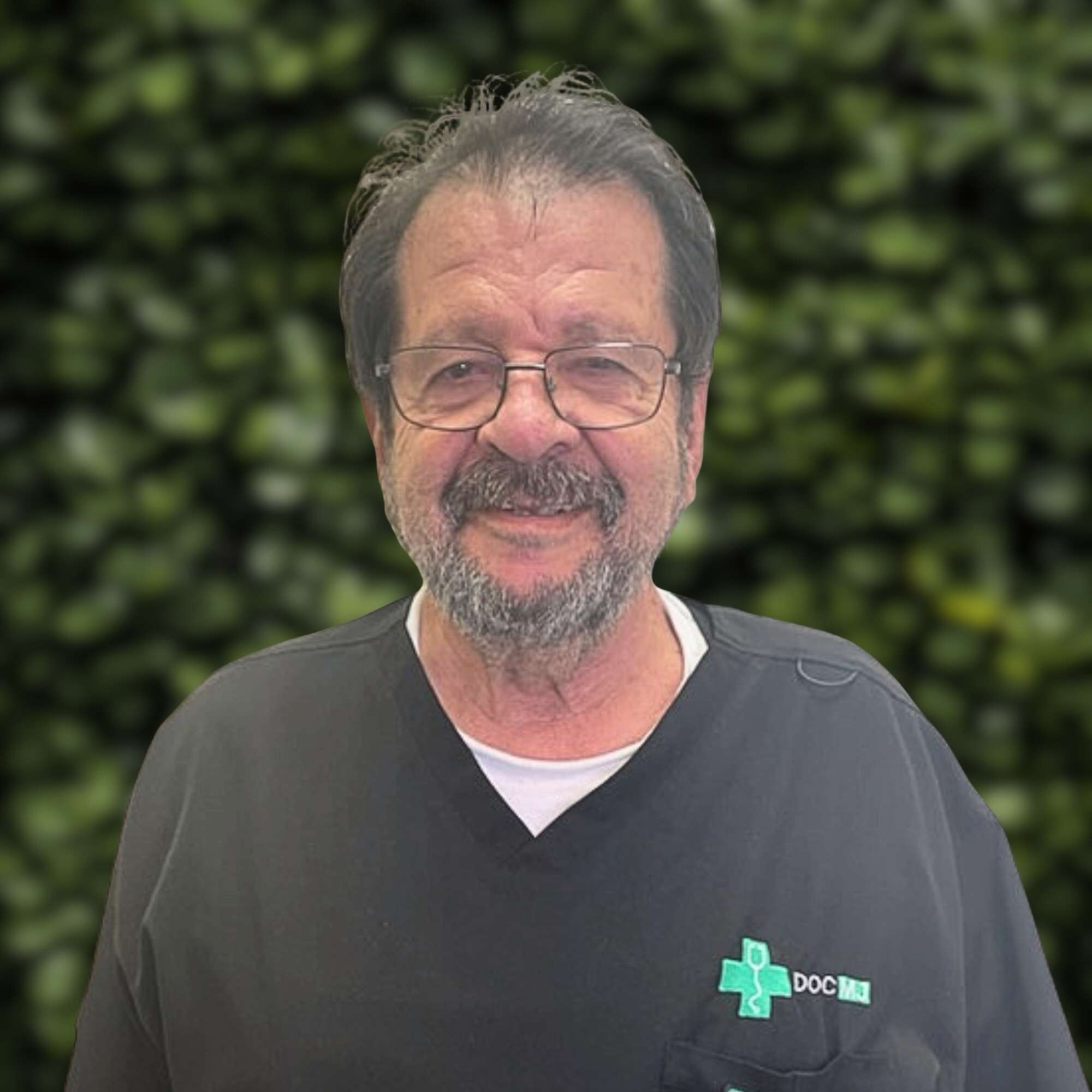
Dr. Rothman is a diplomate of the American Board of Obstetrics and Gynecology. He has received multiple special awards and recognitions, including Physician of the Year, from the Pinellas County Medical Association (2014 – 2015) and the President’s Service Award from the Pinellas County Medical Society.
He attended medical school at State University of New York Upstate Medical Center in Syracuse, New York, where he also completed his Obstetrics and Gynecology residency. In addition to practicing medicine, Dr. Rothman’s professional career includes being an Assistant Professor at the University of South Florida and Clinical Instructor at the University of Tampa’s College of Nursing.
Dr. Rothman received his Florida Medical Marijuana Physicians Certification in 2016 and was one of the first recommending physicians through DocMJ in the state and is loved by many of those early patients today.