
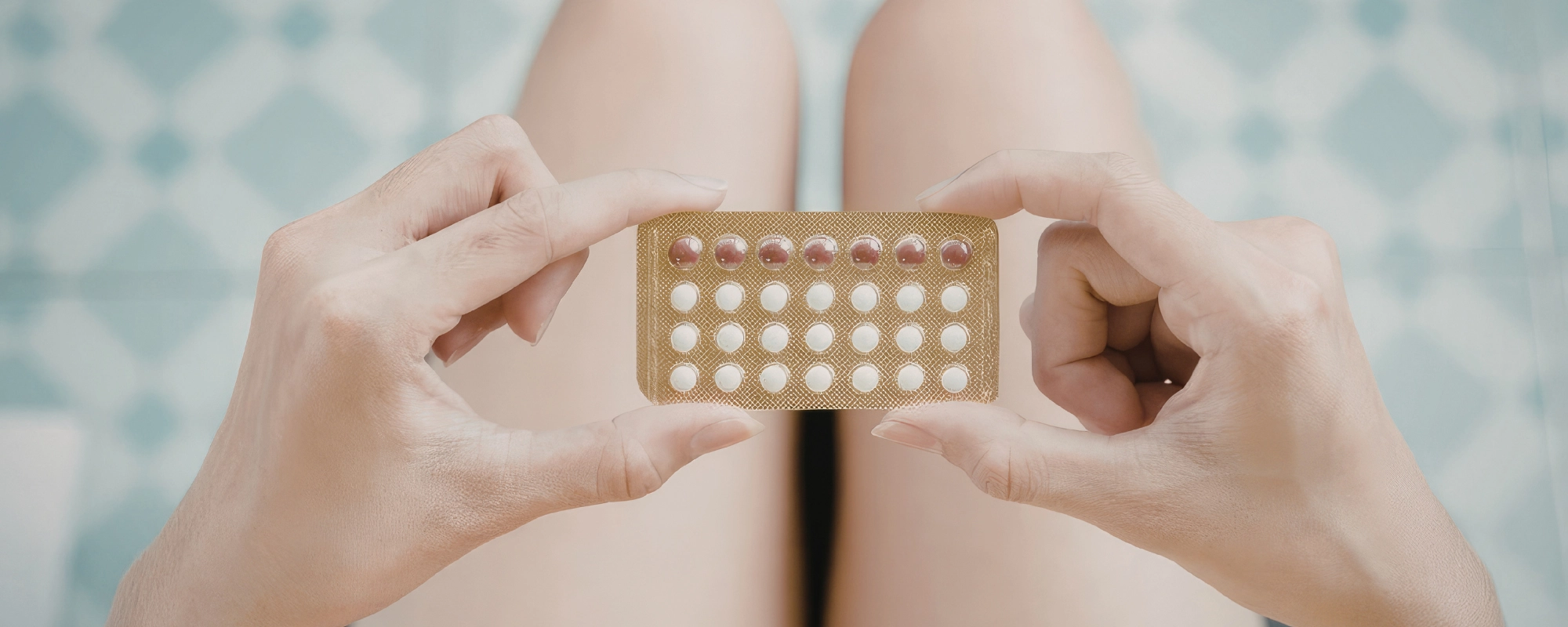
Cannabis and birth control are often discussed together, but the available research does not prove that cannabis directly causes contraception to fail. The more realistic concerns involve missed pills, vomiting, overlapping side effects, smoking, possible medication interactions that have not been studied fully, and questions about whether you need a medical cannabis card.
Your personal risk depends on the birth control method you use, the cannabis product, how often you take it, and your medical history. Understanding these differences can help you ask better questions and protect your pregnancy prevention plan.
Does Cannabis Affect Birth Control Effectiveness?
Current evidence has not shown that cannabis directly reduces birth control effectiveness, but research remains too limited to rule out every possible interaction. This means you should not assume that marijuana makes contraception fail, but you should also avoid treating the combination as completely understood.
Researchers have not completed enough direct studies comparing cannabis consumption with pregnancy rates among women using different contraceptives. Much of the discussion comes from how THC and CBD are processed in the body, how they may affect certain enzymes, and how cannabis may change attention, memory, nausea, or daily routines.
These possible effects are not the same as proof that cannabis decreases contraceptive hormone levels. A medication can change how you feel without reducing pregnancy protection, and a theoretical interaction may never become clinically meaningful.
The practical question is whether cannabis affects your ability to use birth control correctly. If you forget pills, take them late, vomit after a dose, or misunderstand missed pill instructions, your protection may fall even when no direct drug interaction exists.
Can Medical Cannabis Interact With Hormonal Birth Control?
A clinically meaningful interaction between medical cannabis and hormonal birth control has not been confirmed, but THC and CBD may affect the body differently. The type of product, dose, frequency, and route may therefore matter when your doctor reviews possible concerns.
Hormonal birth control depends on the body absorbing and processing hormones consistently. CBD can influence liver enzymes that process some medications, which has led researchers and clinicians to question whether it could change hormone levels.
However, a possible enzyme effect does not prove that contraception becomes less reliable. If you are unsure how to discuss these concerns, learning how to bring up medical cannabis on my next primary doctor’s visit can help you prepare clear questions for your physician.
THC may cause dizziness, changes in attention, anxiety, or altered judgment. These effects are more likely to affect how consistently you follow your birth control routine than to directly cancel the action of the contraceptive itself.
You should tell your clinician about oils, edibles, inhaled products, CBD supplements, and other medications. Clear disclosure helps them consider the full picture, especially when you take an oral contraceptive, use cannabis frequently, or have recently noticed new side effects after changing either product.
Does Weed Make the Pill Less Reliable?
Weed has not been shown to make the pill fail directly, but it can create practical problems that reduce protection. Oral contraception works best when you take each pill according to the instructions for that specific product.
The most meaningful risks involve how cannabis affects your routine or digestion:
- You forget a pill: Impaired memory or an altered routine can lead to a missed dose, especially when you take the pill at night.
- You take it too late: Some pills have a narrower dosing window than others, so timing may matter more than you expect.
- You vomit after taking it: Vomiting soon after a dose may prevent your body from absorbing the hormones fully.
- You develop severe diarrhea: Ongoing digestive symptoms can interfere with absorption and may require advice from a clinician.
- You handle a mistake incorrectly: Skipping instructions, doubling doses without guidance, or confusing active pills with inactive pills can reduce protection.
Check the instructions supplied with your pill after any missed or delayed dose. Ask a pharmacist or prescribing clinician whether you need backup contraception, emergency contraception, or a pregnancy test based on the pill type and timing.
Do Different Types of Contraception Change the Risk?
The type of contraception you use changes which concerns matter because not every method depends on daily timing or digestive absorption. A method that stays in place for months or years does not carry the same missed dose risk as a pill you must take every day.
The combined pill and progestin-only pill require consistent use, so memory problems, late doses, vomiting, or severe diarrhea can affect protection. The patch and vaginal ring remove the need for daily dosing, but you still need to replace them on schedule and follow instructions if either comes off or stays out too long.
The shot, implant, hormonal IUD, and copper IUD are not affected by forgetting a daily pill. These methods may suit people who struggle with a fixed routine, although they still have their own side effects, health considerations, and follow-up needs.
Barrier methods depend on correct use each time you have sex. Cannabis may affect judgment or preparation, which can increase the chance of incorrect use. You should not switch contraceptives based only on cannabis use, but you can ask whether another method would better match your routine and medical history.
Can Marijuana and Birth Control Cause Similar Side Effects?
Marijuana and birth control can cause some of the same side effects, which can make it harder to identify the source of a new symptom. Dizziness, nausea, headaches, fatigue, mood changes, and anxiety may occur with either one, especially after a dose change or a new product.
Shared effects do not automatically mean birth control has stopped working. They may simply mean that two substances are producing similar responses at the same time rather than showing whether cannabis can affect birth control effectiveness.
Pay attention to when symptoms begin, how long they last, and whether they appear after cannabis use, after taking the pill, or after changing contraception. Product strength, THC content, dose, smoking, and frequency can also affect how strongly you react.
A simple symptom record can help your doctor interpret the pattern. Note the time of cannabis consumption, the birth control schedule, other medications, food intake, and the effects you notice.
Seek medical advice when symptoms persist, interfere with daily activities, or become more intense. Sudden severe headache, chest pain, weakness on one side, breathing difficulty, or significant vision changes require prompt medical attention rather than home monitoring.
Is Smoking Cannabis on Birth Control a Cardiovascular Concern?
Smoking cannabis raises cardiovascular questions, but the evidence about tobacco smoking and estrogen-containing birth control should not be applied directly to marijuana. Tobacco has a clearly established relationship with blood clots, stroke, and heart attack in people using estrogen-containing contraceptives, while the evidence involving cannabis remains less complete.
You should discuss smoking and birth control with a clinician when any of these factors apply:
- You use tobacco or nicotine: Combining smoking with estrogen can increase cardiovascular risks, especially as you get older.
- You have migraine with aura: This may affect whether an estrogen-containing method is appropriate.
- You have high blood pressure: Both the condition and the contraceptive method need careful review.
- You have a clotting history: Previous blood clots or a strong family history require individual medical guidance.
- You notice chest symptoms: Chest pain, unusual shortness of breath, fainting, or a rapid heartbeat should not be ignored.
- You use cannabis frequently: Regular smoking may add respiratory or cardiovascular strain even when a direct contraceptive interaction has not been proven.
Your clinician may review whether the combined pill is suitable based on your full risk profile. Do not stop birth control suddenly without arranging another reliable method.
Can Cannabis, Anxiety, and Birth Control Affect Mental Health Together?
Cannabis and hormonal contraception may each influence mood or anxiety in some people, but individual responses vary. A change in mental health does not automatically prove that one product is causing the other to behave differently.
THC can trigger anxiety, panic, racing thoughts, impaired attention, or changes in perception, especially when the dose is high or the product is stronger than expected. Hormonal birth control can also affect mood in some women, although many people use it without noticeable emotional changes.
Timing can help you understand what may be happening. Notice whether anxiety begins shortly after cannabis use, after starting a new pill, after changing the dose, or during a particular part of your cycle. You should also consider sleep, stress, alcohol, caffeine, and other medications because several factors may contribute at once.
Tell your doctor when mood changes become persistent, severe, or difficult to manage. Share the cannabis product, THC or CBD content, frequency, contraception type, and any mental health treatment you currently receive. This information helps your clinician assess the pattern without assuming that cannabis or birth control is automatically responsible.
When Should You Speak With a Doctor About Cannabis and Birth Control?
You should speak with a doctor when you use cannabis regularly, take an oral contraceptive, notice new effects, have cardiovascular risks, or feel uncertain about your pregnancy protection. A clinician can review your contraception method, cannabis use, medical history, and other medications together.
Explain what type of birth control you use and whether you have missed or delayed any doses. You should also share the cannabis product, THC or CBD content when known, dose, route, frequency, and whether smoking, vaping, or edibles cause nausea, vomiting, anxiety, or other effects.
Contact your prescribing clinician or pharmacist after a missed pill, vomiting soon after a dose, severe diarrhea, or unprotected sex. They can explain whether you need backup contraception, emergency contraception, or a pregnancy test based on the product instructions and timing.
Do not stop birth control or medical cannabis suddenly based only on general online information. At Medwell Health & Wellness, we help patients discuss cannabis use, health history, medications, and treatment goals with a qualified medical professional. We provide clear guidance so you can understand possible concerns and make informed decisions about your care.
Learn More About Medical Cannabis With DocMJ
At DocMJ, we help patients understand whether medical cannabis may be an appropriate option through comprehensive physician evaluations and compassionate care. We review your health history, current medications, treatment goals, and any questions you have about using cannabis safely. Schedule your consultation if you want trusted medical guidance based on your individual needs; our team is here to help you move forward with confidence.
Make Us Your Preferred Source
Enjoyed this blog? Use this link to make us your preferred source for the latest insights, tips, and updates. https://www.google.com/preferences/source?q=https://docmj.com/
When you choose us as a preferred source, you’re letting Google know you’d like to see more of our content when it’s relevant to your searches. It helps us stay connected with you and makes it easier for you to find helpful information from our team whenever you need it.

Dr. Rothman is a diplomate of the American Board of Obstetrics and Gynecology. He has received multiple special awards and recognitions, including Physician of the Year, from the Pinellas County Medical Association (2014 – 2015) and the President’s Service Award from the Pinellas County Medical Society.
He attended medical school at State University of New York Upstate Medical Center in Syracuse, New York, where he also completed his Obstetrics and Gynecology residency. In addition to practicing medicine, Dr. Rothman’s professional career includes being an Assistant Professor at the University of South Florida and Clinical Instructor at the University of Tampa’s College of Nursing.
Dr. Rothman received his Florida Medical Marijuana Physicians Certification in 2016 and was one of the first recommending physicians through DocMJ in the state and is loved by many of those early patients today.