
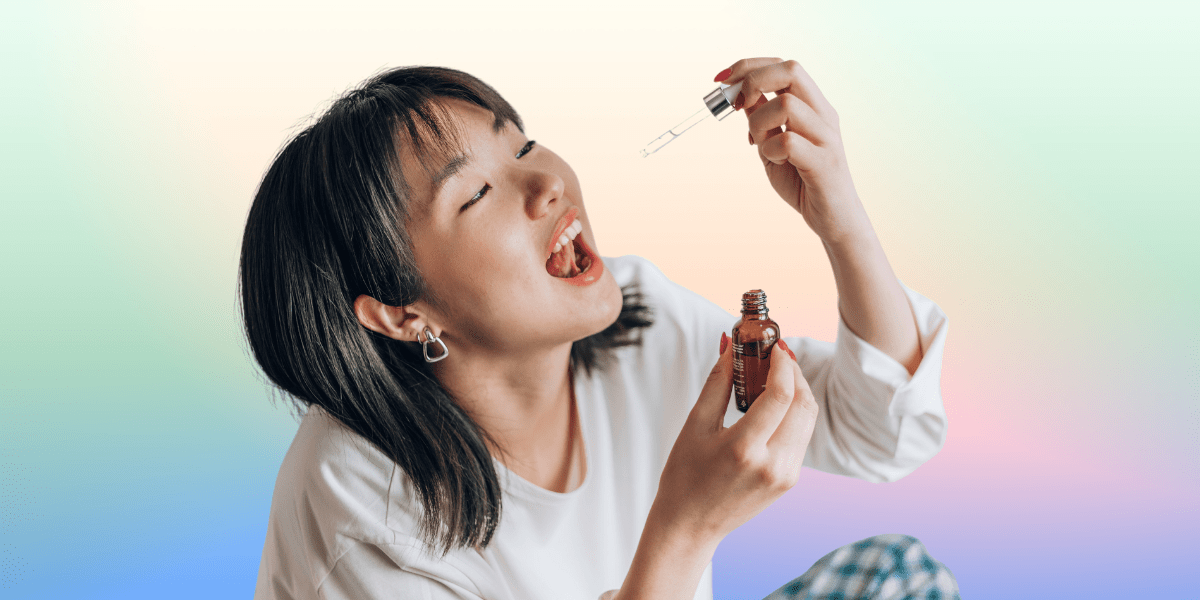
Microdosing certain drugs is a recent trend that many believe can provide the benefits of a full dose without the associated downsides. Psychedelics specifically have received both scientific and general attention for this application, with there being no shortage of articles and research papers investigating their potential use. Ultra-low dosing is an even newer practice and may be the next evolution in making the addition of medical marijuana into your daily life even easier.
What is Microdosing Cannabis?
When somebody is microdosing, they are taking an exceedingly small amount of a drug (much less than someone would need to take to feel the body and psychedelic effects normally). This practice has become popular to do with psychedelics, such as LSD and psilocybin, and marijuana, with the expected benefits being increased creativity, focus, and productivity.
Interestingly, microdosing has also been adopted by the pharmaceutical industry and is used in what is termed a “phase 0 study”. It predicts the drug’s behavior in humans following previous testing. The idea is that, although the dose will likely not produce the drug’s intended effect overall, it will still be able to have a measurable response on many cells, and this data can be used to ease the transition to phase 1 human trials. A 2006 study found that microdosing can provide useful data in early drug candidates [1]. This result was also found in a 2008 study, which measured the utility of microdosing in the pharmaceutical industry [2].
The same principles are applied to marijuana and psychedelic microdosing, used enough to get the cognitive benefits but not the drawbacks or bodily effects. For most microdosing users, this is a far cry from recreational use, as they are not looking for the “high” and want only to maximize their productivity or the efficacy of the substance.
Benefits of Microdosing for Medical Marijuana Patients
Microdosing has many benefits for medical marijuana patients. One of the biggest is the alleviation of pain, anxiety, and stress relief. With low doses, you can get relief and stay clear-headed and functional so you can still do your daily activities. This is especially good for those whose professional or personal life would be disrupted by the psychoactive effects of higher doses.
Also, microdosing is a cost-effective way to consume cannabis. By using less, you can make your supply last longer and save money. This is important, especially in areas where cannabis is expensive.
Also, microdosing allows for a more controlled and intentional experience. By allowing individuals to dose to their own unique physiological response it encourages a more mindful relationship with cannabis and the endocannabinoid system.
The Science of Low Doses
What is Ultra-Low Dosing?
Ultra-low doses are even smaller than micro-doses. This may seem a bit crazy, after all, there must be a point where chemicals just no longer affect the body, but we should also consider that the structure of a medicine is not the only factor that controls its effects.
Biphasic response is an essential concept in medicine, and it can be thought of as anything that can produce different effects depending on its magnitude. For example, the body has a biphasic response to alcohol. At lower doses, alcohol can act as a stimulant, whereas at lower doses, alcohol can be a sedative. It sounds weird, but anybody who has had too much to drink can tell you the last thing they want to do is run around talking to everybody around them.
There are many examples of biphasic responses in both medicine and everyday life, and marijuana is no different. In fact, the biphasic effect of marijuana has started to receive significant scientific attention and may help explain why some people get good results using ultra-low dosing.
How Does Ultra-Low Dosing Work?
Previous research has shown medical marijuana to be strongly dosage dependent [3], with later studies leading scientists to discover its biphasic effects. One classic example is found in THC, which, at high doses, is known to cause issues in short-term memory [4]. It is thought that this may be related to the role of the endocannabinoid system in the hippocampus, a part of the brain believed to be crucial to memory and learning [5]. On the other hand, THC has also been found to have possible neuroprotective effects [6]. These opposing effects are now thought to be dose-dependent [7]. Those who have found success with low dosing believe this outcome may also apply to other effects. As the research has shown, it is not entirely out of line with science either.
However, it is essential to keep in mind that those who do micro- and ultra-low doses must be meticulous in their scheduling and dilutions or risk falling out of the “optimal” bodily concentrations of cannabinoids. As such, taking note of specific cannabinoid levels in each form is important, as the difference between a low dose and a head in the clouds can be as little as one decimal place.
Determining the Right Dosage
Factors to Consider When Choosing a Dosage
Choosing the right dose for microdosing is complex and depends on several factors, including individual tolerance, sensitivity to THC and CBD, and what therapeutic effects you are looking for. Also, the method of consumption – edibles, vaping, or smoking – can affect the pharmacokinetics of cannabis and the onset and intensity of the effects. Patients should also consider the potency and THC to CBD ratio of the product they are using, as these can make a big difference.
How to Measure and Calculate Dosage
A good way to microdose is to start low, around 1-2 milligrams, and increase as needed. Using a dosage calculator or consulting with a medical marijuana professional can help you achieve the effects you want while minimizing the side effects. Keeping a log of dosages and effects will also help you adjust your intake better.
Start Low and Titrate
Patience and consistency are key when starting a microdosing regimen. Start low and titrate slowly so you can feel your body’s response and adjust gradually. By paying attention to how each increment affects you, you can optimize your dosing for maximum benefits.
What Forms of Marijuana Allow for Ultra-Low Dosing?
Because of the exacting nature of ultra-low dosing, most people would find greater success with tinctures and oils, both of which are available for sale in Ohio dispensaries. According to Ohio law, the dispensary must label their products with “The cannabinoid profile and concentration levels and terpenoid profile as determined by the testing laboratory” [8]. These concentrations are what you should keep your eye on as they will determine how much solvent will be needed to properly dilute them. Of course, dilution is not always necessary, assuming the partitioning of small enough doses is possible.
If you are looking to dilute the marijuana, many users have found success in adding a drop to a smoothie, juice, or other liquid, mixing thoroughly, and then portioning out specific servings. However, this is also where things can get dicey, as careful calculation is necessary when determining the proper dose of the final product.
It is also worth noting that other forms of marijuana can be used to make ultra-low doses, though they may involve more complex math and knowledge of chemistry techniques. For example, while full-flower marijuana can be used in cooking or vaping, it may alter some cannabinoids or terpenes, changing the product’s chemical profile.
Conditions That Respond Well to Microdosing
Pain Relief and Management
Chronic pain patients may find relief through microdosing cannabis. Using low doses allows patients to manage pain without getting high. Choosing products with minimal THC is key if you want to stay clear and functional during the day.
THC Microdosing for Specific Conditions
PTSD and Trauma
Microdosing THC has been shown to relieve symptoms of PTSD and trauma. Patients report reduced anxiety and better emotional regulation when microdosing. As with other conditions, choosing low-THC products is important to not exacerbate symptoms.
ADHD and Focus
ADHD patients may also benefit from microdosing THC as it has been shown to improve focus and attention. As with other conditions, a personalized approach with low doses can help you be more productive with your daily tasks.
Dementia and Cognitive Decline
New research studies suggest that microdosing THC can be beneficial for dementia and cognitive decline patients. Using low doses can help mitigate some cognitive symptoms while staying clear.
CBD Microdosing and Its Benefits
Relieving Anxiety and Stress Levels
Microdosing CBD is a way to relieve anxiety and stress without the psychoactive effects of THC. Products with high CBD content ranging from 10-20 milligrams can make you feel calm and relaxed, perfect for those who want relief.
Practical Considerations for Microdosing
Start Low and Go Slow
As with any treatment, the rule of thumb is “Start low and go slow.” This slow approach allows you to feel your body’s response and adjust as needed.
Be Patient and Consistent
Microdosing marijuana is a journey that requires patience and consistency. By tracking dosages and effects, you can gain valuable information about your body’s response and develop a better microdosing strategy.
Common Questions and Concerns
Is Microdosing Legal?
Microdosing cannabis is legal depending on your local laws for recreational or medical cannabis. Make sure to check the laws in your area before microdosing.
Is Microdosing Safe?
When done correctly, marijuana microdosing is safe. Start low and go slow, and you can minimize the risk of negative effects and have a good experience.
How Does Microdosing Affect Mental Health?
Microdosing marijuana can be therapeutic for mental health conditions like anxiety and depression. Consult a medical marijuana doctor to choose the right dose and product for you.
Conclusion
Ultra-low dosing is a new method of maximizing the therapeutic benefits of marijuana and minimizing its potential side effects. It can be seen as a more extreme form of microdosing, which has been used by both consumers and pharmaceutical companies for years and has substantiated use cases backed by research. While the scientific community has not thoroughly studied the effects of ultra-low dosing marijuana, there are previous studies that show promising results in the same area. As always, it is important to consult a certified medical marijuana doctor before changing or starting a new medical marijuana regime.
Schedule your appointment today at DocM.com.
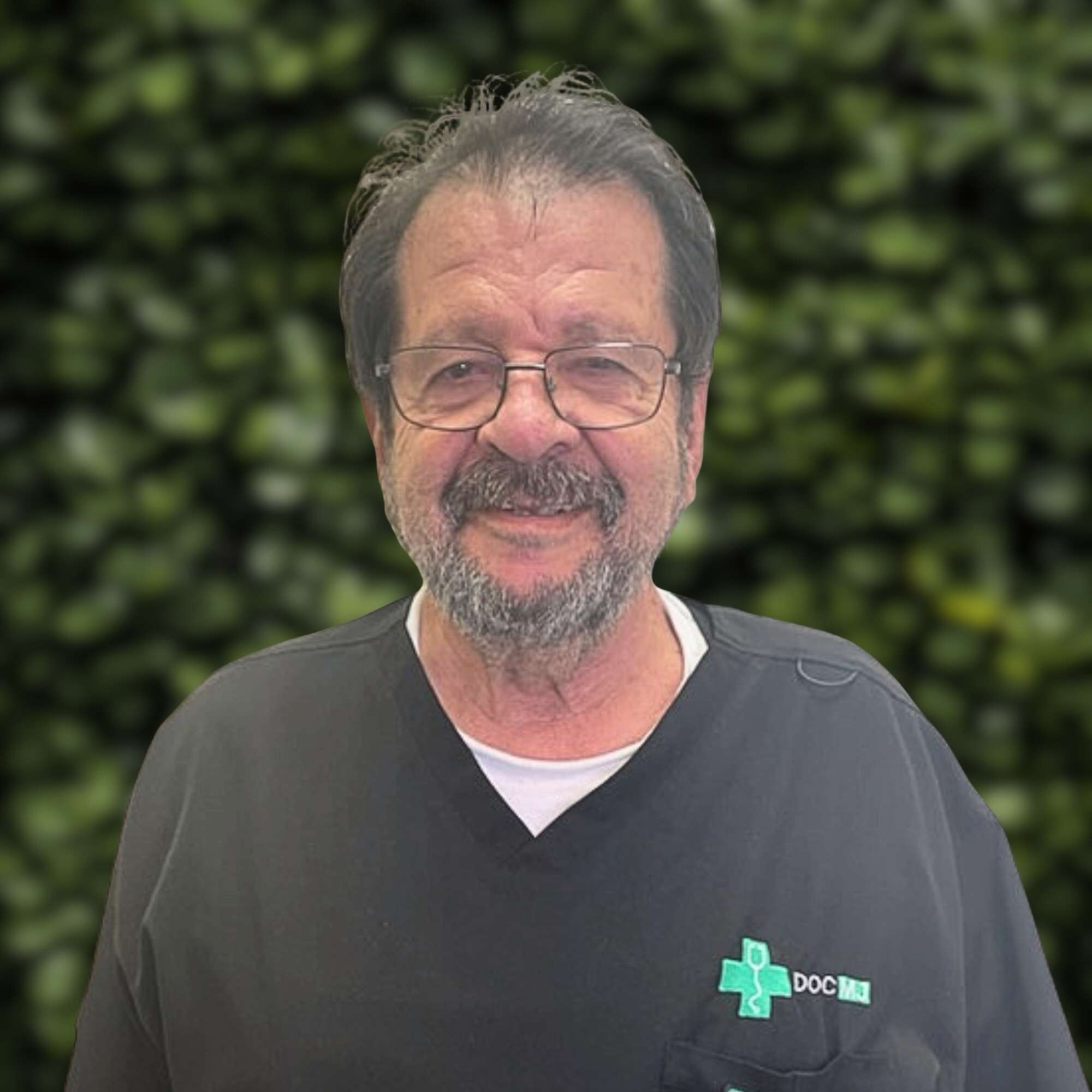
Dr. Rothman is a diplomate of the American Board of Obstetrics and Gynecology. He has received multiple special awards and recognitions, including Physician of the Year, from the Pinellas County Medical Association (2014 – 2015) and the President’s Service Award from the Pinellas County Medical Society.
He attended medical school at State University of New York Upstate Medical Center in Syracuse, New York, where he also completed his Obstetrics and Gynecology residency. In addition to practicing medicine, Dr. Rothman’s professional career includes being an Assistant Professor at the University of South Florida and Clinical Instructor at the University of Tampa’s College of Nursing.
Dr. Rothman received his Florida Medical Marijuana Physicians Certification in 2016 and was one of the first recommending physicians through DocMJ in the state and is loved by many of those early patients today.