
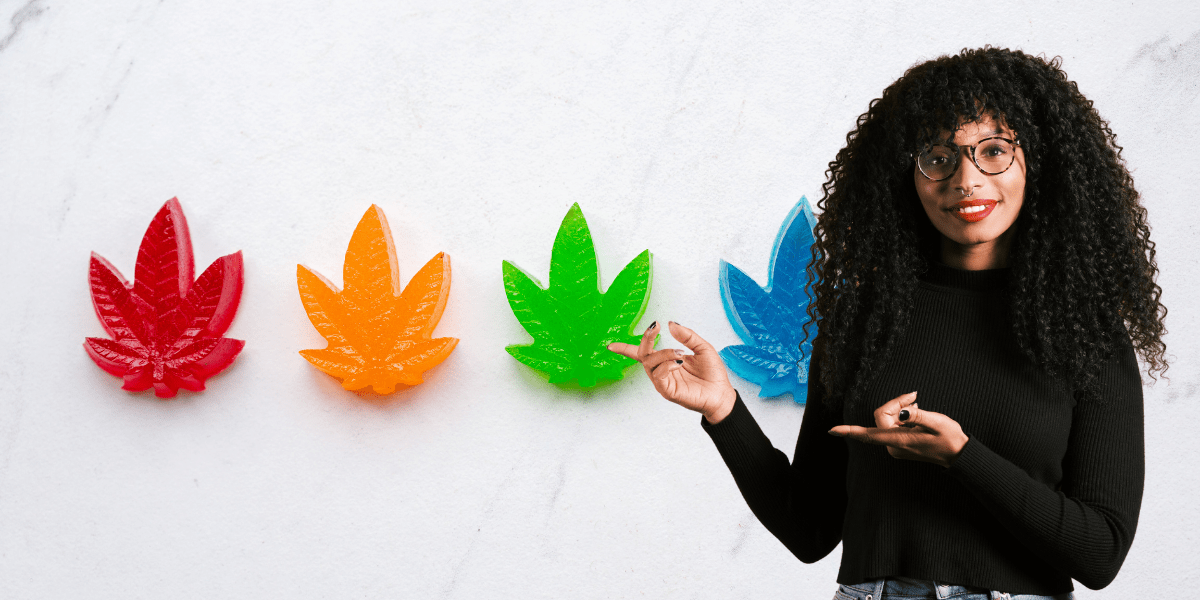
Edible cannabis has become a go-to choice for many seeking the benefits of cannabis without the need to smoke. For medical patients managing chronic symptoms like chronic pain or poor appetite, cannabis edibles offer a discreet, smoke-free, and potent option.
However, they also require a good understanding of how to use them safely and effectively. In this guide, you’ll learn how edible cannabis products work, how to dose them, their psychoactive effects, potential risks, legal considerations, and how to store and choose quality cannabis products for the best experience.
What Are Cannabis Edibles?
Cannabis edibles are any food or drink infused with cannabinoids, typically THC or CBD. Unlike smoking cannabis or inhaling cannabis smoke, cannabis consumption through edibles is oral and metabolized through your digestive system. This route changes how cannabinoids affect your body—more on that soon.
You’ll see edibles in many forms: THC gummies, chocolates, cookies, baked goods, beverages, even capsules. While homemade versions often use cannabutter or cannabis infused oil, commercial edible cannabis products tend to rely on purified extracts like THC distillate or CBD isolate for consistent dosing.
These refined extraction methods help create a uniform experience and make it easier to control potency, flavor, and shelf life; key benefits for many users who want reliability. Infused beverages and cannabis infused foods can be slower to digest than soft candies or tinctures, which might influence how quickly you feel the effects.
How Do Cannabis Edibles Work in the Body?
Once you eat an edible product, your body processes it differently than it does smoking. After digestion begins in the stomach, cannabinoids are absorbed into the bloodstream through the intestines. From there, THC travels to the liver, where it transforms into 11-hydroxy-THC, a more potent compound responsible for longer-lasting psychoactive effects.
This metabolic process is the reason cannabis infused edibles feel so different from other forms like smoking cannabis. They tend to produce a more full-body high that’s deeper and longer. For many, this results in a relaxing, sometimes sedative experience, ideal for managing chronic pain, insomnia, or anxiety related to medical conditions.
However, this route also means there’s a time delay between consuming cannabis and the effect, which can make dosing recommendations tricky. Most importantly, temperature can affect your experience; there are several ways hot weather affects your cannabis high, leaving you feeling the effects more intensely.
At DoCMJ, we understand that edibles are metabolized differently than inhaled cannabis, leading to longer-lasting and more potent effects. That’s why we guide our patients through personalized dosing strategies to ensure safe and effective relief tailored to their needs.
What Is the Typical Onset Time and Duration?
You’ve probably heard this warning before: don’t eat more cannabis edibles because “you don’t feel anything yet.” That’s because the effects of edibles usually take 30 minutes to two hours to kick in, sometimes even longer. Once they start, the effects can last 4 to 8 hours, or more, depending on various factors.
Your metabolism, what you’ve eaten that day, your body fat percentage, and your cannabis use tolerance all influence how long it takes for cannabis infused products to work and how long they last. Eating an edible on an empty stomach may lead to faster absorption, but possibly a more intense experience. Conversely, a full stomach can delay and dull the effect.
This variability is why waiting at least two hours before considering a second dose is essential. Be patient; consuming edibles too quickly is the most common cause of a harmful cannabis edible experience.
How to Dose Cannabis Edibles Safely and Effectively
Getting the dose right is crucial. Most edibles sold in licensed dispensaries are portioned in 5 or 10 mg THC per serving. Even a low dose (2.5 mg) can be enough for new users to feel mild effects. If you’re just starting, it’s best to start low and go slow, take a small amount, and wait at least two hours before consuming more.
Experienced users may tolerate higher doses, but even they must be cautious with new cannabis infused edibles. Potency can vary, and tolerance can change over time. Ingesting edibles too quickly or taking multiple edibles without waiting can lead to overconsumption.
Overdoing it can lead to side effects like paranoia, nausea, rapid heartbeat, and anxiety. If that happens, stay calm, hydrate, and rest. The effects of edibles will wear off gradually. Using CBD or sniffing black pepper (which contains calming terpenes) may help ease discomfort from too much THC.
Benefits of Cannabis Edibles
Cannabis edibles are a favorite among both medical marijuana and recreational cannabis users for good reason. Their unique advantages make them a smart choice for anyone looking for controlled, convenient, and long-lasting effects. These benefits include:
- Long-Lasting Relief. Edibles provide extended effects lasting several hours, making them ideal for managing chronic pain, insomnia, and inflammation. This makes them especially useful for medicinal purposes and those with persistent medical conditions like arthritis or poor appetite.
- Smoke-Free Consumption. Because cannabis infused foods are eaten, there’s no need to inhale cannabis smoke. This is perfect for users who want to avoid the health risks, stigma, or substance use concerns associated with cannabis smoke.
- Discreet and Convenient. You can consume cannabis discreetly—it looks like any regular snack or treat. Whether you’re at home or in public, edible products are easy to carry and use inconspicuously, especially when they come in fun shapes and formats like tasty THC candies.
- Precise Dosage Control. Regulated cannabis edible products come with clearly labeled THC and CBD content, so you know how much THC you’re consuming. This helps with dosing recommendations, ensuring fewer risks from overusing or accidentally consuming cannabis incorrectly.
- Wide Range of Product Options. Cannabis infused products come in many forms of cannabis, from baked goods and chocolates to beverages and capsules. This variety lets you choose the format, flavor, and cannabinoid blend best suited to your lifestyle and needs.
At DoCMJ, we help our patients explore the full range of cannabis edibles, offering guidance on product selection, dosage, and formats to match every lifestyle and medical need.
Risks and Side Effects of Cannabis Edibles
Despite their advantages, cannabis edibles carry specific risks, especially for inexperienced users. One of the key things you need to know about cannabis edibles is how to avoid their unwanted side effects, such as:
- Delayed Onset leading to Overconsumption. Because edible cannabis takes longer to kick in, many users consume multiple edibles before the first dose has taken effect. This can lead to unexpectedly intense and prolonged highs, particularly if users don’t know how much THC they’re consuming.
- Stronger Psychoactive Response. Edibles are metabolized into 11-hydroxy-THC, a more potent compound responsible for increased psychoactive effects. This can result in a more intense high than other forms of cannabis, such as smoking cannabis or vaping.
- Anxiety and Paranoia. High doses of THC from edible cannabis can trigger anxiety, panic, or paranoia, especially for those new to cannabis consumption or sensitive to substance use.
- Dizziness and Nausea. Consuming edibles can lead to physical discomfort like dizziness, nausea, or vomiting, particularly when people have taken too much THC.
- Dry Mouth and Increased Heart Rate. Like many cannabis products, edibles commonly cause dry mouth and an elevated heart rate. Though not dangerous for most, these effects of edibles can be unsettling if unexpected.
- Potential for Drug Interactions. Cannabis infused edibles can interact with medications, especially those affecting the liver or heart, such as blood thinners or sedatives. Mixing with other drugs or alcohol may intensify effects or increase risks from controlled substances.
- No Immediate Way to Counteract Effects. Unlike smoking, you can’t control or stop the effects once an edible is consumed. You must wait for your body to metabolize it. If symptoms overwhelm you, hydration, rest, and time are your best allies. In severe cases, visit an emergency department.
Legal Considerations for Cannabis Edibles
The legal status of edible cannabis products varies widely. In the U.S., where state laws determine access, some states allow both recreational cannabis and medical marijuana, while others permit only the latter or prohibit cannabis entirely.
In states where legalized cannabis is in effect, you’ll find a wide array of cannabis edible options in licensed dispensaries. These products are regulated for dose, packaging, and labeling, often including dosing recommendations and safety warnings to reduce risks of accidental ingestion.
Keep in mind that cannabis remains illegal at the federal level under the Controlled Substances Act, and the Drug Enforcement Administration (DEA) still classifies it among controlled substances. This means transporting marijuana edibles across state lines, even between two legal states, remains a federal offense.
Discover Medical Cannabis Guidance with DocMJ
Ready to explore cannabis edibles with confidence and clarity? At DocMJ, we provide expert medical evaluations and personalized recommendations to ensure you understand dosing, safety, and legal considerations every step of the way. Contact us today to receive one-on-one guidance and access trusted resources for all your edible cannabis questions.

Aaron Bloom, an experienced healthcare attorney, serves as the CEO of DocMJ and Medwell Health and Wellness Centers, where he has overseen the organizations’ mission and growth since 2016. In addition to his leadership roles, Aaron serves on the Board of Directors for Waterfall Bank, bringing his expertise in healthcare, compliance, and strategic growth to the financial services sector.
Aaron’s passion for improving patients’ lives stems from more than 20 years of owning, operating, and representing traditional healthcare organizations. Throughout his career, he has remained committed to finding better ways to relieve suffering and expand access to innovative, patient-centered care. As CEO, Aaron works each day to help patients achieve better health and wellness through the therapeutic benefits of medical cannabis and other evidence-based alternative medicines.