

If you’re a medical marijuana patient in Florida, you’ve probably asked: How much can I legally buy? Florida’s system is strict, and purchase limits aren’t just about quantity; they hinge on THC content, product type, and how often you buy. Understanding these rules is essential to avoid surprises at the dispensary or legal complications.
This guide breaks down the state’s dosage limits, rolling supply rules, and how the Medical Marijuana Use Registry (MMUR) tracks your usage, so you can stay informed, compliant, and confident in managing your medical cannabis treatment.
What Are the Legal Purchase Limits for Medical Marijuana in Florida?
Florida defines purchase limits primarily by THC dosage, not simply by volume or product weight. Whether you’re buying flowers, edibles, or concentrates, it’s the total THC content that counts.
Every route of administration, smoking, vaping, oral, topical, and more, has its own cap. These caps are set by the state and enforced through the Medical Marijuana Use Registry (MMUR).
Physicians can recommend specific products and dosages, but they must operate within state-defined limits unless they file for an exception.
Ultimately, it’s the MMUR system that determines whether a purchase is allowed at the point of sale, based on current usage and remaining allowance.
Florida’s 70-Day Supply Limit Explained
Florida tracks purchases using a 70-day rolling supply model. This doesn’t mean you get a fresh allowance every 70 days. Instead, the system looks back over the past 70 days to see how much THC you’ve used for each type of product.
Each time you buy a product, its THC content counts against your 70-day allotment for that category. The limit isn’t fixed by calendar date; it moves forward daily. So if you bought heavily in the first two weeks, you might find yourself blocked from new purchases until those early buys roll off the 70-day window.
Patients often mistake the 70-day limit for a one-time refill cycle. In reality, it’s dynamic. Your refill date can shift based on the timing and amount of your purchases. Tracking your purchases regularly is easy through the MMUR.
Product-Specific Limits: How Much You Can Buy Based on Type
Different marijuana products have different legal limits in Florida, depending on how they are consumed. Inhaled products like flowers and vapes have distinct caps separate from oral or topical forms.
- Smokable flower is limited to 2.5 ounces every 35 days.
- Vape cartridges fall under inhalation and are measured by daily dose THC limits.
- Edibles and capsules are categorized as oral routes and capped at specific THC amounts.
- Tinctures are classified as sublingual and have their own separate dosage tracking.
- Topicals and suppositories have lower THC thresholds and are usually recommended for targeted relief.
What’s important is that each category is tracked independently. You might still have room to buy edibles even if you’ve hit your cap for vapes. However, it’s easy to overlook how purchases in multiple categories can add up quickly and restrict future availability.
How Florida Uses MMEs to Track Medical Marijuana Dosages
Florida uses a measurement called Milligram Marijuana Equivalents (MMEs) to standardize how THC is tracked across different product types. MMEs represent the THC dosage allowed per day per delivery route.
This makes it easier to monitor usage and ensures consistency in how the system enforces limits. Every time you buy a product, its THC value in MMEs is deducted from your 70-day total for that route.
For example, if your daily dose for oral products is 60 mg of THC, that adds up to 4,200 mg over 70 days. MMEs ensure that whether you buy one large product or several small ones, they all count against the same cap.
Patients who use multiple routes, say, vapes and tinctures, need to be mindful of how each product affects its respective limit. MMEs don’t overlap between categories, but they do add up fast within each one. This is a key reason government dosing and supply limits for medical marijuana remain a critical part of the MMUR tracking system.
When and How Patients Can Qualify for Higher Dosage Exceptions
If your medical needs exceed Florida’s standard THC limits, your qualified physician can request a dosage exception. This involves submitting a detailed request to the Office of Medical Marijuana Use (OMMU), explaining why the higher dose is medically necessary.
The request must include documentation of your qualifying medical condition, your previous response to lower doses, and a justification for the increased amount. The physician also outlines how the extra THC will be administered. Approval is not automatic and may take several weeks.
Once approved, your MMUR profile is updated with the new limits, and dispensaries will allow purchases accordingly. Without this approval, dispensaries cannot legally sell you more than the standard allotment, even if your doctor recommends it.
Common Patient Concerns About Dosage and Purchasing Limits
Even experienced patients can find Florida’s medical marijuana rules confusing. Here are five of the most common concerns, clarified to help you stay on track.
1. “Why was I denied a purchase when my recommendation is still valid?”
This usually happens because you’ve reached your 70-day supply limit, not because your prescription has expired. The MMUR tracks your rolling usage, and dispensaries are required to deny sales once your cap is reached.
2. “How much flower can I actually have?”
You can purchase up to 2.5 ounces every 35 days, but you may not legally possess more than 4 ounces at one time. If you try to buy more while already holding that much, the system will block the sale.
3. “Why does my refill date keep changing?”
Refill dates are not fixed; they shift based on your purchasing pattern over the 70-day rolling period. Large early purchases can delay your next eligible buying window, even if it feels like your cycle should be “reset.”
4. “How do different products affect my limits?”
Each delivery method, vapes, edibles, and tinctures, has its own THC cap, but they’re all tracked separately in the MMUR. If you use multiple types, your daily and 70-day totals can add up faster than expected.
5. “Why are edibles treated differently?”
Edibles have a lower, fixed daily THC limit and are tracked under a distinct oral category. Many patients are caught off guard when these limits are reached sooner than with other forms like tinctures or capsules.
How to Stay Within Legal Limits While Managing Your Supply
Managing your cannabis supply within Florida’s legal limits takes planning and awareness. Here are five practical strategies to keep your access uninterrupted and compliant.
- Track your usage with the MMUR portal: The Medical Marijuana Use Registry (MMUR) lets you see how much of your 70-day allowance remains across each product type. This helps you avoid unexpected denials at the dispensary.
- Space out your purchases over time: Buying everything at once may seem convenient, but it can leave you without access for weeks. Making smaller, more frequent purchases keeps your rolling limit more balanced.
- Know the THC content of each product: Potency varies widely between products, even within the same category. Always check labels or ask the dispensary staff to avoid accidentally exceeding your daily or 70-day limit.
- Use dispensary usage reports and alerts: Many licensed dispensaries offer tracking tools or notify you when you’re close to your limit. Use these features to stay informed between MMUR logins.
- Don’t assume refill dates are fixed: Refill windows shift based on your purchasing history, not a preset calendar. Monitor your activity and plan to avoid running out before you’re eligible to buy again.
Legal Risks of Exceeding Florida’s MMJ Purchase Limits
Attempting to buy more than your legal allowance comes with real consequences. Dispensaries are required by law to deny any purchase that would exceed your MMUR-authorized limit. The department’s system flags these attempts instantly, and the sale won’t go through.
If you’re repeatedly flagged for trying to exceed your limit or suspected of misuse, your medical marijuana card could be suspended or revoked. In more serious cases, especially where fraud or diversion is suspected, legal penalties may apply.
Florida’s tracking is thorough. Every dispensary and physician feeds into the same MMUR database, so there’s no workaround. Staying within your authorized dosage isn’t just smart—it’s essential to maintaining your qualified patient status.
Legislative Updates That Could Affect MMJ Dosage Rules
Florida’s medical marijuana laws are still evolving. Recent sessions have proposed changes to THC caps, physician certification, and product availability. While no sweeping reforms have passed recently, these proposals suggest the system could change in the future.
Patients should stay informed by checking the OMMU website or signing up for alerts. Legislative changes may impact how much you can buy, how it’s tracked, or whether certain products require tighter controls. Being proactive helps ensure you’re ready if and when the rules shift.
Get Certified with DocMJ Today
Ready to start or renew your medical marijuana journey in Florida? DocMJ makes the process simple, fast, and fully compliant with state regulations. Book your appointment and receive a personalized evaluation from a qualified physician who understands your needs.
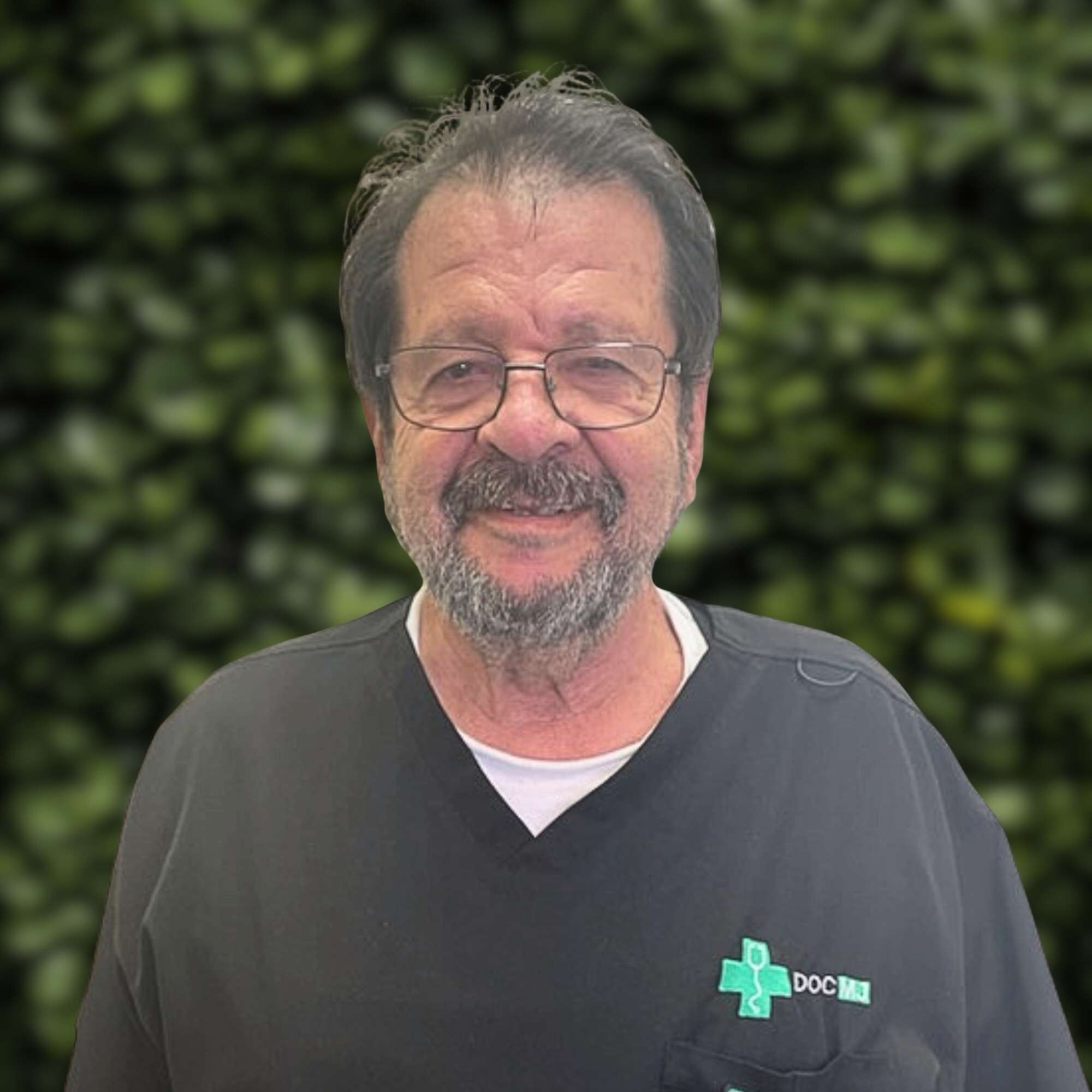
Dr. Rothman is a diplomate of the American Board of Obstetrics and Gynecology. He has received multiple special awards and recognitions, including Physician of the Year, from the Pinellas County Medical Association (2014 – 2015) and the President’s Service Award from the Pinellas County Medical Society.
He attended medical school at State University of New York Upstate Medical Center in Syracuse, New York, where he also completed his Obstetrics and Gynecology residency. In addition to practicing medicine, Dr. Rothman’s professional career includes being an Assistant Professor at the University of South Florida and Clinical Instructor at the University of Tampa’s College of Nursing.
Dr. Rothman received his Florida Medical Marijuana Physicians Certification in 2016 and was one of the first recommending physicians through DocMJ in the state and is loved by many of those early patients today.