

When using medical cannabis as part of your treatment plan, getting the right THC dosage is crucial for the best results. Unlike pharmaceuticals, which have clear dosing guidelines, dosing medical marijuana can vary significantly from person to person.
Body weight, age, medical conditions, and method of consumption all affect how THC is absorbed and metabolized in the body. Whether you’re new to medical cannabis or looking to adjust your treatment plan, knowing how to dose THC can make a big difference in both the effectiveness and safety of use. Let’s break down the factors that affect THC dosage and how to adjust your intake for maximum benefits with minimal side effects.
Understanding THC Dosage
As we mentioned, THC (tetrahydrocannabinol) dosage can vary significantly from person to person. This is due to the human body being diverse and there being no universal “safe” amount. Always approach THC with caution. There is no universal THC dosage, but a common reference in THC research is 5mg. This is a baseline to understand how THC interacts with the body. However, for an individual, the effective dosage can be 5mg to 10mg or more.
The way THC is consumed—smoking, vaping, edibles, or oils—also affects its effectiveness and potency. For example, consuming THC through an edible will have a delayed onset of effects and requires a different dosing approach than inhalation methods. Onset time, duration of effects, and overall intensity can vary greatly depending on the method of consumption, so patients need to experiment with different dosages and products to find what works for them. This trial and error is critical to finding the right THC dosage for therapeutic use.
Factors that Affect THC Dosage
Several factors affect the right THC dosage for an individual. Age, sex, height, weight, and lifestyle all play a role in how the body processes THC. For example, younger individuals metabolize THC faster, while older adults have longer-lasting effects. Body weight also affects how THC is absorbed and metabolized; heavier individuals may need more to get the desired effects.
Chemovariance—the variation in effects due to different cannabis strains—adds another layer of complexity. Different strains have unique cannabinoid and terpene profiles that can affect THC. These variations can be due to growing conditions, harvest times, and other environmental factors, so patients need to consider the strain when determining dosage.
Also, comorbid conditions like anxiety or depression can affect the optimal strain and dosage. Some strains can exacerbate certain conditions, while others can provide relief.
As research on cannabis and its effects continues to unfold, scientists are learning more about the optimal cannabinoid ratios for different medical conditions. However, due to the wide range of THC responses, personalized dosing is still vital. Every individual’s response to cannabis is unique, so careful monitoring and adjustment are necessary when using THC for medical use.
Choosing the Right Medical Cannabis Product
Choosing the right medical cannabis product is not as simple as picking the one with the highest THC. The method of consumption affects how the body absorbs and responds to cannabis. Edibles are metabolized differently than smoked or vaped cannabis. This means most patients must try different products to see how their body reacts to each.
When switching products, don’t assume the same dose will work across the board. A 10mg of THC in an edible may have a different effect than the same amount of THC in a vape or oil due to absorption rates. Always start with a lower dose when trying a new product to minimize the risk of side effects.
Patients can gradually increase their dose over time as they see how their body responds. Also, the form of cannabis—edible, concentrate, tincture, or flower—can affect both the onset and duration of effects, so product selection is part of the treatment process.
Dosing Strategies for Medical Marijuana Patients
For medical marijuana patients, especially THC, having a dosing strategy is key. One way to do this is to start with the lowest recommended dose, increase gradually, and let the body adjust and find the optimal therapeutic dose. This titration process ensures patients don’t take too much too soon and get unwanted side effects like anxiety, dizziness, or nausea.
For some conditions, combining THC with CBD (cannabidiol) in lower doses can enhance the therapeutic effect. For example, when managing pain, a lower dose of THC with a higher dose of CBD can provide more effective pain relief with less psychoactive effect of THC.
Also, combining the two cannabinoids at lower doses can prevent the onset of negative side effects like anxiety or paranoia, which can occur with higher doses of THC.
Microdosing is another strategy that’s gaining popularity among medical marijuana patients. This involves consuming sub-perceptual doses of THC—typically much lower than what would be considered a “standard” dose. Microdosing can help patients manage chronic conditions like anxiety or depression, where a very small dose of THC can provide relief without the disruption of a larger dose. This way, patients can get the therapeutic benefits of THC with minimal risk of side effects.
Importance of Medical Guidance
When adding THC to your medical regimen, seeing a licensed doctor is crucial. A healthcare provider can help you determine the right dose for your unique medical needs and situation. They can also help you identify potential interactions with other medications or treatments you may be on.
Medical cannabis, including THC, can interact with other medications and change their effectiveness or cause adverse reactions. For example, CBD has been shown to inhibit liver enzymes that metabolize other drugs, which could change the way other medications are processed in the body. With professional guidance from a doctor, you may be able to reduce your reliance on other medications by replacing them with cannabis and reduce the risk of side effects and long-term dependence.
Avoiding Overdose and Adverse Effects
While cannabis is considered safe, it’s still possible to overdose or have adverse effects, especially with high doses of THC. Overdose symptoms can include severe confusion, extreme drowsiness, dizziness, nausea, and, in rare cases, psychosis. These symptoms are more likely to occur with higher doses or when taking edibles, which take longer to take effect and can sometimes lead to overconsumption due to delayed onset.
THC side effects are dose-dependent, and higher doses increase the risk of negative reactions. Even a single dose of THC can be uncomfortable, especially for those who are not used to its effects. That’s why it’s best to start with a low dose and gradually increase while monitoring your physical and mental response.
Edibles are notorious for causing unintentional overdose because their effects can take anywhere from 30 minutes to 2 hours to kick in. As a result, people may consume more, thinking the initial dose didn’t work, and end up with an unpleasant and overwhelming experience.
Monitoring and Adjusting Your Dose
Monitoring your body’s response to THC is an ongoing process that can help you get the most out of treatment. Keeping track of the dose you take and any changes in symptoms or side effects is crucial to adjusting the dose as needed. This can be done by keeping a journal or using a dose tracking app to log each intake, its effects and any side effects you experience.
Over time, your optimal dose may change due to tolerance or changes in your medical condition. For example, you may find you need a lower dose of THC as you get used to its effects, or you may need to adjust due to changes in your health or lifestyle. Regular communication with your healthcare provider ensures the dose stays aligned with your needs and therapeutic goals.
Conclusion
Finding the right dose for you is key to your medical marijuana treatment. Your age, sex, weight, medical conditions, and lifestyle all affect how THC affects your body, so there is no one-size-fits-all solution. By seeing a licensed doctor, starting low, and monitoring your response, you can customize your cannabis use to your needs. Adjusting your dose carefully with regular medical guidance ensures THC use is safe and effective for your medical condition.
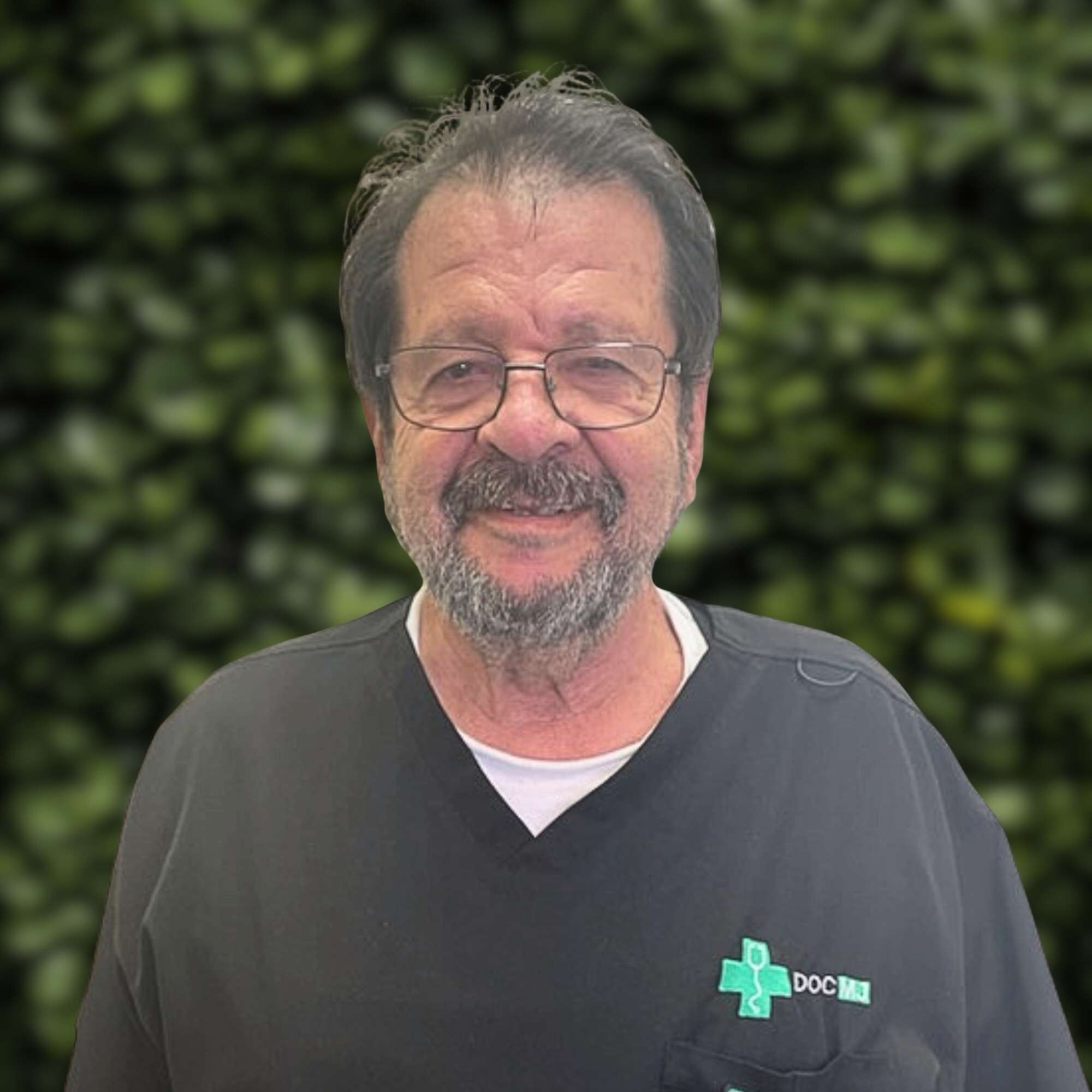
Dr. Rothman is a diplomate of the American Board of Obstetrics and Gynecology. He has received multiple special awards and recognitions, including Physician of the Year, from the Pinellas County Medical Association (2014 – 2015) and the President’s Service Award from the Pinellas County Medical Society.
He attended medical school at State University of New York Upstate Medical Center in Syracuse, New York, where he also completed his Obstetrics and Gynecology residency. In addition to practicing medicine, Dr. Rothman’s professional career includes being an Assistant Professor at the University of South Florida and Clinical Instructor at the University of Tampa’s College of Nursing.
Dr. Rothman received his Florida Medical Marijuana Physicians Certification in 2016 and was one of the first recommending physicians through DocMJ in the state and is loved by many of those early patients today.