

Medical cannabis recommendations are private and protected by laws that keep your health information confidential. These laws ensure your data is safe and only shared with your permission.
Knowing the confidentiality of medical marijuana use allows you to get treatment without fear of breaches or unauthorized access. By understanding your rights and the protections, you can get medical cannabis treatment with confidence.
Medical Cannabis Confidentiality
Medical cannabis confidentiality means keeping your personal and medical information about cannabis use private. This includes medical records, electronic health records (EHRs), and any documentation about your treatment. Healthcare providers must keep this information private and only share it with your explicit consent.
Healthcare providers use automated natural language processing (NLP) algorithms to find medical cannabis use in electronic health records (EHRs) and compare it to patient self-reports.
In the US, medical cannabis confidentiality is protected under the Health Insurance Portability and Accountability Act (HIPAA).
Medical Cannabis and Privacy Rights
As a medical cannabis patient, you have the same privacy rights as any other patient. HIPAA protects medical records, including those about cannabis use. HIPAA requires healthcare providers to keep your medical information private and only disclose it with your permission.
Knowing your privacy rights as a medical marijuana patient, including those under HIPAA, is essential. These rights are especially relevant in legal and employment situations.
Medical Records and Confidentiality
You have the right to access your records on medical marijuana use and request changes if needed. HIPAA requires providers to tell you about their privacy practices so you have more control over your personal health information. Patient EHRs)are used to document your medical cannabis use.
Medical Marijuana Use and Documentation
Medical marijuana is being used now more than in the past to treat many conditions, including chronic pain, nausea, and muscle spasms. Studies show that patients with mental health conditions like anxiety and depression are also increasingly using medical marijuana for sleep and relief.
- For example, this study in the Journal of the American Medical Association (JAMA) found 14.4% of primary care patients reported using medical marijuana. A study in the Journal of Cannabis Research found 26.5% of patients used medical marijuana for health reasons. These statistics show the growing acceptance and use of medical marijuana as a treatment option, so confidentiality for medical marijuana patients is crucial.
EHRs document most of a patient’s reasons for using medical marijuana. While EHRs make medical records more secure and accessible, they raise concerns about data breaches and unauthorized access. Knowing the benefits and risks of EHRs is important to protect confidentiality.
Telling Your Provider About Medical Marijuana Use
Telling your healthcare provider about medical marijuana use is important for safe and effective care. But many patients don’t because of stigma, discrimination, or fear of legal repercussions. Open and honest communication with your provider can make a big difference in your treatment outcomes.
By telling your provider about your medical marijuana use, they can advise you on its safe use and interactions with other medications to tailor your treatment plan to your needs.
Medical Marijuana Card Confidentiality
Getting a medical marijuana card means you are sharing your personal and medical information with certain entities, but rest assured this information is protected under HIPAA. Here’s who will have access to your information:
- Healthcare Providers: Your recommending doctor will know about your medical cannabis use.
- State Medical Marijuana Programs: Registration with the state program is required to get a card.
- Law Enforcement: If officers detect the odor of hemp, they can check your card during stops or arrests and search your car without a warrant because marijuana use for recreational purposes is illegal in Florida.
- Medical Marijuana Dispensaries: Dispensaries may need to verify your eligibility for medical marijuana and give you the right products.
- Insurance Companies: If you are seeking reimbursement for medical marijuana-related expenses, your insurance company may need to review your information.
The Florida medical marijuana program has confidentiality of medical marijuana cards under HIPAA. As a result, Florida limits visibility during background checks and provides some employment protections. They also address how these rules impact parental rights in child protective services cases.
Please also note medical marijuana cards are not public record, and your information will not be shared with employers, schools, or other third parties without your explicit consent. Medical marijuana use is not a reportable condition under the Americans with Disabilities Act (ADA). This means your medical marijuana use will remain private and only known to those directly involved in your care and treatment.
Protecting Your Confidentiality
To keep your information confidential:
- Keep your medical records safe and only share them with trusted healthcare providers.
- Know your rights under HIPAA and other laws that protect your medical information.
- Ask questions and get clarification on how your information is handled.
Empower Your Health with DocMJ
At DocMJ, we prioritize your privacy and health. Our services are designed to provide safe and confidential access to medical cannabis treatments. Trust us to support your wellness journey with the utmost respect for your personal information.
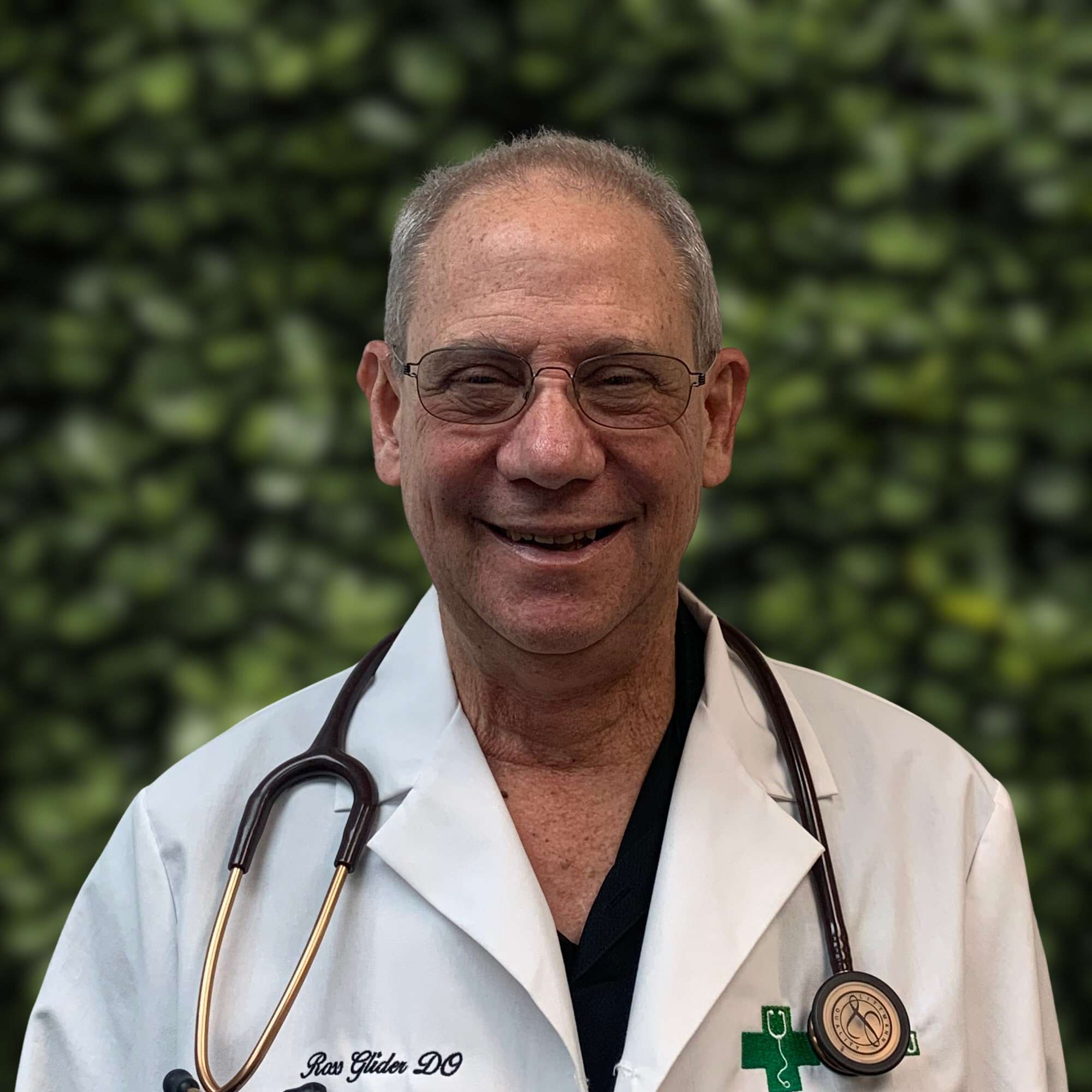
Dr. Glider is a board certified Internal Medicine Specialist. He received his Florida Medical Marijuana Physicians Certification in 2017 and was one of the first recommending physicians with DocMJ. In addition to medical marijuana recommendations, Dr. Glider continues to practice Internal and Geriatric Medicine in private practice. Additionally, he serves as Medical Director for a home health company, supervising and educating staff, as well as supervising an advanced Registered Nurse Practitioners for a transitional care program.
Dr. Glider graduated from the College of Osteopathic Medicine & Surgery in Des Moines, IA and completed his residency at Saddlebrook General Hospital in Saddlebrook, NJ. He has received several honors and awards throughout his professional career, including a City of Des Moines Merit Award and a Chamber of Commerce Award (Port St. Lucie, FL). Dr. Glider is an experienced and caring physician who is loved and respected by his peers and his patients.