
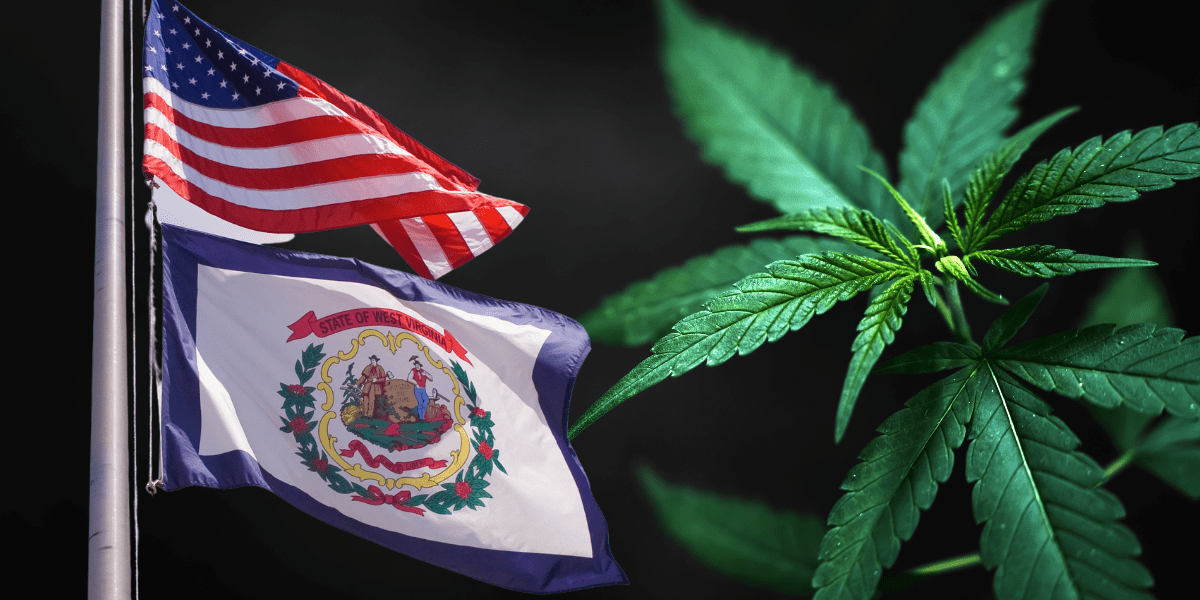
The legalization of medical marijuana has transformed the healthcare landscape across various states in the US. With its unique legislative environment, West Virginia presents an intriguing case study in this context. This blog aims to provide a comprehensive overview of the legal landscape of medical marijuana in West Virginia, focusing on the critical aspects of the state’s medical cannabis act, federal law implications, and the practicalities for medical marijuana patients.
Significant legislative milestones and evolving public attitudes have marked West Virginia’s journey toward legalizing medical marijuana. Understanding the state’s medical cannabis act and its implications for patients, healthcare providers, and law enforcement is essential for navigating this complex landscape.

The Historical Context of Medical Marijuana in West Virginia
Early Legislative Efforts
West Virginia’s initial attempts to legalize medical marijuana began with grassroots advocacy and incremental legislative proposals. Early efforts were driven by patient advocacy groups, healthcare professionals, and community leaders who highlighted the therapeutic benefits of medical cannabis for individuals and patients suffering from severe medical conditions. These groups worked tirelessly to educate the public and lawmakers about the potential benefits of medical marijuana, laying the groundwork for future legislative actions.
The passage of the state’s medical cannabis act in 2017 marked a pivotal moment in West Virginia’s journey toward legalizing medical marijuana. This legislation was the culmination of years of advocacy and negotiation, reflecting a significant shift in public and political attitudes toward medical and recreational cannabis both. The act established a formal legal framework for the cultivation, distribution, and use of medical marijuana, setting the stage for the development of a regulated medical cannabis industry in the state.
Federal Law vs. State Law
The interplay between federal law and state laws governing medical marijuana creates a complex regulatory environment. Despite increasing state-level legalization, federal law still classifies marijuana as a Schedule I controlled substance, which denotes it as having a high potential for abuse and no accepted medical use. This federal classification creates significant legal and operational challenges for states like West Virginia that have legalized medical marijuana, as it affects everything from banking and taxation to research and patient access.
West Virginia’s medical cannabis program operates under state law, providing legal protections for registered patients and registered physicians. These state-level protections allow for the legal cultivation, distribution, and use of medical marijuana within the guidelines established by the West Virginia Medical Cannabis Act. However, the federal prohibition on medical programs remains a significant hurdle, creating tension between state and federal authorities. This tension requires careful navigation to ensure that the state’s medical marijuana program can operate effectively while maintaining compliance with broader legal frameworks.
The State’s Medical Cannabis Act
Key Provisions of the Act
The West Virginia Medical Cannabis Act outlines the legal framework for medical marijuana use in the state. Key provisions include the establishment of a patient registry, which ensures that only eligible patients receive access to medical cannabis. It also specifies criteria for qualifying for a medical marijuana card for conditions such as pain, multiple sclerosis, and post-traumatic stress disorder, among others. Additionally, the act provides detailed guidelines for the licensing and operating of medical marijuana dispensaries, ensuring that these facilities adhere to stringent standards of safety, security, and product quality.
Implementation and Amendments
Since its passage, the West Virginia Medical Cannabis Act has undergone several amendments to address emerging issues and enhance patient access. These amendments have aimed to streamline patient registration, expand the list of qualifying medical conditions, and refine dispensary operational guidelines. Understanding these changes is crucial for registered patients and healthcare providers, as they directly impact the availability and administration of medical marijuana in the state. These ongoing legislative adjustments ensure that the medical cannabis program remains responsive to patient needs and regulatory challenges.
Qualifying Medical Conditions
List of Eligible Conditions
The state’s medical cannabis program recognizes a range of serious medical conditions that qualify for medical marijuana use. These serious medical conditions include severe chronic back pain, multiple sclerosis, post-traumatic stress disorder, intractable seizures, and several other debilitating ailments. This comprehensive list aims to ensure that individuals suffering from severe and chronic health issues can access the therapeutic benefits of medical cannabis.
Process for Certification
To qualify for medical marijuana, patients must obtain certification from a registered physician. This certification process involves a thorough evaluation of the patient’s medical records and their medical condition to ensure they meet the criteria set forth by the state’s medical cannabis program. This rigorous assessment helps to ensure that only eligible patients receive access to medical marijuana, maintaining the integrity and efficacy of the program.
Obtaining a Medical Marijuana Card
Application Process
The process of obtaining a medical marijuana card in West Virginia involves several steps, including physician certification, submission of medical records, and application to the West Virginia Office of Medical Cannabis. Initially, patients must be evaluated by a registered physician who can certify that they have a qualifying medical condition. Once the physician provides certification, patients must submit their medical records to support their application. Finally, the completed application must be submitted to the West Virginia Office of Medical Cannabis for review and approval.
Renewal and Compliance
Medical marijuana cards must be renewed periodically, with patients required to maintain compliance with state regulations. This includes regular consultations with their registered physician and adherence to dosage guidelines. To ensure ongoing eligibility, patients must attend scheduled check-ups and follow the treatment plan prescribed by their physician. Additionally, patients must renew their card before it expires to continue legally obtaining medical cannabis in West Virginia. Compliance with these requirements helps ensure that patients use medical marijuana safely and effectively.
Medical Marijuana Dispensaries in West Virginia
Licensing and Regulations
Dispensaries in West Virginia must obtain a permit from the West Virginia Department of Health and Human Resources. This licensing process ensures dispensaries adhere to strict product quality, security, and consumer safety guidelines. By maintaining high standards, the state aims to provide safe and reliable access to medical cannabis for patients while also preventing misuse and ensuring that products are adequately tested and regulated.
Available Products and Forms
Medical marijuana dispensaries in West Virginia offer a variety of products to meet diverse patient needs. These include plant forms, topical applications, edibles, tinctures, and other medical cannabis products. Understanding the different forms and their specific uses is crucial for patient safety and effective treatment, as each product type can have varying effects and administration methods, catering to various medical conditions and patient preferences.
Legal Protections for Medical Marijuana Users
Patient Rights
Registered medical marijuana patients in West Virginia are granted specific legal protections under state law. These protections shield patients from prosecution for the possession and use of medical cannabis, provided they adhere to the limits and guidelines prescribed by the state’s medical cannabis act. This legal safeguard ensures that patients who rely on medical marijuana for their health conditions can do so without fear of legal repercussions.
Employment and Drug Testing
The intersection of medical marijuana use and employment law presents unique challenges. West Virginia law provides guidelines to balance the rights of medical marijuana patients with the need for workplace safety and compliance with drug-free workplace policies. These guidelines help employers navigate drug testing and accommodation issues, ensuring patient rights are respected while maintaining a safe and productive work environment.
Law Enforcement and Public Safety
Role of Law Enforcement Officers
Local law enforcement officers are crucial in enforcing West Virginia’s medical cannabis laws. Through dedicated training and education programs, officers are equipped with the knowledge of legal protections for registered patients and the specific regulations governing medical marijuana. This ensures that law enforcement can effectively uphold the law while respecting the rights of medical marijuana users.
Ensuring Public Safety
“Public health and safety concerns, such as impaired driving and unauthorized distribution of medical cannabis, are addressed through stringent state regulations and robust enforcement measures. These efforts aim to balance the need for patient access to medical marijuana with broader public health and safety considerations, ensuring that the benefits of the medical cannabis program do not come at the expense of community well-being.
Challenges and Controversies
Federal vs. State Legal Status
The ongoing conflict between federal law and state laws regarding medical marijuana continues to pose challenges. This section explores the implications for patients, healthcare providers, and law enforcement.
Access and Equity
Ensuring equitable legal access to medical cannabis is a key concern. Factors such as geographic location, socioeconomic status, and healthcare access can influence a patient’s ability to obtain medical marijuana.
Future Directions for Medical Marijuana in West Virginia

Potential Legislative Changes
Ongoing legislative efforts aim to expand and improve the state’s medical cannabis program. Proposed changes include broader qualifying conditions, increased patient access, and enhanced protections for medical marijuana users.
Integration with Healthcare
The integration of medical marijuana into mainstream healthcare practices is an evolving area. This includes training for healthcare providers, development of best practices, and research into the therapeutic benefits of medical cannabis.
Patient Experiences and Testimonials
Stories from Registered Patients
Hearing directly from medical marijuana patients provides valuable insights into the practical benefits and challenges of the state’s medical cannabis program. Personal testimonials highlight the impact on quality of life and symptom management. Patients often share how medical cannabis has helped alleviate chronic pain, reduce anxiety, and improve overall well-being. These stories bring to light the real-world effects of medical cannabis, showcasing its potential to enhance daily living for those with qualifying medical conditions significantly.
Additionally, patient testimonials can reveal common hurdles faced in the program, such as the initial difficulty in finding a certified physician, navigating the application process, and managing the costs associated with medical cannabis. Understanding these challenges from the patient’s perspective can help policymakers and healthcare providers address these issues, ensuring a more seamless and supportive experience for future patients.
Physician Perspectives
As a medical cannabis physician office, we play a crucial role in West Virginia’s medical marijuana program. Our experiences and insights into the certification process are vital as we evaluate patient conditions and medical histories to determine eligibility for medical cannabis. Observing patient outcomes and clinical responses allows us to provide informed feedback and refine treatment approaches, ensuring the program’s effectiveness and the safety of our patients. Physicians’ firsthand observations of how patients respond to medical cannabis treatments offer valuable data that can be used to optimize care plans and improve patient outcomes.
Through our practice, we gain a comprehensive understanding of the therapeutic benefits and challenges associated with medical marijuana, contributing to the ongoing improvement of the state’s medical cannabis program. We see the direct impact of medical cannabis on various conditions, ranging from chronic pain and epilepsy to PTSD and cancer-related symptoms. This extensive experience allows us to advocate for best practices in medical cannabis use and to educate both patients and the broader medical community about its potential and limitations. Our role extends beyond certification, encompassing patient education, ongoing monitoring, and participation in the wider discourse on medical cannabis.
Medical Marijuana and Chronic Pain Management

Therapeutic Benefits
Medical marijuana is increasingly recognized for its potential in managing chronic pain. This section explores the scientific evidence and patient experiences related to using medical cannabis for pain relief. Numerous studies have demonstrated that cannabinoids, the active compounds in cannabis, can effectively reduce pain and inflammation. These findings are supported by a growing body of patient testimonials, with many individuals reporting significant improvements in their pain levels and overall quality of life after using medical marijuana.
In addition to its pain-relieving properties, medical cannabis is valued for its ability to address related symptoms such as insomnia and anxiety, which often accompany chronic pain conditions. By providing a multifaceted approach to symptom management, medical marijuana can enhance the overall treatment regimen for patients suffering from chronic pain. This holistic benefit is a crucial factor driving the increased acceptance and utilization of medical cannabis in pain management protocols.
Safety and Efficacy
It is essential to prioritize the safety and efficacy of medical marijuana products. This commitment involves conducting rigorous testing, implementing strict quality control measures, and ensuring full compliance with state regulations. These steps are crucial to guarantee that patients receive high-quality, reliable medical cannabis treatments that are both safe and effective. Comprehensive testing ensures that products are free from harmful contaminants such as pesticides, heavy metals, and microbial impurities, which can pose serious health risks.
Moreover, strict adherence to dosage and labeling standards helps prevent misuse and ensures that patients can use medical marijuana with confidence. By maintaining high standards of safety and efficacy, the medical cannabis industry can build trust with both patients and healthcare providers. This trust is fundamental to the successful integration of medical marijuana into mainstream healthcare, ensuring that patients have access to a safe, effective alternative for managing chronic pain and other qualifying medical conditions.
Recreational Marijuana and Its Impact
Legal Status of Recreational Marijuana
While medical marijuana is legal in West Virginia, recreational marijuana remains prohibited. This section examines the potential implications of recreational cannabis legalization on the state’s medical marijuana program. The prohibition of recreational marijuana means that only patients with qualifying medical conditions and a medical marijuana card can legally access cannabis products. This legal distinction ensures that medical cannabis remains a controlled substance used under the supervision of healthcare professionals to manage specific health issues.
The potential legalization of recreational marijuana could have significant impacts on the existing medical marijuana framework. It may lead to changes in regulatory practices, influence the availability and variety of cannabis products, and affect the overall perception of cannabis use in the community. Legalization might also impact the patient base, as some individuals currently using medical marijuana might switch to recreational use, thereby altering the dynamics of the medical cannabis program. Policymakers and stakeholders must carefully consider these factors to maintain the integrity and effectiveness of the medical marijuana system while addressing the broader implications of recreational use.
Comparing Medical and Recreational Use
Understanding the differences between medical and recreational marijuana use is essential for patients, healthcare providers, and policymakers. This includes considerations of dosage, product types, and legal protections. Medical marijuana is typically prescribed in specific dosages tailored to the patient’s condition, ensuring controlled and therapeutic use. Products available in the medical market often include high-CBD and low-THC options designed to maximize medicinal benefits while minimizing psychoactive effects.
Recreational marijuana, on the other hand, is used primarily for its psychoactive properties and may come in higher THC concentrations, which are not necessarily suitable for medical use. The legal protections for medical marijuana users, such as employment rights and access to specific healthcare services, differ from those for recreational users. Understanding these distinctions helps ensure that patients receive appropriate care and that the regulatory framework supports medical efficacy and responsible recreational use. It also aids in educating the public on safe consumption practices and the varying impacts of cannabis depending on its intended use.
Industrial Hemp and Its Role
Legal Framework for Industrial Hemp
Industrial hemp, a related but distinct product, is regulated under separate state and federal laws. This section explores the legal landscape of industrial hemp in West Virginia and its potential applications. In West Virginia, the cultivation, processing, and sale of industrial hemp are governed by the West Virginia Department of Agriculture (WVDA). Federal regulations, established by the 2018 Farm Bill, have also played a significant role in shaping the legal framework. These laws ensure that industrial hemp, defined as cannabis with less than 0.3% THC, is differentiated from marijuana and can be legally grown and utilized for various industrial purposes.
Economic and Environmental Benefits
The cultivation and processing of industrial hemp offer economic and environmental benefits. This includes opportunities for sustainable agriculture, job creation, and ecological conservation. Hemp is a versatile crop that can be used in a wide range of products, from textiles to biodegradable plastics. Its cultivation can lead to significant economic growth, particularly in rural areas where farming is a primary industry. Environmentally, hemp is known for its ability to improve soil health, reduce the need for pesticides, and sequester carbon, making it a valuable crop for sustainable farming practices—these benefits position industrial hemp as a promising component of West Virginia’s agricultural and economic landscape.
Conclusion
The legal landscape of medical marijuana in West Virginia is complex and evolving. By understanding the state’s medical cannabis act, federal law implications, and practical considerations for patients and providers, individuals can navigate this landscape and access cannabis much more effectively. Ongoing legislative efforts and patient advocacy will continue to shape the future of medical marijuana in West Virginia, ensuring that patients have safe and equitable access to this important therapeutic option.

Aaron Bloom, an experienced healthcare attorney, serves as the CEO of DocMJ and Medwell Health and Wellness Centers, where he has overseen the organizations’ mission and growth since 2016. In addition to his leadership roles, Aaron serves on the Board of Directors for Waterfall Bank, bringing his expertise in healthcare, compliance, and strategic growth to the financial services sector.
Aaron’s passion for improving patients’ lives stems from more than 20 years of owning, operating, and representing traditional healthcare organizations. Throughout his career, he has remained committed to finding better ways to relieve suffering and expand access to innovative, patient-centered care. As CEO, Aaron works each day to help patients achieve better health and wellness through the therapeutic benefits of medical cannabis and other evidence-based alternative medicines.