

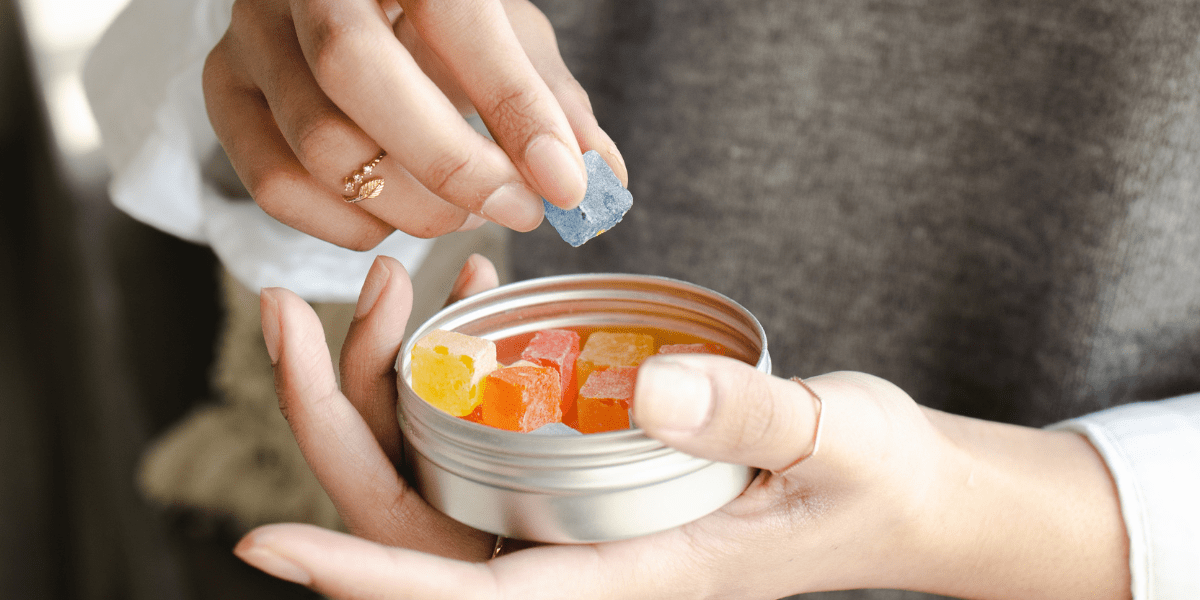
Years before cannabis edibles hit the legalized market, vitamin gummies were a big hit with consumers. The idea of taking a medicinal dose with a chewable product (that actually tasted good) was revolutionary in the health and wellness market.
This is not just for kids but for adults, too.
It’s no surprise that cannabis edibles are a sales leader in every state where medical or recreational cannabis is sold. According to 2023 sales data (Statistica), in the edible cannabis category, candies (including gummies) make up over 74% of sales. This is followed by chocolates (8%) and cannabis beverages (6%) of total sales that year.
Marijuana edibles have become an accepted complementary and integrative health option for patients living with chronic pain, sleep disorders, neurological pain, multiple sclerosis, symptoms of mental health disorders, and neurodegenerative diseases.
Cannabis consumption is not limited to smokable products. In fact, many patients prefer eating edibles over any other intake method. Let’s explore the potential health benefits and risks associated with consuming edibles versus smoking cannabis.
Introduction to Cannabis Edibles
There are many different options for patients with chronic pain and other debilitating symptoms to explore if they want to use medical cannabis. Throughout history, illicit use of cannabis (prior to state legalization) hinged on smoking marijuana. Cannabis culture has been rooted in the preference to pack a bowl or roll a joint.
It is well understood by the medical community that smoking cannabis is the least healthy intake method, and it may cause adverse effects. We’ll explain more about that later. However, as states moved to legalize medical cannabis for patients, regulators looked long and hard at other intake methods.
Edibles are not new (but they taste better today). Early traditional Chinese medicine (TCM) suggests drinking tea made from hemp or cannabis leaves to help with symptoms. Some ancient cultures also adopted chewing on hemp or cannabis leaves for the same analgesic (pain-relieving) effects.
What Are Cannabis Edibles?
Unlike smoking or vaping, where cannabinoids enter the bloodstream through the lungs, edibles are ingested and processed by the digestive system and liver. This conversion leads to a more intense and prolonged effect.
Edibles come in many forms, offering a wide range of options to suit different tastes. Common types include baked goods like brownies and cookies, candies such as gummies and chocolates, and drinks like teas and sodas. There are even savory choices like infused popcorn and sauces. This variety makes edibles a flexible medical cannabis use option for those looking to enjoy cannabis discreetly and without the need for smoking.
Some of the main benefits when you purchase edibles are their ease of use and lack of odor, making them a convenient option for many. However, it’s important to be cautious with dosing. Edibles take longer to take effect—anywhere from 30 minutes to 2 hours—and the effects can last much longer compared to other consumption methods.
Because of the delayed onset of psychoactive and physiological effects, it’s advisable to start with a low dose and wait to fully experience the effects before considering more to avoid the risk of overconsumption. Don’t make the mistake of taking another edible because you “aren’t feeling anything.” Taking too much THC can make you feel very sick.
Types of Edibles Available At Your Local Dispensary
Cannabis edibles come in a variety of forms, offering diverse and enjoyable ways to consume cannabis and often provide several hours of symptom relief due to the long-lasting effects.
Here are some popular types found in licensed medical marijuana dispensaries:
- Baked Goods: Brownies, cookies, cakes, and muffins
- Candies: Gummies, chocolates, lollipops, and hard candies
- Beverages: Teas, coffees, sodas, and infused waters
- Savory Snacks: Popcorn, chips, and crackers
- Capsules and Tablets: Pre-dosed for convenience
- Tinctures and Oils: Can be added to food or drinks
- Butter and Cooking Oil: For making homemade edibles
- Protein Bars and Granola: Healthy, on-the-go options
- Honey and Syrups: For sweetening beverages or food
- Dissolvable Powders: Easily mixed into any drink
Patients who have access to cannabis plants and flower have the option of creating their own cannabis edibles at home. After cannabis bud has been decarboxylated (activation of THC), it is easy to create your own infusions at home, including cannabutter, baked goods, teas, and other tasty options.
Who Made The First Cannabis Edible Product?
The first known cannabis edible product is credited to Alice B. Toklas, an American expatriate living in Paris. In her 1954 cookbook, “The Alice B. Toklas Cook Book,” she included a recipe for “Haschich Fudge.”
The recipe, contributed by her friend Brion Gysin, called for cannabis, among other ingredients, making it one of the earliest documented instances of cannabis being used in culinary creations. It was particularly scandalous because France banned cannabis as a prohibited substance in 1953.
Toklas’s inclusion of the recipe in her cookbook brought significant attention to cannabis edibles, blending the worlds of culinary arts and cannabis culture. Her work influenced the development of modern cannabis-infused foods, setting the stage for the wide variety of edibles available today.
The cookbook’s popularity helped normalize the concept of cannabis as a culinary ingredient, paving the way for future innovations in the field. Alis B. Toklas was the pioneer of cannabis edibles and very much ahead of her time in 1954.
Why Are Cannabis Edibles So Popular?
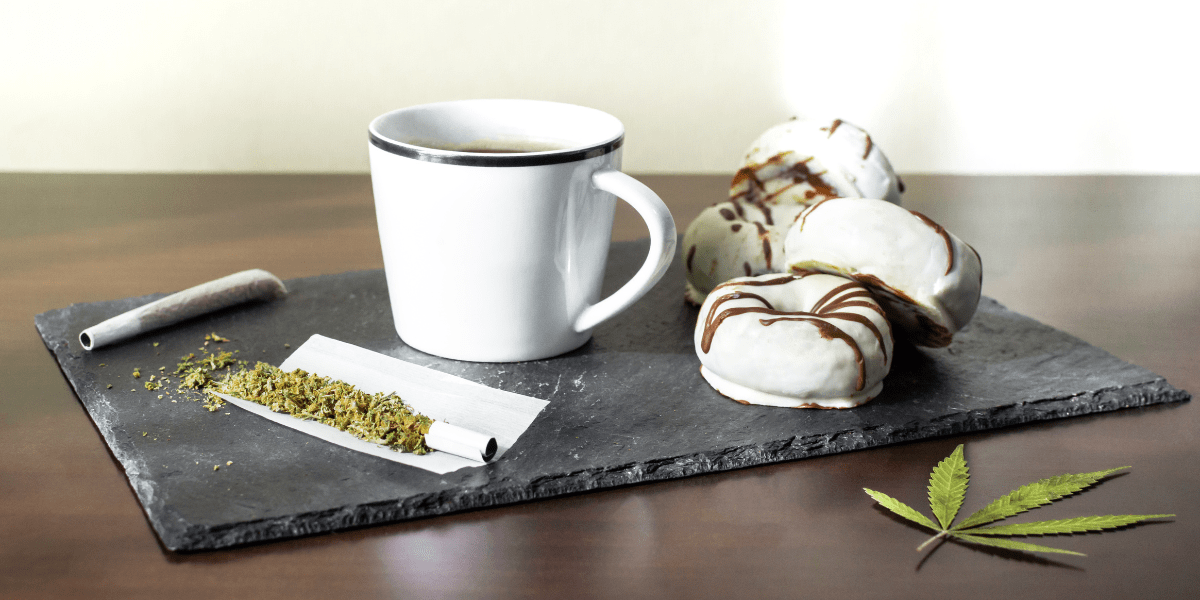
Two intake methods and cannabis products are responsible for record-breaking sales. Smokable cannabis flower (bud) accounted for 20% of cannabis sales from January to March 2024 in the United States. Consumer purchases of cannabis edibles followed closely, with 15% of all gross sales.
Why are people so keen on cannabis edibles?
Easy Way To Consume Cannabis
Consuming cannabis can be simple and enjoyable, especially with the variety of easy-to-use products available today. One of the most straightforward methods is through edibles, such as gummies, chocolates, or baked goods.
Edible cannabis products are pre-dosed, making it easy to control your intake without the need for special equipment or preparation. Just eat and wait for the effects to kick in, which typically takes 30 minutes to 2 hours.
Another convenient option is tinctures, which are liquid cannabis extracts that can be placed under the tongue or added to food and beverages. This method offers precise dosing and faster onset compared to edibles.
For those who prefer a smokeless experience, capsules, and tablets provide a familiar way to consume cannabis discreetly and without odor. These products are also pre-dosed, ensuring consistency and ease of use. With these simple options, enjoying the benefits of cannabis has never been more accessible.
Edibles Are Discreet to Store and Use
Edibles are an excellent choice for those seeking a discreet way to consume cannabis. Unlike smokable or vaped cannabis, edibles do not produce a noticeable odor, making them ideal for use in private or public settings without drawing attention.
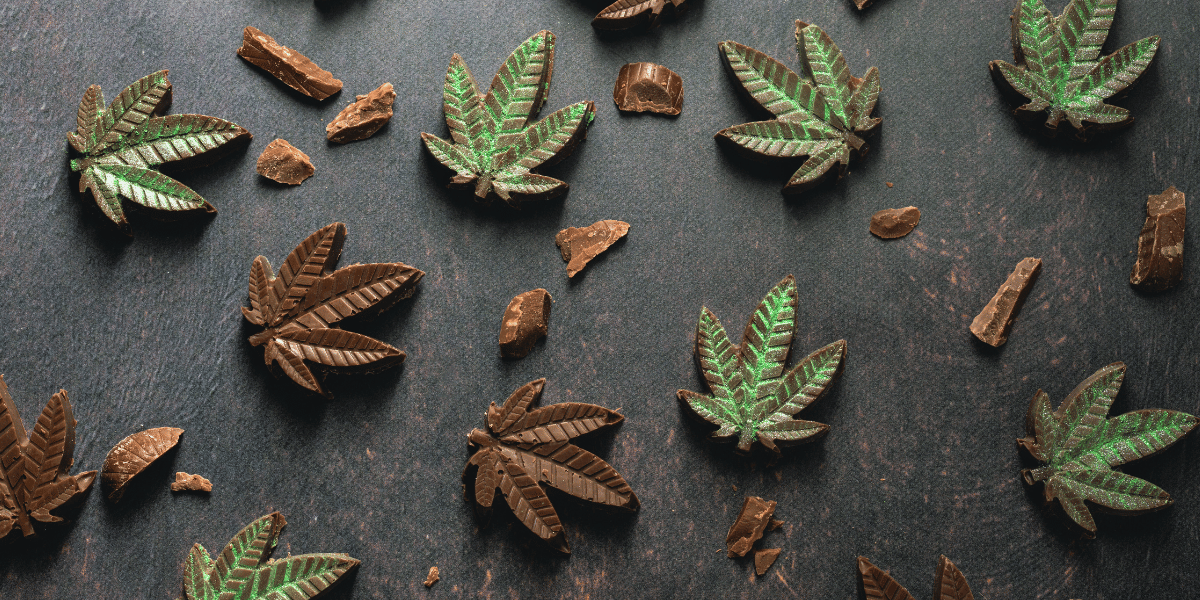
Cannabis edibles come in various forms, such as gummies, chocolates, and baked goods, which resemble regular snacks and can be easily stored in a pantry or fridge. This convenience allows users to enjoy cannabis without the need for special equipment or preparation.
Additionally, the packaging of edibles often includes clear dosing information, ensuring a consistent, controlled, and safer experience. With smokable or vaped cannabis products, it can be very difficult to estimate the exact dose you are receiving. However, tinctures, edibles, and capsules (or tablets) provide accurate dose measurements.
Long-Lasting Psychoactive and Physical Effects
People love medical cannabis edibles because they provide long-lasting psychoactive and physical effects, often lasting up to seven hours. This extended duration is longer than many other intake methods, like smoking or vaping.
While edibles have delayed effects (up to ninety minutes), many people prefer smoking cannabis because inhalation passes through the blood-brain barrier faster. It takes longer to absorb cannabinoids through the digestive tract. But when you are looking for a longer duration of potential symptom relief, edibles outperform any other intake method for most patients.
The effects are due to the way edibles are metabolized in the liver, converting THC into 11-hydroxy-THC, a more potent compound. This makes edibles ideal for sustained relief from pain, anxiety, and other symptoms, offering consistent and prolonged benefits.
Potential Risks and Side Effects of Using Medical Cannabis Edibles
Cannabis is a controlled substance, and like all other types of drugs, there are potential benefits and also risks that people should be aware of if they plan to use it on a regular basis. The categoric stigma that is still associated with cannabis (despite state legalization) causes misinformation, at times, about the benefits and risks of responsible use.
Cannabis is not believed to be addictive, but clinical studies have proven that some people can become reliant on cannabis consumption. Cannabis use disorder (CUD) applies to individuals who experience severe withdrawal after cessation and includes those who have difficulty functioning (physically or emotionally) without cannabis use.
Cannabis hyperemesis syndrome (CHS) is also a risk for individuals who use cannabis several times a week. Particularly those who choose higher-potency products (cannabis concentrates). Your body can reach a saturation point where it views cannabinoids as a toxin, and the symptoms caused by CHS mirror a severe allergic reaction.
Sadly, there is no cure for cannabis hyperemesis syndrome. Once your body develops an intolerance to cannabis consumption, the symptoms of nausea, aggressive vomiting, and headaches remain persistent. If you try consuming cannabis again, your body will react in the same way. Some people can have a CHS reaction when exposed to second-hand cannabis smoke without consuming it themselves.
No matter what your intake method is, your body reacts to cannabinoids, terpenes, and flavonoids found in cannabis. Cannabis is also known to conflict with several prescription medications, such as blood thinners and specific types of cardiovascular drugs.
The reason why medical cannabis involves regular consultation with a licensed healthcare professional is to reduce the risks for patients who may be inexperienced users. Cannabis healthcare providers can also provide recommendations to help patients choose the best intake method. Most medical providers do not recommend smoking cannabis or vaping it.
Daytime Versus Evening Use Of Cannabis Edibles
Cannabis edibles are available in a variety of different potencies, although finding lower potency edibles can be challenging, depending on where you live. That’s because people prefer to use edibles for uncomfortable symptoms, including chronic pain relief (which sometimes necessitates higher potency).
Because medical cannabis edibles provide hours of relief, many patients prefer to use them at night. It can help improve sleep quality if an edible does an effective job of reducing pain and anxiety during sleeping hours.
If you work during the day (or evenings), then taking medical cannabis is not advised during your work hours. It can be difficult to predict the effects of using an edible (since the onset of psychoactive and physiological effects can vary). Being impaired at work, depending on the nature of your job, can mean an increased risk of injury to yourself or others.
Are Edibles Safer Than Smokable Cannabis For Long-Term Use?
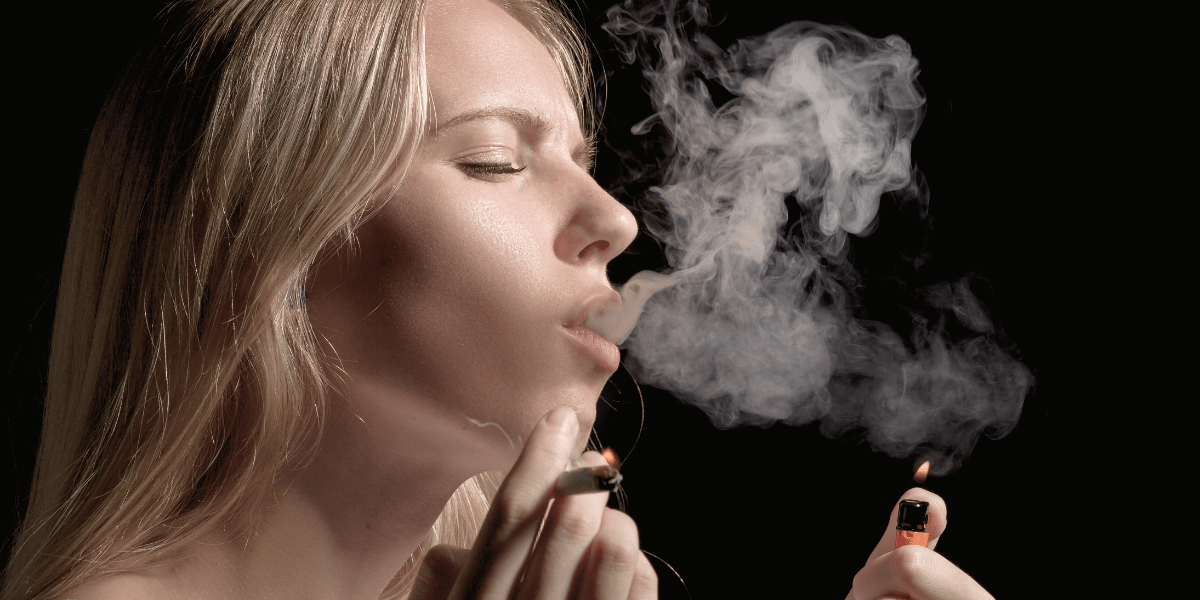
Smokable cannabis isn’t the healthiest way to take medical marijuana, as it can cause or exacerbate respiratory issues. People with conditions like COPD, asthma, and emphysema should consider non-smokable alternatives like edibles.
Edibles provide the benefits of cannabis without the harmful effects of inhaling smoke, which can irritate the lungs and airways. By choosing edibles, patients can avoid the risk of respiratory complications, making it a safer option for those with existing lung conditions.
Respiratory Health Benefits of Choosing Edibles Versus Smoking Marijuana
Choosing edibles over smoking marijuana can benefit respiratory health by avoiding the harmful effects of smoke inhalation. Edibles deliver cannabinoids through digestion rather than inhalation, reducing risks such as respiratory irritation, coughing, and lung damage associated with smoking. This makes edibles a preferable option for individuals seeking to protect their respiratory health while still enjoying the therapeutic benefits of cannabis.
Are Cannabis Edibles Legal in Every State?
In states that have legalized medical cannabis, you will find edibles available in a variety of different forms, flavors, and potencies at licensed dispensaries. In Idaho, Kansas, South Carolina, and Wyoming, all cannabis products are illegal, including edibles.
Keep Edibles Stored Safely
One of the biggest concerns public health officials and lawmakers have about edibles is accidental cannabis poisoning that can occur when children consume them. What is a comfortable dose for you can be potentially life-threatening for a child, or even a family pet, who has no established tolerance to cannabis.
Edibles typically look and smell appealing, and they taste very good. It is not hard for a child or pet to quickly consume a potentially dangerous quantity of edibles if they are left out or accessible. Like all medical cannabis products, make sure you store your edibles in a dry, safe place. Also, make sure you keep your edibles out of direct sunlight, as it can degrade the THC content in your edibles.

Aaron Bloom, an experienced healthcare attorney, serves as the CEO of DocMJ and Medwell Health and Wellness Centers, where he has overseen the organizations’ mission and growth since 2016. In addition to his leadership roles, Aaron serves on the Board of Directors for Waterfall Bank, bringing his expertise in healthcare, compliance, and strategic growth to the financial services sector.
Aaron’s passion for improving patients’ lives stems from more than 20 years of owning, operating, and representing traditional healthcare organizations. Throughout his career, he has remained committed to finding better ways to relieve suffering and expand access to innovative, patient-centered care. As CEO, Aaron works each day to help patients achieve better health and wellness through the therapeutic benefits of medical cannabis and other evidence-based alternative medicines.