

Medical cannabis is a popular treatment for people looking for relief from chronic pain, anxiety, and insomnia. But like any medication, its safe and effective use requires knowledge and responsibility. For beginners, knowing the dos and don’ts is key to getting the most out of medical cannabis while minimizing the risks.
This guide will give you helpful tips to incorporate cannabis into your treatment plan so you can make informed decisions and get the best results.
Understanding Medical Cannabis
What is Medical Cannabis?
Medical cannabis is the use of the cannabis plant or products made from it to treat or alleviate various medical conditions. It’s a natural alternative to pharmaceuticals and provides symptom relief for conditions like chronic pain, nausea from chemo, anxiety disorders, insomnia, and inflammation.
The benefits are largely due to the cannabinoids, the primary chemical compounds present in cannabis plants, with tetrahydrocannabinol (THC) and cannabidiol (CBD) being the most well-known. THC is psychoactive, and CBD is non-psychoactive and provides relief without the “high” associated with cannabis. Medical cannabis can be consumed in many forms: flowers, edibles, oils, tinctures, and topicals. This makes it accessible for many conditions and patient preferences.
Medical Cannabis Vocabulary
When you’re dealing with medical cannabis, it’s essential to know some of the relevant key terms. Understanding these terms will help you make informed decisions about your treatment.
- Cannabinoids: These are the active compounds in cannabis. The two most studied cannabinoids are THC (tetrahydrocannabinol) and CBD (cannabidiol), each with different benefits.
- THC (Tetrahydrocannabinol): The primary psychoactive compound in cannabis. Provides pain relief, euphoria, and nausea relief.
- CBD (Cannabidiol): A non-psychoactive cannabinoid that doesn’t produce a “high” but has benefits for pain relief, anti-inflammatory and anxiety reduction.
- Hybrid Strains: These are a blend of indica and sativa characteristics. Hybrid strains provide a balanced experience, making them suitable for beginners who may want the effects of both types of strains, depending on personal preferences and desired effects.
Consumption methods vary and may include:
- Smoking and Vaporizing: Both are fast-acting, but vaporizing is considered less harmful than smoking.
- Edibles: Cannabis-infused food products that provide long-lasting effects but may take longer to kick in.
- Topicals: Creams and oils that are applied directly to the skin to provide localized relief without psychoactive effects.
Medical Cannabis Do’s
Choosing the Right Medical Cannabis Doctor
Before you start treatment with medical cannabis, you need to see a qualified medical professional. Start by researching local doctors who specialize in medical cannabis and read reviews from other patients. Make sure the doctor is licensed and experienced in prescribing cannabis for your condition.
Ask about their approach to treatment, their understanding of cannabis’ medicinal properties, and their experience with patients who have conditions like yours. A good medical cannabis doctor will take the time to understand your needs, recommend the right strains, and guide you on the right consumption methods and dosages.
Knowing the Types of Medical Cannabis Products
Medical cannabis products come in various forms, each offering unique benefits and ways to consume cannabis. Understanding these options can help you choose the best method for your needs.
- Cannabis Flower: This is the dried and cured bud of the cannabis plant. It’s often smoked or vaporized, providing quick relief and allowing you to control the dosage easily. Smoking cannabis flower is one of the most traditional methods of consumption.
- Concentrates: These are highly potent extracts from the cannabis plant, known for their strong medicinal properties. They come in various forms, such as oils, waxes, and shatter, and are typically vaporized or dabbed.
- Edibles: These are food products infused with cannabis, like gummies, chocolates, and baked goods. Edibles offer a discreet and convenient way to consume cannabis, with effects that last longer than other methods. However, they take longer to kick in, so patience is key.
- Topicals: These include creams, balms, and salves infused with cannabis, applied directly to the skin. Topicals provide localized relief without the psychoactive effects, making them ideal for treating pain and inflammation in specific areas.
- Tinctures: These are liquid extracts of the cannabis plant, often taken sublingually (under the tongue) or added to food and drinks. Tinctures offer a fast-acting and precise way to consume cannabis, allowing for easy dosage adjustments.
Understand Safe Consumption Practices
When consuming medical cannabis, safety comes first. Start with a low dose and gradually increase as needed, especially if you’re new to cannabis. Be aware of the potency of the product and follow the recommended serving sizes to avoid unwanted effects.
Consume cannabis in a controlled, safe, and comfortable environment where you can chill. Don’t drive or operate heavy machinery while under the influence of cannabis. Keep your consumption consistent and track your dosages to fine-tune your treatment plan.
Understand the Effects of Medical Cannabis
Medical cannabis can produce many effects, which can vary depending on the strain and method of consumption. Common effects are relaxation, pain relief, increased appetite,e and anxiety relief. But there are side effects to be aware of, like dizziness, dry mouth, and, in some cases, increased anxiety or paranoia.
Track your experience with each dose and adjust your usage based on how you feel. It may take some time to find the right strain, dosage, and method of consumption for your condition.
Start Low and Go Slow
When starting your medical cannabis journey, it’s crucial to adopt the “start low and go slow” approach. This method helps you find the optimal dose while minimizing the risk of adverse effects.
- Start with a Low Dose: Begin with a small amount of cannabis, such as 2.5-5mg of THC. This allows your body to adjust to the new substance without overwhelming it.
- Gradually Increase the Dose: If the initial dose doesn’t provide the desired effects, you can slowly increase the amount. Make small adjustments and give your body time to respond before making further changes.
- Monitor Your Body’s Response: Pay close attention to how your body reacts to each dose. Keep a journal to track your symptoms, the dosage, and the effects. This will help you and your medical cannabis doctor fine-tune your treatment plan.
Responsible Use and Safety Tips
Creating a Safe Environment to Consume Cannabis
When consuming cannabis, it’s important to create a safe environment. Make sure you’re in a comfortable and calm space, free from distractions or hazards. Have a trusted friend or family member nearby if you need help or if any adverse reactions occur. Always store cannabis products out of reach of children or pets.
What to Do If Overconsumed
In case of overconsumption, especially with edibles or high THC strains, stay calm. Symptoms of overconsumption may be anxiety, confusion, or paranoia. Drink water and have a light snack to help alleviate the effects. If symptoms persist or worsen, seek medical attention immediately.
Interactions with Medications
Before using medical cannabis, consult with your doctor to discuss potential interactions with any prescription medications you’re taking, especially if you’re on medications for mental health conditions, as cannabis can interact with some psychiatric drugs. Be aware of how your body reacts to medical cannabis and adjust your dosage accordingly.
Don’ts of Medical Cannabis Use
Don’t Overconsume, Especially with Edibles
One of the biggest mistakes beginners make when using medical cannabis is overconsumption, especially with edibles. Edibles take longer to take effect—usually 30 minutes to 2 hours—so many users mistake it for not feeling the effects and consume more to feel it sooner. But this can result in a more intense high anxiety or even paranoia once the effects kick in.
Don’t rush. Start with a low dose and wait at least 2 hours before taking another dose. Gradually increase your intake to find what works for your body.
Don’t Use Cannabis in Unfamiliar or Unsafe Environments
When consuming medical cannabis, especially for the first time, it’s essential to be in a safe and comfortable environment. Don’t consume cannabis in unfamiliar or chaotic places where you may feel anxious or distracted. You may feel more anxious or panicked if you’re in an uncontrolled or unsafe environment.
It’s also a good idea to have a trusted friend or family member with you, especially if you’re new to cannabis or trying a stronger strain. A familiar and safe environment will allow you to relax and better manage any side effects.
Don’t Drive or Operate Heavy Machinery
Medical cannabis can impair motor skills, judgment, and coordination, so don’t drive or operate machinery after consumption. Don’t do any task that requires focus or precision while under the influence of cannabis.
If you need to leave your home after consuming cannabis, wait until the effects wear off, use public transportation, or have someone else drive you.
Don’t Ignore Interactions with Other Medications
Cannabis can interact with some prescription medications and sometimes alter their effect or increase the risk of side effects. Don’t use medical cannabis without consulting your doctor, especially if you’re already taking medications for mental health conditions, heart disease, or diabetes.
Always consult with your doctor and be careful mixing cannabis with other substances, including alcohol or other drugs, unless approved by your doctor.
Don’t Assume One Strain Works for Everyone
Cannabis affects people differently, and what works for one person may not work for another. Don’t assume a certain strain or product will work the same for you as it did for someone else. Even within the same strain, the potency and effects can vary greatly.
Work with a qualified medical cannabis provider to determine which strains and products are right for your medical condition. Keep track of your symptoms and how each strain or product affects you so you can adjust your treatment plan as needed.
Don’t Ignore the Dosage Guidelines
Medical cannabis products, whether flowers, edibles, or oils, have dosage guidelines. Don’t ignore these instructions or assume you can handle more. Using cannabis in excess, especially for first-time users or those new to a certain method of consumption, can lead to uncomfortable side effects like dizziness, paranoia, or nausea.
Start with the lowest dose and gradually increase as you get to know your body. Dosage may also vary depending on the method of consumption—edibles are more potent and longer lasting than smoking or vaping.
Don’t Mix Cannabis with Alcohol or Other Drugs
Some people may think combining cannabis with alcohol or other substances will enhance the effect, but often, it has negative consequences. Don’t mix cannabis with alcohol or other drugs, especially if you’re still learning how your body reacts to cannabis. The combined effect can be unpredictable and may increase the risk of side effects like nausea, dizziness, or excessive sedation.
If you’re unsure about combining cannabis with other substances, use cannabis alone or consult with a healthcare professional.
Don’t Use Cannabis as a Substitute for Conventional Medical Treatment Without Consulting
Cannabis is a powerful tool but not a magic pill. Don’t stop or replace any conventional medical treatment without consulting your doctor. While cannabis can help with symptoms of many conditions, it should be used as part of a comprehensive treatment plan that includes traditional medical care, especially for serious or life-threatening conditions.
Consult with your doctor to make sure cannabis is added to your treatment plan without causing harm.
Consult An Experienced Medical Marijuana Doctor Today
Getting medical cannabis into your treatment plan can give you relief for many health conditions, but you have to use it safely and responsibly. Follow the dos and don’ts, and you’ll get the most out of it while minimizing the risks. Always start with a low dosage, consult a healthcare provider, and monitor your body for the best experience. With the right approach, medical cannabis can be a game changer for your life.
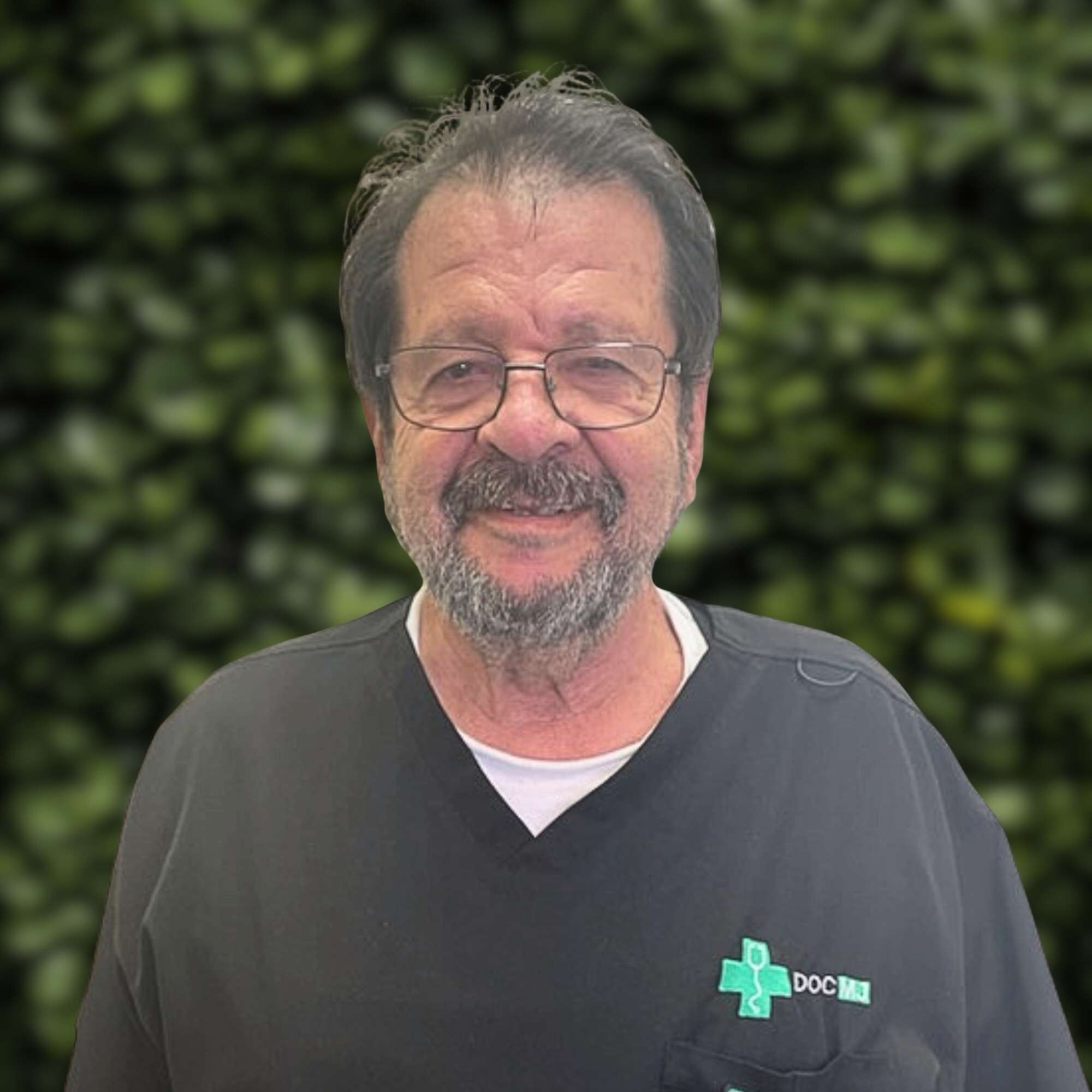
Dr. Rothman is a diplomate of the American Board of Obstetrics and Gynecology. He has received multiple special awards and recognitions, including Physician of the Year, from the Pinellas County Medical Association (2014 – 2015) and the President’s Service Award from the Pinellas County Medical Society.
He attended medical school at State University of New York Upstate Medical Center in Syracuse, New York, where he also completed his Obstetrics and Gynecology residency. In addition to practicing medicine, Dr. Rothman’s professional career includes being an Assistant Professor at the University of South Florida and Clinical Instructor at the University of Tampa’s College of Nursing.
Dr. Rothman received his Florida Medical Marijuana Physicians Certification in 2016 and was one of the first recommending physicians through DocMJ in the state and is loved by many of those early patients today.