

Stiff and sore muscles can be a pain in the back. Many of us have experienced symptoms of back pain after exerting ourselves at the gym or after doing some serious heavy lifting, helping someone move, or other strenuous activities.
There are certain types of pain that are difficult to ignore; back pain is one of them. But for over 16 million adults living in the United States, moderate to severe back pain is part of everyday life. Chronic back pain impacts 8% of Americans over the age of eighteen years.
The cumulative cost of chronic back pain has been estimated at over $12 billion per year. That includes the cost of treatment, employment days lost, and disability claims for the condition. Chronic back pain is the sixth most costly health condition annually in the United States.
From mobility challenges to the inability to perform activities of daily living and care, chronic back pain has a significant impact on the quality of life for individuals who suffer from the condition. While there are many treatment plans and approaches to help, there are few ways to permanently resolve chronic back pain.
That is one of the reasons why many patients ask their medical marijuana doctor if cannabis can be helpful as part of their long-term treatment plan to help moderate the symptoms of chronic back pain.

Common Causes of Chronic Back Pain
One of the reasons why there are few options that will cure back pain is because it can be caused by many different things. For some, chronic back pain occurs after an injury, such as a fall or a motor vehicle accident. Others develop back pain as a symptom of natural aging or in conjunction with another health condition.
Some of the main causes of chronic back pain are as follows:
Spinal Cord Injuries
The human spinal cord is a superhighway of neurons and messages from the brain to every part of your body, including muscles, nerves, and major organs. A spinal cord injury or SCI can cause disrupted messaging through the central nervous system and cause neuropathic pain in any area of the body (not just the back, neck, and shoulders).
In some cases, SCI can cause permanent paralysis or mobility challenges requiring an assistive device, such as a cane or walker. The nerve sensory deficits caused by a spinal cord injury may also make patients more prone to trip and fall injuries due to loss of normal muscle coordination.
Age or Injury Related Degenerative Disc Disease
Between every major joint required for movement in the body is a soft cushion of cartilage that prevents bones from rubbing together and causing painful friction. As we age, that cushion of cartilage wears down and becomes thin, and sometimes disappears entirely. That can cause chronic back pain.
Degenerative Disc Disease (DDD) can improve for some patients after surgery. However, for many patients, treatment focuses on achieving pain relief with physical therapy and pain medications.
Herniated Disc
The term “hernia” when it comes to back pain describes what happens when the soft inside core of a disc slips out of place. Sometimes, it is called a “slipped disc” or a “ruptured disc” as well. When this occurs, patients can feel a combination of symptoms, including numbness, tingling, and chronic pain that radiates through the back and down to the legs.
Lifestyle changes, physiotherapy, and sometimes surgery may be used in conjunction with prescription medications to reduce pain symptoms for patients with a herniated disc experiencing acute back pain.
Scoliosis
Patients with Scoliosis have an abnormal curvature of the spine. Because the spine shifts from its normal positioning, it can impinge on nerves and cause muscular imbalance. Patients can experience chronic neuropathic pain throughout their back, neck, shoulders, and pelvis.

Ankylosing Spondylitis
A less-known type of inflammatory arthritis, Ankylosing Spondylitis or AS, is a condition that causes chronic inflammation in the human body. It predominantly affects the sacroiliac joints and the spine. The inflammation causes bone spurs to develop, which can lead to spinal fusion and moderate to severe chronic pain.
Osteoarthritis
Osteoarthritis is a degenerative disease that causes the cartilage between bone structures in the spine to break down. When any joint loses cartilage or the tissue cushioning to prevent friction, there can be painful bone-on-bone contact that causes chronic back pain.
Because the natural spacing between intervertebral discs is altered when cartilage wears down, Osteoarthritis may also cause bone spurs to develop. With the increased compression and potential for nerve impingement, Osteoarthritis can cause significant back pain.
Rheumatoid Arthritis
A disease that impacts the normal functioning of the immune system, Rheumatoid Arthritis (RA) causes the human immune system to attack itself, specifically, the lining of bones, called synovium. This causes stiffness, increased chronic inflammation, and acute pain.
Spinal Stenosis
This specific disorder causes narrowing of the spinal canal, and patients who have Spinal Stenosis face lifelong chronic pain and mobility challenges. In some cases, surgery can help improve the condition. However, activities like walking, lifting, or bending can be painful for patients with Spinal Stenosis.
Spondylolisthesis
Accidental injury, excessive lifting, pushing or pulling, or natural aging can cause one vertebra to slide underneath another in the lumbar spine area. For some patients, Spondylolisthesis can also be inherited and hereditary.
When the discs move, it impacts everything from overall posture to disc alignment and causes muscles to shift abnormally. This can also cause impingement on ligaments and nerves in the back, which can cause chronic pain.
Fibromyalgia
Over a hundred years ago, doctors didn’t know much about Fibromyalgia. The first physician documented the condition in 1904, but the chronic pain was diagnosed because of published studies by Hugh Smythe in 1972.
Today, over 4 million Americans have been diagnosed with Fibromyalgia. More than 70% of diagnoses of this condition are with female patients under the age of fifty years. Fibromyalgia can cause hypersensitivity to pain signals, muscle tightness, problems with ambulation (movement), and more.

Myofascial Pain Syndrome
Surrounding every muscle in your body is a thin connective tissue called fascia, and they are plentiful throughout your core and spinal column. People who have Myofascial Pain Syndrome (MPS) develop hypersensitive trigger points on the fascia of large muscle groups, particularly on the paraspinal muscles.
The pain patterns caused by MPS are randomized because they can occur in any muscle, but typically, they occur in the lumbar region. It is not uncommon for patients to experience neck and shoulder pain due to pain referral to other areas of the body, which makes pain management more difficult.
Inflammatory Bowel Disease (IBD)
There are many gastrointestinal disorders that fall under the category of Inflammatory Bowel Disease or IBD. While symptoms tend to be centered around the digestive system, chronic joint or back pain is possible if you have IBD due to systemic inflammation that can spread to the spine.
Cancer
Back pain is a common symptom experienced by patients who are receiving cancer treatment. Chemotherapy and prescription medications can trigger chronic pain. Sometimes, cancer cells may metastasize to other areas of the body, including the spine and surrounding tissues.
Cancer cells can penetrate bone, and once cancer has infiltrated the spinal column, it can compress the spinal nerve and also cause chronic pain. Tumors that are common with certain types of cancer can also impinge on bones, muscles, and nerves, causing discomfort.
Kidney Stones
If you have just started experiencing chronic back pain, your doctor may have you checked for kidney stones. This pain is usually centered below the rib cage but can radiate to the groin and lower abdomen or back areas.
Spinal Infections
Your body is constantly fighting infections, but did you know that you can also get a spinal infection? Viruses, bacteria, and fungi can infiltrate the spinal cord and surrounding tissues. Osteomyelitis can occur, which is an infection penetrating human bones, causing chronic pain and discomfort.
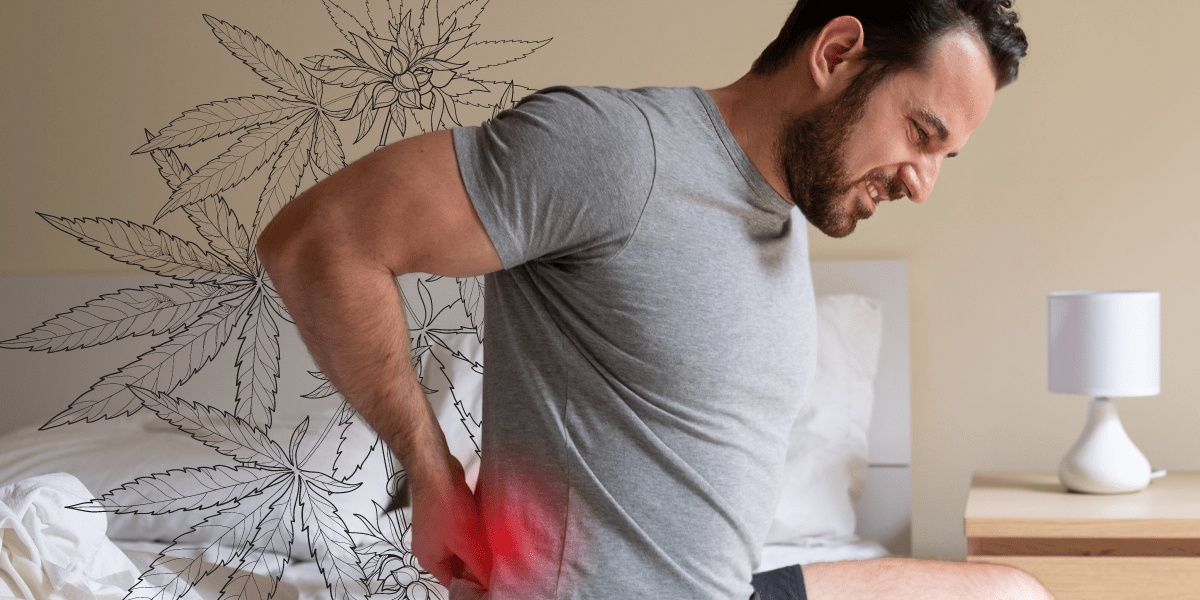
Can Medical Cannabis Help With Back Pain?
The top priority for patients living with chronic back pain is to find relief. While back pain is difficult to resolve or cure, using different types of treatments can help lower the volume of chronic back pain so that it becomes more manageable. Or less disruptive to your life.
When other types of holistic remedies, such as hot or cold therapy, have not worked, providers will recommend a prescription drug, like an NSAID or opioid medication, that can help temporarily alleviate pain.
One of the problems with chronic back pain is that, over time, prescription painkillers may not work for long-term use. Your body can build a tolerance to the active ingredients of most pain medications, and some people get to the point where the prescription pain relief drugs no longer work.
Many people explore medical cannabis as an alternative health option to help with chronic back pain. Here are some surprising ways that doctor-supervised cannabis can help you reach your symptom management goals.
May Reduce Pain
Medical cannabis does not cure or resolve any condition or symptom, but what it can do is help regulate your pain perception or how intensely you feel moderate to severe chronic pain. Some clinical trials suggest that cannabis can effectively modulate pain symptoms.
Reduce Chronic Inflammation
Inflammation is the source of all pain. When you have a health condition that triggers chronic inflammation, it is not uncommon to experience pain symptoms. Some strains of cannabis have high levels of cannabidiol (CBD), which has been clinically proven to help lower inflammation levels. Less inflammation and you may experience more mild chronic back pain symptoms.
Muscle Relaxation
When you are experiencing pain, or even when you expect that something may feel painful, you may find that your muscles become more tense. That is a normal human reaction to the possibility of experiencing pain.
If you are taking medical cannabis to help reduce pain perception, there is some more good news. Cannabis can act as a natural muscle relaxant. If you have been taking over-the-counter (OTC) muscle relaxants for a long time, you may have developed a tolerance to them. But cannabis may help reduce muscle spasms and tension and provide relief.
Help With Symptoms of Anxiety or Depression
It is not difficult to understand that patients coping with chronic pain daily may experience some emotional stress, anxiety, and even symptoms of depression. If the back pain cannot be surgically resolved, and you know that you will be coping with difficult symptoms for the rest of your life, it can certainly affect your mood.
Some strains of cannabis (Sativa-dominant) are well-known for providing a mood lift and helping people with anxiety or depression improve their state of mind. While the lift is only temporary, it can significantly improve overall mood and help address fatigue as well, which can improve overall quality of life.
Help With Pain Related Insomnia
Did you know that chronic pain is one of the most common causes of insomnia? Either the pain makes it very difficult to fall asleep, or you wake up in the middle of the night experiencing symptoms of discomfort.
Good sleep quality is essential for mental and physical health. The Indica strains of cannabis (and products made from Indica extracts) can be sedating and also provide relief from pain symptoms for a period of time.
Many people choose to take edible gummies about an hour before they are ready for bed. The psychoactive effects and physical relief that can be provided by cannabis gummies may last up to seven hours if taken on an empty stomach.
Does Chronic Pain Qualify Patients for Medical Cannabis?
Yes. If you have any kind of chronic pain, virtually every state that has legalized medical cannabis will accept a diagnosis of persistent pain as a qualifying health condition. That means you may be eligible to apply for and receive your medical cannabis card.
A formal diagnosis of chronic pain is required to qualify for a medical cannabis card. Will medical marijuana relieve pain? It can temporarily lower your pain perception to give you a break from the chronic back pain you are enduring. It can also help you address any problems that back pain is causing regarding sleep disruptions or insomnia.
Since 2016, DocMJ has been one of the most trusted medical cannabis healthcare providers in the United States. If you are suffering from back pain, marijuana and expert guidance from one of our caring physicians may provide the relief you are looking for.
Make one of our DocMJ practitioners your ally to help improve back pain management. If pain medication is no longer working for you, explore doctor-supervised cannabis as a legal alternative health option.

Dr. Rothman is a diplomate of the American Board of Obstetrics and Gynecology. He has received multiple special awards and recognitions, including Physician of the Year, from the Pinellas County Medical Association (2014 – 2015) and the President’s Service Award from the Pinellas County Medical Society.
He attended medical school at State University of New York Upstate Medical Center in Syracuse, New York, where he also completed his Obstetrics and Gynecology residency. In addition to practicing medicine, Dr. Rothman’s professional career includes being an Assistant Professor at the University of South Florida and Clinical Instructor at the University of Tampa’s College of Nursing.
Dr. Rothman received his Florida Medical Marijuana Physicians Certification in 2016 and was one of the first recommending physicians through DocMJ in the state and is loved by many of those early patients today.